


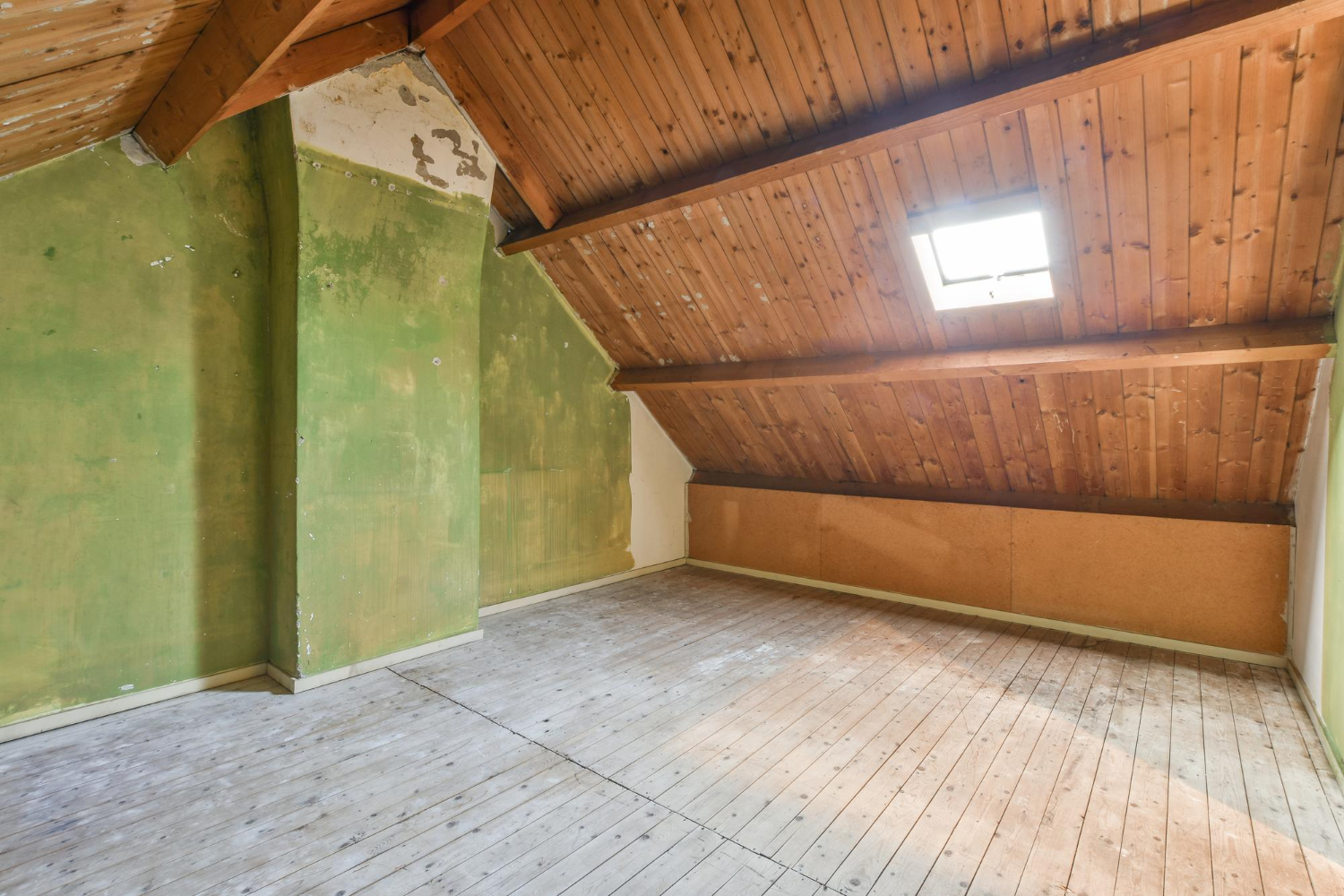
A roof leak might seem like a minor problem, but it can create a serious mold issue in your attic faster than you think. Mold can start growing within 48 hours when moisture gets trapped in your attic space. Once it takes hold, it spreads quickly through insulation, wood, and other materials.
If your attic has mold from a roof leak, you need to fix the leak right away, remove wet materials, and completely dry the area to stop the mold from spreading. Small patches might seem harmless, but mold in your attic can damage your home's structure and affect the air quality throughout your house. The spores travel through vents, recessed lights, and gaps into your living spaces.
Understanding how leaks cause mold, spotting the warning signs early, and knowing when to call professionals can save you thousands in repairs. This guide will walk you through everything you need to know about dealing with attic mold caused by water leaks and how to prevent it from coming back.
- Insights into how attic leaks lead to mold growth
- Identifying signs of mold in your attic
- Understanding the risks of ignoring mold in attic from leak
- Professional attic mold removal process
- Tips to prevent mold from returning in your attic
- Conclusion
Keep reading to learn exactly how roof leaks create mold conditions, what warning signs to catch early, and what professional remediation involves so you can protect your home and your family's health.
Introduction
A leak in your roof can create more problems than just water stains on your ceiling. When water seeps into your attic, it creates the perfect conditions for mold to grow and spread.
Attic mold from leaks is one of the most common hidden problems in homes. Many homeowners don't realize mold is growing above their heads until they notice a musty smell or see visible damage during an inspection.
Why attic leaks lead to mold:
- Poor ventilation traps moisture in the space
- Wet insulation stays damp for extended periods
- Dark, humid conditions allow mold spores to multiply quickly
- Roof leaks can go unnoticed for months or years
The problem starts small. A few drops of water from a damaged shingle or cracked flashing might not seem serious. But over time, that moisture soaks into your roof deck, insulation, and wooden beams. Mold spores, which are always present in the air, settle on these damp surfaces and begin to grow.
This type of mold doesn't stay contained in your attic. Spores travel through gaps around light fixtures, vents, and attic hatches into your living spaces. This can affect your indoor air quality and potentially impact your health.
The longer a leak goes unfixed, the worse the mold damage becomes. It can weaken your roof structure, ruin insulation, and reduce your home's value. Understanding how attic leaks cause mold is the first step toward fixing the problem and protecting your home.
Insights into how attic leaks lead to mold growth
When water enters your attic through a roof leak, it creates conditions that allow mold to thrive. The combination of moisture, poor air circulation, and wet materials provides everything mold spores need to multiply.
Moisture buildup from roof leaks
A roof leak allows water to seep into your attic space, where it accumulates on surfaces and creates damp conditions. Even small leaks that drip slowly over time can cause significant moisture problems.
Water from roof leaks settles on wood beams, roof sheathing, and other structural materials. These surfaces stay wet for extended periods, especially if the leak goes unnoticed for weeks or months.
Common entry points for water include:
- Damaged or missing shingles
- Cracked flashing around chimneys and vents
- Gaps in roof valleys
- Deteriorated seals around skylights
The moisture doesn't just affect the spot where water enters. It can spread across surfaces and increase humidity levels throughout your entire attic. This creates multiple areas where roof leak mold growth can start.
Poor ventilation and trapped humidity
Inadequate airflow in your attic traps moisture and prevents wet surfaces from drying. When your attic lacks proper ventilation, humid air stays trapped inside with nowhere to escape.
According to the U.S. Department of Energy, improper attic ventilation allows moisture to build up and can cause mold, ruin insulation, and damage wood, and replacing soffit panels with ridge vents paired with soffit vents is one of the most effective ways to restore proper airflow. Without this balance, humidity levels remain high even after a leak stops. Stagnant air allows mold spores to settle and grow on damp surfaces throughout the space.
Insulation absorbing water and spores
Attic insulation acts like a sponge when exposed to water from roof leaks. Materials like fiberglass and cellulose insulation readily absorb moisture and hold it against wood and other structural components.
Wet insulation loses its ability to dry out quickly, creating a long-term moisture source. This prolonged dampness allows mold to establish itself and spread through the insulation material. Once mold grows in insulation, it becomes difficult to clean and usually requires complete removal.
The porous nature of insulation also provides an ideal surface for mold spores to attach and multiply. Contaminated insulation can spread spores to other areas of your attic through air movement.
Identifying signs of mold in your attic
A leak in your attic creates the perfect conditions for mold to grow, and knowing what to look for helps you catch the problem early. The most reliable indicators include a persistent musty smell, visible mold growth on surfaces, and signs of water damage to your insulation or wood.
Musty odors coming from ceilings
A stale, earthy smell that lingers in your home often signals mold growth in your attic. This odor comes from the gases mold releases as it spreads across wood, insulation, and other materials.
You might notice the smell most strongly in upstairs rooms or near ceiling vents. The odor typically doesn't go away even after cleaning the rooms below.
If you detect this smell, check your attic soon. Mold can grow behind insulation or in hidden corners where you can't see it right away. The smell often appears before you can spot visible mold growth, making it an early warning sign you shouldn't ignore.
Visible black or green mold patches
Mold appears as dark spots or patches on attic surfaces. Black mold shows up most commonly, but you might also see green, white, or brown growth.
Look for mold on these surfaces:
- Roof sheathing near leak points
- Attic rafters and joists where moisture collects
- Corners and edges where air doesn't circulate well
- Behind or on top of insulation in damp areas
Mold often hides in spots that are hard to reach or see. Check behind items stored in your attic and lift insulation slightly to inspect the surfaces underneath. The growth might start small but can spread quickly if moisture continues to enter through a leak. Professional mold remediation services use specialized testing to find colonies that aren't visible to the naked eye.
Water stains or damp insulation
Water stains appear as brown or yellow marks on wood surfaces and ceiling drywall. These stains indicate that moisture has entered your attic, creating conditions where mold can develop.
Damp or compressed insulation is another clear warning sign. Wet insulation loses its effectiveness and becomes a breeding ground for mold. You can often feel moisture by touching the insulation, or you might notice darker coloring in affected areas.
Condensation on attic surfaces also points to moisture problems. Check for water droplets on nails, metal brackets, or other cold surfaces in your attic during winter months.
Understanding the risks of ignoring mold in attic from leak
Ignoring mold in your attic after a leak creates serious problems for both your home and health. The longer mold remains untreated, the more it damages your roof structure, releases harmful spores into your air, and allows water damage to spread.
Structural damage to roof framing
Mold feeds on organic materials in your attic, including wood framing, plywood sheathing, and roof decking. As mold grows, it breaks down the wood fibers that give your roof its strength.
Your roof joists and rafters can become weak and unstable over time. This rot makes the wood soft and unable to support the weight of your roof properly. In severe cases, weakened beams can crack or collapse, requiring extensive structural repair.
The plywood or OSB sheathing under your shingles also deteriorates when mold takes hold. This damage often starts small but spreads quickly if moisture from the leak continues. Replacing rotted roof framing costs significantly more than early mold removal.
Mold damage isn't always visible from below. By the time you see sagging or discoloration on your ceiling, the structural damage may already be extensive.
Health issues from airborne spores
Mold in your attic releases millions of microscopic spores into the air. These spores travel through gaps, cracks, and ventilation systems into your living spaces.
According to the Centers for Disease Control and Prevention, exposure to damp and moldy environments can cause a stuffy nose, sore throat, coughing, wheezing, burning eyes, or skin rash, and people with asthma or mold allergies may experience severe reactions.
Common health symptoms from mold exposure include:
- Respiratory problems and difficulty breathing
- Persistent coughing and wheezing
- Allergic reactions like sneezing and watery eyes
- Skin rashes and irritation
- Headaches and fatigue
People with asthma or allergies face higher risks. Children and elderly family members are especially vulnerable to these effects.
Long-term exposure to mold spores can lead to more serious respiratory conditions. Your immune system becomes stressed from constant exposure to these irritants. A professional mold inspection can identify the type and concentration of mold present in your attic before health problems develop.
Worsening water damage over time
Water damage attic mold problems grow worse the longer they remain unaddressed. The moisture that caused the initial mold growth continues to spread through insulation, drywall, and other materials.
Wet insulation loses its ability to regulate temperature. This makes your heating and cooling systems work harder and increases energy costs. Saturated insulation must be removed and replaced entirely.
The leak itself often expands as damaged roofing materials deteriorate. What starts as a small drip can become a steady stream during rainstorms. More water means faster mold growth and greater damage to everything in your attic.
Ceiling stains and paint damage become visible as water seeps through. You may notice soft spots in your ceiling or peeling paint in rooms below the attic.
Professional attic mold removal process
Professional mold remediation attic services follow a structured approach to eliminate mold and prevent it from returning. The process starts with fixing the leak that caused the problem, then safely removing contaminated materials, and finally restoring your attic to a clean, dry state.
Identifying and fixing the source of the leak
Your mold remediation company will inspect your roof, flashing, vents, and plumbing to find exactly where water is entering. They use moisture meters and thermal imaging cameras to detect hidden leaks that aren't visible to the eye.
The team seals the leak before any mold removal begins. This might involve replacing damaged shingles, repairing flashing around chimneys, or fixing vent boots. Without this step, new moisture will continue feeding mold growth even after cleaning.
Professionals also check for condensation problems caused by poor ventilation or air leaks from your living space. They measure humidity levels and airflow to identify conditions that allowed mold to thrive. These underlying issues must be corrected or the mold will come back within weeks or months.
Containment and safe mold remediation
The crew sets up plastic barriers to isolate your attic from the rest of your home. They create negative air pressure using HEPA-filtered fans that pull air out of the work area and exhaust it outside.
Workers wear protective gear including respirators, gloves, and disposable suits. They remove contaminated insulation and bag it in sealed plastic before carrying it out. Any materials with heavy mold growth that can't be cleaned get removed and disposed of properly.
Key containment steps include:
- Sealing air vents and attic access points with plastic sheeting
- Running HEPA air scrubbers throughout the work period
- Using antimicrobial treatments on affected wood surfaces
- Removing all wet or moldy insulation completely
The team applies specialized cleaning solutions to wood framing and sheathing. They scrub surfaces with wire brushes and vacuum up debris with HEPA-filtered equipment to capture mold spores.
Cleaning and restoring affected attic areas
After mold removal, professionals treat all wood surfaces with antimicrobial products that kill remaining spores. They let the attic dry completely, which typically takes 24 to 48 hours with industrial dehumidifiers and fans running.
The crew installs new insulation once moisture readings confirm the attic is dry. They may upgrade your ventilation by adding ridge vents and soffit vents or powered attic fans to improve airflow. Better ventilation helps keep humidity low and prevents future mold growth.
Most attic mold removal projects take one to three days depending on the size of the affected area. The final step includes air quality testing to verify that mold spore counts have returned to normal levels. You receive documentation showing the work completed and recommendations for preventing moisture problems going forward.
Tips to prevent mold from returning in your attic
Stopping mold before it comes back means fixing the source of moisture and keeping air moving through your attic. You need to address roof damage, set up proper airflow, and check your attic regularly for signs of trouble.
Repairing roof leaks promptly
A roof leak creates the wet conditions mold needs to grow. When water gets into your attic through damaged shingles, cracked flashing, or worn seals around vents, it soaks into wood and insulation.
Check your roof after storms and heavy winds. Look for missing or curled shingles, damaged flashing around chimneys, and cracks in roof valleys. Inside your attic, watch for water stains on rafters, wet insulation, or dripping during rain.
Fix small leaks right away before they cause bigger problems. Replace damaged shingles and seal any gaps around roof penetrations. If you see active leaks or extensive damage, call a roofing professional to prevent more water from entering your attic.
Improving attic ventilation systems
Good airflow stops moisture from building up in your attic. Your attic needs both intake vents near the bottom and exhaust vents near the top to create proper air movement.
Intake vents in your soffits pull fresh air into the attic. Exhaust vents at the ridge or near the roof peak let warm, humid air escape. You need a balance of both types for the system to work correctly.
Make sure your vents are not blocked by insulation, debris, or storage items. Add more vents if your attic feels stuffy or you notice condensation on surfaces. Install baffles between rafters to keep insulation from covering soffit vents while maintaining airflow. Proper roof coating and sealing services can also reduce heat and moisture cycling that stresses your roof system over time.
Routine inspections and moisture control
Regular attic checks help you catch moisture problems before mold starts growing. Visit your attic at least twice a year and after major weather events.
Look for these warning signs during inspections:
- Water stains on wood or insulation
- Musty odors
- Condensation on surfaces
- Wet or compressed insulation
- Frost buildup in winter
Keep humidity levels below 60% in your attic. Use a dehumidifier if moisture stays high. Make sure bathroom fans and dryer vents send air outside, not into the attic. Seal gaps around pipes, wires, and other openings that let humid air from your living space rise into the attic.
Conclusion
Attic mold from a leak requires quick action to protect your home and health. Once you spot water stains, musty smells, or visible mold growth, you need to address both the leak and the contamination.
Professional remediation typically costs between $1,000 and $7,000 depending on the extent of damage. For small areas under 10 square feet, you can handle cleanup yourself with proper safety equipment. Larger infestations require licensed professionals who follow containment protocols.
Prevention starts with regular roof inspections twice a year. Check your attic after heavy storms or snow to catch leaks early. Proper ventilation prevents condensation that can cause mold even without an active leak.
Your home's structure and indoor air quality depend on addressing attic mold promptly. Ignoring the problem leads to wood rot, decreased property value, and potential respiratory issues for your family. Take documentation with photos and lab results if you need to file an insurance claim or verify remediation success.
Contact Michaelis Corp for a professional inspection and expert mold remediation to get your attic clean and your roof protected.



.avif)