

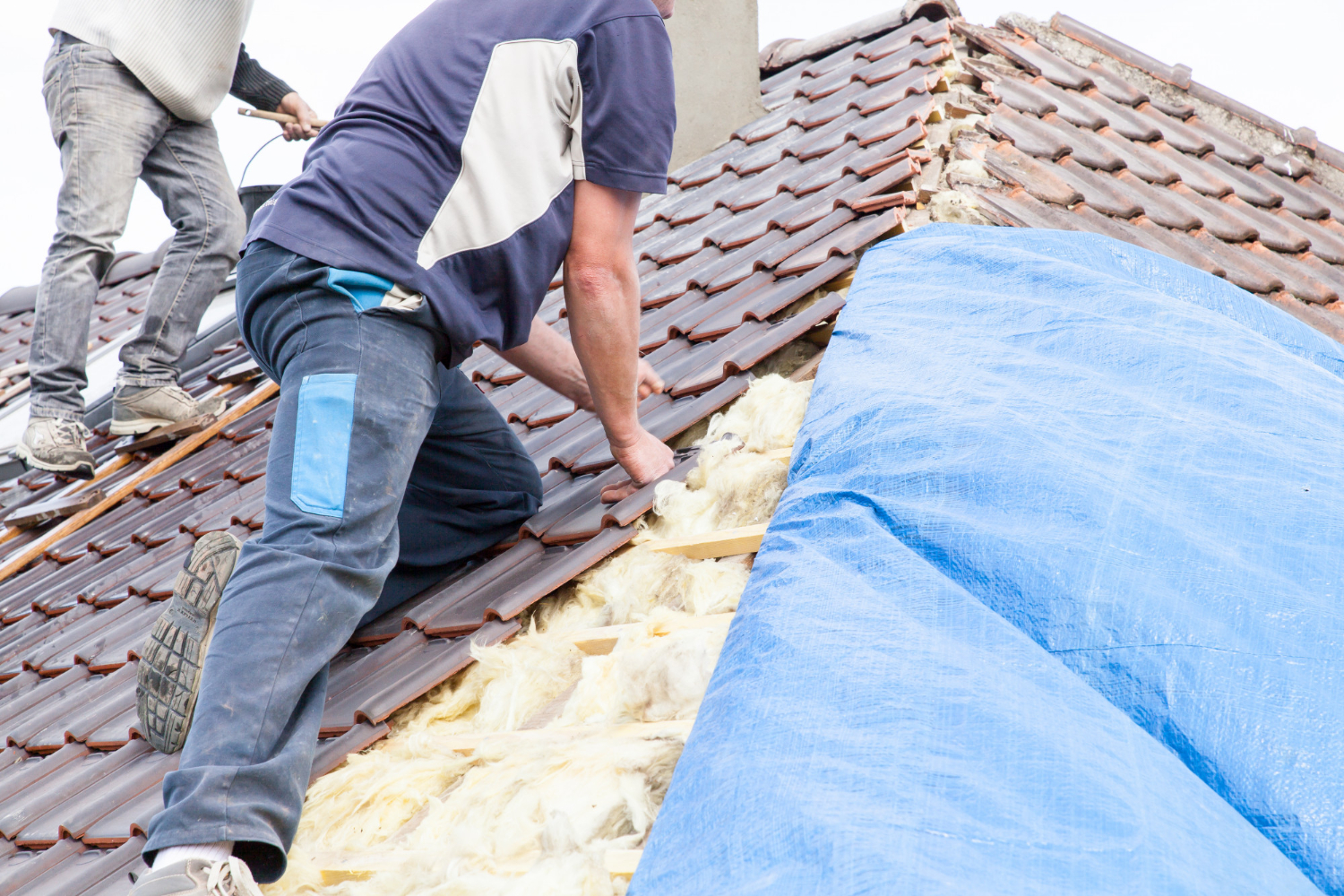
Your roof works hard to protect your building from weather, sun damage, and water leaks. Over time, even good roofs start to show wear and need help to keep performing well. Roof coating services apply a protective layer over your existing roof to seal cracks, prevent leaks, and extend the life of your roof without the cost of a full replacement.
Many building owners don't realize their roof needs attention until serious damage occurs. Small problems like minor leaks or surface wear can turn into expensive repairs if left untreated. A professional roof coating can stop these issues early and save thousands of dollars in the long run.
This guide covers everything property owners need to know about roof coating services. Readers will learn what these services include, how to tell if their roof needs coating, what the application process involves, and how to choose the right contractor for the job.
Here's what you need to know:
- What are roof coating services?
- Signs your roof may need coating
- How roof coating services are performed
- Benefits of roof coating services
- DIY vs professional roof coating services
- Maintenance tips after roof coating
- Why choose Michaelis Corp for roof coating services
Keep reading to learn more about how roof coating services protect, waterproof, and extend the life of residential and commercial roofs, plus the key factors that influence cost and ROI.
What are roof coating services?
Roof coating services apply a protective layer over existing roofs to seal damage, prevent leaks, and improve energy performance. These services work for both homes and businesses, offering different coating materials based on the roof type and building needs.
How roof coatings protect against water, UV, and weather damage
Roof coatings create a seamless barrier that stops water from entering through cracks, gaps, and worn areas. This layer of roof waterproofing fills in small holes and damaged sections that would otherwise let moisture seep into the building.
The coating reflects sunlight and UV rays away from the roof surface. This protection prevents the roof material from breaking down over time. UV damage causes roofs to crack, fade, and lose their strength, but a reflective roof coating blocks these harmful rays.
Weather protection extends to wind, rain, hail, and temperature changes. The coating expands and contracts with the roof as temperatures shift throughout the day and across seasons. This flexibility prevents the new damage that happens when materials can't adapt to changing conditions.
Types of roof coatings available
Acrylic coatings use water-based formulas that reflect sunlight well and cost less than other options. They work best in moderate climates and need reapplication every few years.
Silicone coatings handle standing water better than other types and resist UV damage effectively. These coatings last longer but cost more upfront.
Polyurethane coatings offer strong protection against physical damage like foot traffic and hail. They come in two forms: aromatic for areas without sun exposure and aliphatic for surfaces that face direct sunlight.
Elastomeric coatings stretch and flex with the roof structure, making them useful for buildings in areas with large temperature swings.
Difference between residential and commercial roof coatings
Commercial roof coating products often come in larger quantities and stronger formulas designed for flat or low-slope roofs common on warehouses, offices, and retail buildings. These coatings need to cover bigger surface areas and withstand heavier equipment loads from HVAC units and maintenance workers.
Residential roof protection typically uses lighter-weight coatings suited for sloped roofs made of asphalt shingles, tile, or metal. The application process takes less time and uses smaller amounts of material.
Commercial projects require more preparation work, specialized equipment, and longer curing times. The coatings themselves contain higher solids content for durability. Residential applications focus more on appearance and matching existing colors while still providing solid protection against the elements.
Signs your roof may need coating
A roof coating can extend the life of a roofing system and prevent costly replacements. Recognizing early warning signs helps property owners address problems before they worsen and protects the building from water damage and structural issues.
Cracks, blisters, or worn areas on the roof surface
Cracks in the roof surface allow water to penetrate the underlying layers. These openings often start small but expand over time due to temperature changes and weather exposure.
Blisters form when moisture or air gets trapped beneath the roof membrane. They appear as raised bumps on the surface. When blisters break open, they leave the roof vulnerable to water infiltration.
Worn areas show where the protective top layer has degraded. These spots typically appear lighter in color or have a rougher texture than surrounding areas. Heavy foot traffic, debris accumulation, and UV exposure cause this type of wear.
Property owners should inspect flat or low-slope roofs regularly for these surface defects. Early detection allows coating application before the damage reaches the roof deck or insulation layers.
Leaks or water stains inside the building
Water stains on ceilings indicate that moisture has penetrated the roof system. These stains often appear as discolored patches, rings, or streaks on interior surfaces.
Active leaks may only show during or after heavy rain. Some leaks travel along roof structural members before dripping into visible areas, making the actual entry point difficult to locate.
Persistent moisture problems lead to:
- Mold and mildew growth
- Damage to insulation
- Deterioration of ceiling materials
- Structural wood rot
A properly applied roof coating creates a waterproof barrier that seals existing minor leaks and prevents new ones from developing. The coating fills small gaps and creates a continuous protective layer across the roof surface.
Discoloration or faded roof material
Fading occurs when UV rays break down the pigments and protective compounds in roofing materials. The color change signals that the roof's protective qualities have diminished.
Discolored patches or streaks often indicate biological growth such as algae, moss, or mildew. These organisms retain moisture against the roof surface and accelerate material breakdown. Dark streaks on lighter roofs typically mean algae colonization.
Chalking happens when the binder in the roof material deteriorates, leaving a powdery residue on the surface. Running a hand across the roof leaves colored dust on the skin. This condition means the protective layer has weakened significantly.
Roof coatings restore the appearance while providing renewed UV protection. They also resist biological growth and create an inhospitable environment for algae and moss.
Roof age and wear over time
Most roofing systems have a service life of 15 to 30 years depending on the material type. Roofs approaching the end of their expected lifespan benefit from coating application to extend their functionality.
Granule loss on asphalt shingles exposes the underlying mat to UV damage. Bald spots or areas where the base layer shows through indicate significant wear. Metal roofs develop rust spots and fastener deterioration as they age.
Membrane roofs become brittle and lose flexibility over time. They crack more easily and pull away from seams and flashing. These age-related changes make the roof more susceptible to damage from weather events and thermal cycling.
A coating adds years of protection to aging roofs that still have sound structural integrity. It delays replacement costs and provides time to plan for future capital expenses.
How roof coating services are performed
Professional roof coating services follow a structured process that includes inspecting the roof, preparing the surface, applying the coating material, and allowing proper curing time. Each step requires attention to detail to ensure the coating bonds correctly and provides lasting protection.
Roof inspection and surface preparation
A professional contractor begins by conducting a thorough inspection of the entire roof surface. This inspection identifies existing damage, weak spots, ponding water areas, and any structural issues that need attention before coating application.
The contractor checks for signs of deterioration such as cracks, blisters, or areas where the existing roof membrane has separated. They also assess whether the roof substrate is compatible with the chosen coating material. Some coating types work better on specific roof materials than others.
Surface preparation involves removing all loose debris, dirt, and contaminants that could prevent proper adhesion. The roof must be completely dry before any coating work begins. Moisture trapped under a coating leads to premature failure and reduces the coating's effectiveness.
Cleaning and repairing damaged areas
The cleaning process removes grease, oil, algae, and other substances that interfere with coating adhesion. Contractors typically use power washing equipment to clean commercial roofs thoroughly. They may apply specialized cleaning solutions for stubborn stains or biological growth.
Once clean, all damaged areas receive repairs before coating application. Contractors fix cracks with appropriate sealants and replace severely damaged sections of roofing material. They address any seams that have separated and repair flashing around vents, pipes, and other roof penetrations.
Open seams and joints get special attention with reinforcing fabric or tape. These vulnerable areas need extra protection to prevent future leaks. The contractor ensures all repairs cure completely before moving forward with the coating application.
Applying the appropriate coating material
Contractors apply roof coatings using spray equipment, rollers, or brushes depending on the coating type and roof size. Spray application offers the most efficient coverage for large commercial roofs. Smaller areas or detail work often requires roller or brush application for better control.
The coating goes on in multiple layers to achieve the specified thickness. Most roof coating systems require at least two coats to provide adequate protection. The contractor follows the manufacturer's guidelines for application rates and drying times between coats.
Weather conditions play a critical role during application. Contractors avoid applying coatings in rain, extreme heat, or when temperatures fall below the product's minimum application temperature. Humidity levels also affect how well the coating adheres and cures.
Ensuring even coverage and proper curing
The contractor monitors coating thickness throughout the application process to ensure uniform coverage across the entire roof surface. Thin spots leave the roof vulnerable to UV damage and moisture penetration. Thick areas waste material and may not cure properly.
Proper curing time varies based on coating type, weather conditions, and temperature. Most coatings need 24 to 48 hours of dry conditions to cure fully. Some products require longer curing periods before the roof can handle foot traffic or exposure to rain.
The contractor performs a final inspection after the coating cures to verify complete coverage and proper adhesion. They check for any missed areas, thin spots, or application defects that need correction. This quality check ensures the coating system will deliver the expected protection and longevity.
Benefits of roof coating services
Roof coating services provide measurable advantages that protect your investment and reduce long-term costs. These protective layers shield roofs from weather damage while lowering energy bills and minimizing the need for expensive repairs.
Prevents leaks and water damage
Roof coatings create a waterproof barrier that stops moisture from penetrating the roof surface. This seamless membrane fills in small cracks and gaps where water typically enters.
The protective layer guards against rain, snow, and ice accumulation. Water damage often starts small but spreads quickly through roof materials, leading to rotted decking and interior damage. A quality coating blocks these entry points before they become serious problems.
Most coatings remain flexible after they dry, which allows them to move with the roof as temperatures change. This flexibility prevents the coating from cracking during expansion and contraction cycles. The result is continuous protection that maintains its effectiveness through different seasons and weather conditions.
Reflects heat to improve energy efficiency
Reflective roof coatings bounce sunlight away from the building instead of absorbing it. This reflection keeps roof temperatures significantly lower during hot weather.
A cooler roof means less heat transfers into the building below. Interior spaces stay more comfortable without overworking air conditioning systems. Property owners typically see reduced electricity bills because cooling equipment runs less often and works more efficiently.
According to the U.S. Environmental Protection Agency (EPA), increasing roof solar reflectance can cut peak cooling demand in air-conditioned residential buildings by about 11–27%.
Common energy savings from reflective coatings:
- 10-30% reduction in cooling costs
- Lower peak demand charges
- Decreased strain on HVAC systems
- More stable indoor temperatures
White and light-colored coatings offer the strongest reflective properties. These coatings can lower roof surface temperatures by 50-80 degrees compared to uncoated dark roofs on sunny days.
Per the U.S. Department of Energy (DOE), under the same conditions a reflective “cool roof” can stay more than 50°F (≈28°C) cooler than a dark roof, which reduces heat flow into the building and lowers cooling demand.
Extends the life of your roof
Roof coatings add years to a roof's functional lifespan by protecting it from UV radiation and weathering. The coating absorbs the daily wear that would otherwise degrade roofing materials.
UV rays break down roofing materials over time, causing them to become brittle and crack. A coating acts as a sacrificial layer that takes this damage instead of the roof itself. This protection is particularly valuable for flat and low-slope roofs that receive direct sunlight throughout the day.
Property owners can typically add 10-15 years to their roof's life with proper coating application. This extension delays the need for a complete roof replacement, which costs significantly more than coating services. Regular recoating every 10-15 years maintains this protection indefinitely.
Reduces maintenance and repair costs
Coating services cost less than roof replacement while addressing multiple problem areas at once. Property owners save on both immediate repair expenses and future maintenance needs.
The protective layer reduces the frequency of repairs by preventing common damage causes. Fewer leaks mean fewer emergency service calls and less disruption to daily operations. The coating also makes routine maintenance easier because debris and dirt don't adhere as strongly to the smooth surface.
Applying a coating over an existing roof eliminates tear-off and disposal fees. Labor costs stay lower because installation requires less time and fewer workers than replacement projects. These savings make coating services accessible for property owners working within tight budgets.
DIY vs professional roof coating services
Applying roof coating requires specific skills, proper materials, and safety measures that impact the coating's performance and lifespan. Homeowners who choose the wrong approach risk wasted money, roof damage, and voided warranties.
Risks of improper application
Incorrect roof coating application leads to serious problems that cost more to fix than professional installation. When someone applies coating too thin, it won't protect the roof properly. Too thick creates cracking and peeling as the material dries unevenly.
Poor surface preparation causes the most failures. The roof must be completely clean and dry before coating application. Dirt, debris, or moisture trapped under the coating prevents proper adhesion. The coating will bubble, peel, or fail within months instead of lasting years.
Weather conditions during application matter significantly. Applying coating in temperatures outside the manufacturer's range or before rain prevents proper curing. Most coatings need at least 24-48 hours of dry weather to cure correctly.
Missing spots or uneven coverage creates weak points where leaks develop. Professional applicators use specific techniques and tools to ensure complete, uniform coverage across the entire roof surface.
Importance of correct material selection and safety
Different roof types require specific coating formulations. Asphalt shingles need different products than metal, TPO, or EPDM roofs. Using the wrong coating type damages the existing roof material or fails to bond properly.
The California Energy Commission’s Energy Code requires using Cool Roof Rating Council (CRRC)–rated products and relies on aged solar reflectance and thermal emittance values to demonstrate cool roof compliance—illustrating how jurisdictions tie coating selection to performance metrics.
Working on roofs presents fall hazards that cause severe injuries or death. Professional roofers use safety harnesses, proper footwear, and scaffolding systems. They understand weight distribution and know which areas can support foot traffic safely.
Roof coatings contain chemicals that require proper handling and protective equipment. Some products need respirators, gloves, and eye protection during application. Professionals know ventilation requirements and disposal procedures for leftover materials.
Material quality varies significantly between retail and professional-grade products. Professional coatings typically have higher solids content and better UV resistance. They last longer and perform better than consumer versions available at hardware stores.
Ensuring long-lasting results and warranty compliance
Professional roof coating services include warranties covering both materials and workmanship. These warranties typically last 5-20 years depending on the coating system. DIY applications rarely qualify for manufacturer warranties because proper installation cannot be verified.
Most existing roof warranties become void when homeowners apply coatings themselves. Manufacturers and installers specify that only licensed contractors can perform roof treatments. One DIY coating attempt can cancel thousands of dollars in warranty coverage.
Professional applicators document the entire process with photos and detailed records. They measure coating thickness, record weather conditions, and note any repairs made before coating. This documentation proves proper installation if warranty claims arise later.
Proper application by trained professionals extends roof life by 10-15 years when done correctly. DIY attempts that fail waste the coating cost plus require professional removal before reapplication. The roof may also suffer additional damage that increases repair costs beyond the original professional coating price.
Maintenance tips after roof coating
A coated roof requires consistent care to maintain its protective qualities and extend its functional lifespan. Property owners should focus on routine inspections, debris removal, timely reapplication, and quick repairs to prevent small issues from becoming major problems.
Regular inspections for wear and tear
Property owners should inspect their coated roofs at least twice per year to catch potential problems early. Spring and fall are ideal times for these inspections because they come before and after the harshest weather conditions.
During each inspection, building managers should look for signs of coating deterioration such as cracks, blistering, or areas where the coating has worn thin. They should pay special attention to high-traffic zones, seams, and areas around roof penetrations like vents and HVAC units. These spots typically show wear faster than other sections.
Major service work like HVAC installations or repairs can disturb roof coatings. Inspections become necessary after such activities to identify areas that need touch-ups. Professional roof maintenance services can provide thorough assessments and identify issues that untrained eyes might miss.
Clean debris and check drainage systems
Keeping the roof surface clean directly impacts coating performance and longevity. Leaves, branches, dirt, and other debris trap moisture against the coating, which can lead to premature breakdown of the protective layer.
Property owners should remove debris regularly, especially after storms or during fall when leaves accumulate. They should use soft-bristle brooms or leaf blowers to avoid damaging the coating surface. Power washing may be appropriate in some cases but requires careful technique to prevent coating damage.
Drainage systems need equal attention. Gutters, downspouts, and roof drains must remain clear to prevent water pooling. Standing water accelerates coating degradation and creates opportunities for leaks to develop. Checking these systems during each roof cleaning ensures water flows off the roof as designed.
Reapply coatings as recommended by professionals
Roof coatings do not last forever. Most coating systems need reapplication every 10 to 20 years depending on the coating type, climate conditions, and maintenance quality.
Professional contractors can assess when recoating becomes necessary based on the current coating condition. They measure coating thickness, check for adhesion issues, and evaluate overall roof health. Following professional recommendations for recoating schedules prevents gaps in protection that could damage the underlying roof structure.
The timing of recoating matters. Applying a new coating layer before the existing one fails completely provides better protection and can be more cost-effective than waiting for significant deterioration.
Monitor for minor damages and address promptly
Small damages require immediate attention to prevent them from expanding into larger problems. Punctures, cracks, or areas where the coating has peeled back should be repaired as soon as they are discovered.
Touch-up repairs involve cleaning the damaged area, applying primer if needed, and adding fresh coating material that matches the existing system. These repairs maintain the roof's weatherproof barrier and stop substrate deterioration. Most minor repairs take minimal time and cost significantly less than addressing widespread damage later.
Property owners should document all repairs and maintenance activities. This record helps track the roof's condition over time and supports warranty claims if issues arise.
Why choose Michaelis Corp for roof coating services
Michaelis Corp brings decades of restoration and roofing expertise to every roof coating project, combining skilled technicians with proven materials and methods. Their local presence in Indianapolis since 1986 means they understand regional weather challenges and deliver dependable service for both homes and businesses.
Experienced technicians specializing in roof protection
Michaelis Corp has served the Indianapolis area since 1986 as a family-owned business. This means their team has nearly 40 years of hands-on experience working with different roof types and coating systems.
The technicians at Michaelis understand how Indiana weather affects roofs. They know which coating products work best for local climate conditions. Their experience includes working on residential homes and commercial buildings of all sizes.
Each team member receives training in proper coating application methods. They inspect roofs carefully before starting work to identify any repairs needed first. This preparation ensures the coating adheres properly and lasts longer.
The company specializes in multiple restoration services beyond coating. This broad expertise helps them spot potential problems other contractors might miss.
High-quality coating materials and application techniques
Michaelis Corp uses professional-grade coating materials designed for durability. These products provide strong protection against water damage, UV rays, and temperature changes.
The application process follows manufacturer guidelines exactly. Technicians prepare the roof surface thoroughly by cleaning and repairing damaged areas. They apply coatings at the right thickness to ensure proper coverage.
Key application steps include:
- Surface cleaning and debris removal
- Repair of cracks, holes, and damaged sections
- Primer application when needed
- Even coating distribution across all roof areas
- Quality checks throughout the process
The company works with coating systems suited for different roof materials. Whether the roof is metal, asphalt shingle, or flat membrane, they select appropriate products.
Fast, reliable service for residential and commercial roofs
Michaelis Corp offers 24/7 emergency services when urgent roof protection is needed. They respond quickly to prevent further damage from leaks or storm damage.
Their team schedules coating projects efficiently to minimize disruption. For commercial properties, they can work around business hours when possible. Residential clients receive clear timelines and updates throughout the project.
The company handles projects of different sizes. Small residential roofs and large commercial buildings both receive the same attention to detail. Their experience as a full-service contractor means they coordinate all aspects of the work smoothly.
Project timelines depend on roof size and condition, but Michaelis prioritizes completing work on schedule. They understand property owners need reliable completion dates for planning purposes.
Local expertise and customer satisfaction
Operating in Indianapolis for nearly four decades has given Michaelis Corp deep knowledge of local building codes and requirements. They handle necessary permits and ensure all work meets regional standards.
The company maintains an established reputation in the community. Their long business history demonstrates stability and commitment to quality work. Local property owners can visit completed projects and speak with past clients in the area.
Michaelis provides warranties based on the specific services and materials used. They explain coverage details clearly before starting work. As a Better Business Bureau profiled business, they maintain accountability standards.
Their team lives and works in the Indianapolis metro area. This local presence means they remain available for follow-up service or questions after project completion. Property owners work with technicians who understand neighborhood-specific concerns and building characteristics common to the region.
Conclusion
Roof coating services offer a practical solution for property owners who want to protect their investment without replacing an entire roof. These services can extend the life of a roof by several years while providing protection against weather damage.
The cost savings compared to full replacement make roof coatings an attractive option for many homeowners and business owners. The application process is faster and less disruptive than traditional roofing projects.
Energy efficiency improvements are another benefit worth considering. Reflective coatings can reduce cooling costs during warm months by keeping buildings cooler.
Not every roof is a good candidate for coating services. Roofs with significant structural damage or extensive deterioration may need replacement instead. A professional inspection can determine whether coating is the right choice.
Property owners should research qualified contractors who have experience with the specific type of coating needed. The quality of application affects how well the coating performs over time.
Roof coating services provide a middle ground between basic maintenance and complete replacement. They work best when applied to roofs in decent condition that need added protection and improved performance. The decision should be based on the specific needs of the property and the current state of the roof.
Request a roof coating assessment and estimate from Michaelis Corp to perform moisture scanning, substrate/adhesion testing, and specify the correct acrylic/silicone/polyurethane system with warranted thickness and cure schedule.



.avif)