


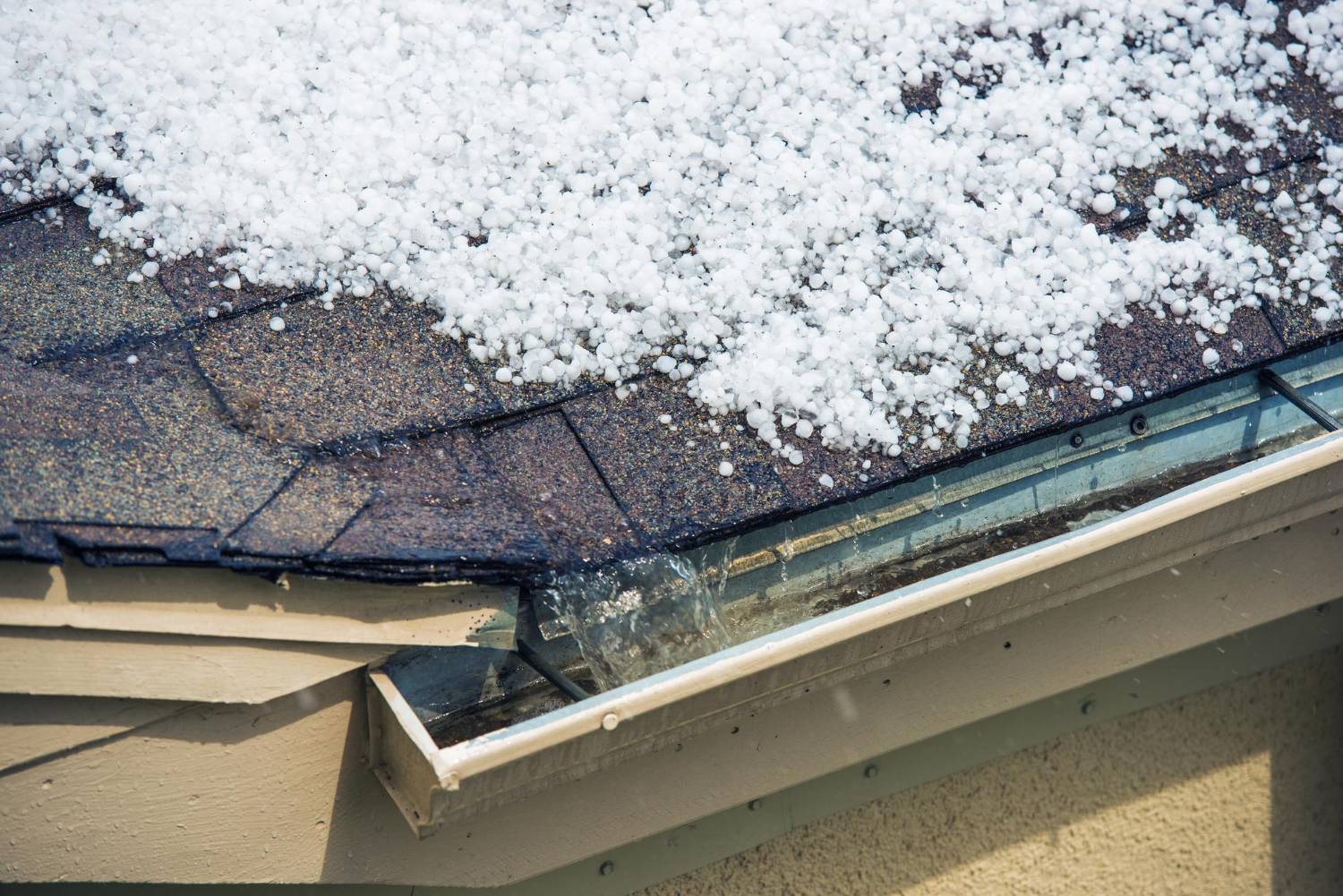
Hailstorms can strike without warning and leave your property with serious damage in just minutes. When ice balls fall from the sky, they can dent your car's hood and roof, crack your windshield, or damage your home's siding and shingles. Professional hail damage repair services help restore your property to its original condition using specialized techniques that fix dents and damage quickly and effectively.
You might notice small dents on your vehicle or missing shingles on your roof after a storm passes through your area. These signs mean you need to act fast before the damage gets worse or leads to bigger problems like rust or leaks.
This guide will walk you through everything you need to know about hail damage repair. You'll learn how to spot damage, why professional repairs matter, and what steps repair experts take to fix your property. You'll also find out how to protect your home and vehicles from future hailstorms.
Here's what you need to know:
- What is hail damage and how does it affect your property?
- Signs your property needs hail damage repair
- Why professional hail damage repair is important
- The hail damage repair process
- Benefits of hiring Michaelis Corp for hail damage repair
- Preventing future hail damage
Keep reading! Getting the right repair service makes a difference in how well your property gets fixed and how long the repairs last.
What is hail damage and how does it affect your property?
Hail damage occurs when ice pellets fall from the sky during severe thunderstorms and strike your property with enough force to cause dents, cracks, or breaks. The severity depends on the size of the hailstones, wind speed, and the materials that get hit.
Impact on roofing materials
Your roof takes the hardest hit during a hailstorm because it's directly exposed to falling ice. Asphalt shingles develop bruises where hailstones strike, which appear as dark spots where the granules have been knocked off. These damaged areas lose their protective coating and become vulnerable to UV rays and water penetration.
Metal roofs show visible denting, while clay and concrete tiles can crack or shatter on impact. Wood shakes split along the grain when large hailstones hit them. The damage might not cause immediate leaks, but it shortens your roof's lifespan significantly.
Hailstones larger than one inch in diameter typically cause the most serious problems. Smaller hail can still compromise your roof's integrity over time, especially if your shingles were already aging or weathered before the storm hit.
According to the National Weather Service (NWS), a thunderstorm is considered “severe” when it produces hail at least 1 inch in diameter (about quarter-sized) and/or winds of 58 mph or higher, which is a useful threshold for documenting storm severity during roof hail damage repair and insurance inspections.
Damage to siding, gutters, and windows
Vinyl and aluminum siding crack, dent, or puncture when hit by hail. You'll notice chips in the paint or material, especially on the sides of your home that faced the wind during the storm. Wood siding splits or shows impact marks that expose bare wood to moisture.
Your gutters and downspouts often show the clearest signs of hail damage. Dents appear along the top edges and sides where hailstones bounced off your roof and struck the metal. Gutter guards can bend or break, and the brackets holding your gutters may loosen from repeated impacts.
Windows typically resist small hail, but stones larger than two inches can crack or shatter glass. Window screens tear easily, and the frames around your windows may dent. Skylights are particularly vulnerable because of their angled position and thinner materials.
Effects on vehicles and outdoor structures
Cars parked outside during hailstorms suffer dents on hoods, roofs, and trunks. Windshields and windows can crack or break from large hailstones. Side mirrors often get knocked off or damaged beyond repair.
Your air conditioning unit's thin aluminum fins bend easily when struck by hail, reducing the system's efficiency. Outdoor furniture made from plastic or wood shows cracks and dents. Wooden decks get pockmarked, and pergolas or gazebos sustain damage to their roofing materials.
Sheds and detached garages face the same risks as your main house. Pool equipment, hot tubs, and solar panels all have vulnerable surfaces that hail can damage.
Hidden water damage risks
Small punctures and cracks in your roof let water seep into your attic and walls. You won't always see leaks immediately because water can travel along rafters and beams before showing up as stains on your ceiling.
Your attic insulation absorbs moisture from these slow leaks, which reduces its effectiveness and creates conditions for mold growth. The wooden structure of your roof can start rotting without visible signs from inside your home.
Per the U.S. EPA, drying water-damaged building materials and contents within 24–48 hours helps prevent mold growth—important when hail impacts lead to roof leaks and wet insulation, decking, or drywall.
Damaged flashing around chimneys and vents provides entry points for water. When hail damages the seal where different roofing materials meet, water finds its way through these weak spots during every rainfall following the storm.
Long-term structural concerns if untreated
Untreated hail damage allows continuous water infiltration that weakens your home's framework. Wood framing members rot, and metal fasteners corrode when exposed to persistent moisture. The structural supports in your attic can deteriorate to the point where they need complete replacement rather than simple repairs.
Your home's value decreases when hail damage goes unaddressed. Future buyers will discover the damage during inspections, and you'll face either reduced offers or demands for extensive repairs before closing.
Insurance companies have time limits for filing claims after storms. Most policies require you to report damage within one year of the storm date. Waiting too long means you'll pay for all repairs out of pocket, which can cost thousands or tens of thousands of dollars depending on the extent of damage.
Mold and mildew spread through your walls and ceilings when moisture problems persist. These conditions create health risks for your family and require expensive remediation services to eliminate safely.
Signs your property needs hail damage repair
Hail can cause damage that ranges from visible dents and cracks to hidden problems that lead to leaks and structural issues. Checking your roof, siding, and gutters after a storm helps you catch damage early before it becomes more expensive to fix.
Dents on roofing shingles or panels
Look for round indentations or dimples on your shingles after a hailstorm. These dents appear as dark spots where hail has hit the surface and compressed the material. On metal roofs, you'll see clear dings that catch the light at different angles.
The size of the dents depends on how large the hailstones were. Hail larger than one inch typically leaves visible marks. Smaller hail can still cause damage that weakens your roof over time.
Check both the flat surfaces and the edges of your shingles. Dents near the edges can cause shingles to lift or curl later. Walk around your property and look at the roof from different angles to spot problem areas.
Broken or cracked siding
Hail impact often creates cracks, chips, or holes in vinyl, wood, or fiber cement siding. You might see pieces of siding on the ground after a storm. Some cracks start small but let water seep behind the siding.
Vinyl siding shows damage as splits or punctures. Wood siding may have splintered areas or chunks missing. Fiber cement siding can chip or crack at the impact point.
Check the side of your home that faced the storm first. Hail driven by wind typically damages one or two sides more than others. Look closely at areas near corners and edges where damage is easier to spot.
Missing granules or damaged shingles
Asphalt shingles lose their protective granules when hail strikes them. You'll notice bare patches on the shingles where the granule coating has worn away. These exposed areas look smooth and dark compared to the textured surface around them.
Check your gutters and downspouts for excess granules. A large amount of granules washing off means your shingles took significant hits. Some granule loss is normal as roofs age, but sudden accumulation after a storm indicates hail damage.
Common signs of granule loss:
- Dark spots on shingles where backing shows through
- Granules collecting in gutters and at downspout exits
- Uneven coloring across the roof surface
- Shiny or smooth patches on otherwise textured shingles
Missing shingles are another clear sign. Strong hail can break the seal that holds shingles down or crack them completely. Torn or lifted shingles expose the underlayment to weather.
Leaks in the roof or attic
Water stains on your ceiling or walls signal that hail has created openings in your roof. These stains appear as brown or yellow discolored patches. Fresh leaks may show up as damp spots or dripping water during or after rain.
Go into your attic after a hailstorm to check for moisture. Look for wet insulation, water stains on the wood framing, or light coming through the roof boards. Even small amounts of water can lead to mold and rot.
Leaks don't always appear right away. Damaged shingles may let water in slowly over weeks or months. Regular attic inspections help you catch problems before they cause serious damage to your home's structure.
Damaged gutters or downspouts
Hail leaves dents and dings on metal gutters that are easy to spot from the ground. Large hail can crack vinyl gutters or knock sections loose from the fascia board. Look for bent hangers or sections that sag away from the roofline.
Check the tops of your gutters for dents. These impact marks show where hail hit directly. Downspouts may have dents on their flat surfaces or at the elbows where they bend.
Damaged gutters stop working properly. They may not drain water away from your foundation or could overflow during rain. Dents and cracks get worse over time as water freezes and expands in cold weather.
Why professional hail damage repair is important
Professional hail damage repair protects your property from long-term problems and saves you money. Trained technicians have the tools and skills to fix damage correctly, which keeps your home or building safe and maintains its value.
Prevents further water or structural damage
Hail impacts create small cracks and holes in roofing materials that let water seep into your property. Water damage starts quickly after a storm and spreads through your roof deck, insulation, and walls. Professional repair stops this process before it gets worse.
Trained technicians find both visible dents and hidden damage that you might miss. They check the underlayment and flashing for compromises that could let moisture through. These hidden problems cause rot, mold growth, and structural weakening if left unaddressed.
Storm damage repair requires specific knowledge of how different roofing materials react to hail. Metal roofs dent differently than asphalt shingles, and each needs a different repair approach. Professionals understand these differences and fix the damage in ways that restore your roof's protective barrier completely.
Ensures safety for occupants
Working on a damaged roof puts you at serious risk of falls and injuries. Professional repair teams have safety equipment and training to work at heights without accidents. They know how to navigate damaged surfaces that might collapse under weight.
Hail-damaged roofs can have weakened structural supports that aren't obvious from the ground. Technicians identify these hazards and secure the area before starting repairs. This protects everyone in and around your building during the repair process.
Storm damage can also affect electrical systems and create shock hazards near damaged areas. Professionals recognize these dangers and take proper precautions to keep your family or employees safe throughout the repair work.
Helps with insurance claims documentation
Insurance companies require detailed documentation of hail damage before they approve claims. Professional repair services provide thorough assessments that include measurements, photos, and written reports of all damage. This documentation supports your claim and helps you get fair compensation.
Technicians know what insurance adjusters look for during inspections. They can point out damage that qualifies for coverage and explain how the hail caused specific problems. Their expertise helps you avoid disputes with your insurance company.
Professional estimates include itemized costs for materials and labor that match insurance industry standards. This makes the claims process smoother and faster. Many repair companies work directly with insurance adjusters to streamline paperwork and approvals.
Provides lasting repair instead of temporary fixes
Quick DIY fixes might seem cheaper but often fail within months of application. Professional repairs use proper techniques and quality materials that last for years. Paintless dent repair and other specialized methods restore your property to its original condition without compromising structural integrity.
Experienced technicians understand how materials expand and contract with temperature changes. They apply repairs that accommodate these movements and prevent future cracking or separation. This attention to detail means you won't need repeated repairs for the same damage.
Professional warranties back up the repair work and give you protection if problems develop later. These guarantees provide peace of mind that temporary fixes can't offer. You get reliable results that stand up to future weather conditions.
Protects property value and curb appeal
Visible hail damage reduces your property's market value and makes it harder to sell. Professional repairs restore your roof and exterior to pre-storm condition, which maintains your investment value. Buyers and appraisers look closely at roof condition when evaluating properties.
Proper repairs prevent stains and discoloration that develop from water infiltration through damaged areas. These cosmetic issues signal deeper problems to potential buyers and lower perceived value. Professional work eliminates both the damage and its visual effects.
Your property's appearance affects your neighborhood's overall appeal. Well-maintained properties support stable property values for everyone nearby. Professional storm damage repair shows you take care of your investment and helps maintain community standards.
The hail damage repair process
Professional repair services follow a structured approach to restore your property after a hailstorm, starting with a detailed inspection and ending with complete restoration of damaged surfaces. Each step ensures your home receives the attention it needs while keeping your insurance claim on track.
Thorough inspection and damage assessment
A trained technician examines every part of your property that might have sustained hail impact. They check your roof for cracked, dented, or missing shingles and look at the underlayment for hidden damage. The inspector also reviews your siding for cracks and punctures, examines gutters and downspouts for dents, and checks windows and trim.
They use specific tools to measure the size and depth of impacts. This helps determine whether repairs or full replacement is necessary for each component. The assessment covers both visible damage on the surface and structural issues underneath that could cause problems later.
Your inspector creates a detailed report listing every damaged area. This document includes measurements, photos, and recommendations for the type of work needed.
Documentation for insurance purposes
The repair service photographs all damage from multiple angles to support your claim. They mark damaged areas with measurements and notes about the severity of each impact. This documentation shows your insurance adjuster exactly what needs repair.
Your contractor prepares a detailed estimate that breaks down labor costs, materials, and timeline. The estimate matches the damage assessment and includes industry-standard pricing for your area. Many repair services will meet with your insurance adjuster on-site to review the damage together.
They keep records of all communications with your insurance company. This includes copies of estimates, adjustment reports, and approval documents that confirm what repairs are covered.
Temporary mitigation if needed
If your roof has active leaks or exposed areas, the repair team installs temporary protection immediately. They place tarps over damaged sections and secure them to prevent water from entering your home. This protects your interior from additional damage while you wait for full repairs.
For damaged siding or broken windows, they may install temporary boards or covers. These measures stop weather, pests, and debris from causing more problems. Your insurance policy typically covers these emergency steps as part of your claim.
The team documents all temporary work with photos and receipts. This ensures you receive proper reimbursement from your insurance company.
Repair or replacement of roofing, siding, and gutters
Roof hail damage repair begins with removing damaged shingles and checking the underlayment and decking. If the decking is compromised, crews replace those sections before installing new materials. They install new underlayment, drip edge, and shingles according to manufacturer specifications.
Your contractor matches new materials to your existing roof as closely as possible. For severe damage, they may recommend complete replacement to ensure uniform protection and appearance. Hail impact restoration on siding follows a similar process, with damaged panels removed and replaced to match your home's style.
Gutter repairs involve removing dented sections and installing new components. The team ensures proper pitch and secure fastening so water drains correctly. All work meets local building codes and manufacturer requirements for warranties to remain valid.
Final cleanup and quality assurance
The repair crew removes all debris from your property, including old shingles, nails, and damaged materials. They use magnetic tools to pick up metal fasteners from your yard and driveway. This protects your family, pets, and vehicle tires from injury.
A final inspection confirms all work meets quality standards and contract specifications. The inspector checks that new materials are properly installed and sealed against weather. They verify that colors and styles match your home and that all damaged areas received attention.
You receive documentation of completed work, including warranties for materials and labor. The service provides final photos showing the restored condition of your property. They also give you maintenance tips to help your repairs last as long as possible.
Benefits of hiring Michaelis Corp for hail damage repair
Michaelis Corp provides complete hail damage repair with nearly 40 years of experience serving both homes and businesses. Their team handles everything from initial assessment to insurance paperwork, making the repair process simpler for property owners.
Certified and experienced restoration professionals
Michaelis Corp has been in business since 1986, giving them almost four decades of hands-on experience with hail damage repairs. The company operates as a family-owned business, which means they focus on building lasting relationships with their customers.
Their restoration professionals know how to spot all types of hail damage, including problems that aren't obvious at first glance. They work on roofs, siding, windows, and other exterior elements that hail typically damages. The team uses proper techniques to make sure repairs meet building codes and manufacturer standards.
This level of experience matters because improper repairs can lead to water leaks, structural problems, and voided warranties. You get skilled workers who understand the right way to fix hail damage the first time.
Fast response for emergency repairs
Quick action after a hailstorm prevents additional damage to your property. Michaelis Corp focuses on rapid response when severe weather hits the Indianapolis area. Their local presence means they can reach your property faster than companies based farther away.
Storm damage often creates urgent situations where your property is exposed to rain, wind, and other elements. The team works to secure your building quickly, using tarps and temporary fixes to prevent water intrusion while planning permanent repairs.
Fast response also helps with insurance claims since documentation of the damage needs to happen soon after the storm. Getting repairs started quickly reduces the total cost of restoration and gets your property back to normal faster.
Comprehensive repair for both residential and commercial properties
Your repair needs get handled whether you own a home or manage a business property. Michaelis Corp works with both residential and commercial hail damage repair projects throughout the Indianapolis metro area.
Residential services include:
- Roof replacement and repair
- Siding restoration
- Window replacement
- Gutter systems
- Exterior trim work
Commercial services cover:
- Flat and low-slope roofing systems
- Metal roofing repairs
- Large-scale siding projects
- Multiple building repairs
- Property management coordination
Commercial hail damage repair often involves different materials and larger project scales than residential work. The company handles both types of projects with equal attention to quality and detail.
Assistance with insurance claims
Dealing with insurance companies after hail damage creates stress for most property owners. Michaelis Corp helps you through the claims process from start to finish. They document damage with photos and detailed reports that insurance adjusters need to approve your claim.
The team knows what insurance companies look for when evaluating hail damage claims. They can identify all damaged areas so nothing gets missed in your claim. This prevents situations where you discover additional damage later but your claim is already closed.
Their experience working with insurance providers means fewer delays and disputes. You get support during adjuster meetings and help understanding your policy coverage.
Focus on safety, durability, and aesthetics
Repairs need to make your property safe, last for years, and look right. Michaelis Corp addresses all three areas in their repair work.
Safety comes first with proper structural repairs and secure installations that protect your building from future weather. They fix any water damage or compromised areas that hail created.
Durability means using quality materials and installation methods that stand up to Indiana weather conditions. The repairs maintain your property's value and prevent repeat problems.
Aesthetics matter because your property should look as good as it did before the storm. They match materials to your existing finishes and make sure color, texture, and style blend properly with undamaged areas.
Preventing future hail damage
Taking steps now can reduce the impact of future hailstorms on your property. The right materials, regular maintenance, and protective measures work together to shield your roof and belongings from costly damage.
Invest in impact-resistant roofing materials
Impact-resistant shingles are designed to withstand hail strikes better than standard materials. These shingles receive ratings from Class 1 to Class 4, with Class 4 offering the highest protection against hail up to 2 inches in diameter.
According to researchers at the University of Colorado Boulder, impact-resistant asphalt shingles are engineered to better resist hail-caused pits and fractures that can allow water intrusion, supporting the case for upgrading materials during hail impact restoration.
When you replace your roof, consider materials like reinforced asphalt shingles, metal roofing, or rubber slate. Metal roofs deflect hail impacts rather than absorbing them, which prevents cracks and punctures. Reinforced asphalt shingles contain a special layer that absorbs impact energy.
Your insurance company may offer discounts for installing impact-resistant materials. Check with your provider about potential premium reductions, which can offset the higher upfront cost over time.
Maintain gutters and downspouts
Clean gutters protect your roof by directing water away from vulnerable areas. When gutters fill with debris, water backs up and can seep under shingles, making existing hail damage worse.
You should clean your gutters at least twice per year, in spring and fall. Remove leaves, twigs, and other debris that blocks water flow. Check that downspouts extend at least 5 feet from your foundation.
Secure any loose gutter sections before hail season. Hail can knock loose gutters completely off your roof, causing additional damage to your siding and foundation.
Regular roof inspections
Schedule professional roof inspections at least once per year, preferably before storm season. Inspectors identify weak spots, loose shingles, and minor damage that could worsen during a hailstorm.
After any hailstorm, have your roof inspected even if you don't see obvious damage. Small dents and cracks allow water infiltration that leads to leaks and structural problems. Early detection prevents expensive repairs later.
You can perform basic checks yourself between professional inspections. Look for missing or damaged shingles, check flashing around chimneys and vents, and examine your attic for water stains or light coming through the roof.
Trim overhanging trees
Tree branches act as battering rams during hailstorms, amplifying the impact on your roof. Trim branches that hang within 10 feet of your roof to minimize this risk.
Dead or weak branches pose the greatest danger because they break easily. Have an arborist evaluate trees near your home and remove any hazardous limbs. This prevents both direct branch impacts and the combined damage of falling branches during hail.
Proper tree maintenance also reduces debris accumulation in your gutters. Fewer leaves and twigs mean better water drainage when hail melts.
Consider protective coverings for vehicles and outdoor assets
Hail doesn't just damage roofs. Your vehicles, outdoor furniture, and equipment need protection too. Park vehicles in a garage or under a carport whenever possible during storm season.
If you lack covered parking, invest in a quality hail car cover designed specifically for storm protection. These thick, padded covers absorb hail impacts and prevent dents. Keep them accessible so you can quickly cover your vehicle when severe weather threatens.
Move patio furniture, grills, and other outdoor items into your garage or shed before storms. Air conditioning units benefit from protective covers or hail guards that shield the fins from damage. These simple steps save you from replacing or repairing items after each hailstorm.
Conclusion
Hail damage repair service protects your property from long-term problems that start small but grow worse over time. When you act quickly after a storm, you prevent water leaks, structural issues, and higher repair costs down the road.
Professional technicians use specialized tools to find damage you might miss on your own. They assess both visible dents and hidden problems that could compromise your roof or vehicle's integrity. Getting an expert evaluation gives you a complete picture of what needs fixing.
Regular maintenance after repairs helps extend the life of your roof or vehicle. Simple inspections can catch minor issues before they become major expenses.
You have options whether you own a home or a car affected by hail. Professional repair services restore your property's condition and value while working within your insurance policy limits. The right technician will explain the process clearly and complete the work efficiently.
Taking action now saves you money and stress later. Hail damage rarely improves on its own and almost always gets worse when left unattended.
Request an estimate from Michaelis Corp for roof hail damage repair and storm damage repair so you can secure the exterior, stop water intrusion, and complete code-compliant restoration as quickly as possible.



.avif)