

Professional emergency board up companies offer 24/7 response to protect your property within minutes of your call, preventing additional damage that could cost thousands of dollars more to fix.
When disaster strikes your property through fire, severe weather, vandalism, or break-ins, broken windows and damaged doors leave your building exposed to further harm. Emergency board up service provides immediate protection by securing these openings with plywood or other materials to keep out weather, debris, and intruders until permanent repairs can be made.
The longer a building sits unprotected with open gaps, the greater the risk of theft, water damage, animal entry, and liability issues.
Understanding when you need emergency board up service, how professionals perform it, and why quick action matters can save you money and stress during an already difficult situation. This guide covers everything property owners need to know about securing damaged buildings fast and effectively.
Here’s what you need to know:
- Emergency board up service: Fast protection for your property
- What is emergency board up service?
- Signs you need an emergency board up
- How emergency board up service is performed
- Benefits of professional emergency board up
- DIY vs professional board up service
- How to prevent future emergencies requiring board up
- Why choose Michaelis Corp for emergency board up service
Keep reading to learn how to use emergency board up service to secure damaged openings fast, prevent additional loss, and bridge to permanent repairs.
Emergency board up service: Fast protection for your property
Emergency board up service protects homes and businesses after disasters strike. These services cover broken windows, damaged doors, and other openings to prevent further harm.
Property owners need quick protection when fire, storms, or vandalism damage their buildings. Board up services respond fast to secure exposed areas. Most companies offer 24/7 emergency response and arrive within hours of a call.
What board up services protect against:
- Weather damage from rain and wind
- Theft and vandalism
- Animal intrusion
- Additional structural damage
Residential board up service helps homeowners secure their properties during emergencies. Trained teams install plywood or other materials over broken windows and damaged entry points. They also repair walls and doors that leave homes exposed.
The service works as a temporary solution until full repairs can begin. It keeps unwanted people and animals out while protecting belongings inside. Without quick action, damaged properties face greater risks and longer recovery times.
Professional teams bring the right materials and tools to each job. They know how to board up different types of openings safely and effectively. This expertise ensures properties stay secure during the restoration process.
Speed matters when protecting damaged property. Emergency board up services respond immediately to minimize further damage. They provide safety and security when property owners need it most.
What is emergency board up service?
Emergency board up service protects properties after damage by covering broken windows, doors, and openings with strong materials like plywood. This quick response prevents weather, theft, and additional harm from affecting already damaged homes or businesses.
How board up services safeguard your home or business
Board up services create a barrier between your property and outside threats. When windows break or doors get damaged, your building becomes exposed to rain, wind, and intruders. Professional teams install plywood or other materials over these openings to stop water from entering and prevent theft.
The protection works in multiple ways. First, it keeps weather elements out, which stops mold growth and water damage. Second, it blocks unauthorized access to your property. Third, it reduces your liability risk if someone were to enter through damaged areas.
Speed matters because the longer a property stays exposed, the more damage can occur. A broken window during a rainstorm can lead to thousands of dollars in water damage within hours. Board up teams respond quickly, often within 2-4 hours of your call.
Situations requiring emergency board up
Fire damage leaves properties with broken windows, burned doors, and structural openings. Board up services secure these areas while you work with insurance and restoration teams.
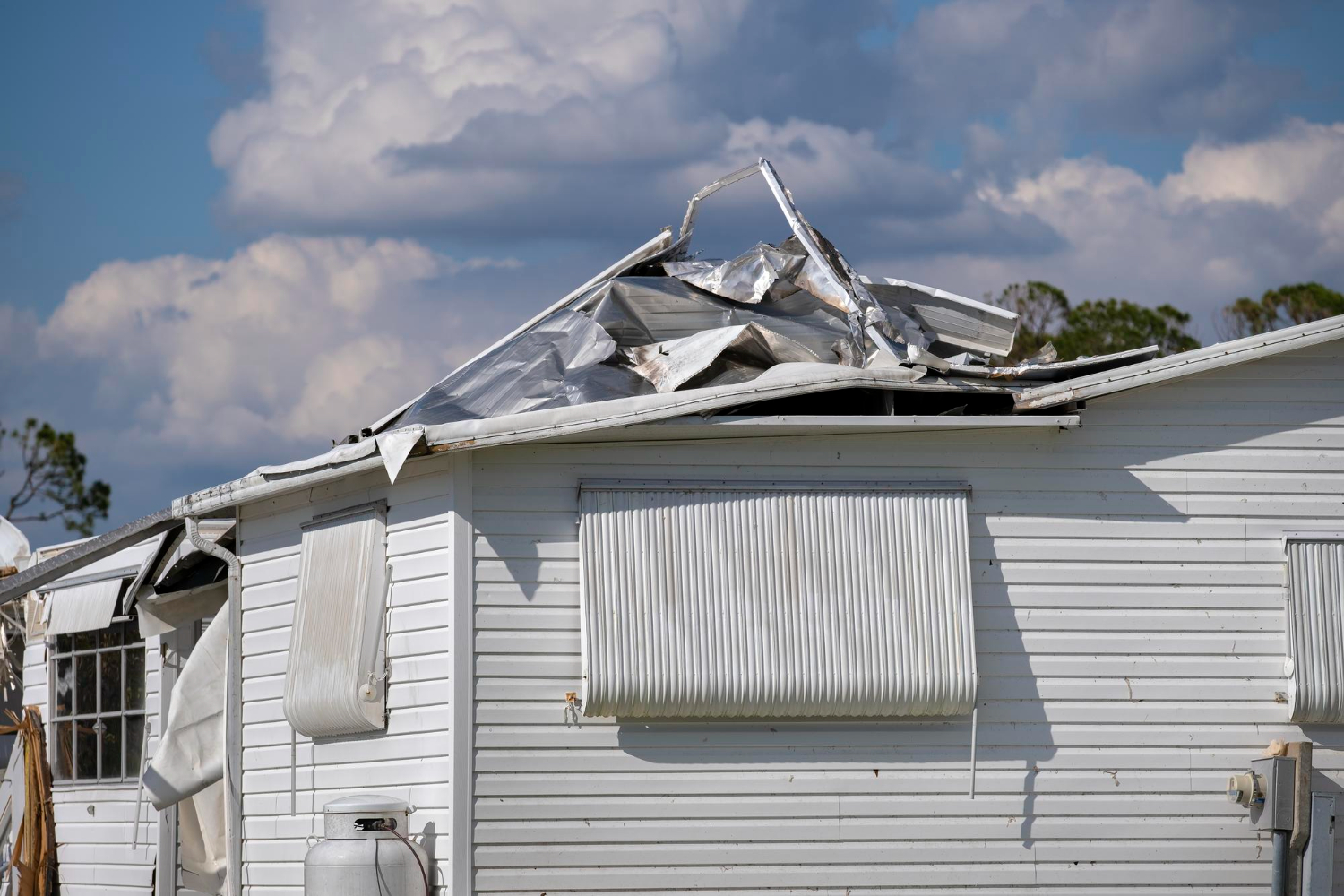
Storm damage board up becomes necessary after hurricanes, tornadoes, or severe weather breaks windows and tears off doors. Flying debris often creates multiple openings that need immediate coverage.
Break-ins and vandalism leave shattered glass and damaged entry points. Quick boarding prevents repeat incidents and protects your belongings.
Accidents like vehicle impacts or fallen trees can destroy walls and windows. Emergency teams secure the damage until permanent repairs begin.
Each situation needs a different approach based on the damage type and location.
Materials and methods used for temporary protection
Plywood remains the most common material for board up work. Teams use ¾-inch plywood sheets because they provide strength while staying easy to work with. They cut pieces to fit each opening and secure them with screws or bolts.
Steel panels offer stronger protection for high-risk areas or properties that need coverage for longer periods. These cost more but resist tampering better than wood.
The installation process involves measuring each opening, cutting materials to size, and fastening them securely to the frame or surrounding structure. Professional teams use proper techniques to avoid additional damage to your property. They also ensure the boards stay in place during wind and rain.
Some services include plastic sheeting or tarps for roof damage, especially when storm damage board up requires protecting large areas quickly.
Signs you need an emergency board up
Property owners should watch for specific damage types that require immediate boarding up services. Broken openings leave buildings exposed to weather, theft, and additional structural problems.
Broken windows or doors after storms or accidents
Storm damage creates urgent security risks when windows shatter or doors break from high winds and flying debris. Heavy rain can pour through these openings and damage floors, walls, and belongings within hours.
Per FEMA, doors and windows are common failure points in severe winds; protecting these openings (e.g., shutters/impact-rated glazing) helps prevent wind-driven rain and debris from causing major interior damage.
Accidents involving vehicles or falling trees often leave gaping holes in exterior walls. These openings expose the interior to outside elements and make the property an easy target for unauthorized entry.
Property owners need to act within the first 24 hours after damage occurs. Water damage spreads quickly through drywall and insulation. According to the CDC, clean and dry wet materials within 24–48 hours to prevent mold growth after water intrusion.
Common storm damage requiring board up:
- Shattered glass from hail or wind pressure
- Doors blown off hinges
- Window frames torn from walls
- Large holes in siding or exterior walls
Fire or vandalism damage
Fire damage often destroys windows, doors, and sections of walls even after firefighters extinguish the flames. The structure becomes vulnerable to weather and trespassers who might steal salvageable items or cause additional harm.
Smoke and water from firefighting efforts already compromise the building. Open areas let in rain that can ruin undamaged sections and make restoration more expensive.
Vandalism creates similar problems when criminals break windows or kick in doors. Graffiti artists and burglars leave properties exposed after forcing entry. The damaged areas signal to others that the building lacks security.
Board up services prevent repeat incidents by blocking easy access points. Professional boarding also shows that someone monitors and protects the property.
Unsecured openings after forced entry
Break-ins leave doors damaged or completely removed from frames. Criminals often break door jambs, locks, and hinges when forcing entry. Windows get smashed during burglaries or attempted break-ins.
These compromised entry points must be secured immediately. Insurance companies typically require property owners to prevent further loss after initial damage occurs. Failing to board up openings could affect claim coverage.
The property remains an attractive target until openings are secured. Other criminals notice unsecured buildings and may enter to steal remaining valuables or use the space for illegal activities.
Structural damage exposing your property to the elements
Severe weather or accidents sometimes create holes in roofs or exterior walls without affecting windows and doors. These openings still need emergency boarding to prevent water intrusion and heat loss.
Fallen tree limbs can puncture roofs and create openings that let rain pour directly into living spaces or storage areas. Wind can peel back sections of roofing material and expose the interior structure.
Structural damage requires assessment by professionals, but temporary boarding protects the property until permanent repairs begin. Tarps alone often fail in high winds or heavy rain. Plywood backing provides stronger protection for larger openings.
Building code violations occur when properties remain open to weather. Local authorities may issue citations or condemnation notices if owners don't secure damaged structures promptly.
How emergency board up service is performed
Professional board up teams follow a clear process to protect damaged properties quickly. They assess the damage, install secure materials, seal openings against weather and intruders, and work with insurance companies when needed.
Assessing the damage and securing vulnerable areas
The first step involves a thorough inspection of the property to identify all exposed areas. Technicians examine broken windows, damaged doors, compromised walls, and roof openings to determine what needs immediate attention.
They prioritize the most vulnerable spots based on security risks and weather exposure. Entry points at ground level receive urgent focus since they allow easy access for intruders. Large openings that expose the interior to rain, wind, or debris also rank high on the priority list.
The team measures each opening to prepare the right materials. They document the damage with photos and notes for insurance purposes. This assessment typically takes 15 to 30 minutes depending on the extent of damage.
Ready Gov advises documenting disaster damage with photos and itemized lists—and saving receipts—for insurance claims processing.
Safety hazards like broken glass, unstable structures, or electrical issues get addressed before board up work begins. The crew clears debris from work areas and ensures stable access to damaged sections.
Installing temporary boards or panels
Trained technicians use plywood sheets, oriented strand board (OSB), or specialized security panels to cover openings. These materials provide strong temporary property security against weather and unauthorized entry.
Common materials used:
- 3/4-inch plywood for standard windows and doors
- Heavy-duty OSB for larger openings
- Steel security panels for high-risk properties
- Weather-resistant sheeting for extended protection
Workers cut boards to fit each opening precisely. They secure them from the inside when possible to prevent easy removal from outside. Screws or bolts provide stronger holds than nails for temporary installations.
The team reinforces weak points around frames and edges. They ensure boards sit flush against surfaces to eliminate gaps. Each panel gets anchored at multiple points to withstand wind pressure and tampering attempts.
Sealing and protecting against weather and intruders
After boards are installed, crews seal all gaps and edges to keep out rain, snow, and wind. They apply weather-resistant caulk or foam around the perimeter of each board.
Plastic sheeting or tarps cover damaged roof sections before boarding when needed. This creates a waterproof barrier that protects interior spaces from moisture damage. The team secures these materials with battens and fasteners rated for outdoor use.
Additional security measures include reinforced locks on remaining functional doors and securing basement or crawl space access points. Some services install temporary motion-sensor lights or alarm systems for high-value properties.
The crew conducts a final walk-through to verify all vulnerable areas are properly sealed. They test the stability of each board and check for any remaining gaps or weak spots.
Coordinating with insurance or restoration teams if needed
Professional board up services document their work for insurance claims. They provide detailed reports with photos, measurements, and itemized costs for materials and labor.
The team communicates directly with insurance adjusters when requested. They can remain on-site during insurance inspections to answer questions about the emergency measures taken. This coordination helps speed up claim processing.
Many board up companies work alongside restoration contractors. They share information about the extent of damage and security measures in place. This ensures a smooth transition from emergency protection to permanent repairs.
The service provides property owners with contact information and documentation packets. These include receipts, warranty information for materials used, and recommendations for next steps. They also offer monitoring services or periodic checks until permanent repairs begin.
Benefits of professional emergency board up
Professional emergency board up services protect properties from additional harm while owners arrange permanent repairs. These services address structural vulnerabilities, security risks, weather exposure, and insurance requirements.
Prevents further structural damage
Exposed openings in a building create pathways for water, wind, and debris to enter and cause more destruction. Rain can seep into walls and floors, leading to rot, mold growth, and weakened foundations. Professional board up repair seals these vulnerable areas quickly to stop the damage from spreading.
Unsecured windows and doors also leave interior spaces exposed to the elements. When professionals install sturdy plywood or other materials over damaged areas, they create a barrier that maintains structural integrity. This protection is especially important after fires, storms, or accidents that compromise a building's envelope.
Commercial property protection often requires specialized techniques and materials. Professionals understand how to reinforce large openings and handle complex structural situations that standard boarding methods cannot address.
Protects against theft or vandalism
Empty or damaged properties become easy targets for break-ins and vandalism. Criminals look for buildings with visible damage because they know security is compromised. Board up services eliminate these opportunities by covering all entry points.
Professional installations use secure fastening methods that are difficult to remove without proper tools. This deters casual trespassers and reduces the risk of squatters moving into vacant spaces. The physical barrier also prevents curious individuals from entering dangerous areas.
Commercial properties face higher risks due to valuable equipment and inventory inside. A professional board up service provides the level of security needed to protect business assets until permanent repairs begin.
Keeps your property safe from weather exposure
Open windows, doors, and roof sections allow rain, snow, and wind to damage interior spaces. Water exposure ruins flooring, furniture, electronics, and personal belongings. Professional boarding creates a weatherproof seal that keeps moisture out.
Temperature control also becomes impossible when a building's exterior is compromised. Extreme heat or cold can damage HVAC systems, plumbing, and stored items. Proper board up installation maintains a more stable interior environment.
Weather protection is particularly critical during the time between initial damage and full restoration. This period can last weeks or months, making temporary weather barriers essential.
Allows time for professional repairs and insurance processing
Insurance claims require documentation, inspections, and approvals before repairs can start. This process takes time, and properties need protection while owners work through these steps. Board up services provide secure temporary coverage during this waiting period.
Professional boarding also meets insurance requirements for securing damaged properties. Many policies require owners to take reasonable steps to prevent additional damage. Proper board up services demonstrate compliance with these obligations.
The temporary protection gives property owners time to research contractors, compare estimates, and make informed decisions about repairs. They can focus on the restoration process without worrying about ongoing damage or security threats.
DIY vs professional board up service
Attempting to board up a damaged property without proper training creates risks that often cost more than hiring professionals from the start. Professional services provide materials, installation methods, and documentation that protect both the property and the owner's interests.
Risks of improper boarding or unsafe installation
Economy plywood warps within hours when exposed to moisture. This leaves gaps that allow rain, wind, and intruders to enter the property.
Over-tightened screws crack window frames and door jambs. These mistakes create additional repair costs that exceed the price of professional installation. Loose boards fall off during storms and become dangerous projectiles.
Common DIY mistakes include:
- Using incorrect fastener lengths that damage structural components
- Failing to cover the entire opening, leaving vulnerable gaps
- Installing boards without proper backing support
- Missing hidden damage that needs immediate attention
Improper installation also destroys forensic evidence at crime scenes. Police investigations require specific documentation of damage before boarding begins. DIY efforts often remove or cover evidence that insurance companies and law enforcement need.
Ensuring secure, durable protection
Professional crews use marine-grade plywood rated for weather exposure. This material resists warping and maintains its structural integrity during extended coverage periods.
Torque-calibrated tools prevent frame damage while creating secure attachments. Technicians assess each opening individually to determine the correct fastener type, length, and placement pattern. They install backing supports that distribute pressure evenly across the structure.
Professional teams identify and address hidden vulnerabilities. Water infiltration, compromised structural members, and secondary damage points get documented and secured. This prevents additional damage during the restoration waiting period.
Compliance with local codes and insurance requirements
Building codes specify minimum standards for emergency board up installations. Violations result in fines that range from hundreds to thousands of dollars depending on jurisdiction.
Insurance claims require proper documentation of the original damage. Professional services photograph conditions before installation and create detailed reports. They provide certificates of compliance that insurance adjusters need to process claims.
Licensed contractors carry liability insurance that protects property owners. DIY installations void certain insurance coverages if additional damage occurs. Professional services also provide 24/7 follow-up support if boards fail or new issues develop.
How to prevent future emergencies requiring board up
Property owners can avoid many emergency board up situations through regular upkeep, strategic upgrades, and advance planning. Taking these steps reduces the risk of damage from storms, break-ins, and other hazards.
Regular maintenance and inspections
Property owners should inspect their buildings at least twice a year to identify potential vulnerabilities. This includes checking windows for cracks, examining door frames for rot or weakness, and testing locks for proper function.
Roof inspections are critical because damaged shingles or loose flashing can lead to water intrusion during storms. Property owners should look for missing tiles, damaged seals around vents, and debris in gutters that could cause water backup.
Exterior walls need attention too. Cracks in siding or masonry allow moisture to enter and weaken structural integrity. Wood trim around windows and doors should be checked for signs of decay or pest damage.
Trees and landscaping require evaluation for hazards. Dead branches hanging over the property pose a risk during high winds. Property owners should trim trees regularly and remove any that are diseased or leaning toward the building.
Installing storm shutters or reinforced doors
Storm shutters provide immediate protection when severe weather threatens a property. Roll-down shutters offer convenience since they deploy quickly without requiring storage space. Accordion-style shutters fold against the building when not in use and extend across windows during storms.
Impact-resistant doors resist forced entry and withstand flying debris during hurricanes or tornadoes. These doors feature reinforced frames and multiple locking points that make them significantly stronger than standard doors.
Window film adds a protective layer to existing glass. While not as strong as shutters, security film holds shattered glass in place and makes windows harder to break. This option works well for properties where shutters are not practical due to appearance concerns or budget constraints.
Securing weak points in commercial or residential properties
Ground-level windows and basement entries are common targets for break-ins and storm damage. Property owners should install window bars or security screens on these vulnerable points. These additions allow ventilation while preventing unauthorized access.
Garage doors need reinforcement because they often have the largest openings in a building. Horizontal bracing kits strengthen garage doors against high winds. Property owners can also install side locks that secure the door at multiple points along the track.
Sliding glass doors require special attention since they offer minimal security with standard locks. A security bar placed in the track prevents the door from sliding open. Homeowners should also install anti-lift devices that prevent the door from being lifted off its track.
Emergency preparedness planning
Property owners need a written plan that outlines specific actions to take when threats arise. This plan should include contact information for board up services, insurance agents, and emergency responders. The document should list all property access points and note which areas need priority protection.
Supply kits kept on-site enable quick response to minor emergencies. These kits should contain plywood sheets, screws, a drill, work gloves, and flashlights. Commercial properties benefit from having enough materials to secure multiple openings without waiting for deliveries.
Property managers should train staff or family members on basic securing procedures. This includes knowing how to shut off utilities, operate storm shutters, and identify which items to move away from windows. Practice drills help everyone respond quickly when actual emergencies occur.
Why choose Michaelis Corp for emergency board up service
Michaelis Corp delivers fast, professional board up services around the clock to protect properties when they need it most. Their team combines quick response times with quality materials and local expertise to secure homes and businesses effectively.
Fast response and 24/7 availability
Michaelis Corp operates 24 hours a day, seven days a week to handle emergency board up needs. Their team understands that property damage from fires, storms, or vandalism can happen at any time and requires immediate attention.
The company keeps emergency crews ready to respond quickly when property owners call. This rapid response helps prevent additional damage from weather, theft, or unauthorized entry. Every hour a property stays exposed increases the risk of more problems.
Property owners in Indianapolis can reach Michaelis Corp any time of day or night. The company dispatches trained technicians who arrive prepared with the right tools and materials to secure the property right away.
Experienced technicians for residential and commercial properties
Michaelis Corp employs trained professionals who know how to handle different types of properties and damage situations. Their technicians work on both homes and businesses, adapting their approach based on the specific needs of each building.
The team has handled board up projects for various scenarios. They secure broken windows, damaged doors, compromised roofs, and other vulnerable openings. Each technician understands the proper techniques to protect different building materials and structures.
Commercial properties often require special attention due to their size and complexity. Michaelis Corp's experience with business locations means they can efficiently secure storefronts, warehouses, and office buildings. They also work carefully on residential properties to protect families and their belongings.
High-quality materials and professional installation
The company uses durable materials designed to withstand weather conditions and prevent unauthorized access. Their boards and fasteners create strong barriers that hold up until permanent repairs begin.
Michaelis Corp follows industry-approved methods when securing properties. This means boards are properly measured, cut, and installed to cover all exposed areas completely. The team reinforces vulnerable spots to provide maximum protection.
Professional installation matters because poorly secured boards can fail during storms or when someone tries to enter the property. Their technicians make sure every board stays in place and provides real security.
Trusted local service with proven results
Michaelis Corp serves the Indianapolis area as a local provider that understands the community's needs. Their reputation comes from consistently protecting properties and helping families and businesses recover after damage.
The company works directly with property owners and insurance companies throughout the process. This local presence means they can explain their work, answer questions, and provide follow-up service when needed. They stay involved until the property moves forward to permanent repairs.
Conclusion
Emergency board up services protect properties when disaster strikes. They stop further damage from happening and keep buildings secure until repairs can be made.
Acting fast makes a big difference. The longer a property stays exposed, the more damage occurs. Professional services respond quickly and use proper materials to secure openings.
These services work for both homes and businesses. Property owners face many threats after storms, fires, or break-ins. Board up services create a barrier that keeps out rain, wind, animals, and unauthorized people.
The service provides temporary protection while permanent repairs get planned and completed. This allows property owners to focus on insurance claims and restoration plans without worrying about additional damage.
Having a reliable service provider identified before an emergency happens helps. Property owners can save time during stressful situations by knowing who to call. Emergency board up services serve as a critical first step in the property restoration process.
Call Michaelis Corp now for 24/7 emergency board up service, we’ll dispatch a crew to secure openings to code, weather-seal vulnerable areas, and document the damage for your insurance claim.



.avif)