

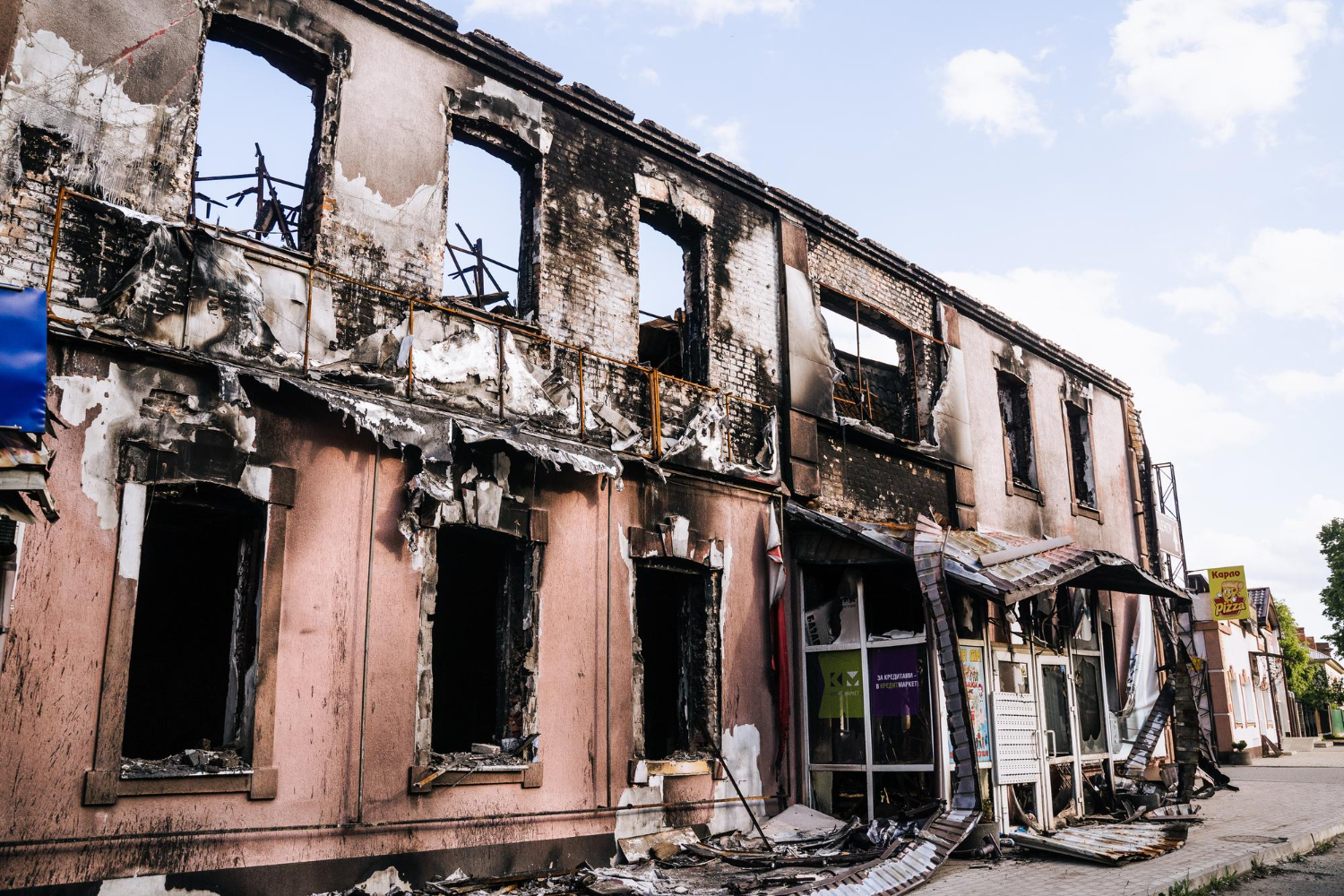
A fire at your business can shut down operations and cause serious damage in minutes. Commercial fire damage restoration services help you clean up smoke and soot, repair structural damage, and get your business running again as quickly as possible. These professional teams work 24/7 to handle everything from the initial assessment to final repairs.
According to the U.S. Fire Administration (USFA), 2023 national estimates show about 110,000 nonresidential building fires with roughly $3.16 billion in dollar loss and about 1,200 injuries, underscoring how quickly commercial fire events create high-impact losses.
The restoration process goes beyond just cleaning up visible damage. Fire leaves behind smoke residue, water damage from firefighting efforts, and hidden structural issues that can affect your building's safety. Professional restoration companies have the tools and training to address all these problems correctly.
This guide covers the causes of commercial fires, warning signs that you need professional help, and what to expect during the restoration process. You'll also learn how to prevent future fire damage and protect your business.
Here's what you need to know:
- What is commercial fire damage restoration?
- Common causes of commercial fire damage
- Signs your business needs professional fire damage restoration
- The commercial fire damage restoration process
- Benefits of hiring Michaelis Corp for fire damage restoration
- Preventing future fire damage in your business
Keep reading! Understanding what commercial fire damage restoration involves can help you make fast decisions when disaster strikes.
What is commercial fire damage restoration?
Commercial fire damage restoration involves cleaning, repairing, and rebuilding your business property after a fire. This process addresses not only the visible damage from flames but also hidden problems like smoke contamination, water damage from firefighting efforts, and structural weaknesses.
Complete repair and restoration of commercial properties
Commercial fire damage restoration brings your business property back to its pre-fire condition through a structured approach. Restoration teams evaluate every part of your building, from the foundation to the roof, to identify all damage.
The process starts with securing your property to prevent further damage or unauthorized access. Teams then remove debris, damaged materials, and contaminated items that cannot be salvaged. This work follows specific safety protocols to protect workers and future occupants.
Restoration professionals coordinate multiple services under one project plan. They handle everything from initial cleanup to final inspections. This unified approach saves you time and reduces the stress of managing multiple contractors.
The goal is to return your property to a safe, functional state. Your business can resume operations once all repairs meet building codes and safety standards.
Fire and smoke damage removal
Smoke damage often causes more widespread problems than the fire itself. Smoke particles penetrate walls, ceilings, air ducts, and furniture. These particles create persistent odors and can corrode surfaces over time.
Restoration teams use specialized equipment to remove smoke residue from all affected surfaces. Different types of smoke require different cleaning methods. Protein-based smoke needs different treatment than synthetic smoke damage.
According to the U.S. EPA, a HEPA filter is defined to capture at least 99.97% of airborne particles at 0.3 microns, which is why HEPA filtration is a core control for reducing lingering smoke/soot particles during cleanup.
Common smoke removal techniques include:
- Air scrubbers and HEPA filters to clean airborne particles
- Thermal fogging to neutralize odors
- Chemical sponges for dry cleaning surfaces
- Specialized cleaners for different material types
Soot removal requires careful attention. Some surfaces need gentle dry cleaning while others can handle wet cleaning methods. Your walls, electronics, and HVAC system all need different cleaning approaches.
Professional teams also deodorize your entire property. This step removes lingering smoke smells that regular cleaning cannot eliminate.
Structural repairs and rebuilding
Fire weakens your building's structural components even when damage appears minor. Heat compromises steel beams, wooden supports, and concrete foundations. Restoration teams assess the integrity of all load-bearing elements.
Engineers inspect your property to determine which structural components need repair or replacement. They check for warped beams, cracked concrete, and weakened floor joists. This assessment ensures your building remains safe for occupancy.
Major structural work may involve replacing entire sections of your building. This includes roof structures, floor systems, and wall frameworks. Contractors follow current building codes during all reconstruction work.
Your property may need permits for structural repairs. Restoration companies typically handle permit applications and coordinate with local building departments. They ensure all work passes required inspections.
Water and mold damage mitigation after firefighting
Firefighting efforts often leave your property saturated with thousands of gallons of water. This water seeps into walls, floors, and hidden spaces where it creates ideal conditions for mold growth.
Water extraction begins within hours of the fire being extinguished. Restoration teams use pumps and vacuums to remove standing water. They then place industrial dehumidifiers and air movers throughout your property.
Materials that remain wet for 24-48 hours become vulnerable to mold contamination. Quick drying prevents mold from taking hold. Teams monitor moisture levels in walls, floors, and ceilings using specialized meters.
Per the U.S. EPA, water-damaged areas and items should be dried within 24–48 hours to help prevent mold growth—making rapid water extraction and structural drying a priority after firefighting efforts.
Mold remediation becomes necessary if growth has already started. Professionals remove contaminated materials and treat affected areas with antimicrobial solutions. They also identify and fix moisture sources to prevent future mold problems.
Safety and compliance inspections
Your property must pass multiple safety inspections before you can reopen for business. Fire damage restoration includes ensuring your building meets all current safety codes and regulations.
Inspectors check electrical systems for fire damage and proper functionality. They examine plumbing systems for leaks and contamination. HVAC systems receive thorough cleaning and testing to ensure they distribute clean air.
Key inspection areas include:
System
Inspection Focus
Electrical
Wiring integrity, panel damage, outlet safety
Plumbing
Pipe damage, water quality, fixture operation
HVAC
Duct contamination, system operation, air quality
Fire Safety
Sprinkler systems, alarms, emergency exits
Your property needs a certificate of occupancy before reopening. This certificate confirms your building meets all safety standards. Restoration companies work with inspectors to address any issues that arise during inspections.
Documentation of all repairs and inspections becomes part of your property records. This paperwork is important for insurance claims and future property transactions.
Common causes of commercial fire damage
Commercial fires start from various sources, ranging from faulty electrical systems to intentional acts. Understanding these causes helps you identify risks in your building and take steps to prevent fires before they happen.
Electrical malfunctions and appliance fires
Electrical problems cause a large portion of commercial fires. Outdated wiring, overloaded circuits, and damaged electrical panels create dangerous conditions that can spark fires without warning. Many older buildings have electrical systems that weren't designed to handle modern power demands.
Faulty appliances and equipment also pose serious risks. Space heaters, coffee makers, computers, and other office equipment can overheat or short circuit. Extension cords that carry too much power or frayed wiring on devices become fire hazards.
Regular electrical inspections catch problems before they turn into emergencies. You should replace old wiring, avoid overloading outlets, and ensure all equipment meets safety standards. Never ignore flickering lights, burning smells, or frequently tripped breakers—these signs indicate electrical issues that need immediate attention.
Kitchen or cooking-related fires
Commercial kitchens present significant fire risks due to open flames, hot surfaces, and grease buildup. Unattended cooking equipment is the leading cause of kitchen fires in restaurants, cafeterias, and break rooms. A pot left on a hot stove or food burning in an oven can quickly ignite.
Grease fires spread rapidly and require special handling. Water makes grease fires worse, so you need proper fire suppression systems designed for commercial kitchens. Grease accumulation in exhaust hoods and ducts creates a dangerous fuel source that can carry flames throughout your building.
Your staff needs proper training on fire safety and cooking procedures. Clean exhaust systems regularly and install automatic fire suppression systems above cooking equipment. Keep fire extinguishers rated for grease fires within easy reach of all cooking areas.
Arson or accidental fires
Arson accounts for a notable percentage of commercial fires. Disgruntled employees, vandals, or criminals targeting businesses for financial gain deliberately set these fires. Poor lighting, unsecured entry points, and areas hidden from view make buildings vulnerable to arson.
Accidental fires from human error also occur frequently. Smoking in restricted areas, improperly discarded cigarettes, and careless handling of flammable materials start fires that could have been prevented. Construction work involving torches or heat-producing tools creates additional risks.
Security measures reduce arson risks. Install adequate lighting around your building's exterior, use security cameras, and control access to your property. Establish clear policies about smoking areas and proper disposal of smoking materials. Keep flammable materials stored correctly and away from heat sources.
Industrial or chemical-related fires
Manufacturing facilities, warehouses, and industrial properties face unique fire hazards. Combustible dust from materials like wood, metal, or grain can explode when ignited. Chemical reactions, improperly stored flammable liquids, and hot work operations create dangerous conditions.
Industrial equipment generates heat and sparks during normal operation. Welding, grinding, and cutting produce sparks that can ignite nearby combustible materials. Poor ventilation allows flammable vapors to accumulate to dangerous levels.
You must follow strict storage guidelines for all hazardous materials. Maintain proper ventilation in areas where flammable vapors are present. Implement hot work permits that require fire watches and area inspections. Train employees on the specific fire risks associated with your industry and materials.
Fire spreading from neighboring properties
Your building can suffer fire damage even if the fire starts elsewhere. Fires in adjacent buildings spread through shared walls, roofs, or exterior openings. Dense commercial districts with buildings close together face higher risks of fire spread.
Flying embers from nearby fires can land on your roof or enter through vents. Radiant heat from a large fire in a neighboring structure can ignite your building's exterior materials. Shared attics or connected structures provide pathways for fire to travel between properties.
Maintain adequate fire-resistant barriers between your building and neighboring structures. Keep your roof and exterior clear of debris that could catch fire from embers. Install and maintain fire walls and fire-rated doors in shared spaces. Work with neighboring businesses to ensure everyone follows fire safety practices.
Signs your business needs professional fire damage restoration
After a fire, some damage is obvious while other problems hide beneath the surface. Knowing what to look for helps you decide when to call restoration experts and protect your property from further harm.
Soot and smoke stains on walls, ceilings, and surfaces
Soot leaves dark, greasy marks on walls, ceilings, and other surfaces throughout your building. These stains don't wipe away easily because soot contains oils and chemicals that bond to materials. You'll often see discoloration around vents, doorways, and in rooms far from where the fire started.
Smoke residue spreads through your HVAC system and travels to areas that weren't directly burned. The stains can appear yellow, brown, or black depending on what materials burned. If you notice these marks on painted walls, metal fixtures, or wood surfaces, you need professional cleaning methods to remove them properly.
Trying to clean soot yourself can spread it deeper into porous materials. Professional restoration teams use special equipment and cleaning agents designed for different surface types. They know which products work on drywall versus metal or glass without causing additional damage.
Water damage from firefighting efforts
Firefighters use thousands of gallons of water to put out flames, which creates a secondary damage problem. Water soaks into floors, walls, insulation, and furnishings, where it can cause warping, swelling, and deterioration. You might see pooled water, wet carpets, or water stains on ceilings below affected areas.
Moisture hidden inside walls and under floors causes problems you can't immediately see. Building materials like drywall and wood studs absorb water and lose their structural strength. Electrical systems exposed to water become safety hazards that require inspection before you can safely occupy the space.
Quick water removal prevents additional damage to your property. Professional restoration services extract standing water and use industrial dryers to remove moisture from materials. They also measure moisture levels in walls and floors to ensure everything dries completely.
Structural damage or weakened building materials
Fire weakens the structural components that hold your building together. Wooden beams, support posts, and roof trusses lose strength when exposed to high heat, even if they don't fully burn. Metal beams can bend or warp under extreme temperatures, compromising their ability to support weight.
You might notice sagging ceilings, cracked walls, or floors that feel unstable underfoot. These signs indicate that load-bearing elements need inspection and possible replacement. Continuing to use a building with compromised structure puts everyone inside at risk.
Professional restoration companies bring in structural engineers to assess damage you can't evaluate yourself. They determine which materials need replacement and which can be safely repaired. This assessment protects your investment and ensures your building meets safety codes.
Lingering smoke odors or air quality concerns
Smoke smell that stays after a fire means particles are embedded in your building materials and ventilation system. The odor comes from burned materials like plastic, rubber, and synthetic fabrics that release harmful chemicals. These particles settle into carpets, upholstery, drywall, and ductwork where they continue releasing odors.
Poor air quality after a fire causes headaches, respiratory irritation, and other health problems for your employees and customers. Standard cleaning and air fresheners mask the smell temporarily but don't remove the source. The contamination stays in your building and affects indoor air quality long-term.
Professional restoration includes air scrubbing equipment and specialized deodorization techniques. Technicians clean or replace air ducts, treat affected surfaces with enzyme cleaners, and use thermal fogging or ozone treatments. These methods eliminate odor-causing particles instead of covering them up.
Mold or contamination risk after fire suppression
Mold starts growing within 24 to 48 hours after water exposure from firefighting efforts. The combination of moisture and soot creates ideal conditions for mold to spread quickly through your building. You might see visible mold growth or smell a musty odor in damp areas.
Fire residue mixed with water creates contaminated runoff that spreads throughout your property. This mixture contains toxic chemicals from burned materials that pose health risks. Porous materials like drywall, insulation, and ceiling tiles absorb this contamination and may require replacement.
Common mold growth areas after fires:
- Inside wall cavities where water accumulated
- Under flooring and carpet padding
- In HVAC systems and ductwork
- Behind baseboards and trim
- In ceiling spaces above water-damaged areas
Professional restoration teams test for mold and contamination before starting cleanup. They use containment barriers to prevent spores from spreading and apply antimicrobial treatments to affected areas. This approach stops mold growth and removes health hazards from your business space.
The commercial fire damage restoration process
Professional restoration teams follow a structured approach to return your commercial property to pre-fire condition. Each phase addresses immediate safety concerns, prevents secondary damage, and ensures your business can reopen as quickly as possible.
Emergency board-up and securing the property
Your property needs immediate protection after a fire. Emergency fire restoration services arrive quickly to board up broken windows, damaged doors, and compromised entry points. This prevents theft, vandalism, and weather damage while restoration work begins.
The team also secures the roof if fire or firefighting efforts damaged it. Tarps cover exposed areas to keep rain and debris out. These temporary measures protect your building contents and prevent additional losses that insurance might not cover.
Security fencing may go up around your commercial property fire cleanup site. This keeps unauthorized people away from dangerous areas with structural instability or toxic materials. Your restoration company coordinates with local authorities to ensure the site meets safety codes before anyone can enter.
Damage assessment and documentation for insurance
Restoration experts conduct a thorough inspection of your entire property. They check structural elements, electrical systems, plumbing, HVAC units, and building materials. Every damaged item gets photographed and cataloged for your insurance claim.
The assessment reveals both visible fire damage and hidden problems. Smoke can travel through ventilation systems and contaminate areas far from the fire source. Water from sprinklers or fire hoses may have seeped into walls and flooring. This documentation helps you understand the full scope of business fire repair needed.
Your restoration team creates a detailed report with cost estimates for each repair phase. This report includes emergency services already completed, planned cleanup procedures, and projected timelines. You receive copies to submit to your insurance adjuster, which speeds up claim approval and payment.
Fire, smoke, and soot cleanup
Specialized cleaning removes fire residue from all affected surfaces. Different materials require specific techniques—acid-based soot needs different cleaners than protein-based residue. Technicians test surfaces first to avoid causing further damage with incorrect products.
Common cleaning methods include:
- Dry cleaning for light residue on sensitive surfaces
- Wet cleaning for moderate smoke damage on washable materials
- Abrasive cleaning for heavy soot on durable surfaces
- Immersion cleaning for small items and contents
Smoke odor elimination requires more than air fresheners. Industrial air scrubbers with HEPA filters remove particles from the air. Thermal fogging or ozone treatment neutralizes odors embedded in porous materials like drywall, insulation, and wood framing. Your office fire restoration team may need to seal surfaces with special primers to trap remaining odors before repainting.
Water extraction, drying, and mold prevention
Fire damage almost always includes water damage from extinguishing efforts. Standing water must be removed within 24-48 hours to prevent mold growth. Industrial pumps and wet vacuums extract water from floors, carpets, and other surfaces quickly.
Commercial dehumidifiers and air movers then dry out the structure completely. Moisture meters measure humidity levels in walls, ceilings, and floors. Technicians check these readings daily until all materials reach acceptable moisture content.
Hidden water trapped in wall cavities or under flooring creates mold problems. Restoration teams may need to remove baseboards or drill small holes to promote air circulation in these spaces. Anti-microbial treatments apply to areas at high risk for mold development. This preventive step protects your indoor air quality and avoids costly mold remediation later.
Structural repair and full restoration
Rebuilding begins once cleaning and drying finish. Damaged structural elements like beams, joists, and load-bearing walls get repaired or replaced first. Licensed contractors ensure all work meets current building codes, which may require upgrades from your original construction.
Your restoration includes replacing drywall, flooring, ceiling tiles, and other finish materials. Electrical systems, plumbing, and HVAC units damaged by fire or water get repaired by licensed specialists. Fresh paint, new fixtures, and cleaned or replaced furnishings complete the restoration.
The final walkthrough confirms every item on your repair list is complete. You inspect the work with your project manager before signing off on the job. Your business fire repair team provides warranties on their work and helps you prepare for reopening day.
Benefits of hiring Michaelis Corp for fire damage restoration
Michaelis Corp brings specialized expertise and resources to commercial fire damage restoration projects. Their team handles everything from initial damage assessment to final repairs while helping you navigate insurance claims and meet safety requirements.
Licensed and certified restoration specialists
Michaelis Corp employs licensed professionals who understand the technical aspects of fire damage restoration. Their team holds proper certifications and maintains bonds and insurance coverage to protect your business during the restoration process.
The company's status as a licensed general contractor means they can handle structural repairs, electrical work, and building modifications without needing to coordinate multiple vendors. This single-point responsibility reduces delays and communication problems that often extend restoration timelines.
Their certification demonstrates knowledge of industry standards for smoke removal, odor elimination, and structural assessment. You get technicians who know how to identify hidden damage in walls, HVAC systems, and structural components that untrained workers might miss.
Fast response to minimize business downtime
Every day your business stays closed after a fire costs you revenue and potentially customers. Michaelis Corp provides prompt response to start the restoration process quickly after damage occurs.
Their team begins with immediate stabilization services like boarding up openings, tarping damaged roofs, and securing the property. This prevents additional damage from weather, theft, or vandalism while the full restoration plan gets developed.
The company maintains relationships with suppliers and subcontractors in the Indianapolis metro area. These connections help them get materials and specialized services faster than you could arrange on your own. Quick material sourcing and labor scheduling directly reduces the time your business operations remain interrupted.
Comprehensive, end-to-end commercial restoration
Michaelis Corp handles all aspects of fire restoration instead of just one or two services. Their scope includes:
- Fire and smoke damage restoration
- Water damage cleanup from firefighting efforts
- Structural repairs and rebuilding
- Mold remediation if moisture creates secondary problems
- Storm damage repair if needed
This full-service approach eliminates the need to hire separate contractors for water extraction, mold removal, and reconstruction. You work with one company that coordinates all phases of restoration and takes responsibility for the complete project.
Their experience with commercial properties means they understand business-specific needs like maintaining security, protecting sensitive equipment, and coordinating work around partial operations if possible.
Insurance claim support and documentation
Dealing with insurance companies adds stress to an already difficult situation. Michaelis Corp assists with the claims process by providing detailed documentation of damage and restoration costs.
Their team photographs damage, catalogs affected items, and creates itemized estimates that insurance adjusters need to process claims. This documentation helps ensure you receive appropriate compensation for your losses.
They communicate directly with insurance companies when needed and understand what information adjusters require. This experience helps avoid claim delays caused by incomplete paperwork or missing details. You spend less time on administrative work and more time planning your business recovery.
Focus on safety, compliance, and durability
Commercial fire restoration must meet building codes, safety regulations, and industry standards. Michaelis Corp ensures all work complies with local requirements and passes necessary inspections.
Their team identifies and removes hazardous materials like asbestos or lead paint that fire may have disturbed. They use proper containment and disposal methods to protect workers and building occupants from exposure to dangerous substances.
The company's restoration work aims for long-term durability rather than quick cosmetic fixes. They repair structural damage properly, use quality materials, and follow manufacturer specifications for equipment and building systems. This attention to detail prevents future problems that could require additional repairs and costs.
Preventing future fire damage in your business
Taking steps to prevent fires protects your property, employees, and business operations. Simple safety measures and regular maintenance can reduce fire risks significantly.
Install fire detection and alarm systems
Modern fire detection systems provide early warning that saves lives and limits property damage. Smoke detectors should be installed in every room, hallway, and storage area throughout your building. Heat sensors work well in areas where smoke detectors might trigger false alarms, such as kitchens or workshops.
Your alarm system needs to alert everyone in the building immediately when it detects smoke or fire. Install alarms that are loud enough to hear throughout the entire property, including noisy work areas. Connect your system to a monitoring service that contacts the fire department automatically.
Test all detectors and alarms monthly to confirm they work properly. Replace batteries twice per year and replace the entire unit every ten years. Keep a log of all testing and maintenance activities.
Maintain electrical and mechanical systems
Faulty electrical systems cause a large percentage of commercial fires. Schedule annual inspections by a licensed electrician to check your wiring, outlets, and electrical panels. Look for warning signs like flickering lights, burning smells, or warm outlets.
Avoid overloading circuits by plugging too many devices into one outlet. Use power strips with built-in circuit breakers and surge protection. Replace any frayed cords or damaged plugs right away.
Your HVAC system also needs regular maintenance. Clean or replace filters every one to three months. Have a professional service your heating and cooling equipment annually to remove dust buildup and check for potential fire hazards.
Employee fire safety training
Your staff members are your first line of defense against fires. Train all employees when they start working for you and provide refresher courses annually. Each person should know how to use a fire extinguisher and when to evacuate instead.
Key training topics include:
- Location of fire exits and evacuation routes
- How to report fires and activate alarms
- Proper use of fire extinguishers
- Designated meeting points outside the building
- Who contacts emergency services
Practice fire drills at least twice per year. Time how long it takes everyone to evacuate and identify any problems with your emergency plan. Update your procedures based on what you learn from each drill.
Safe storage of flammable materials
Many businesses keep flammable liquids, gases, or chemicals on site. Store these materials in approved containers away from heat sources, electrical equipment, and direct sunlight. Keep only the amount you need for daily operations in your work areas.
Create a dedicated storage area with proper ventilation for larger quantities of flammable materials. This space should have fire-resistant walls and doors. Post clear warning signs and keep incompatible materials separated.
Dispose of oily rags, chemical-soaked materials, and other combustible waste in approved metal containers with tight-fitting lids. Empty these containers daily to prevent spontaneous combustion.
Regular property inspections and maintenance
Walk through your entire property monthly to spot potential fire hazards. Check that exit doors open easily and paths to exits stay clear. Remove clutter, especially paper and cardboard that can fuel fires.
Inspect your fire extinguishers monthly to verify they are charged and accessible. Nothing should block access to extinguishers or electrical panels. Keep a three-foot clearance around all heating equipment and electrical boxes.
Your roof, walls, and foundation need attention too. Water leaks can damage electrical systems and create fire risks. Fix any structural problems promptly to maintain your building's fire resistance.
Conclusion
Dealing with fire damage at your business takes quick action and the right help. You need to work with trained professionals who understand the full restoration process. They will handle everything from initial damage assessment to final repairs.
Your choice of restoration company matters. Look for a team with proper certifications, 24/7 availability, and experience with commercial properties. They should use advanced equipment and proven methods to restore your building.
The restoration process includes several phases. First comes emergency board-up and water removal. Then professionals clean soot and smoke damage. Finally, they repair and rebuild damaged areas. Each step requires specialized knowledge and tools.
Your business can recover from fire damage. The process takes time, but working with qualified experts makes it manageable. They will help you navigate insurance claims, meet safety requirements, and get your operations running again.
Starting the restoration process right away protects your investment and helps you reopen faster.
Schedule emergency fire restoration services with Michaelis Corp now to stabilize your commercial property, document damage for insurance, and start fire and smoke damage repair as quickly as possible.



.avif)