

You need a safe, fast way to remove blood, bodily fluids, mold, or chemical spills from your home or business. A professional biohazard cleanup service will contain hazards, disinfect the area, and restore your space to safe use so you and others aren’t exposed to health risks.
When you face a scene with biological or chemical dangers, you want trained technicians who follow strict procedures and local rules. According to OSHA, the Bloodborne Pathogens standard requires using universal precautions—treating all human blood and certain body fluids as potentially infectious—to reduce exposure risk during professional biohazard cleaning.
This article shows what those services do, why professionals matter, common situations that need cleanup, and what to expect when you hire a qualified team like Michaelis Corp.
Here’s what you need to know:
- Biohazard cleanup service: keeping your property safe and clean
- What is a biohazard cleanup service?
- Why professional biohazard cleanup is necessary
- Common situations requiring biohazard cleanup
- The professional biohazard cleanup process
- Benefits of hiring Michaelis Corp for biohazard cleanup
Keep reading to learn how a biohazard cleanup service handles crime scene cleanup, trauma cleanup, and hazardous waste removal to decontaminate affected areas and restore safe use.
Biohazard cleanup service: keeping your property safe and clean
When you face blood, bodily fluids, or other hazardous materials, call trained professionals. They use proper gear and methods to remove dangers safely and limit health risks.
Per the CDC, hepatitis B virus (HBV) can remain infectious on environmental surfaces for at least seven days, which is one reason bloodborne pathogen cleanup must include controlled removal and validated disinfection (not just visible stain removal).
Technicians follow industry protocols for cleaning, disinfecting, and deodorizing affected areas. This helps prevent disease spread and restores surfaces for normal use.
You can expect a careful assessment first. The team identifies hazards, chooses the right equipment, and plans the cleanup steps.
Services often include containment, removal of contaminated materials, surface disinfection, and safe disposal. Many companies also document the work for insurance or legal needs.
Ask about certifications, 24/7 availability, and local response times. Clear communication lets you know what to expect and reduces stress during a difficult time.
Common situations where you might need this service are crime scenes, unattended deaths, and severe accidents. Professionals work with discretion and follow rules to protect you and your property.
Key safety steps to expect:
- Personal protective equipment (PPE) for all workers
- Use of EPA-registered disinfectants
- Controlled waste handling and transport
- Final inspection and verification of cleanliness
You should hire a licensed, experienced provider to make sure cleanup meets health and legal standards. This protects your family, visitors, and the value of your property.
What is a biohazard cleanup service?
A biohazard cleanup service removes and disinfects materials that pose a health risk. Professionals use training, specialized tools, and regulated disposal to make spaces safe again.
Types of biohazards covered
A biohazard cleanup service handles biological materials that can spread disease or harm people. This includes blood and other bodily fluids, human decomposition, used sharps, medical waste, and some infectious agents. You should expect teams to follow federal and state rules for handling and disposing of these items.
Services also cover non-biological hazards tied to the scene, like broken glass, soiled textiles, and furniture that may require special cleaning or disposal. The crew will often assess the site, isolate contaminated areas, and create a clear plan before work begins. You can ask for proof of certifications and disposal receipts.
Bloodborne pathogen removal
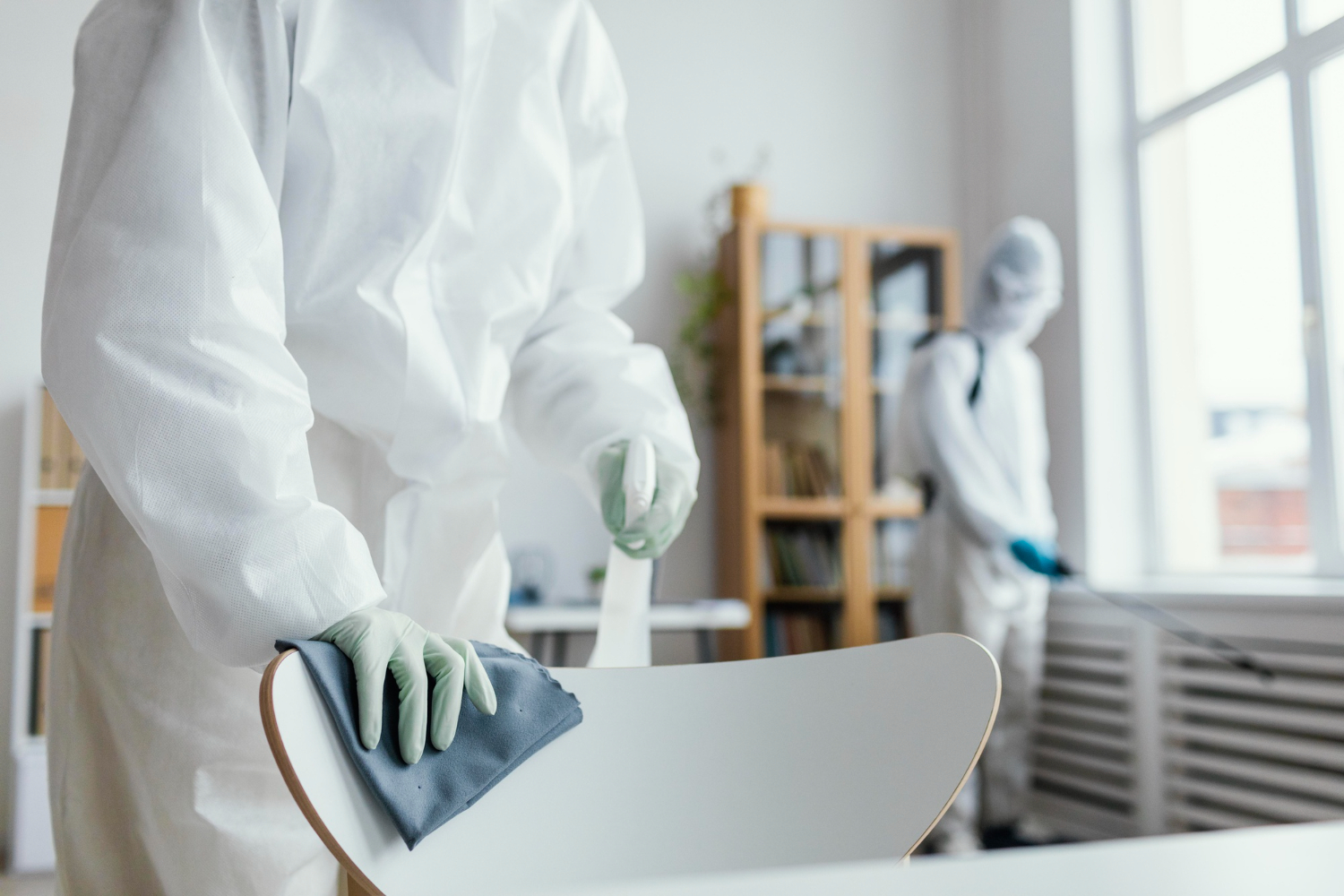
Bloodborne pathogen cleanup focuses on materials that can carry viruses and bacteria in blood and body fluids. Technicians wear PPE—gloves, gowns, respirators, and eye protection—and use hospital-grade disinfectants tested against HIV, HBV, and HCV. They follow OSHA and CDC guidance when available to limit exposure risks.
According to the CDC, decontaminating blood spills has been recommended using a 1:10 to 1:100 dilution of household bleach (5.25%–6.15% sodium hypochlorite) or an EPA-registered tuberculocidal disinfectant, applied per label directions and contact time.
The process includes testing surfaces, removing visible blood, and applying contact-time disinfectants. Porous materials like carpet or upholstery may need to be removed and disposed of as regulated medical waste. You should receive documentation that details what was removed, what remained, and how waste was disposed.
Crime and trauma scene cleanup
Crime and trauma cleanup deals with blood, tissues, and bodily fluids left after assaults, shootings, suicides, or unattended deaths. Technicians coordinate with law enforcement and property owners, working only after investigators release the scene when required. They treat the situation with discretion and follow legal chains of custody for any evidence.
Cleanup includes hazard assessment, targeted removal of contaminated materials, deep cleaning, and odor control. Teams use specialized equipment—HEPA vacuums, enzyme cleaners, and foggers—and provide paperwork showing the area has been decontaminated. You can request a timeline and breakdown of actions taken for insurance or legal needs.
Hazardous chemical or waste removal
Some biohazard jobs involve hazardous chemicals or mixed waste, such as contaminated medical supplies or chemical disinfectants. Technicians trained in hazardous materials will identify the waste type, segregate incompatible items, and follow DOT and EPA rules for transport and disposal. This prevents environmental release and legal violations.
You should expect manifest tracking for regulated waste and receipts from licensed disposal facilities. For sites with both chemical and biological hazards, cleanup teams use layered protection and specialized neutralizers. Ask about staff certifications and the specific disposal facility used for your waste.
Odor and contamination control
Odor control uses mechanical and chemical methods to remove smell-causing particles, not just mask them. Technicians employ air scrubbing with HEPA filtration, thermal fogging, ozone or hydroxyl treatment where safe, and enzymatic cleaners that break down organic residues. They test air quality when needed to confirm results.
Surface contamination control focuses on validated disinfection—contact time, correct dilution, and thorough coverage. Porous materials that trap contaminants may be removed. You should get a checklist of treated areas and any follow-up recommendations to prevent recontamination.
Why professional biohazard cleanup is necessary
Professional biohazard cleaning protects people, follows laws, stops pathogens from spreading, disposes of dangerous waste correctly, and returns your space to safe use quickly.
Protecting health and safety
When you face blood, bodily fluids, or other biological hazards, you and others risk exposure to hepatitis, HIV, MRSA, and other pathogens. Trained technicians use PPE—gloves, respirators, suits—and follow strict protocols to limit exposure during assessment, removal, and disinfection.
You should expect screening of the scene for sharps, mold, and chemical hazards before work begins. This reduces accidental punctures, inhalation risks, and secondary contamination to you, your family, or employees.
Technicians also perform verification steps, like ATP testing or visual checks, to confirm surfaces meet safety targets. That gives you measurable assurance the area is safe to reenter.
Compliance with OSHA and state regulations
You must follow federal and state rules when biohazards are present, especially OSHA bloodborne pathogens standards and state hazardous waste laws. Professional teams know which regulations apply to your situation and keep required records.
A certified cleanup company documents training, exposure control plans, and waste manifests when required. This documentation helps you avoid fines, liability, and insurance disputes after an incident.
Hiring licensed professionals reduces your legal risk because they handle permits, notifications, and chain-of-custody for regulated materials. You get compliance without learning complex regulatory language.
Preventing contamination and disease spread
Containment is key to stopping microbes from moving to unaffected areas. Professionals establish isolation zones, use negative air machines when needed, and apply appropriate disinfectants at specified contact times.
You benefit from methods like HEPA vacuuming, targeted enzymatic cleaners for organic matter, and multiple-step disinfection to remove both visible soil and invisible pathogens. This layered approach lowers the chance of recontamination.
Technicians also advise on short-term access controls and follow-up monitoring so you know when it’s safe to resume normal activities. That protects occupants and the public.
Proper disposal of hazardous materials
Improper disposal of contaminated materials can create new health and legal problems for you. Professionals sort waste into regulated categories—sharps, biohazardous solids, liquids—and use approved containers and labeling.
Licensed disposal partners transport and treat waste per federal and state hazardous waste rules. You avoid fines and environmental harm because the company completes manifests and disposal records on your behalf.
When needed, technicians also decontaminate or replace porous items like mattresses and upholstered furniture and document what was discarded. That ensures only safe, noncontaminated items remain on your property.
Restoring property safely and efficiently
You want the space returned to safe use quickly and with minimal disruption. Professional biohazard cleaning teams provide a clear plan, timeline, and cost estimate before work starts.
Services include removal of contaminants, deep cleaning, targeted repairs, and final clearance testing when required. Contractors coordinate with insurers, property managers, and other trades to speed repairs and reduce downtime.
You also get guidance on restoring airflow, HVAC cleaning if contaminated, and recommended steps for preventing future incidents. That helps you reopen with confidence.
Common situations requiring biohazard cleanup
You may face scenes with blood, body fluids, chemicals, or infectious materials that need trained cleanup. Each situation below explains the risks, why professionals are needed, and what to expect during cleanup.
Crime scene and trauma incidents
Crime scene cleanup and trauma cleanup handle blood, tissue, gunshot residue, and other biological materials. You should not try to clean these scenes yourself because bloodborne pathogens like HIV and hepatitis can survive in porous materials and pose real health risks.
Professionals use PPE, HEPA-filtered vacuums, and EPA-registered disinfectants to remove stains and decontaminate surfaces. They document the work, follow chain-of-custody rules if needed, and dispose of waste as regulated medical waste.
Expect technicians to isolate the area, test surfaces, remove contaminated materials when necessary, and sanitize until tests show safe levels. They also restore affected items and advise on insurance or legal next steps.
Unattended deaths or decomposed bodies
When a body is found after decomposition, tissues and fluids often soak into flooring, cabinetry, and drywall. You could face strong odors, insect activity, and elevated pathogen loads that make ordinary cleaning methods ineffective.
Technicians remove contaminated porous materials and use enzymatic cleaners and fogging disinfectants to neutralize odors and microbes. They follow strict protocols for waste packaging and air quality control to protect you and neighboring units.
Cleanup includes structural repairs if fluids reached subfloors or wall cavities. Expect thorough documentation for health departments or insurers and guidance on when the space is safe to re-enter.
Industrial chemical spills
Chemical spills in factories or labs can create toxic residues and dangerous vapors. You must treat unknown or hazardous chemicals as a biohazard risk until they are tested and identified.
Specialist teams perform hazard assessments, monitor air, and use compatible absorbents and neutralizers. They wear respirators and chemical-resistant suits and follow local hazardous-waste disposal rules to prevent environmental contamination.
You will see containment measures, material safety data sheet (MSDS/SDS) checks, and decontamination stations. Cleanup teams may coordinate with hazmat units and provide clearance testing before you return to the area.
Infectious disease contamination
Outbreaks of illnesses like COVID-19, influenza, or MRSA can contaminate homes, clinics, or workplaces. You need professional decontamination when cases are numerous, when vulnerable people live in the space, or when standard cleaning won’t achieve required disinfection levels.
Certified crews use EPA-approved disinfectants, fogging machines, and surface-contact time protocols to inactivate pathogens. They focus on high-touch surfaces, HVAC components, and soft furnishings that can harbor microbes.
Expect documentation of products used and dwell times, plus follow-up testing if required. Technicians will advise on quarantine timelines and steps you can take to reduce future spread.
Accidental blood or bodily fluid exposure
Accidents at home, workplaces, or schools can leave blood or other body fluids on carpets, furniture, or vehicles. Even small spills can contain pathogens and should be handled with caution if the source is unknown.
You should secure the area and call a biohazard cleanup service when the spill is large, on porous materials, or involves strangers. Technicians will use absorbents, targeted disinfectants, and secure waste bags to remove contamination safely.
They will also provide documentation and may recommend replacement of items that cannot be fully decontaminated. This protects your health and helps meet employer or landlord safety rules.
The professional biohazard cleanup process
You will see a careful sequence of actions that identify dangers, secure the area, remove hazards, clean and disinfect, and dispose of waste according to the law. Each step uses trained technicians, specific equipment, and documented procedures to keep people and the public safe.
Initial assessment and hazard identification
A trained technician inspects the site to find all contaminated areas and materials. They note blood, bodily fluids, sharps, mold, chemical spills, and any contaminated porous items like carpets or drywall.
They also check building systems such as HVAC, plumbing, and vents for cross-contamination risks. Photographs and written notes document conditions for safety and insurance purposes.
You should receive a clear scope of work that lists zones to be cleaned, estimated time, and required personal protective equipment (PPE). The crew checks for bloodborne pathogen risks and any special hazards like syringes or unknown chemicals before starting.
Containment and safety measures
Technicians set up physical barriers and negative air flow when needed to stop contaminants from spreading. They use plastic sheeting, sealed doorways, and HEPA-filtered air scrubbers to control airborne particles during work.
Crew members wear appropriate PPE: N95 or higher respirators, gloves, eye protection, and disposable suits. They replace or disinfect PPE between high-risk tasks.
You will see restricted access signs and decontamination stations where workers remove or clean gear before exit. Workers follow written safety plans and bloodborne pathogen protocols to reduce exposure and meet industry standards.
Removal of biohazard materials
Only certified staff handle removal of contaminated liquids, soiled textiles, sharps, and biological solids. Technicians segregate items into labeled containers—rigid sharps boxes for needles and puncture-resistant bags for absorbent waste.
Porous materials that cannot be fully decontaminated, such as mattresses or upholstered furniture, are identified for disposal and documented on the work order.
You should expect controlled transport of waste to secure storage on site before pickup. Hazardous waste removal contractors may be used for regulated materials, and all chain-of-custody and tracking paperwork is completed.
Deep cleaning, sanitization, and disinfection
Technicians clean surfaces to remove soils before applying EPA-registered disinfectants effective against bloodborne pathogens. They follow product dwell times and use appropriate dilution and application methods.
High-touch areas—doorknobs, switches, countertops—receive focused treatment. Porous surfaces get validated cleaning methods or are replaced when cleaners can’t guarantee decontamination.
You will see testing or verification steps such as ATP swabs or visual checks in sensitive sites. Workers document chemicals used, concentrations, and contact times to show compliance with public health guidance.
Proper waste disposal and regulatory compliance
All biohazardous waste is labeled, packaged, and stored by category to meet federal, state, and local rules. You should receive copies of manifests for transport and disposal when regulated medical waste or infectious materials leave the site.
Licensed transport and disposal facilities handle incineration, autoclaving, or other approved treatment methods. Technicians keep chain-of-custody records and disposal receipts for your insurance and legal needs.
You can expect the crew to follow OSHA, EPA, and local health department rules and to retain documentation showing where hazardous waste removal occurred and how the material was treated or destroyed.
Benefits of hiring Michaelis Corp for biohazard cleanup
You get trained technicians, safe waste handling, respectful service, fast on-site response, and full compliance with state and federal rules. Each area focuses on keeping people safe and reducing damage to your property.
Certified and trained cleanup professionals
Michaelis Corp sends technicians who hold industry certifications such as bloodborne pathogen training and OSHA-compliant site safety credentials. Your crew will have documented records of training for handling blood, bodily fluids, and other biohazards.
Technicians follow written protocols for personal protective equipment (PPE), decontamination, and scene documentation. This limits risk to you, your family, and other workers.
You receive verification after work, including a cleanup checklist and photos. Those documents help with insurance claims and prove the space met professional cleanup standards.
Safe handling and disposal of hazardous materials
Michaelis Corp separates waste at the source to prevent cross-contamination. They use color-coded containers, sharps boxes, and sealed biohazard bags to meet medical-waste handling practices.
The company transports regulated waste in compliant vehicles to licensed disposal facilities. You won’t need to search for a disposal site or worry about improper dumping.
Disinfection uses EPA-registered products and validated contact times for killing pathogens. They also test surfaces visually and document cleaning steps before releasing the area back to you.
Confidential, respectful, and compassionate service
Michaelis Corp trains staff to protect your privacy and treat occupants with dignity. Technicians avoid discussing case details outside the team and limit on-site personnel to those needed for the job.
You will interact with a designated project lead who answers questions and coordinates with family members, landlords, or law enforcement as needed. This single point of contact reduces stress and keeps communication clear.
Teams also consider emotional impact by working discreetly and quickly. They focus on restoring the environment without drawing attention or creating additional distress for you or neighbors.
Fast response to minimize property disruption
Michaelis Corp aims to arrive promptly after you call, often providing same-day response in your area when conditions allow. Quick arrival reduces the time hazardous residues sit on surfaces and lowers the chance of secondary damage.
On-site teams stabilize the scene, contain affected areas, and begin mitigation immediately. That fast containment protects nearby rooms, furniture, and building materials from staining or mold growth.
You’ll get a work plan and estimated timeline before crews start. This helps you coordinate access, insurance, and any urgent repairs to return the space to normal use sooner.
Compliance with all safety and legal standards
Michaelis Corp follows local, state, and federal rules for biohazard cleanup, including OSHA, DOT, and EPA guidelines where applicable. You can expect required paperwork like manifests and waste transport records when disposal occurs.
They maintain insurance and provide certificates of liability on request. That protects you from financial exposure tied to cleanup activities or accidental damage during the job.
The company also documents chain-of-custody and disposal steps, which helps if authorities or insurers request proof of proper handling. This reduces legal risk and speeds any claims or investigations.
Conclusion
You should hire trained biohazard cleanup professionals when a scene involves blood, bodily fluids, or other hazardous materials. They use proper PPE, containment, and disposal methods to reduce health risks and meet legal rules.
Expect teams to work with care and respect for your space and feelings. Many technicians have trauma-informed training to support you while they restore safety and hygiene.
Keep documentation of the cleanup and any certifications the company provides. This helps you prove compliance and can be useful for insurance or future property sales.
If cost is a concern, ask for clear estimates and scope of work before the crew starts. Compare quotes and check licenses, insurance, and references so you make a safe choice.
You play a role in safety by staying clear of the area until professionals finish. Follow any guidance they give about reentry, ventilation, and follow-up cleaning to protect yourself and others.
Schedule biohazard cleanup service with Michaelis Corp now to contain the affected area, complete bloodborne pathogen cleanup with documented disinfection, and ensure regulated waste is handled and disposed of correctly.



.avif)