

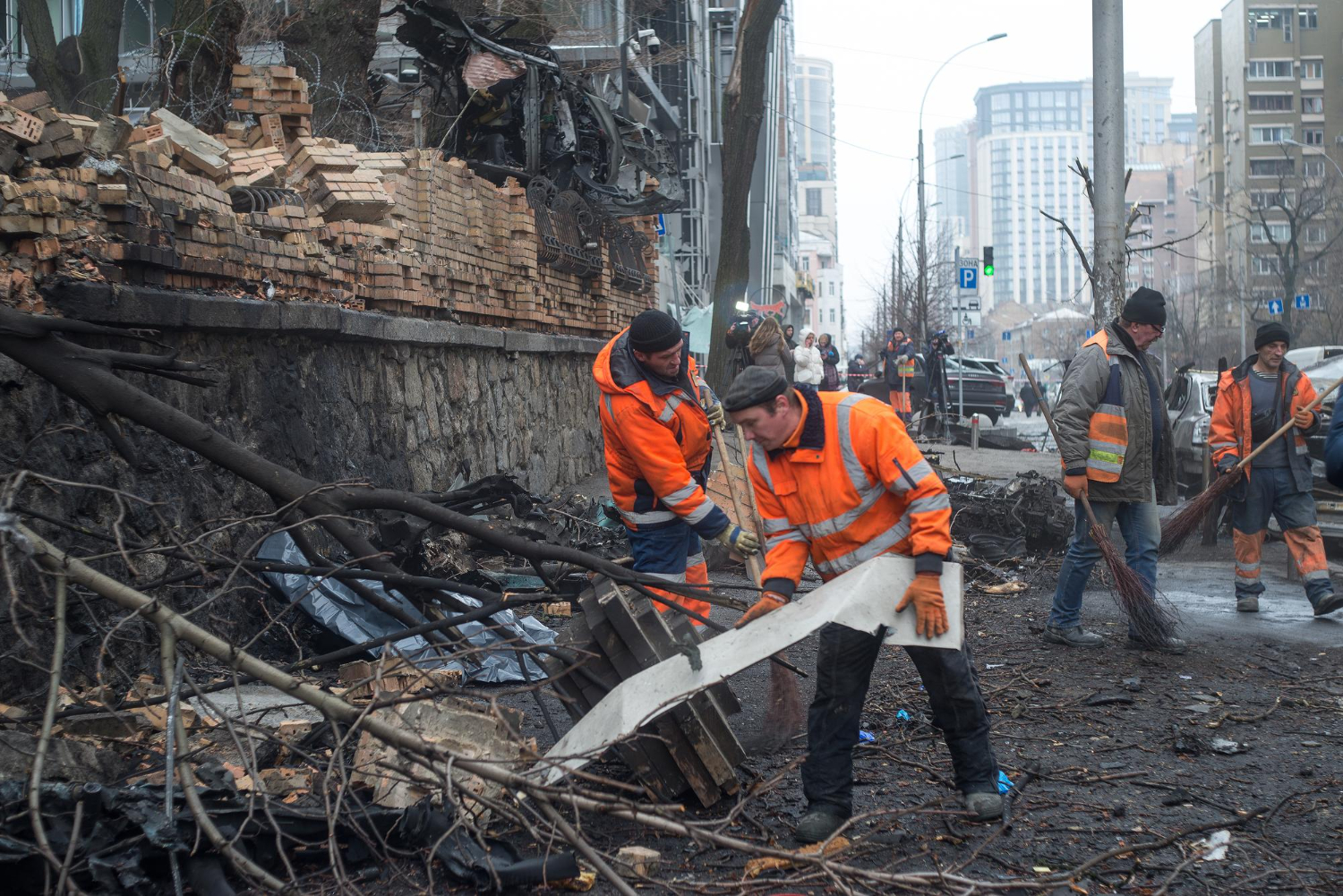
When disaster strikes your home or business, the damage can feel overwhelming. Floods, fires, storms, and other emergencies don't just destroy property—they disrupt your life and livelihood. Disaster recovery services help you restore your property and get back to normal by handling cleanup, repairs, and reconstruction after an emergency.
According to NOAA’s National Centers for Environmental Information (NCEI), the U.S. had 27 separate weather and climate disasters in 2024 that each caused at least $1 billion in losses, showing how often storms and flooding can create large-scale restoration needs.
Professional recovery teams do more than just clean up the mess. They work with insurance companies, remove hazards, dry out water damage, and rebuild what was lost. These experts have the training and equipment to handle everything from small incidents to major catastrophes.
The right team can save you time, money, and stress during one of the most difficult periods you'll face. In this article, you’ll learn how disaster recovery services restore homes and businesses after fire, flood, or storm events by coordinating emergency restoration, cleanup, and reconstruction.
Here’s what you need to know:
- Disaster recovery services: Restoring your property after an emergency
- Why professional disaster recovery is essential
- Common types of disasters requiring recovery services
- The disaster recovery process
- Benefits of hiring Michaelis Corp for disaster recovery
- How to prepare for disaster recovery needs
Keep reading! Understanding what disaster recovery services offer and how they work can help you make better decisions when you need them most.
Disaster recovery services: Restoring your property after an emergency
Professional teams handle everything from initial cleanup to complete reconstruction after fires, floods, storms, and other disasters damage your home. These services include removing water and debris, repairing structural damage, eliminating mold, and returning your property to a safe, livable condition.
What are disaster recovery services?
Disaster recovery services are professional solutions that restore your property after major damage from fires, floods, storms, or other emergencies. These services go beyond simple repairs to address both visible and hidden damage throughout your home.
Professional teams bring specialized equipment and trained technicians to handle complex restoration work. They assess the full extent of damage, create a restoration plan, and coordinate all necessary repairs. This includes emergency response, water extraction, structural drying, debris removal, and complete rebuilding when needed.
Key components of disaster recovery services:
- 24/7 emergency response and property stabilization
- Damage assessment and documentation
- Water extraction and drying
- Smoke and soot removal
- Structural repairs and reconstruction
- Mold prevention and remediation
- Content cleaning and restoration
These services ensure your property is safe and functional after a disaster. Professionals handle everything from initial cleanup through final reconstruction, working with your insurance company to document damage and coordinate claims.
Fire and smoke damage restoration
Fire damage restoration addresses both visible burn damage and hidden problems like smoke residue and structural weakness. Smoke penetrates walls, furniture, and ventilation systems, creating lasting odors and health hazards if not properly removed.
Restoration teams start by securing your property and removing water from firefighting efforts. They assess structural integrity to identify compromised areas that need immediate attention. Professionals then remove soot and smoke residue using specialized cleaning agents and equipment designed for different surfaces.
The fire damage restoration process includes:
- Emergency board-up and roof tarping
- Water removal from firefighting efforts
- Soot and smoke residue removal
- Odor elimination using thermal fogging or ozone treatment
- Air duct and HVAC system cleaning
- Content cleaning and deodorization
Thermal imaging helps locate hidden damage inside walls and ceilings. Fire damage restoration also involves treating materials to prevent future corrosion from acidic soot residue. Teams work quickly because smoke damage worsens over time, permanently staining surfaces and creating stronger odors.
Flood and water damage cleanup
Flood recovery services remove standing water, dry affected areas, and prevent secondary damage like mold growth. Water damage spreads quickly through building materials, requiring immediate action to minimize destruction and costs.
Professional teams use industrial pumps and extractors to remove standing water within the first 24-48 hours. They then deploy commercial dehumidifiers and air movers to dry walls, floors, and structural components. Moisture meters track drying progress to ensure complete water removal from all materials.
Technicians remove damaged materials that cannot be saved, including soaked drywall, insulation, and flooring. They treat remaining surfaces with antimicrobial solutions to prevent mold growth. Water classification determines the cleaning approach—clean water from supply lines needs different treatment than contaminated floodwater.
Water damage categories:
Category
Source
Treatment Required
Category 1
Clean water from pipes or rain
Standard drying and cleaning
Category 2
Gray water from appliances
Disinfection and thorough drying
Category 3
Black water from sewage or floods
Complete removal and replacement
Storm and wind damage repair
Storm damage repair focuses on securing your property and fixing damage from wind, hail, fallen trees, and debris impacts. High winds tear off roofing materials, break windows, and compromise structural integrity.
Emergency services include temporary roof covering with tarps, board-up of broken windows and doors, and removal of fallen trees or debris. These steps prevent additional water damage and secure your home from weather and unauthorized entry.
Permanent repairs address roof damage, siding replacement, window installation, and structural fixes. Professionals inspect for less obvious damage like loosened shingles, compromised flashing, or shifted framing. They also check for water intrusion that occurred during the storm.
Wind damage often affects multiple areas simultaneously. A single storm might damage your roof, siding, gutters, and landscaping. Restoration teams coordinate all repairs to return your property to its pre-storm condition while meeting current building codes.
Mold and contamination remediation
Mold remediation removes existing mold growth and addresses moisture problems that allow mold to develop. Mold appears within 24-48 hours after water damage and spreads rapidly through spores that travel through air and ventilation systems.
Per the U.S. EPA, drying water-damaged areas and items within 24–48 hours is important to help prevent mold growth, which is why rapid extraction and structural drying are core steps in flood recovery services.
Professionals establish containment barriers to prevent mold spores from spreading to unaffected areas during removal. They use HEPA air filtration devices to capture airborne spores. Contaminated materials like drywall and insulation typically require complete removal and replacement rather than cleaning.
Mold remediation steps:
- Containment of affected areas
- Air filtration with HEPA equipment
- Removal of mold-damaged materials
- Cleaning and disinfection of surfaces
- Moisture source elimination
- Final testing and clearance
Successful remediation requires fixing the underlying moisture problem. This might involve repairing leaks, improving ventilation, or installing dehumidifiers. Without addressing moisture sources, mold returns even after professional removal.
Structural and property stabilization
Structural stabilization secures damaged buildings to prevent collapse and further deterioration while restoration work proceeds. This critical first step protects workers, occupants, and the property itself.
Emergency stabilization includes temporary supports for weakened walls, floors, and roofs. Engineers assess damage severity and design support systems using braces, shoring, and reinforcement. Teams also extract standing water that adds dangerous weight to compromised structures.
Property stabilization protects undamaged areas from ongoing exposure. Professionals install temporary weather barriers, remove hazardous materials, and secure utilities. They document all damage with photos and detailed reports for insurance purposes.
Permanent structural repairs follow once the property is stabilized. This includes foundation repair, framing replacement, and rebuilding load-bearing walls. All work meets current building codes and engineering standards to ensure long-term safety and stability.
Why professional disaster recovery is essential
Professional disaster recovery services protect people from health hazards, prevent ongoing damage, and ensure your property is restored correctly the first time. These specialists have the training, equipment, and expertise needed to handle emergencies that most property owners cannot manage safely or effectively on their own.
Protecting health and safety
Disaster sites contain serious health risks that require professional handling. Water damage creates mold growth within 24 to 48 hours, which releases spores that cause respiratory problems and allergic reactions. Fire damage leaves behind toxic soot and smoke particles that penetrate deep into materials and release harmful chemicals when disturbed.
Professionals wear protective equipment and follow safety protocols to remove hazardous materials without exposing you or your family to danger. They know how to identify asbestos, lead paint, and contaminated water that might be present in older buildings. Sewage backups and flooding introduce bacteria like E. coli and other pathogens that cause serious illness if not handled properly.
According to the CDC, floodwater may contain sewage, and eating or drinking anything contaminated by floodwater can cause diarrheal illness (including infections such as E. coli or Salmonella)—supporting the need for controlled, professional property disaster cleanup when contamination is possible.
Attempting cleanup without proper training puts your health at risk. Disaster recovery specialists use industrial-grade air filtration systems, antimicrobial treatments, and containment barriers to prevent contaminants from spreading throughout your property.
Preventing further property damage
Quick professional intervention stops initial damage from becoming worse. Water continues spreading through walls, floors, and ceilings long after the visible flooding stops. Within hours, wood warps, drywall crumbles, and metal fixtures begin corroding.
Professionals use moisture meters and thermal imaging cameras to find hidden water pockets that you cannot see. They set up commercial dehumidifiers and air movers positioned at specific angles to dry structures efficiently. Without this equipment, trapped moisture leads to structural rot and expensive repairs months later.
Fire damage also progresses over time as acidic soot etches glass, tarnishes metal, and discolors surfaces permanently. Professionals apply specialized cleaning agents within the first 48 hours to prevent these chemical reactions. They also secure your property with board-up services and tarping to protect against weather, theft, and vandalism while repairs are underway.
Compliance with insurance and regulatory standards
Insurance companies require proper documentation and professional services for claims approval. Disaster recovery specialists photograph damage, create detailed inventories, and provide written reports that meet insurance requirements. They understand what information adjusters need and communicate directly with your insurance provider.
Many restoration tasks must meet building codes and health department regulations. Professionals hold licenses and certifications that demonstrate their knowledge of these standards. They pull necessary permits and ensure all work passes inspections.
Using unlicensed contractors or attempting repairs yourself can void your insurance coverage. Your policy likely specifies that certain types of damage require certified professionals. Recovery companies maintain liability insurance that protects you if something goes wrong during restoration.
Fast response minimizes downtime and losses
Every hour of delay increases your financial losses and extends your recovery timeline. Professional disaster recovery companies operate 24/7 emergency hotlines and arrive on-site within hours of your call. They begin stabilization immediately to prevent damage from spreading.
For businesses, downtime means lost revenue, missed deadlines, and customers going to competitors. Professionals work quickly to restore critical operations first, allowing you to resume business activities while complete restoration continues. They coordinate multiple crews and trades to complete work faster than you could arrange separately.
The faster professionals extract water, remove debris, and begin drying, the less you pay for overall restoration. Materials that dry quickly can often be saved rather than replaced. Mold prevention is far less expensive than mold remediation after colonies establish.
Professional assessment ensures proper restoration
Disaster recovery specialists conduct thorough inspections to identify all damage, including problems not visible to untrained eyes. They check structural integrity, test electrical systems, and evaluate HVAC equipment that may have been compromised. Missing hidden damage leads to recurring problems and safety hazards.
These professionals create comprehensive restoration plans with detailed scopes of work and timelines. They know which materials can be cleaned and salvaged versus what requires replacement. Their experience prevents common mistakes that homeowners make when attempting DIY repairs.
Certified technicians follow industry standards like those from the Institute of Inspection, Cleaning and Restoration Certification (IICRC). They use proven methods and professional-grade products that deliver lasting results. Your property receives restoration that meets pre-loss condition or better, protecting your investment and ensuring safety for years ahead.
Common types of disasters requiring recovery services
Disasters that damage homes and businesses fall into several major categories, each requiring specialized restoration approaches. Physical damage from fires, water intrusion, severe weather, biological growth, and structural failures create unique challenges that demand immediate professional attention.
Residential fire or smoke incidents
Fire damage in homes extends beyond visible flames and charred materials. Smoke penetrates walls, furniture, and ventilation systems, leaving behind toxic residues and persistent odors. The heat from fires warps structural elements and compromises the integrity of building materials even in areas that appear untouched by flames.
Soot creates acidic compounds that continue damaging surfaces long after the fire is extinguished. Your belongings absorb smoke particles that cause discoloration and deterioration over time. Water damage from firefighting efforts often creates secondary problems that require separate remediation.
Professional recovery services address multiple layers of fire damage. Technicians remove soot, neutralize odors, and assess structural stability. They clean or dispose of contaminated materials and restore salvageable items using specialized equipment and techniques.
Commercial water or flood emergencies
Water damage in commercial buildings disrupts operations and threatens equipment, inventory, and critical documents. Burst pipes, sewage backups, and flooding from storms can affect multiple floors and business units simultaneously. The longer water remains, the more extensive the damage becomes to building materials and contents.
Commercial properties face unique challenges with water damage. Server rooms, manufacturing equipment, and retail inventory require immediate attention to prevent total loss. Standing water creates electrical hazards and can compromise the structural integrity of floors and support beams.
Recovery services for commercial water damage prioritize rapid water extraction and drying. Professionals use industrial dehumidifiers and air movers to remove moisture from walls, floors, and ceilings. They document damage for insurance purposes and work to minimize business interruption during restoration.
Storm, wind, or hail damage
Severe weather events damage roofs, windows, and exterior walls, allowing water and debris to enter buildings. High winds tear off shingles, break tree limbs, and send projectiles through structures. Hail punctures roofing materials and shatters glass, creating multiple entry points for water damage.
Storm damage often affects large areas simultaneously, making immediate professional help difficult to secure. Your property remains vulnerable to additional damage until temporary repairs seal openings and protect interiors. Missing roof sections expose insulation, drywall, and personal property to rain and wind.
Recovery teams provide emergency board-up services and temporary roof coverings to prevent further damage. They remove debris, extract water, and begin structural repairs. Documentation of storm damage includes detailed photography and measurements for insurance claims.
Mold growth after water exposure
Mold develops within 24 to 48 hours after water exposure in humid environments. Spores spread through air systems and attach to damp surfaces throughout buildings. Hidden mold grows inside walls, under flooring, and above ceilings where moisture accumulates unnoticed.
Health risks from mold exposure include respiratory problems, allergic reactions, and irritation of eyes and skin. Certain mold species produce mycotoxins that pose serious health threats. Your building materials deteriorate as mold colonies digest organic compounds in wood, drywall, and fabrics.
Professional mold remediation involves containment, removal, and prevention strategies. Technicians identify moisture sources, remove contaminated materials, and treat affected areas with antimicrobial solutions. They use air filtration equipment to capture airborne spores during the removal process.
Structural collapse or damage
Structural damage from disasters, accidents, or deterioration threatens the safety of building occupants and surrounding properties. Foundation failures, load-bearing wall damage, and compromised support beams require immediate evaluation and stabilization. Partial collapses create unstable conditions where additional failures can occur without warning.
Your property may show warning signs like cracks in walls, sagging floors, or doors that no longer close properly. These indicators suggest underlying structural problems that need professional assessment. Older buildings face increased risk from material fatigue, corrosion, and outdated construction methods.
Recovery services for structural damage begin with engineering assessments to determine stability and repair requirements. Teams install temporary supports to prevent further collapse while developing permanent repair plans. Restoration includes foundation repairs, beam replacement, and reconstruction of damaged sections to meet current building codes.
The disaster recovery process
Professional disaster recovery follows a structured approach that moves from immediate safety concerns to complete restoration. Each phase builds on the previous one to return your property to its original state.
Initial assessment and damage evaluation
When disaster strikes, trained professionals arrive to inspect your property and document all damage. They check for safety hazards like structural instability, electrical problems, or contaminated water. This step determines what can be saved and what needs replacement.
The assessment team takes photos and videos of all affected areas. They measure moisture levels in walls, floors, and ceilings using specialized equipment. You receive a detailed report that outlines the scope of work and estimated timeline.
Your insurance company often needs this documentation to process your claim. The evaluation identifies hidden damage that you might not see, like water trapped inside walls or mold growth in concealed spaces.
Emergency mitigation and cleanup
Emergency restoration starts immediately after the assessment to prevent further damage. Teams extract standing water, remove debris, and secure your property from weather or theft. Quick action during this phase saves materials that might otherwise need replacement.
Professionals set up industrial fans and dehumidifiers to dry wet areas. They remove damaged contents that cannot be restored. Board-up services protect broken windows and damaged roofs from rain or unauthorized entry.
This phase typically happens within 24-48 hours of the disaster. Faster response times reduce mold growth and secondary damage. Teams work around the clock if needed to stabilize the situation.
Structural stabilization and repairs
Once the immediate threats are handled, crews focus on making your building structurally sound again. They repair or replace damaged framing, supports, and load-bearing elements. This work ensures your property is safe to occupy.
Contractors rebuild walls, repair foundations, and fix roof damage. They replace compromised electrical wiring and plumbing systems. All work follows local building codes and requires proper permits.
The repair phase takes the longest because it involves reconstruction. You may need to temporarily relocate if the damage is extensive. Teams coordinate with multiple specialists including electricians, plumbers, and carpenters.
Deep cleaning, sanitization, and odor removal
After repairs are complete, your property undergoes thorough cleaning to remove all contaminants. Professional crews use EPA-approved antimicrobial treatments to kill bacteria, viruses, and mold spores. They clean every surface that the disaster affected.
Smoke damage requires special techniques to remove soot and persistent odors. Water damage often leaves behind musty smells that need enzymatic cleaners or ozone treatment. Crews clean or replace HVAC systems to prevent contaminated air circulation.
This phase protects your health and prevents future problems. Proper sanitization stops mold from returning and eliminates harmful pathogens. Teams test air quality to confirm the space is safe.
Complete restoration to pre-disaster condition
The final phase brings your property back to the way it looked before the disaster occurred. Contractors install new flooring, paint walls, and replace fixtures. They match materials and finishes to blend seamlessly with undamaged areas.
Your contents that were removed get cleaned, repaired, and returned. Teams reinstall appliances and reconnect utilities. They handle finishing touches like trim work, light fixtures, and hardware.
You conduct a final walkthrough to verify everything meets your approval. The restoration company provides warranties on their work. All permits are closed out and final documentation goes to your insurance company.
Benefits of hiring Michaelis Corp for disaster recovery
Michaelis Corp brings specialized expertise and round-the-clock availability to help you recover from fire, water, mold, and storm damage. Their licensed professionals handle everything from initial assessment through final restoration while helping you manage insurance requirements.
Licensed and certified restoration professionals
Michaelis Corp employs trained restoration specialists who understand the technical requirements of disaster recovery work. Their team holds relevant certifications and licenses needed to perform restoration services according to industry standards.
These professionals know how to assess damage accurately and create effective restoration plans. They use proven methods for water extraction, structural drying, mold remediation, and fire damage cleanup. Their expertise helps prevent secondary damage that often occurs when disasters aren't handled correctly.
The company's technicians receive ongoing training to stay current with restoration techniques and safety protocols. This knowledge protects your property and ensures the work meets building codes and insurance requirements.
Fast emergency response 24/7
Michaelis Corp provides emergency services at any hour of the day or night. You can reach their team immediately when disaster strikes, whether it happens at 3 PM or 3 AM.
Quick response time matters because water damage spreads rapidly and mold can start growing within 24-48 hours. Their fast arrival helps minimize damage to your property and belongings. The team begins mitigation work right away to stop ongoing damage and start the drying process.
This availability extends to weekends and holidays. You don't have to wait until regular business hours to get help with urgent restoration needs.
Comprehensive, end-to-end restoration
The company handles all aspects of disaster recovery under one roof. You work with a single team from the initial emergency call through final repairs and restoration.
Their services include:
- Damage assessment and documentation
- Water extraction and structural drying
- Mold inspection and remediation
- Fire and smoke damage cleanup
- Structural repairs and reconstruction
- Content cleaning and restoration
This complete approach means you don't need to coordinate multiple contractors for different phases of recovery. Michaelis Corp manages the entire project timeline and keeps you informed throughout the process. They handle both emergency mitigation and permanent repairs, which streamlines your recovery and reduces stress.
Assistance with insurance claims
Michaelis Corp helps you navigate the insurance claims process. Their team documents damage thoroughly with photos and detailed reports that support your claim.
They understand what insurance companies require and provide the necessary information in the right format. This documentation includes damage assessments, scope of work, and cost estimates.
The company can communicate directly with your insurance adjuster if needed. Their experience with insurance procedures helps move your claim forward efficiently. You get professional documentation that clearly shows the extent of damage and required repairs.
Commitment to safety, quality, and customer care
Michaelis Corp follows safety protocols that protect both their workers and your property. They use appropriate personal protective equipment and secure work areas to prevent accidents and further damage.
The company maintains quality standards throughout each project. They use professional-grade equipment and proven restoration techniques rather than shortcuts that could lead to problems later. Their work includes proper moisture monitoring, antimicrobial treatments where needed, and verification that affected areas are fully dry.
You receive clear communication about the restoration process and timeline. The team answers your questions and keeps you updated on progress. They respect your property and work to minimize disruption to your daily life during the restoration process.
How to prepare for disaster recovery needs
Preparing for disaster recovery requires advance planning across multiple areas of property protection and emergency response. Your readiness depends on taking specific actions before disaster strikes, from inspecting your property to organizing professional contacts.
Emergency preparedness tips for homeowners and businesses
You need to secure important documents in waterproof containers or digital backups stored off-site. Keep copies of insurance policies, property deeds, identification documents, and financial records in multiple locations.
Stock emergency supplies including water, non-perishable food, first aid kits, flashlights, batteries, and portable phone chargers. You should maintain at least a three-day supply for each person or employee in your location.
Create an evacuation route map for your property. Identify multiple exit paths and establish a meeting point outside the building where everyone can gather safely.
Install protective equipment like smoke detectors, carbon monoxide alarms, fire extinguishers, and sump pumps. Test these devices monthly and replace batteries twice per year. For businesses, consider backup power generators to maintain critical operations during outages.
Keep tools readily available for emergency repairs, including tarps, plywood, duct tape, and basic hand tools. These items help you minimize initial damage while waiting for professional restoration services.
Importance of regular property inspections
You should conduct property inspections every season to identify potential vulnerabilities before they become disasters. Check your roof for missing shingles, damaged flashing, or signs of water penetration that could lead to major leaks during storms.
Examine your foundation for cracks, your basement for moisture problems, and your plumbing for slow leaks. Small issues grow into expensive disasters when left unaddressed.
Inspect trees and landscaping near your property. Remove dead branches that could fall during high winds and ensure proper drainage slopes away from your building foundation.
For businesses, schedule professional inspections of HVAC systems, electrical panels, and commercial equipment. Document all inspection findings with photos and maintenance records that support insurance claims if damage occurs.
Maintaining proper insurance coverage
Review your insurance policies annually to confirm your coverage matches your current property value and contents. Standard policies often exclude flood damage, earthquake damage, and certain weather events that require separate coverage.
Calculate replacement costs rather than actual cash value coverage. Replacement cost policies pay to rebuild or replace damaged property without depreciation deductions, which matters significantly after major disasters.
Document your property and belongings with detailed photos, videos, and written inventories. Include model numbers, purchase dates, and receipts for valuable items. Store this documentation in cloud storage or with a trusted contact outside your immediate area.
Understand your deductibles and coverage limits for different disaster types. Some policies have separate deductibles for wind damage, water damage, or named storms that affect your out-of-pocket costs.
Knowing who to call in an emergency
Build a contact list of disaster recovery professionals before you need them. Include certified restoration companies, emergency board-up services, water extraction specialists, and mold remediation experts with 24/7 availability.
Add your insurance agent and claims department numbers to your emergency contacts. Keep your policy numbers accessible in your phone and written in your emergency kit.
Identify licensed contractors for electrical repairs, plumbing emergencies, and structural damage assessment. Verify their credentials, insurance coverage, and references during calm periods rather than rushing to find help during a crisis.
For businesses, establish vendor relationships with data recovery services, temporary facility providers, and equipment rental companies that support business continuity.
Creating a disaster response plan
Your disaster response plan should assign specific roles to household members or employees. Designate who contacts emergency services, who secures the property, who manages communications, and who handles insurance documentation.
Outline step-by-step procedures for different disaster scenarios including fires, floods, storms, and power outages. Each scenario requires different immediate actions to protect people and minimize property damage.
Establish communication protocols for reaching family members or employees during emergencies. Identify an out-of-area contact person who can relay messages if local phone systems fail.
Schedule annual drills to practice your response plan. Test evacuation routes, verify that emergency supplies remain functional, and update contact information as needed. Document any weaknesses discovered during practice runs and adjust your plan accordingly.
Store copies of your disaster response plan in multiple locations including physical and digital formats that remain accessible when primary systems fail.
Conclusion
Disaster recovery services are essential for protecting your business from unexpected events. You cannot predict when a system failure, cyberattack, or natural disaster will strike. Having a solid plan in place helps you respond quickly and reduces potential losses.
Your disaster recovery plan should match your specific business needs. A small company requires different solutions than a large organization with complex systems. You need to define what counts as a disaster for your business and how you will respond.
Modern disaster recovery services offer flexible options. Cloud-based solutions let you store backups off-site and recover data quickly. You can choose services that fit your budget and recovery time requirements.
Your disaster recovery strategy is not optional in today's business environment. Every organization faces potential threats that could disrupt operations. The right services help you prepare for these challenges and protect your business continuity. You can minimize the impact of disasters when you have proper systems and procedures in place.
Schedule emergency restoration with Michaelis Corp now to stabilize your property, document disaster damage for insurance, and begin safe cleanup and repairs without delay.



.avif)