

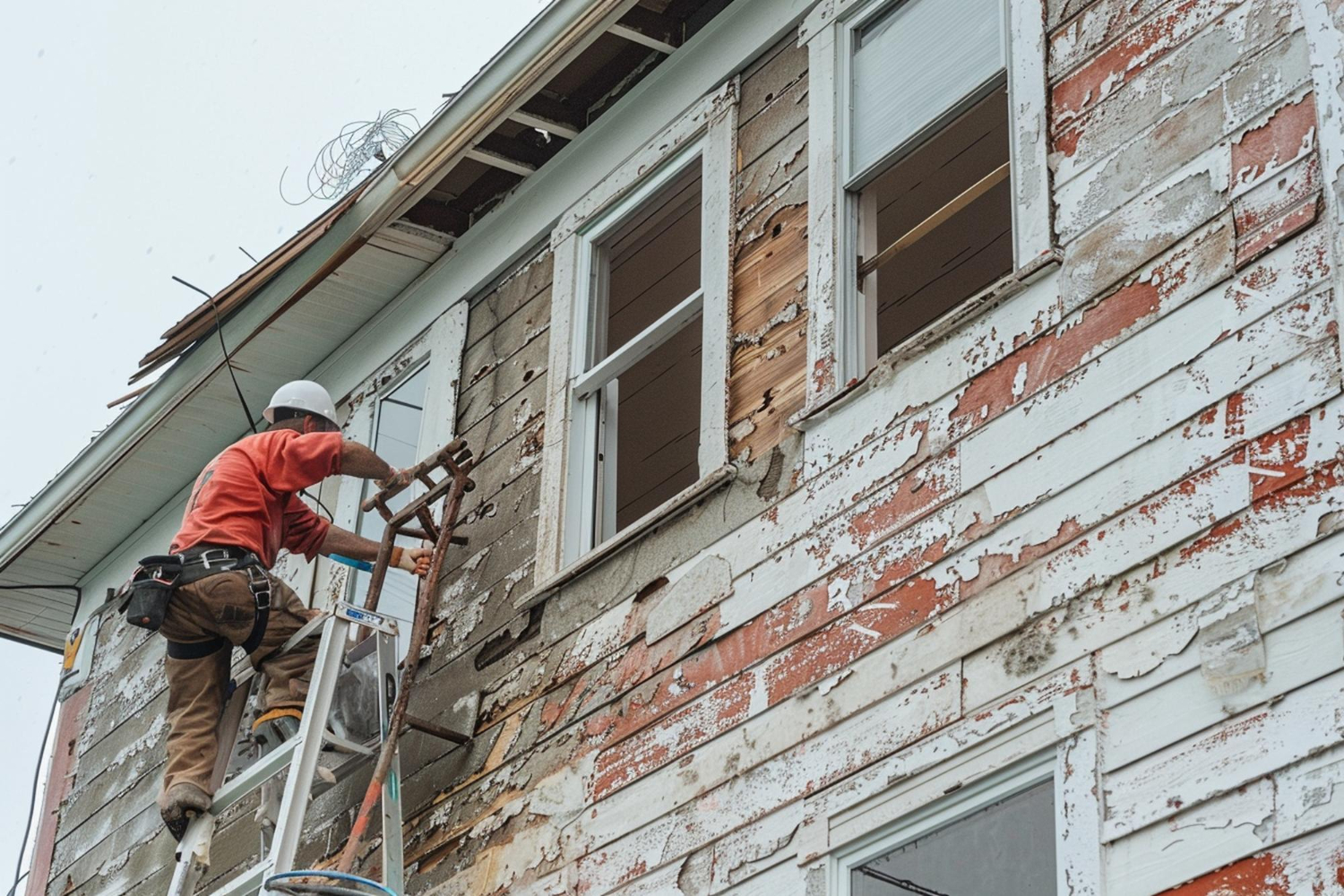
Professional siding repair services can restore your home's exterior while preventing costly damage to the interior structure.
Your home's siding acts as the first line of defense against weather, moisture, and other environmental threats. When siding becomes damaged through cracks, warping, or fading, it can compromise both your home's appearance and its structural protection.
Whether dealing with minor cosmetic issues or significant structural problems, understanding when and how to address siding damage makes the difference between a simple repair and an expensive replacement project.
Homeowners face important decisions about maintaining their exterior, from identifying early warning signs to choosing between repair and replacement options. In this article, you’ll learn how to use professional siding repair services to stop water intrusion, fix storm damage, and protect your home’s exterior.
Let’s break down the key points you should consider:
- Why timely siding repair matters for your home's protection
- Common siding issues homeowners should watch for
- Repair vs. replacement: what's right for your siding?
- Choosing the right siding repair professional
Keep reading! The right approach depends on factors like the extent of damage, age of existing materials, and selecting qualified professionals who can deliver lasting results.
Why timely siding repair matters for your home's protection
Damaged siding creates entry points for water and pests that can cause expensive structural problems. Well-maintained siding also keeps your home looking attractive and valuable in the neighborhood.
How damaged siding exposes your home to moisture and pests
Cracked or loose siding panels create gaps where water can seep behind the exterior walls. This moisture leads to rot in wooden framing and mold growth inside wall cavities.
According to the U.S. Environmental Protection Agency, controlling moisture is the most important factor in preventing indoor mold growth and the resulting structural damage and health problems it can cause in homes
Water damage starts small but spreads quickly through building materials. A single loose board can allow gallons of rainwater to enter during storms.
Common entry points include:
- Cracked caulk around windows and doors
- Warped or split siding boards
- Missing or damaged trim pieces
- Loose corner joints
Insects and small animals also use these same openings to get inside walls. Termites, carpenter ants, and mice can cause major damage once they establish nests in wall spaces.
Damaged siding reduces the home's ability to control indoor temperature. Air leaks force heating and cooling systems to work harder, which increases monthly energy bills.
The connection between curb appeal and siding maintenance
Clean, well-maintained siding makes homes look newer and more valuable to neighbors and potential buyers. Faded, cracked, or stained siding creates the opposite impression.
Real estate professionals report that homes with poor exterior maintenance sell for 5-10% less than similar properties in good condition. Fresh siding can recover this lost value immediately.
Siding problems that hurt curb appeal:
- Faded or peeling paint
- Visible cracks or holes
- Mold or mildew stains
- Sagging or warped sections
Different siding materials require specific maintenance schedules. Vinyl siding needs annual cleaning and caulk inspection. Wood siding requires painting or staining every 3-5 years.
Regular maintenance costs much less than emergency repairs. Small touch-ups and cleaning prevent the need for full panel replacement.
Signs your siding needs professional inspection and repair
Homeowners should examine their siding twice per year, typically in spring and fall. Walking around the entire house helps identify problems before they become expensive repairs.
Warning signs that require immediate attention:
Problem
Risk Level
Typical Repair Timeline
Loose or missing panels
High
Within 2 weeks
Visible cracks or holes
High
Within 2 weeks
Soft or rotting wood
Critical
Immediately
Mold or mildew growth
Medium
Within 1 month
Interior signs also indicate siding problems. Water stains on walls or ceilings often mean moisture is getting through damaged exterior panels.
Professional contractors have tools to detect hidden damage that homeowners might miss. They can spot early signs of rot or pest activity before major repairs become necessary.
Homeowners should schedule professional inspections after severe weather events. High winds, hail, and ice storms can cause damage that isn't immediately visible from ground level.
Common siding issues homeowners should watch for
Siding problems develop gradually through weather exposure and normal wear, often starting small before becoming expensive repairs. Water damage, storm damage siding issues, and sun exposure create the most serious threats to home exteriors.
Cracks, warping, and fading from sun or storm exposure
UV rays cause vinyl and wood siding to fade, crack, and become brittle over time. Light-colored siding shows fading first, while dark colors absorb more heat and crack sooner.
Storm damage siding problems appear after high winds, hail, or flying debris. Homeowners should check for:
- Dents or holes in vinyl or aluminum panels
- Cracked or split wood boards
- Loose or missing pieces after storms
- Warped sections that pull away from the house
Temperature changes make siding expand and contract repeatedly. This movement creates stress points where panels connect. Wood siding splits along the grain, while vinyl develops hairline cracks at the edges.
Warping happens when moisture gets trapped behind panels or when installation was done incorrectly. Warped siding creates gaps that let water and pests enter the home.
How water infiltration weakens siding over time
Water damage starts small but grows into major structural problems. Moisture enters through tiny cracks, loose caulking, or damaged panels.
According to the U.S. Department of Energy, moisture is responsible for most building envelope failures and leads to an estimated $32 billion in damage each year, which shows how critical it is to keep water from getting behind your home’s siding and exterior walls.
Signs of water infiltration include:
- Dark stains or discoloration on siding
- Peeling paint or bubbling surfaces
- Soft spots in wood siding
- Mold or mildew growth
- Higher energy bills from lost insulation
Behind-the-scenes damage occurs where homeowners cannot see it. Water soaks into insulation, rots wooden framing, and damages electrical systems.
Ice and snow create freeze-thaw cycles that force water deeper into cracks. Each cycle makes the damage worse. Poor drainage around the foundation makes water problems more likely.
Caulk failure around windows, doors, and panel joints lets water seep in steadily. Old caulk shrinks and pulls away from surfaces, creating entry points for moisture.
When small siding problems turn into costly damage
Minor issues become expensive when homeowners ignore them for months or years. A small crack can lead to thousands in structural repairs.
Pest entry happens through damaged siding areas. Insects, rodents, and birds find small openings and make them bigger. They damage insulation and create nesting areas inside walls.
Energy efficiency drops when siding fails to seal properly. Gaps and cracks let heated or cooled air escape, raising utility costs significantly.
Foundation problems develop when water runs down damaged siding instead of being directed away from the house. Pooled water causes settling, cracks, and basement flooding.
Full replacement costs range from $8,000 to $20,000 for average homes. Early repairs typically cost under $500 per section. Professional inspections catch problems before they spread to other areas of the home.
Forbes Home reports that hiring a professional for siding repair can cost anywhere from about $100 to $14,300 depending on the material and extent of damage, with most homeowners spending around $7,200 overall, while vinyl and aluminum siding repairs typically fall in the $100 to $2,000 range.
Repair vs. replacement: what's right for your siding?
The choice between fixing damaged siding or replacing it entirely depends on the extent of damage, your budget, and long-term home goals. Several key factors help determine which option provides the best value for your specific situation.
Factors that determine if repair is enough
The scope and type of damage plays the biggest role in this decision. Small cracks, loose boards, or minor holes from impacts can often be repaired effectively.
Damage that typically works well for repairs:
- Isolated damaged sections (less than 20% of total siding)
- Surface scratches or small dents
- Single loose or warped boards
- Minor weather damage to specific areas
The age of existing siding matters too. If your siding is less than 15 years old and damage is limited, repairs usually make sense.
Signs that point toward repair:
- Siding material is still available for matching
- Underlying structure remains solid
- No signs of widespread moisture damage
- Rest of siding shows minimal wear
However, repeated repairs to the same areas often signal bigger problems. Multiple damaged sections or widespread fading suggests the siding has reached the end of its useful life.
How to assess long-term costs and energy efficiency
Repair costs typically range from $300 to $1,000 for small sections. Full siding replacement costs between $8,000 to $20,000 for most homes.
But upfront costs don't tell the whole story. Old or damaged siding reduces your home's energy efficiency. Gaps and cracks let air escape, making heating and cooling systems work harder.
Energy efficiency considerations:
- Damaged siding can increase energy bills by 10-25%
- Modern siding materials offer better insulation values
- Proper installation includes updated moisture barriers
- New siding often qualifies for energy tax credits
Calculate potential energy savings over 5-10 years. If your current siding lacks proper insulation or shows multiple air leaks, replacement often pays for itself through lower utility bills.
Consider maintenance frequency too. Older siding that needs repairs every 2-3 years becomes expensive quickly.
When a full siding replacement makes financial sense
Siding replacement becomes the smart choice when damage covers more than 30% of your home's exterior. At this point, repair costs approach replacement costs without the same long-term benefits.
Clear indicators for replacement:
- Widespread rot or moisture damage
- Siding older than 25-30 years
- Multiple repair attempts in recent years
- Structural issues behind the siding
Home value considerations also matter. New siding typically returns 70-80% of its cost in increased home value. This makes replacement worthwhile if you plan to sell within 5-10 years.
Insurance claims often favor replacement too. Storm damage that affects large sections usually qualifies for full coverage rather than partial repairs.
Financial advantages of replacement:
- Eliminates ongoing repair cycles
- Comes with manufacturer warranties
- Increases home resale value
- Provides predictable long-term costs
The decision becomes clearer when you factor in labor costs. Installing new siding requires similar prep work as major repairs, making full replacement more cost-effective per square foot.
Choosing the right siding repair professional
Finding the right contractor involves checking credentials, experience levels, and material quality standards. Professional expertise ensures proper installation techniques and long-term durability for your home's exterior.
What to look for in a trusted local siding contractor
Licensed and insured contractors provide essential protection for homeowners. Check state licensing boards to verify active licenses. Request proof of liability insurance and workers' compensation coverage.
Local contractors understand regional weather patterns and building codes. They know which materials work best in your climate. Local businesses also depend on community reputation.
Get multiple written estimates from different contractors. Compare labor costs, material specifications, and project timelines. Ask for detailed breakdowns of all expenses.
Check online reviews and Better Business Bureau ratings. Request references from recent customers. Contact previous clients to ask about work quality and professionalism.
Verify warranty coverage for both materials and labor. Reputable contractors offer written guarantees. Standard warranties typically cover workmanship for 1-2 years and materials for longer periods.
Why experience and materials make all the difference
Experienced contractors handle complex repairs more efficiently. They spot underlying issues like water damage or structural problems. Years of practice lead to better problem-solving skills.
Skilled professionals know proper installation techniques for vinyl siding repair. They understand expansion gaps, fastener placement, and weatherproofing methods. Poor installation causes premature failure and costly repairs.
Quality materials cost more upfront but last longer. Professional contractors use manufacturer-approved products. They source materials from trusted suppliers with proven track records.
Experienced teams complete projects faster with fewer mistakes. They bring specialized tools and equipment. Professional efficiency reduces labor costs and project delays.
Contractors with industry certifications stay updated on best practices. They attend training programs from major manufacturers. This knowledge ensures proper installation and warranty compliance.
How Michaelis ensures long-lasting siding restoration
Michaelis uses premium-grade materials from leading manufacturers. Their team sources vinyl siding products designed for local climate conditions. Quality materials provide better durability and weather resistance.
The company's technicians complete ongoing training programs. They stay current with new installation methods and safety protocols. This expertise leads to superior workmanship and fewer callbacks.
Detailed project planning prevents costly delays and mistakes. Michaelis conducts thorough inspections before starting work. They identify potential problems and develop comprehensive repair strategies.
Color matching services ensure seamless repairs that blend with existing siding. The team uses advanced matching techniques to find exact color matches. Professional repairs maintain your home's appearance and value.
Written warranties cover both materials and workmanship. Michaelis stands behind their repairs with comprehensive guarantees. Customers receive documentation outlining warranty terms and coverage periods.
Conclusion
Professional siding repair services provide clear benefits for homeowners. Expert repairs protect homes from weather damage and improve energy efficiency.
Quality repairs increase property value. They also enhance curb appeal and make homes more attractive to buyers.
Hiring professionals ensures work is done correctly the first time. This prevents future damage and saves money on costly replacements.
Professional contractors know when to patch damaged sections versus replacing entire panels. They understand different siding materials and their specific repair needs.
Expert services also identify underlying issues that homeowners might miss. This includes problems with insulation, moisture damage, or structural concerns.
Investing in professional siding repair maintains home safety and comfort. It protects the building envelope and prevents small problems from becoming major issues.
The right service provider will restore siding to proper condition. They use proven techniques and quality materials that last for years.
Homeowners should research contractors carefully. Look for licensed professionals with good reviews and proper insurance coverage.
Regular maintenance and prompt repairs keep siding systems working effectively. This approach protects the home's exterior and maintains its value over time.
Schedule professional siding repair services with Michaelis today to stop moisture intrusion, fix storm damage, and protect your home’s exterior for the long term.



.avif)