

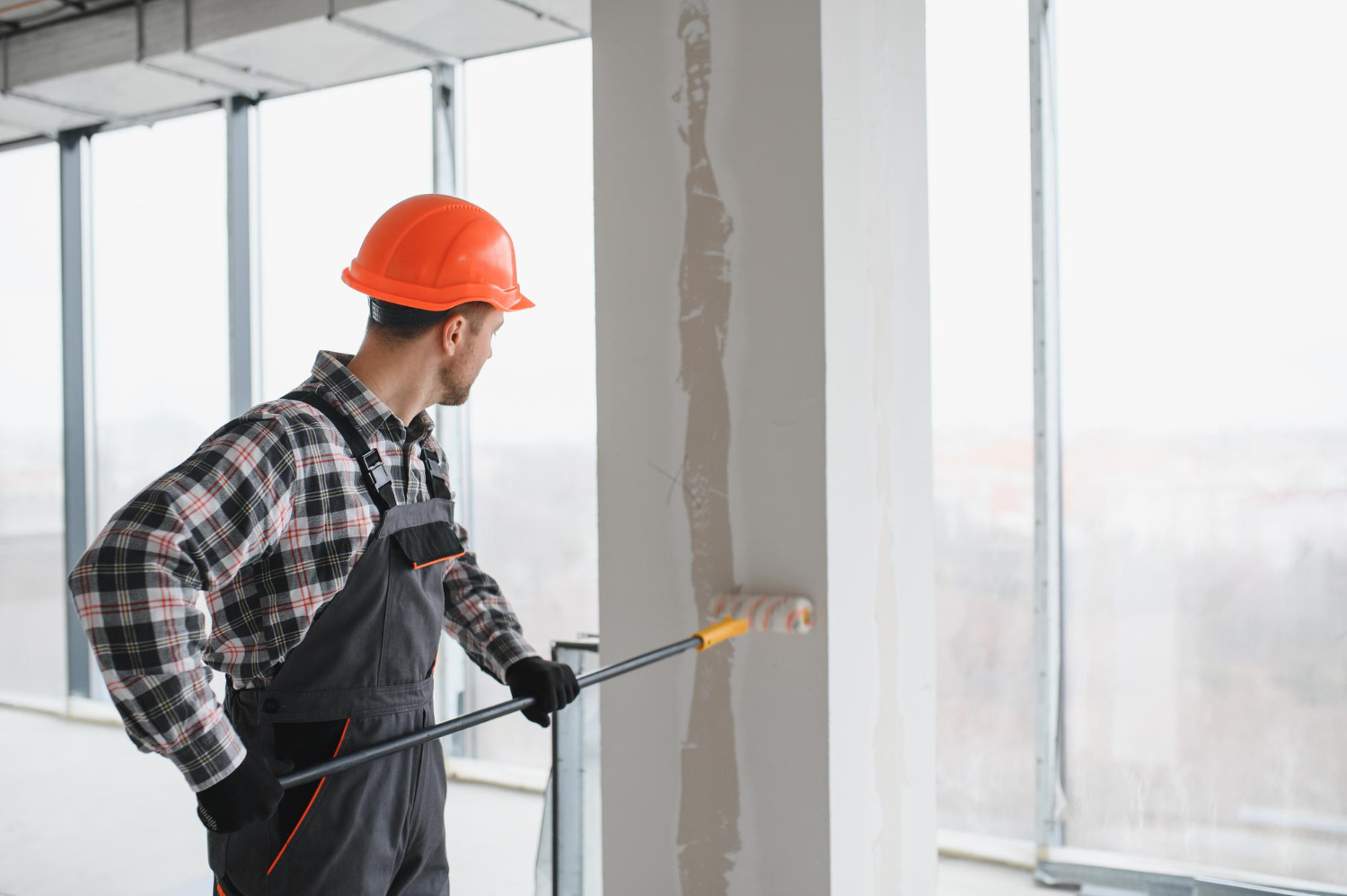
The look of a business building affects how customers and clients see a company. A fresh coat of paint can make an older building look professional and well-maintained. Commercial building painting services help property owners update their buildings with expert prep work, quality materials, and minimal disruption to daily operations.
These services go beyond basic painting jobs. Professional contractors understand how to work around business schedules and follow safety rules. They know which paints last longest on different surfaces and how to prepare walls properly for the best results.
This guide explains what these services include, when buildings need repainting, and how to choose the right contractor for the job.
Here's what you need to know:
- What are commercial building painting services?
- Signs your commercial building needs painting
- How commercial building painting services are performed
- Benefits of commercial building painting services
- DIY vs professional commercial painting
- Maintenance tips after painting
- Why choose Michaelis Corp for commercial building painting services
Keep reading! Whether a building has peeling paint, outdated colors, or just needs a refresh, commercial painting can make a big difference.
What are commercial building painting services?
Commercial building painting services involve professional paint applications for business properties like office buildings, retail stores, warehouses, and restaurants. These services differ from residential painting in scope, materials, and techniques.
Difference between residential and commercial painting
Commercial painting projects operate on a much larger scale than residential work. A single commercial building might require thousands of square feet of coverage, while residential projects typically involve smaller spaces. Commercial painters use industrial-grade equipment and scaffolding systems that residential painters rarely need.
The work schedule differs significantly between these two types of painting. Commercial projects often happen during off-hours or weekends to avoid disrupting business operations. Residential painting usually occurs during standard business hours when homeowners can be present.
Commercial painters must follow stricter safety regulations and building codes. They need special insurance, licenses, and certifications that residential painters may not require. These professionals also work with different surface types, including concrete, metal, and specialized commercial materials that don't appear in homes.
Per OSHA’s construction fall-protection standard, employers must provide fall protection for workers at heights of 6 feet (1.8 m) or more, with additional requirements for scaffolds and access/egress.
Interior and exterior painting options
Interior commercial painting covers walls, ceilings, doors, and trim inside business spaces. Professional building painting teams apply paint to offices, lobbies, hallways, break rooms, and conference areas. They use low-VOC or zero-VOC paints to maintain air quality for employees and customers.
According to the U.S. EPA, volatile organic compounds (VOCs) released from paints can degrade indoor air quality and cause short- and long-term health effects; selecting low- or zero-VOC coatings reduces these emissions.
Exterior commercial painting protects buildings from weather damage while improving curb appeal. Painters treat surfaces like brick, stucco, metal siding, and concrete. They apply primers, sealants, and topcoats designed for commercial durability.
Specialized coatings serve specific purposes in commercial settings. Epoxy floor coatings protect warehouse floors from heavy traffic. Anti-graffiti coatings make exterior walls easier to clean. Fire-resistant paints add safety protection in certain areas.
According to the U.S. Department of Energy, cool-roof and reflective roof coatings can lower roof surface temperatures by up to 50°F and reduce building cooling loads, cutting energy costs.
Importance of professional techniques and materials
Professional painters prepare surfaces thoroughly before applying any paint. They repair cracks, remove old paint, clean surfaces, and apply primers. Proper preparation determines how long the paint job will last.
Commercial-grade paints contain higher-quality pigments and binders than standard paints. These materials resist fading, chipping, and wear from heavy use. They maintain their appearance longer and require less frequent repainting.
Professional teams use specialized equipment for efficient coverage. Airless sprayers, scaffolding systems, and industrial rollers allow painters to complete large projects quickly. They apply consistent coats that meet industry standards for thickness and coverage. Experienced painters understand which techniques work best for different surfaces and environments.
Signs your commercial building needs painting
Paint deterioration affects both the appearance and structural integrity of commercial properties. Building owners should watch for visible damage, moisture issues, surface wear, and outdated aesthetics that signal the need for professional painting services.
Faded, peeling, or chipped paint
Faded paint indicates UV damage and weathering that compromises the protective barrier between the building and external elements. The color loses vibrancy and appears washed out or uneven across different sections of the exterior.
Peeling paint exposes underlying surfaces to moisture, dirt, and temperature fluctuations. This condition typically starts in small areas but spreads quickly if left untreated. The paint loses adhesion and pulls away from the surface in strips or flakes.
Chipped paint creates rough, uneven surfaces that trap moisture and debris. These imperfections often appear around windows, doors, and high-traffic areas first. Buildings in harsh climates or those exposed to frequent temperature changes experience faster paint deterioration.
Common causes include:
- Direct sun exposure breaking down paint compounds
- Moisture trapped beneath the paint surface
- Poor surface preparation during previous paint jobs
- Low-quality paint materials that degrade quickly
Water stains, mold, or mildew
Water stains appear as discolored patches on interior walls or exterior surfaces, ranging from yellow-brown to dark gray. These marks indicate active or past water intrusion that requires immediate attention. The staining often extends beyond the visible area, suggesting deeper moisture problems within the wall structure.
Mold growth presents as black, green, or brown spots that spread across painted surfaces. Interior spaces with poor ventilation develop mold more rapidly, particularly in bathrooms, kitchens, and basement areas. Exterior mold commonly appears on north-facing walls or shaded areas where moisture lingers.
Mildew creates a powdery or fuzzy coating on paint surfaces and thrives in damp, humid conditions. Unlike mold, mildew stays on the surface rather than penetrating deep into materials. Both mold and mildew damage paint and create health concerns for building occupants.
Buildings should address the underlying moisture source before repainting. Simply covering these issues with new paint leads to recurring problems within months.
Damaged or worn surfaces
Cracks in painted surfaces allow water infiltration and accelerate structural damage to the building materials beneath. Small hairline cracks expand through freeze-thaw cycles and normal building settlement. These openings compromise the paint's protective function.
Chalking occurs when paint binders deteriorate and leave a powdery residue on the surface. Running a hand across chalky paint transfers a visible layer of dust to the skin. This condition signals that the paint no longer protects the underlying surface adequately.
Bubbling paint indicates moisture trapped between the paint and the substrate. The bubbles form as water vapor pushes the paint film away from the surface. This damage requires complete removal of affected paint before applying new coats.
High-traffic areas show wear patterns where paint becomes thin or completely worn through to the base material. Scuff marks, scratches, and abrasions accumulate in lobbies, hallways, and near entry points.
Outdated color schemes affecting curb appeal
Color trends shift every 5-10 years, and outdated schemes make commercial properties appear neglected or behind the times. Browns, oranges, and certain earth tones popular in past decades now signal deferred maintenance to potential clients and tenants.
Modern commercial properties favor neutral palettes with strategic accent colors that align with current design standards. Gray, white, navy, and black combinations create contemporary appearances that appeal to today's business environment. The right color scheme reinforces brand identity and market positioning.
Competitors with updated exteriors draw more attention and foot traffic. Businesses lose potential customers when the building appearance suggests outdated practices or lack of investment. Fresh paint in current colors immediately improves first impressions.
Property values correlate directly with exterior appearance and maintenance quality. Buildings with modern color schemes and well-maintained paint command higher lease rates and sale prices than comparable properties with dated appearances.
How commercial building painting services are performed
Professional painting companies follow a structured process that protects the building while delivering results that last for years. Each step addresses specific needs, from fixing damage to applying paint that withstands weather and wear.
Inspection and surface preparation
Painters begin by examining all surfaces to identify problem areas like peeling paint, mildew, or structural damage. They check walls, trim, and other surfaces for issues that could affect paint adhesion. This inspection determines what repairs are needed and helps estimate the project timeline.
The preparation phase involves cleaning all surfaces to remove dirt, grease, and loose paint. Crews use pressure washers for exterior commercial painting to strip away grime and flaking material. They scrape remaining loose paint by hand and sand rough areas smooth.
Workers protect areas not being painted with drop cloths and plastic sheeting. They mask windows, doors, and hardware with tape. For occupied buildings, painters set up barriers to prevent dust and fumes from entering active work areas.
Repairing cracks, holes, and damaged areas
Painters fill small cracks and holes with exterior-grade caulk or putty compounds. They apply the filler material and smooth it flush with the surrounding surface. Larger damaged sections may require patching with new materials that match the existing surface.
Wood rot on trim or siding gets cut out and replaced with fresh lumber. Metal surfaces receive rust treatment before painting begins. Crews repair stucco, concrete, or masonry damage with appropriate patching compounds.
All repairs must fully dry and cure before painting starts. Painters sand repaired areas to create a smooth, even surface that blends with the rest of the wall.
Priming and applying high-quality paint
Primer creates a uniform base that helps paint stick properly and prevents stains from bleeding through. Bare surfaces, repairs, and areas with significant color changes all require priming. Painters select primers designed for the specific surface material.
They apply paint using brushes, rollers, or spray equipment depending on the surface and project size. Most exterior commercial painting projects need at least two coats of paint for adequate coverage and protection. Crews allow proper drying time between coats as specified by the paint manufacturer.
Professional painters use high-quality commercial-grade paints formulated to resist fading, chalking, and weather damage. These products contain higher pigment levels and better binders than standard paints.
Ensuring even coverage and clean finishes
Painters work systematically to maintain consistent coverage across all surfaces. They overlap each pass slightly to avoid thin spots or streaks. Proper technique prevents drips, runs, and brush marks that create an unprofessional appearance.
Quality control happens throughout the project as crew leaders inspect completed sections. They check for missed spots, uneven areas, or imperfections that need correction. Touch-ups happen before the paint fully cures.
Final inspection includes removing all masking materials and cleaning up paint drips or overspray. Workers verify that all surfaces received the specified number of coats and meet quality standards before considering the job complete.
Benefits of commercial building painting services
Professional painting services deliver measurable improvements to commercial properties through better appearance, structural protection, and financial returns. Building owners gain multiple advantages that affect both immediate appeal and long-term maintenance costs.
Enhances curb appeal and brand image
A fresh coat of paint transforms how customers, tenants, and visitors perceive a commercial building. First impressions form within seconds of arrival, and clean, well-maintained paint signals professionalism and attention to detail.
Color choices communicate brand identity and values. Retail spaces use specific colors to attract their target customers, while office buildings often select neutral tones that convey stability and trust. The right paint scheme helps a business stand out from nearby competitors.
Faded or peeling paint creates the opposite effect. It suggests neglect and raises questions about overall building maintenance. Potential tenants may pass on leasing opportunities, and customers might question a business's quality standards based solely on exterior appearance.
Professional painters ensure consistent coverage and clean lines that property managers cannot achieve with basic maintenance staff. The finished result presents a polished image that supports business goals and market positioning.
Protects building surfaces from damage
Paint acts as a protective barrier against environmental threats that deteriorate building materials. Moisture is the primary enemy of most structures, and quality paint creates a seal that prevents water infiltration into walls, wood, and metal surfaces.
UV radiation from sunlight breaks down exterior materials over time. Paint formulated for commercial use contains additives that reflect UV rays and slow this degradation process. This protection is especially important for buildings in sunny climates or those with significant sun exposure.
Commercial-grade paints resist mold, mildew, and algae growth better than standard formulations. These organisms damage surfaces and create health concerns for building occupants. Proper surface preparation and paint selection prevent biological growth that leads to costly repairs.
Temperature fluctuations cause materials to expand and contract. Professional painters apply products designed to flex with these movements rather than crack or peel. This flexibility maintains the protective seal through seasonal changes and prevents moisture intrusion at vulnerable points.
Extends the life of walls, trim, and exterior surfaces
Regular painting maintenance prevents small problems from becoming major structural issues. A building painted every 5-7 years avoids the rot, rust, and decay that require expensive reconstruction work.
Wood trim and siding need paint protection to maintain structural integrity. Exposed wood absorbs moisture and begins to rot within months. Once rot sets in, simple painting no longer solves the problem—full replacement becomes necessary.
Metal surfaces corrode without proper coating. Rust spreads quickly and weakens structural components. Commercial painters use primers and topcoats specifically designed for metal protection, creating a barrier against oxidation.
Concrete and stucco also benefit from protective coatings. These porous materials absorb water that causes cracking during freeze-thaw cycles. Specialized masonry paints seal the surface while allowing vapor transmission, which prevents trapped moisture damage.
Increases property value and tenant satisfaction
Professional paint jobs deliver measurable returns on investment through higher property valuations. Buildings with well-maintained exteriors and interiors command premium prices when sold and attract quality tenants willing to pay higher rents.
Prospective tenants evaluate multiple factors when choosing commercial space. Clean, fresh paint ranks high on their priority list because it indicates proper building management. Tenants renew leases more often in buildings that receive regular maintenance attention.
Property appraisers consider paint condition when determining market value. Buildings needing immediate paint work receive lower valuations that reflect the upcoming expense. Conversely, recently painted buildings demonstrate pride of ownership and justify higher asking prices.
Tenant satisfaction improves in well-maintained spaces. Employees feel valued when they work in clean, updated environments. Retail tenants report better customer experiences in spaces with appealing aesthetics. These factors reduce vacancy rates and turnover costs for property owners.
DIY vs professional commercial painting
Painting a commercial building involves more than applying color to walls. The choice between DIY and professional services affects safety, quality, and long-term costs.
Risks of improper preparation or application
Surface preparation determines how long a paint job lasts. Without proper cleaning, repairs, and priming, paint fails to bond correctly. This leads to peeling, bubbling, and uneven coverage within months.
Commercial spaces require specific surface treatments. Concrete walls need different prep work than drywall or metal surfaces. Missing these steps causes adhesion problems that become expensive to fix later.
Common preparation mistakes include:
- Skipping power washing or deep cleaning
- Ignoring structural repairs like cracks or water damage
- Using incorrect primers for the surface type
- Painting in poor weather conditions or wrong temperatures
Application errors create visible problems. Brush marks, roller lines, and inconsistent coverage look unprofessional. These issues happen when painters lack experience with commercial-grade materials or proper technique.
Importance of safety for large or complex projects
Commercial buildings present serious safety hazards. Working at heights requires proper scaffolding, lifts, and fall protection equipment. A 20,000-square-foot building needs specialized equipment that most businesses don't own.
Injuries during DIY projects leave the business fully liable. Workers' compensation doesn't cover property owners who paint their own buildings. Professional painters carry liability insurance and workers' compensation that protects the building owner from claims.
Large projects involve coordination challenges. Building managers must schedule around tenants and business operations. Professional crews understand these logistics and minimize disruptions.
Ensuring quality, durability, and warranty compliance
Professional painters guarantee their work with written warranties. These warranties cover labor and materials for several years. DIY projects offer no recourse when paint fails prematurely.
Product warranties often require professional installation. Many commercial-grade coatings void their coverage if applied incorrectly. This makes future claims impossible even when the product itself has defects.
Durability depends on proper material selection. Commercial spaces need paints that withstand heavy traffic, moisture, and frequent cleaning. Professionals know which products perform best for specific environments like warehouses, retail spaces, or office buildings.
The finish quality affects business perception. Clients and customers notice poor paint work. Professional results create a polished appearance that reflects well on the business.
Maintenance tips after painting
A fresh paint job on a commercial building requires ongoing care to protect the investment and maintain curb appeal. Property managers should establish regular inspection schedules, keep surfaces clean, fix small problems quickly, and plan for future repainting needs.
Regular inspections for wear and damage
Commercial property maintenance teams should conduct visual inspections of painted surfaces every three to six months. These checks help identify early signs of wear before they become costly problems.
During inspections, look for peeling, cracking, or bubbling paint that indicates moisture intrusion or adhesion issues. Check areas around windows, doors, and roof lines where water damage commonly occurs. Metal surfaces need extra attention for rust spots or corrosion that can spread quickly if left untreated.
Document any issues with photos and notes to track how problems develop over time. This record helps predict when different building sections will need attention. Focus on high-traffic areas, loading docks, and surfaces exposed to harsh weather, as these spots wear faster than protected areas.
Clean surfaces and remove debris
Dirt, mold, and pollutants break down paint over time and make buildings look neglected. Schedule regular cleaning to remove these harmful substances before they cause permanent damage.
Power washing works well for most exterior surfaces, but use low pressure settings to avoid stripping paint or forcing water behind siding. Clean painted surfaces once or twice per year, or more often in dusty or high-pollution areas. For stubborn stains, use mild detergent and soft brushes rather than harsh chemicals that can damage the finish.
Remove leaves, dirt, and debris from ledges, gutters, and corners where moisture can collect. Standing water accelerates paint deterioration and promotes mold growth. Keep landscaping trimmed back from painted surfaces to improve air circulation and prevent moisture buildup.
Address minor touch-ups promptly
Small paint problems grow into major repairs when ignored. Fix chips, scratches, and small damaged areas as soon as they appear to prevent water intrusion and further deterioration.
Keep extra paint from the original job stored properly for future touch-ups. This ensures color matching and finish consistency. Clean the damaged area thoroughly, remove any loose paint, and prime bare spots before applying topcoat.
Touch-up work prevents rust on metal surfaces and rot on wood substrates. It also maintains a professional appearance that reflects well on the business. Set up a system where staff report paint damage immediately so maintenance teams can respond quickly.
Schedule periodic professional repainting as needed
Even well-maintained paint eventually needs replacement. Most commercial building exteriors require repainting every 7-10 years, though this varies based on climate, paint quality, and surface type.
Watch for widespread fading, chalking, or loss of sheen across large areas. These signs indicate the paint has reached the end of its protective life. Plan repainting projects during mild weather when temperatures stay between 50-85°F for best results.
Budget for professional repainting as part of long-term commercial property maintenance planning. Working with experienced contractors ensures proper surface preparation and application techniques that extend the life of the new paint job.
Why choose Michaelis Corp for commercial building painting services
Michaelis Corp brings specialized expertise in commercial construction and restoration services to every painting project. Their commitment to quality workmanship and customer satisfaction sets them apart in the Indianapolis metro area.
Experienced commercial painting contractors
Michaelis Corp operates as a licensed, bonded, and insured general contractor with extensive experience in commercial property services. The company handles both residential and commercial projects throughout the Indianapolis area.
Their team understands the unique requirements of commercial painting work. They manage projects with attention to building codes and safety standards. The contractors work efficiently to deliver professional results that enhance property appearance.
Michaelis Corp's background in restoration and renovation gives them insight into proper surface preparation and paint application. This experience helps them identify and address underlying issues before painting begins.
High-quality materials and professional techniques
The company uses industry-standard materials designed for commercial applications. These products provide durability and long-lasting protection for exterior and interior surfaces.
Professional techniques ensure proper coverage and finish quality. The team prepares surfaces thoroughly by cleaning, repairing damage, and priming as needed. This preparation work creates a solid foundation for the paint application.
Michaelis Corp applies paint using methods that minimize waste and ensure even coverage. Their attention to detail results in a clean, polished appearance that reflects well on the business.
Fast, reliable service minimizing business disruption
Commercial painting projects require careful scheduling to avoid interrupting daily operations. Michaelis Corp plans work around business hours and operational needs.
The team completes projects efficiently without sacrificing quality. They maintain clear communication throughout the process about timelines and any potential delays. This approach helps businesses plan accordingly.
Crews work systematically to finish sections of the building in stages. This method allows businesses to continue operations in unaffected areas. The company's project management keeps work on schedule and within budget.
Local expertise and proven customer satisfaction
Michaelis Corp operates as a family-owned company serving the entire Indianapolis metro area. Their local presence means they understand regional climate conditions and building requirements.
The company has built a reputation for reliable service in the community. They maintain proper licensing and insurance coverage for client protection. Customer reviews reflect their commitment to quality work and professional service.
Their experience with diverse commercial properties ranges from offices to warehouses. This broad expertise allows them to adapt their approach to different building types and client needs.
Conclusion
Commercial building painting services provide real value for property owners and managers. A fresh coat of paint protects the building from weather damage while improving how it looks to customers and tenants.
Regular painting maintenance saves money over time. It prevents small issues from turning into expensive repairs. Buildings with well-maintained paint jobs also hold their value better in the market.
Professional painters bring the right skills and tools to complete projects efficiently. They use quality materials that last longer than standard options. Their work causes less disruption to daily business operations.
Property managers should view painting as a strategic investment rather than just a maintenance cost. The improvements affect how people see the business and protect the physical structure. Both factors contribute to better business outcomes and property performance.
Choosing experienced commercial painting contractors ensures the job gets done right. They understand the unique needs of commercial properties and work within business schedules. Their expertise helps property owners make smart decisions about colors, finishes, and timing.
Request a commercial painting estimate with Michaelis Corp, our team will perform a site assessment, specify the correct low-VOC or industrial coatings, and deliver a detailed scope, schedule, and warranty.



.avif)