


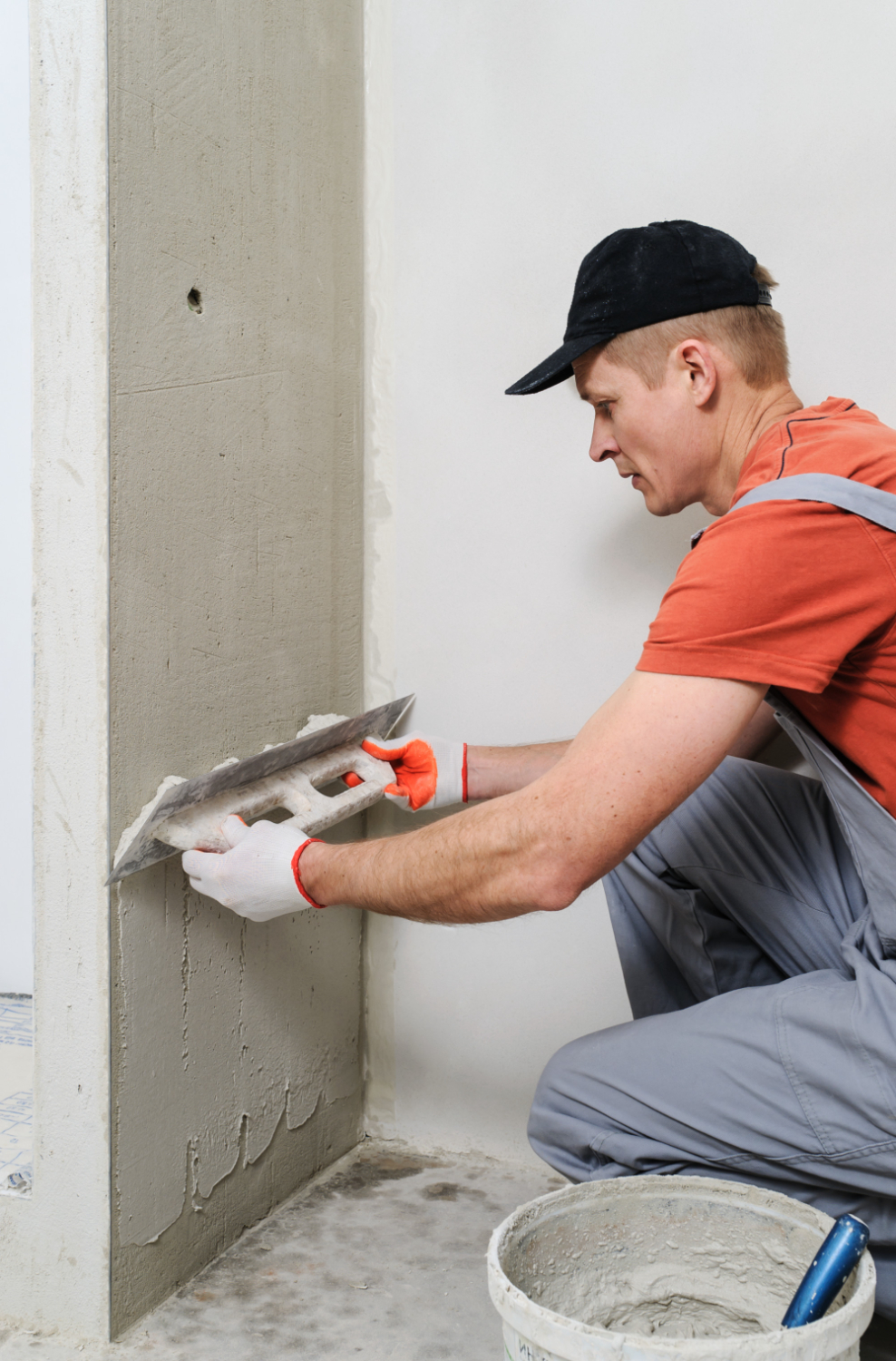
Every home needs weatherproofing. Your home faces constant battles against weather elements that can damage its structure and drain your energy bills. Rain, wind, snow, and temperature changes work together to find weak spots in your house's defenses.
Weatherproofing your home protects against these elements while reducing energy costs and preventing expensive repairs.
Many homeowners wait until they notice drafts or water damage before taking action. Smart property owners recognize the warning signs early and take steps to seal their homes properly. Understanding what weatherproofing involves and knowing which areas need attention can save thousands of dollars in the long run.
Whether you choose professional services or tackle projects yourself, weatherproofing requires the right approach for your home's specific needs. In this article, you’ll learn how to recognize when your home needs weatherproofing and what steps actually protect it from leaks, drafts, and energy loss.
Through the topics below, you’ll learn how to prioritize upgrades, improve comfort, and decide when to call in professional help:
- What is home weatherproofing and why it matters
- Signs your home may need weatherproofing
- Key areas to focus on when weatherproofing your home
- Professional weatherproofing vs. DIY
Keep reading! This guide covers everything from identifying problem areas to deciding which tasks you can handle and when to call experts.
What is home weatherproofing and why it matters
Home weatherproofing creates a protective barrier that blocks outside elements from entering your house while keeping conditioned air inside. This process directly impacts your comfort, energy costs, and home maintenance expenses.
How weatherproofing protects against rain, wind, and heat loss
Weatherproofing acts as your home's first defense against harsh weather conditions. Rain protection starts with proper sealing around windows, doors, and roof penetrations to prevent water infiltration that can damage walls and foundations.
Wind barriers work by eliminating gaps where air can enter. These gaps often exist around electrical outlets, baseboards, and where different building materials meet. When wind pushes through these openings, it forces heating and cooling systems to work harder.
Heat loss prevention involves creating continuous insulation and air barriers. Common problem areas include:
- Attic hatches and recessed lighting
- Basement rim joists
- Crawl space walls
- Ductwork in unconditioned spaces
Storm damage prevention becomes critical during severe weather events. Proper weatherproofing helps homes withstand high winds by reducing pressure differentials that can lift roofing materials or break windows.
The building envelope must work as one complete system. When any part fails, it compromises the entire structure's ability to resist weather penetration.
The link between home sealing and lower energy bills
According to ENERGY STAR, air leakage can account for 25% to 40% of the energy used for heating and cooling in a typical home, which makes sealing those gaps one of the most cost-effective weatherproofing upgrades you can make.
Sealing these leaks also provides immediate cost savings by reducing the workload on HVAC systems.
Major energy waste sources include:
- Gaps around windows and doors
- Unsealed electrical penetrations
- Missing weatherstripping
- Cracks in foundation walls
Proper sealing maintains consistent indoor temperatures. This reduces the frequency of heating and cooling cycles, which extends equipment life and lowers maintenance costs.
The stack effect causes warm air to rise and escape through upper-level openings while drawing cold air in through lower openings. Comprehensive sealing stops this natural air movement that wastes energy year-round.
Energy savings typically range from 10-20% of total utility costs when homeowners complete thorough weatherproofing projects.
According to ENERGY STAR, homeowners can save an average of about 15% on heating and cooling costs and around 11% on total energy bills by air sealing and adding insulation in key areas such as attics, floors over crawl spaces, and basement rim joists.
Why neglecting weatherproofing leads to costly repairs
Moisture intrusion creates the most expensive home damage when weatherproofing fails. Water that enters through small gaps can cause structural rot, mold growth, and foundation problems that cost thousands to repair.
The U.S. Environmental Protection Agency (EPA) notes that controlling indoor moisture is the most important factor in preventing mold growth and the related structural damage and health issues it can cause in homes
Common expensive problems include:
- Wood rot in framing members
- Mold remediation costs
- Foundation settling from water damage
- Ice dam formation and roof leaks
Small cracks expand during freeze-thaw cycles. Water enters these openings, freezes, and creates larger cracks that allow more water penetration. This cycle accelerates structural damage over multiple seasons.
Poor weatherproofing forces HVAC systems to run continuously. This extra strain leads to premature equipment failure and expensive replacement costs.
Insurance claims often exclude damage from gradual water infiltration. Homeowners bear the full cost of repairs when weatherproofing maintenance gets delayed or ignored completely.
Signs your home may need weatherproofing
Your home shows clear signals when weatherproofing fails or becomes outdated. Watch for air movement around openings, unexplained energy costs, and moisture damage that can lead to expensive repairs.
Drafts, leaks, and condensation around windows and doors
Cold air sneaking through windows and doors signals failing weatherstripping or caulk. Homeowners can feel these drafts most clearly on windy days or during temperature changes.
Water leaks around window frames and door edges show damaged seals. Even small amounts of water can cause wood rot and mold growth over time.
Condensation between double-pane windows means the seal has broken. This allows moisture to enter the space between glass panes. The windows lose their energy efficiency when this happens.
Common problem areas include:
- Window sills with water stains
- Door frames with visible gaps
- Windows that fog up between panes
- Curtains or blinds that move from air currents
Ice dams on gutters during winter often point to poor insulation and air leaks. Warm air escapes through gaps and melts snow on the roof.
Rising utility bills without explanation
Energy bills that climb steadily without changes in usage patterns indicate weatherproofing problems. Heating and cooling systems work harder when conditioned air escapes through gaps.
A sudden jump in monthly costs often means seals have failed recently. Gradual increases over months or years show normal wear of weatherproofing materials.
Key indicators include:
- Summer bills: Air conditioning runs constantly to maintain temperature
- Winter bills: Heating costs increase despite similar weather patterns
- Year-round issues: Energy use stays high regardless of season
Smart thermostats and energy monitors help track unusual patterns. These devices show when systems cycle on and off more frequently than normal.
Comparing bills to previous years reveals trends. A 15-20% increase without explanation usually means weatherproofing needs attention.
Peeling paint, damp walls, and other warning signs
Paint that bubbles, cracks, or peels near windows and exterior walls shows moisture problems. Water vapor moves through gaps and condenses inside wall cavities.
Damp spots on interior walls appear when outside moisture penetrates the building envelope. These areas feel cool to the touch and may have a musty smell.
Visual warning signs include:
- Dark stains on ceilings near exterior walls
- Wallpaper edges that curl or lift
- Baseboards with water damage or warping
- White chalky deposits on basement walls
Mold growth appears in corners where walls meet ceilings. These areas collect moisture from air leaks and create perfect conditions for mold spores.
Musty odors throughout the house indicate ongoing moisture issues. The smell becomes stronger during humid weather or after rain storms.
Foundation cracks allow both air and water to enter. Small cracks grow larger during freeze-thaw cycles and let more moisture inside over time.
Key areas to focus on when weatherproofing your home
Successful weatherproofing requires targeting specific areas where heat loss and moisture problems occur most often. The biggest impact comes from upgrading insulation in key spaces, sealing air leaks around openings, and protecting the home's exterior shell from water damage.
Insulation upgrades for attics, basements, and crawl spaces
Attics lose the most heat in most homes. Adding insulation to R-38 or R-49 levels can cut heating costs by 15-30%. Homeowners should check current insulation depth and add more if it's less than 10-12 inches.
Basements and crawl spaces need different approaches. Insulating basement walls prevents condensation and reduces energy loss. Rigid foam boards work well on concrete walls.
Crawl space insulation options:
- Seal and insulate the crawl space ceiling
- Encapsulate the entire crawl space with vapor barriers
- Install dehumidifiers to control moisture
Cold air enters through these spaces and forces heating systems to work harder. Proper insulation creates a thermal barrier that keeps conditioned air inside.
Sealing windows, doors, and wall gaps for better efficiency
Air leaks waste energy and create uncomfortable drafts. Windows and doors account for up to 25% of heat loss in typical homes.
Common sealing locations:
- Window frames and sashes
- Door frames and thresholds
- Electrical outlets on exterior walls
- Plumbing penetrations
- Baseboards along exterior walls
Caulk works for gaps smaller than 1/4 inch. Expanding foam fills larger openings. Weatherstripping seals moving parts like door and window edges.
These energy efficiency home upgrades often pay for themselves within two years. A home energy audit can identify the worst air leaks that need attention first.
Protecting your roof and siding from water infiltration
Water damage costs thousands to repair. Roofs need regular inspection for missing or damaged shingles. Flashing around chimneys and vents prevents leaks at these vulnerable spots.
Gutters must drain water away from the foundation. Clean gutters twice yearly and ensure downspouts extend at least 6 feet from the house.
Siding protection starts with proper caulking around trim and penetrations. Check for loose or cracked siding panels that allow water behind the exterior shell.
Roof maintenance priorities:
- Replace damaged shingles immediately
- Clear debris from gutters and downspouts
- Inspect and repair flashing annually
- Trim tree branches away from the roof
Regular maintenance prevents small problems from becoming major water damage issues.
Professional weatherproofing vs. DIY
Homeowners face critical decisions about protecting their homes from weather damage. Professional weatherproofing services offer expertise and warranties, while DIY approaches may miss crucial problems that lead to expensive repairs later.
When DIY fixes fall short of lasting protection
Many homeowners start with simple fixes like caulking windows or sealing small cracks. These basic repairs can help with minor issues but often fail to address deeper problems.
DIY weatherproofing typically covers only visible damage. Homeowners might seal obvious gaps around doors or windows. However, they often miss structural issues that professionals would catch right away.
Common DIY limitations include:
- Limited access to professional-grade materials
- Lack of specialized tools for proper installation
- Missing building code knowledge
- No warranty protection on work performed
Weather damage often starts in hidden areas. Water can enter through tiny openings that look harmless but cause major problems over time. DIY fixes may stop immediate leaks but fail to prevent future damage.
Most homeowners lack experience with different weather patterns and materials. They might choose the wrong sealant for their climate or apply it incorrectly. These mistakes can actually make water damage worse by trapping moisture inside walls.
Benefits of hiring a certified home restoration expert
Certified professionals bring years of training and experience to weatherproofing projects. They understand building science and know how different materials work together to protect homes.
Professional weatherproofing services use commercial-grade materials that last much longer than store-bought products. These materials often come with manufacturer warranties that DIY products do not offer.
Key professional advantages:
- Access to specialized equipment and materials
- Knowledge of local building codes and permits
- Insurance coverage for work performed
- Multi-year warranties on labor and materials
Professionals can complete weatherproofing work faster and more efficiently than homeowners. They have teams trained to work safely at heights and in difficult conditions. This reduces the risk of accidents and injuries.
Most professional work comes with guarantees. If problems arise after completion, certified experts will return to fix issues at no extra cost. This protection gives homeowners peace of mind that DIY work cannot provide.
How professionals identify hidden problem areas
Trained experts use specialized tools to find moisture problems that homeowners cannot see. Thermal imaging cameras show temperature differences that reveal air leaks and water damage behind walls.
Moisture meters help professionals measure humidity levels in building materials. High readings indicate problem areas that need immediate attention before they cause structural damage.
Professionals inspect areas that homeowners often overlook. They check roof connections, foundation joints, and ventilation systems. These spots frequently develop problems but stay hidden from casual inspection.
Professional inspection tools include:
- Thermal imaging cameras
- Moisture detection meters
- Pressure testing equipment
- Endoscopic cameras for tight spaces
Experience teaches professionals to recognize early warning signs of weather damage. They know which materials fail first and where problems typically start. This knowledge helps them prevent major issues before they become expensive repairs.
Professional inspections often reveal multiple problem areas that need coordinated repairs. Fixing one issue without addressing related problems can lead to continued damage and wasted money.
Conclusion
Weatherproofing protects homes from water damage and costly repairs. It keeps moisture out of walls, roofs, and foundations where it can cause serious problems.
Homeowners who invest in proper weatherproofing save money over time. They avoid expensive repairs from water damage that often goes unnoticed until it's too late.
A weatherproofed home stays comfortable year-round. It keeps heating and cooling costs lower by sealing out drafts and moisture.
Professional inspection helps identify problem areas before damage occurs. Experts can spot weak points that homeowners might miss.
Regular maintenance keeps weatherproofing effective. Homeowners should check seals, caulking, and protective coatings each year.
The investment in weatherproofing pays off through lower utility bills and higher property values. It also creates a healthier living space by preventing moisture problems that lead to mold and poor air quality.
Smart homeowners make weatherproofing a priority from the start. This approach protects their investment and ensures their family's comfort and safety for years ahead.
Schedule professional weatherproofing services with Michaelis today to seal leaks, upgrade insulation, and protect your home from costly weather and energy damage.



.avif)