


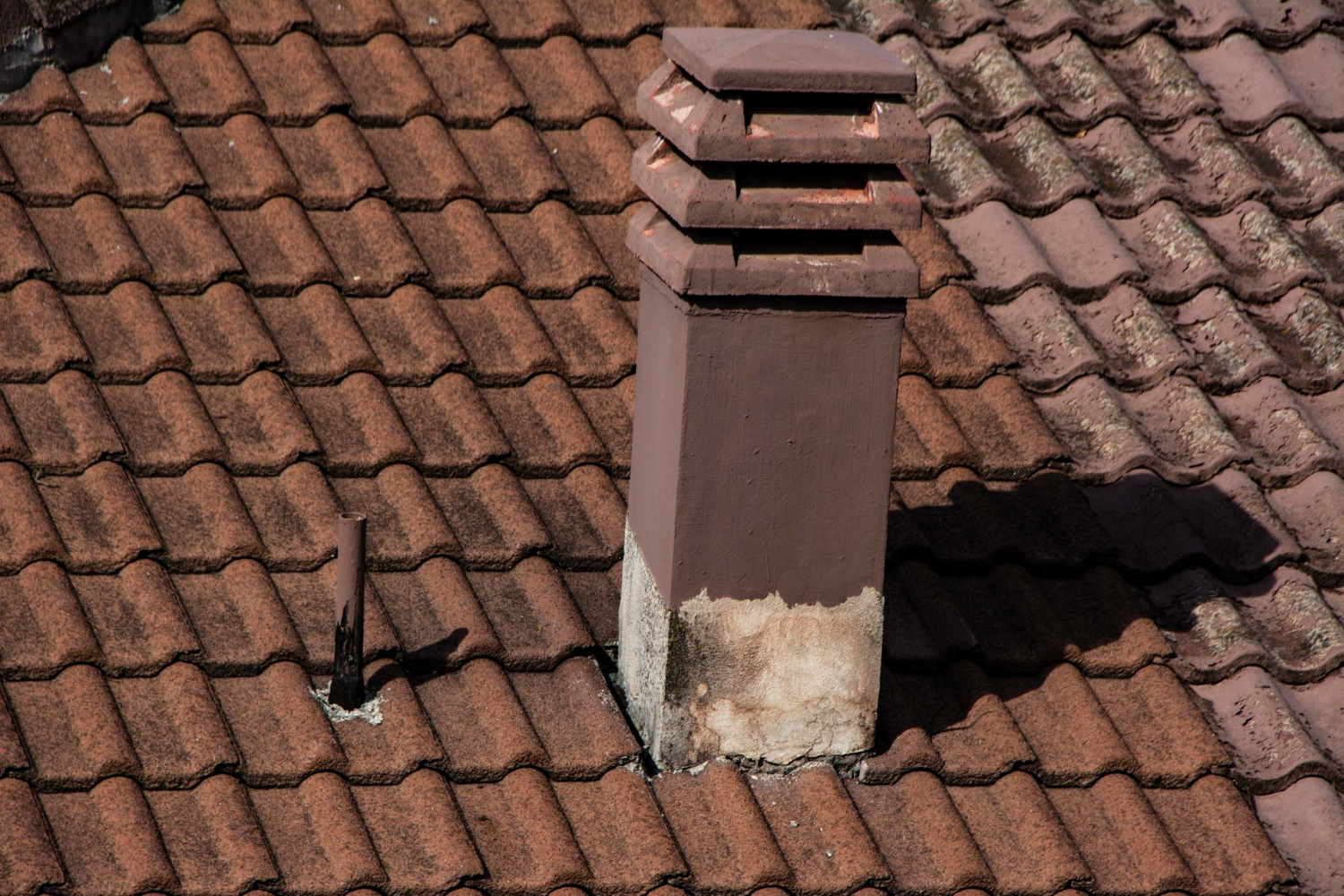
Water damage around your chimney is a serious problem that many homeowners face. Your chimney acts as a direct pathway from the outside elements into your home, making it vulnerable to water intrusion.
When water gets into your chimney system, it can cause damage to multiple parts of your home. The moisture affects the brick, mortar, flue liner, and even the interior walls near your chimney. Small leaks can quickly turn into major structural issues if you don't address them.
Your chimney experiences water damage in several ways. Rain can enter through a damaged or missing chimney cap. Water seeps into cracks in the masonry. It also penetrates through damaged flashing where your chimney meets the roof.
The effects of water damage include:
- Spalling bricks that crack and break apart
- Deteriorating mortar joints between bricks
- Rust and corrosion on metal components
- Stains on ceilings and walls inside your home
- Mold and mildew growth
- Unpleasant odors in your fireplace
Water damage doesn't just affect the appearance of your chimney. It creates safety risks too. A weakened chimney structure can collapse. Moisture inside the flue can lead to dangerous creosote buildup and increase fire risk.
You need to understand how water damages your chimney so you can spot warning signs early. This knowledge helps you take action before minor issues become expensive repairs.
Insights into why chimneys are prone to water damage
Chimneys face constant exposure to moisture because they stick up through your roof and have multiple connection points where water can enter. The materials used in chimney construction naturally break down over time, and even small openings can turn into major leak sources.
Weak points in chimney flashing and roofing
Chimney flashing creates a seal between your chimney and roof, but this connection often fails before other parts of your home. The metal flashing must flex with temperature changes while staying watertight, which puts stress on the materials and seals.
Water sneaks in when flashing pulls away from the chimney or develops gaps at the corners. These gaps start small but grow larger as the metal expands and contracts with seasonal temperature swings. Poor installation makes the problem worse because improperly overlapped flashing lets water flow directly into your home.
The roofing materials around your chimney also create vulnerable spots. Shingles that butt up against the chimney base can lift, crack, or deteriorate faster than shingles in other areas. Step flashing pieces that weave between shingle layers can shift out of position during roof movement or severe weather.
Effects of weather exposure over time
Your chimney takes direct hits from rain, snow, ice, and UV rays throughout the year. Masonry materials like brick and mortar absorb water naturally, and this moisture causes damage through freeze-thaw cycles during winter months.
According to the National Institutes of Health, properly controlling environmental water at critical connection points such as roof edges and copings is one of the most effective strategies for reducing freeze-thaw damage in brick and masonry assemblies.
When temperatures drop below freezing, absorbed water expands inside the tiny cracks and pores of your chimney materials. This expansion pushes the brick and mortar apart from the inside, creating bigger cracks that let in even more water. The cycle repeats with each freeze, causing spalling where brick faces chip off and mortar crumbles away.
Heavy rainstorms then wash into these fresh cracks, and wind-driven rain hits the chimney from all angles, finding every weak spot in the structure. Summer heat and UV exposure dry out mortar joints and cause them to shrink and crack between seasons.
Structural gaps and aging materials
Chimneys develop openings as they age because the materials break down at different rates. The chimney crown at the top often cracks first since it faces the harshest weather and has a large flat surface that collects water.
Mortar joints deteriorate faster than the bricks they hold together. As mortar washes away or crumbles, gaps appear between bricks that create direct pathways for water to enter. These gaps widen over time as more mortar falls out.
The interior flue liner can crack from repeated heating and cooling cycles, letting moisture reach the surrounding masonry from inside the chimney. Older chimneys may lack a liner entirely, which means water vapor from combustion soaks directly into the brick and mortar. Metal components like dampers and flue pipes rust when exposed to moisture, and the rust expands to crack surrounding materials.
Common causes of water damage around chimney
Water enters chimneys through three main vulnerable points: the metal flashing where your chimney meets the roof, the concrete crown at the top, and the chimney cap that covers the opening.
Damaged or missing flashing
Flashing is the metal seal that connects your chimney to your roof. It keeps water from flowing into the gap between these two structures. When flashing gets damaged, bent, or comes loose, water runs straight down into your home.
Roof chimney water leaks often start here because flashing takes constant abuse from weather. The metal expands and contracts with temperature changes. Over time, this movement breaks the seal or creates gaps.
Missing flashing happens when strong winds tear it away or when previous repairs weren't done correctly. Rust also eats through metal flashing, especially if it's made from materials that corrode easily. You might notice water stains on your ceiling near the chimney or dampness in your attic when flashing fails.
Cracked chimney crowns or masonry
The chimney crown is the concrete top that covers the chimney opening. It slopes away from the flue to direct water off the structure. Cracks in this crown let water seep directly into your chimney.
Temperature changes cause the concrete to expand and contract. This movement creates small cracks that grow larger each year. Water gets into these cracks, freezes during winter, and makes them even worse.
The bricks and mortar on your chimney also break down over time. Water weakens the mortar between bricks and erodes the brick surface itself. You'll see white staining, crumbling mortar, or pieces of brick falling off. Once water penetrates the masonry, it damages the inside of your chimney and the surrounding structure.
Clogged or poorly sealed chimney caps
Chimney caps sit on top of your chimney and keep rain, snow, and debris out of the flue. A missing or damaged cap lets water pour straight down into your chimney system.
Caps with mesh screens can get clogged with leaves, bird nests, or other debris. When the screen blocks proper drainage, water pools on top and finds its way through any small opening. The seal between the cap and crown also deteriorates, creating entry points for moisture.
Cheap or improperly installed caps don't fit tightly enough to keep water out. Wind-driven rain gets past poorly fitted caps and runs down the inside of your chimney.
Signs of water damage around your chimney
Water damage shows up in several distinct ways around your chimney. Stains on your ceiling, damaged bricks, and unusual smells all point to moisture problems that need quick attention.
Interior ceiling stains near fireplace
Brown or yellow stains on your ceiling or walls around the fireplace are often the first sign of water entering through your chimney. These stains usually appear as rings or streaks that grow larger after heavy rain. You might notice the paint or wallpaper near your chimney starting to peel or bubble.
The stains typically show up on the ceiling closest to the chimney or along the walls where the chimney passes through your home. Fresh water damage appears darker and wet to the touch. Older damage looks dried out but leaves visible discoloration behind.
Check the attic space around your chimney if you can access it safely. Water stains on the wood framing or insulation near the chimney confirm that moisture is getting inside. The damage spreads from the entry point, so you might see stains several feet away from where water actually enters.
Visible cracks or crumbling bricks
Your chimney's exterior bricks deteriorate when water freezes and thaws inside the masonry. Small cracks in the mortar joints between bricks let water seep in. The bricks themselves can crack vertically or start to crumble at the edges.
White staining on the brick surface means water is pulling salts out of the masonry as it evaporates. This process weakens the bricks over time. Pieces of brick or mortar on the ground near your chimney base signal active deterioration.
The chimney crown at the top can develop cracks that let water pour straight down into the structure. Missing or damaged bricks create gaps where rain enters freely. Exterior wall damage of this kind, if caught early, is far less expensive to repair than deterioration that has spread to surrounding framing.
Musty odors or moisture buildup
A musty smell coming from your fireplace when you're not using it indicates mold growth from excess moisture. According to the U.S. Environmental Protection Agency, wet or damp materials that are not dried within 24 to 48 hours of a leak will begin supporting mold growth, and cleaning the mold without fixing the underlying water problem will allow it to return. The odor gets stronger during humid weather or after rain.
Water pooling inside the firebox or on the smoke shelf above the damper shows that your chimney lacks proper protection. The metal damper may show rust spots or become difficult to open and close. Moisture can make the firebox walls feel damp or cause white mineral deposits to form.
Condensation on the glass fireplace doors or visible moisture on the interior chimney walls points to ongoing water intrusion. The dampness creates an environment where mold and mildew thrive, affecting your home's air quality.
Professional approaches to repairing water damage around chimney
Professionals use specific methods to fix water damage around chimneys, targeting the most common failure points. These repairs address flashing issues, protect masonry from moisture, and restore damaged crowns while adding protective caps.
Sealing and replacing chimney flashing
Your chimney flashing serves as the waterproof barrier between your roof and chimney structure. Professionals inspect the metal flashing for rust, gaps, or separation from the chimney or roof surface. They remove old, damaged flashing and install new step flashing along the sides and counter flashing embedded into the mortar joints.
The repair process involves cutting back deteriorated mortar, positioning new flashing pieces with proper overlap, and sealing all edges with high-quality caulk. Chimney flashing repair typically costs between $400 and $1,600 depending on the chimney size and accessibility. Roofers use materials like aluminum, copper, or galvanized steel that resist corrosion.
Proper installation requires each flashing piece to overlap the next by at least three inches. The counter flashing must extend at least two inches into the mortar joints and one inch down over the step flashing.
Waterproofing masonry surfaces
Chimney waterproofing services apply breathable sealants to your brick and mortar surfaces. These products block water from entering while allowing trapped moisture to escape from inside the masonry. Professionals clean the chimney surface thoroughly before application to ensure proper adhesion.
The waterproofing process includes repairing damaged mortar joints through tuckpointing. Technicians remove loose or crumbling mortar to a depth of about three-quarters of an inch and pack in fresh mortar. They then apply vapor-permeable water repellent to all exposed masonry surfaces.
Key waterproofing benefits:
- Prevents freeze-thaw damage to bricks
- Reduces efflorescence (white salt deposits)
- Extends chimney lifespan by 10 to 15 years
- Stops moisture from reaching interior walls
Repairing crowns and installing caps
Your chimney crown is the concrete top that sheds water away from the flue opening. Professionals repair cracks wider than one-eighth inch using elastomeric crown repair compounds or rebuild severely damaged crowns entirely. A proper crown slopes away from the flue and extends past the chimney edge with a drip edge.
Chimney leak repair for crowns ranges from $400 to $2,200 based on damage severity. Technicians may apply crown coating or sealant as a protective layer over minor cracks.
Installing a chimney cap provides essential protection from rain, animals, and debris. Professional caps include mesh sides to prevent wildlife entry while allowing smoke to exit freely. Metal caps with proper overhang direct water away from the flue and chimney structure.
Tips for preventing future water damage around chimney
Protecting your chimney from water damage requires regular upkeep and preventive measures. Three key strategies can keep your chimney dry and in good condition: scheduled inspections, seasonal cleaning, and protective treatments.
Routine chimney inspections and maintenance
You should have your chimney inspected at least once per year, ideally before the heating season starts. A professional can spot early signs of damage like small cracks, loose bricks, or deteriorating mortar joints before they turn into bigger problems.
During inspections, check the chimney crown for cracks or wear. The crown is the concrete top that covers your chimney and stops water from getting inside the structure. Even hairline cracks can let water seep in and cause damage.
Your chimney cap also needs regular checks. This metal cover sits on top of the flue and blocks rain, snow, and debris from entering. Replace damaged or missing caps right away to maintain protection.
Look for damaged or missing mortar between bricks. Taking care of mortar and masonry problems early prevents water from entering the chimney structure and spreading into your home's framing.
Seasonal roof and gutter cleaning
Clean your gutters at least twice per year, in spring and fall. Clogged gutters cause water to overflow and run down your roof, which can pool around the chimney base and seep through weak spots in the flashing.
Check the flashing around your chimney after heavy storms. Flashing is the metal material that seals the gap between your chimney and roof. Damaged or loose flashing is one of the main causes of chimney leaks.
Remove leaves, branches, and other debris from your roof that collect near the chimney. These materials trap moisture against the chimney surface and can damage the masonry over time.
Applying waterproof coatings and sealants
Apply a breathable waterproofing sealant to your chimney's exterior masonry every three to five years. These products let water vapor escape from inside the chimney while blocking rain from penetrating the brick and mortar.
Choose a vapor-permeable sealer specifically designed for chimneys. Regular waterproofing products can trap moisture inside and cause more damage than they prevent.
Apply sealant on a dry day when temperatures are between 40 and 90 degrees Fahrenheit. The chimney surface must be completely dry before application for the product to bond properly.
According to the Centers for Disease Control and Prevention, mold can grow wherever moisture collects from roof leaks or water intrusion, and even people without mold allergies can experience respiratory irritation from ongoing indoor dampness. Sealing your chimney reduces the moisture conditions that allow mold growth in your crawl space and other areas connected to the chimney chase.
Use a crown sealer on the chimney crown to fill small cracks and prevent them from growing. This flexible coating moves with temperature changes and stops water from entering through the top of your chimney.
Conclusion
Water damage around your chimney requires prompt action. Small leaks quickly turn into major structural problems if you ignore them. Each crack or gap allows more moisture to enter, creating a cycle of deterioration.
Regular inspections help you catch issues early. You should check your chimney at least twice a year, especially before and after winter. Look for signs like water stains, crumbling bricks, or damaged flashing.
Most water damage is preventable through basic maintenance. You don't need to wait until you see visible problems. Taking care of minor repairs now saves you from expensive fixes later.
Your insurance may cover sudden damage but typically won't pay for problems caused by neglect. This makes regular maintenance even more important for protecting your investment.
If you notice water entering your chimney, identify the source quickly. Some temporary fixes can limit damage while you arrange permanent repairs. However, you shouldn't delay professional help for serious issues.
The money and effort you spend on chimney maintenance protects your home's structure and your family's safety. Water damage doesn't fix itself and always gets worse over time. Contact Michaelis Corp to schedule a professional inspection and get expert help protecting your home from chimney water damage.


.avif)