

Repair mold damage involves removing the mold, fixing the materials it damaged, and addressing the moisture problem that caused it in the first place.
Mold damage can happen in any home, and it creates serious problems if you ignore it. Water leaks, flooding, or even high humidity can lead to mold growth that weakens your walls, floors, and ceilings. Beyond the structural issues, mold also poses health risks to you and your family.
You cannot just clean the surface and hope it goes away. The mold will keep coming back unless you deal with the root cause.
This guide will walk you through everything you need to know about mold damage repair. You will learn how to spot the warning signs, understand what causes mold to grow, and decide whether to handle it yourself or hire professionals.
Let’s break down the key points you should consider:
- What is mold damage and why it needs repair
- Signs you need mold damage repair
- Common causes of mold damage
- The professional mold damage repair process
- Mold damage repair vs DIY solutions
- Preventing future mold damage
- Why choose Michaelis Corporation for mold damage repair
You will also discover how to protect your home from future mold problems.
What is mold damage and why it needs repair
Mold damage happens when fungal growth spreads on surfaces inside your home after exposure to moisture. The damage affects both your health and your home's structure, making quick action necessary to prevent worse problems.
Understanding how mold grows indoors
Mold needs three things to grow in your home: moisture, oxygen, and a food source. Common food sources include wood, drywall, carpet, and paper products found throughout your house.
Long-term prevention depends on moisture control, not surface cleaning alone; according to University of Minnesota Extension, the first step in controlling a moisture problem is identifying the source and removing it, and when that isn’t possible, using ventilation or dehumidification helps reduce conditions that support mold.
Water problems create the perfect environment for mold. Leaks from pipes, roofs, or windows provide the moisture mold needs. High humidity above 60% also supports growth. Flooding and water damage give mold the best conditions to spread quickly.
Mold can start growing within 24 to 48 hours after water exposure. This fast timeline means you need to dry wet areas quickly. Once mold begins, it releases spores into the air that spread to new areas.
You might see mold as spots in different colors like black, green, white, or orange. It often appears in bathrooms, basements, attics, and around windows. A musty smell usually signals hidden mold behind walls or under floors even when you can't see it.
Health risks of mold exposure
Breathing mold spores triggers allergic reactions in many people. You might experience sneezing, runny nose, red eyes, and skin rashes. These symptoms get worse the longer you stay exposed.
Mold causes serious problems for people with asthma. It can trigger asthma attacks and make breathing difficult. People with weakened immune systems face higher risks of lung infections from mold exposure.
Children and elderly people are more sensitive to mold effects. Long-term exposure may lead to chronic respiratory issues. Some types of mold produce toxins that cause headaches, dizziness, and fatigue.
Structural risks from prolonged mold growth
Mold breaks down the materials it grows on. Wood framing, floor joists, and roof decking become weak and soft as mold feeds on them. This damage threatens your home's stability over time.
Drywall absorbs moisture and becomes a food source for mold. The material crumbles and loses its strength. You'll need to remove and replace affected drywall sections completely.
Mold creates permanent stains on surfaces that won't come off with normal cleaning. It causes wood to rot and insulation to lose effectiveness. These problems lower your property value and lead to expensive repairs that cost more the longer you wait.
Signs you need mold damage repair
Mold damage requires professional attention when specific warning signs appear in your home. These indicators range from obvious visual growth to subtle health changes that affect your daily life.
Visible mold on walls, ceilings, and floors
Black, green, white, or brown patches on your surfaces indicate active mold growth. These spots often appear fuzzy or slimy and can spread quickly across walls, especially in corners where moisture accumulates. You might notice mold around window frames, on bathroom tiles, or near baseboards.
Ceiling stains combined with visible growth suggest moisture problems from roof leaks or plumbing issues above. Floor mold typically develops near water sources like sinks, toilets, or areas where flooding occurred. Any visible mold requires immediate action because what you see on the surface represents only part of the problem.
Mold colonies can grow behind walls and under flooring without your knowledge. When you spot mold in one area, similar growth likely exists in hidden spaces throughout your home.
Musty odors or persistent moisture
A strong, earthy smell in your home signals mold growth even when you cannot see it. This odor comes from microbial volatile organic compounds that mold releases as it grows. The smell intensifies in enclosed spaces like closets, basements, or rooms with poor ventilation.
Persistent dampness on walls, floors, or ceilings creates ideal conditions for mold development. You might feel moisture when touching surfaces or notice condensation on windows and pipes. High humidity levels above 60% promote rapid mold growth.
Water droplets on walls or a constantly damp feeling in certain rooms indicate moisture problems that need fixing. Mold can begin growing within 24 to 48 hours after water exposure, making quick action essential.
Water stains or discoloration
Brown, yellow, or copper-colored rings on your ceilings and walls show water damage that often leads to mold. These stains indicate current leaks or past water problems that created conditions for mold development. Fresh water stains appear darker and feel damp to the touch.
Peeling or bubbling paint and wallpaper reveal moisture trapped beneath surfaces. This damage occurs when water seeps into walls and creates spaces where mold thrives. Discolored grout between tiles or darkened wood surfaces also suggest water infiltration and potential mold growth.
Respiratory issues or allergic reactions
Unexplained coughing, sneezing, or wheezing that worsens at home indicates possible mold exposure. You may experience nasal congestion, throat irritation, or difficulty breathing in affected rooms. These symptoms often improve when you leave your house.
Skin rashes, red eyes, or headaches without other causes can result from mold spores in your air. Some people experience increased asthma attacks or allergy symptoms that do not respond to typical treatments. If multiple family members develop similar health issues simultaneously, mold contamination may be the source.
Common causes of mold damage
Mold damage happens when moisture problems go unchecked in your home. The main culprits include water leaks, flooding, excess humidity, and structural issues that let water inside.
Water leaks and plumbing failures
Plumbing problems create perfect conditions for mold growth in your home. Leaky pipes behind walls, under sinks, or in crawl spaces provide constant moisture that feeds mold colonies. You might not notice these leaks right away because they happen in hidden areas.
Burst pipes cause immediate water damage and can lead to mold within 24 to 48 hours. Even small drips from faucets, toilets, or water heaters add up over time. The damp areas around these fixtures become breeding grounds for mold spores.
Old or corroded pipes are especially prone to failure. You should check under sinks and around water-using appliances regularly. Look for water stains, warping, or musty smells that signal a hidden leak.
Flooding and storm water intrusion
Flooding brings large amounts of water into your home quickly. Storm water can enter through doors, windows, or foundation cracks during heavy rain. This water soaks into floors, walls, and furniture.
Basement flooding is common in homes with poor drainage systems. Water that pools around your foundation eventually finds its way inside. Once flooding occurs, you have a short window to dry everything out before mold starts growing.
Natural disasters like hurricanes or flash floods cause severe water damage. The combination of standing water and humidity creates ideal mold conditions. Any materials that stay wet for more than two days will likely develop mold.
High humidity and poor ventilation
Indoor humidity levels above 60% encourage mold growth throughout your home. Bathrooms, kitchens, and laundry rooms generate steam and moisture daily. Without proper airflow, this moisture settles on surfaces.
Poor ventilation traps humid air inside your home. Closed-off rooms, blocked vents, and lack of exhaust fans make the problem worse. Condensation forms on windows, walls, and cold surfaces when warm, moist air hits them.
You need to maintain humidity between 30% and 50% to prevent mold. Use exhaust fans when cooking or showering. Open windows when weather permits to let fresh air circulate through your home.
Roof or foundation leaks
Roof damage allows rainwater to seep into your attic and walls. Missing shingles, damaged flashing, or clogged gutters create entry points for water. You might see water stains on ceilings or notice drips during storms.
Foundation cracks let groundwater enter your basement or crawl space. These cracks develop from settling, poor construction, or hydrostatic pressure from wet soil. Water seeping through foundation walls keeps these areas damp year-round.
Attic mold often results from roof leaks that go unnoticed for months. The insulation absorbs water and stays wet, creating a perfect environment for mold. Regular roof inspections help you catch problems before major damage occurs.
The professional mold damage repair process
Professional mold damage repair follows a structured approach to safely eliminate mold and restore your property. Each step builds on the previous one to ensure complete removal and prevent future growth.
Mold inspection and assessment
A certified technician visits your property to conduct a thorough examination of all areas where mold might be present. They look for visible signs of mold growth on walls, ceilings, floors, and other surfaces. The inspector also checks for hidden mold behind drywall, under carpets, and in crawl spaces or attics.
During the assessment, the technician identifies moisture sources that caused the mold problem. They use specialized equipment like moisture meters and thermal imaging cameras to detect water damage you cannot see. The inspector may take air samples and surface samples to determine the type of mold present, including black mold.
You receive a detailed report that outlines the extent of contamination and recommends specific remediation steps. This report helps you understand the scope of work needed and provides a clear plan for moving forward with repairs.
Containment and safety measures
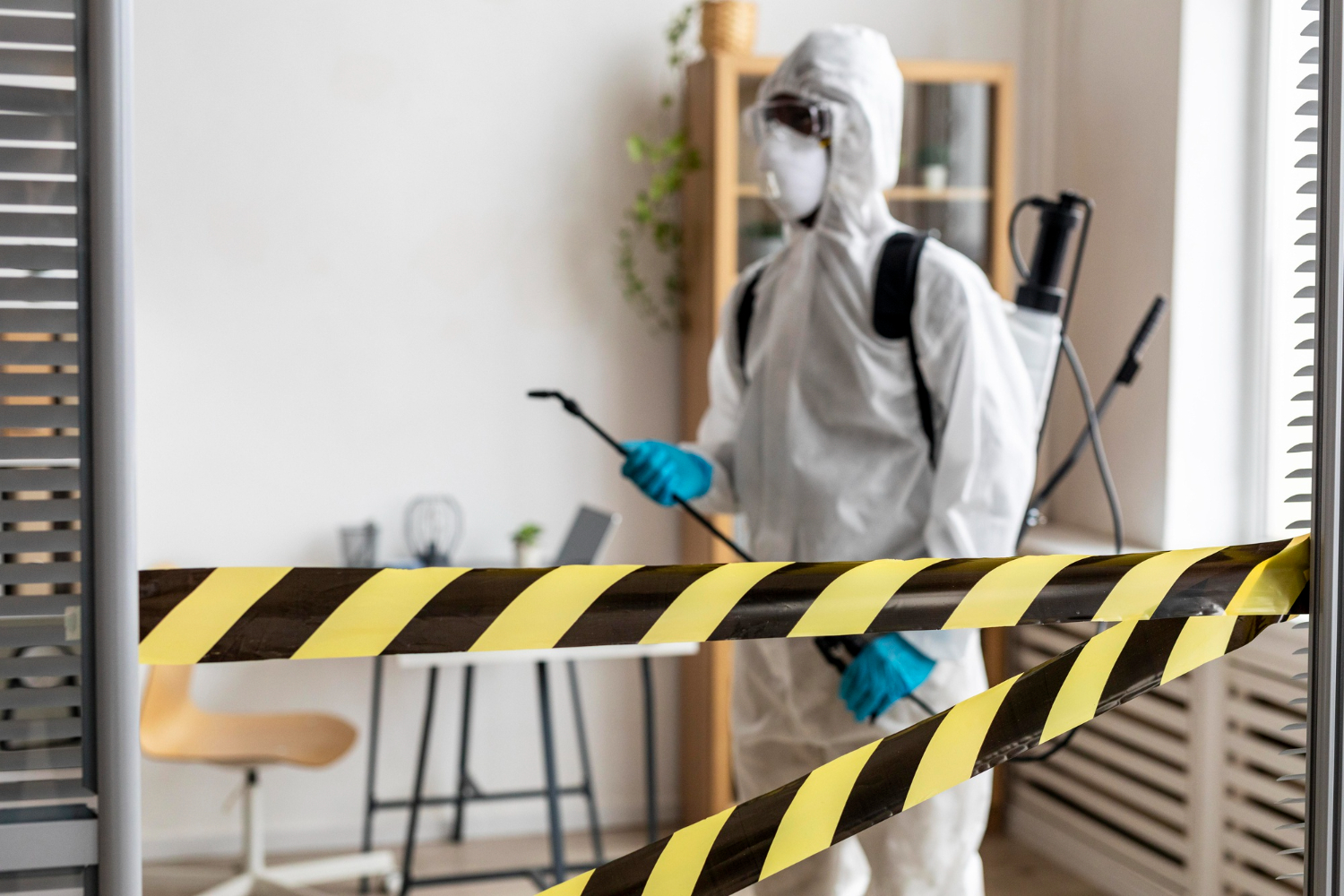
The remediation team sets up physical barriers to prevent mold spores from spreading to unaffected areas during cleanup. They seal off the work area with heavy plastic sheeting and create negative air pressure using specialized fans. This keeps contaminated air from flowing into clean spaces.
Workers wear personal protective equipment including respirators, gloves, and full-body suits. These safety measures protect them from breathing mold spores and coming into direct contact with contaminated materials. The team also turns off your HVAC system to prevent spores from circulating through air ducts.
Proper containment also means proper PPE during cleanup; per OSHA, mold remediators should wear a respirator, protective clothing, gloves, and eye protection to reduce exposure when moldy materials are disturbed and collected.
All doorways and vents in the containment area get sealed with plastic and tape. If the job involves black mold removal, extra precautions are taken due to the potential health risks. The team may install an airlock chamber at the entrance to the work zone for additional protection.
Mold removal and cleaning
Professionals remove all materials that cannot be saved, including damaged drywall, insulation, carpet, and ceiling tiles. They place these items in sealed plastic bags before carrying them out of your home. Porous materials that absorbed mold growth typically cannot be cleaned and must be discarded.
Some materials stay wet too long to be “saved” safely; per HUD, wet fibrous insulation should be removed even if wallboard appears to dry because insulation can remain wet long enough to support hidden mold growth and decay inside walls.
The team uses antifungal and antimicrobial treatments on remaining surfaces to kill mold colonies. They scrub hard surfaces like wood framing, concrete, and metal with specialized cleaning solutions. Wire brushes and other tools help remove stubborn mold growth from textured surfaces.
For items that can be salvaged, technicians use different cleaning methods based on the material type. Furniture, personal belongings, and other non-porous items get cleaned and disinfected. The mold cleanup services include treating all affected areas multiple times to ensure complete removal.
Air filtration and sanitization
The remediation team runs HEPA air filtration devices throughout the entire process to capture airborne mold spores. These machines pull air through high-efficiency filters that trap microscopic particles. The filters must meet strict standards to ensure they catch 99.97% of particles.
Air scrubbers work continuously during removal and cleaning to maintain clean air in the work area. The team monitors air quality with particle counters to verify that spore levels drop to safe levels. They also use foggers to disperse sanitizing agents that kill remaining spores in the air and on surfaces.
After cleaning is complete, technicians conduct air quality testing to confirm the space is safe. Your property must pass clearance testing before the containment barriers come down. This step verifies that mold cleanup services successfully eliminated the contamination.
Repairing and restoring affected materials
Once the area is clean and dry, reconstruction work begins to return your property to its original condition. The restoration team installs new drywall where damaged sections were removed. They also replace insulation, flooring, baseboards, and other building materials that were discarded.
Common restoration tasks include:
- Drywall repair and replacement
- Painting walls and ceilings
- Installing new flooring materials
- Replacing damaged trim and molding
- Fixing plumbing leaks that caused moisture problems
The team matches paint colors and materials to blend repairs with existing finishes. They also address the underlying moisture issues that led to mold growth in the first place. This might involve improving ventilation, fixing leaks, or installing dehumidifiers.
Your property gets returned to you in pre-damage condition with proper documentation of all work performed. The restoration process ensures your space looks and functions as it did before mold damage occurred.
Mold damage repair vs DIY solutions
Small mold problems under 10 square feet can sometimes be handled with DIY methods, but larger infestations require professional expertise. Professional mold remediation succeeds in preventing mold return 95% of the time, while DIY approaches only work 40-60% of the time.
Risks of attempting DIY mold removal
DIY mold removal exposes you to serious health risks if you lack proper protective equipment. Mold spores become airborne during cleaning and can cause respiratory problems, allergic reactions, and skin irritation.
You might miss hidden mold growth behind walls, under flooring, or in HVAC systems. Surface cleaning alone doesn't address the root moisture problem that caused the mold. Without proper containment, you can spread spores to other areas of your home during cleanup attempts.
Standard household cleaners don't kill all mold species effectively. You need specific antimicrobial treatments that professionals use to prevent regrowth. Improper cleaning techniques can also damage building materials and reduce your property value.
When professional remediation is required
You need professional mold remediation when the affected area exceeds 10 square feet. Black mold or toxic mold species require immediate expert intervention due to severe health risks.
Call professionals in these situations:
- Mold growth inside walls, ceilings, or crawl spaces
- Contamination in your HVAC system or ductwork
- Mold caused by sewage or contaminated water
- Structural damage to drywall, wood framing, or insulation
- Health symptoms like persistent coughing or breathing difficulty
- Previous failed DIY attempts
Properties with flooding or significant water damage need professional assessment. Experts use moisture meters and infrared cameras to find all affected areas. They create containment zones to prevent cross-contamination during removal.
Cost and safety benefits of hiring experts
Professional mold remediation costs between $1,500 and $3,500 for most homes. This investment includes proper equipment, containment, removal, and prevention treatments that DIY methods can't match.
Professionals provide liability insurance and guarantees on their work. They follow IICRC standards and local regulations for safe mold removal. Your homeowners insurance may cover professional services but typically won't pay for DIY damage or incomplete remediation.
Experts complete the job faster with industrial-grade equipment like HEPA air scrubbers and commercial dehumidifiers. They identify and fix the moisture source to prevent future growth. This prevents the cycle of repeated DIY attempts that cost more money and time in the long run.
You avoid health risks and potential property damage from improper removal techniques. Professional documentation also helps maintain your home's resale value.
Preventing future mold damage
Stopping mold before it starts requires managing moisture levels, conducting routine checks, and fixing water problems quickly. These three actions work together to create an environment where mold cannot grow.
Controlling moisture and humidity
Mold needs moisture to survive, so keeping humidity below 60% is your first line of defense. Use a hygrometer to measure humidity levels in your home, especially in basements, bathrooms, and kitchens.
Run dehumidifiers in damp areas during humid months. Empty the water collection trays daily or connect them to a drain line for automatic drainage.
Install exhaust fans in bathrooms and kitchens to remove steam and moisture from cooking and showering. Turn these fans on during activities and leave them running for 20 minutes after you finish.
Open windows when weather permits to increase air circulation. This simple step helps reduce indoor humidity naturally and prevents moisture buildup in corners and closed spaces.
Dry wet surfaces within 24 to 48 hours. Wipe down shower walls after use and clean up spills immediately to prevent water from soaking into materials.
Regular inspections and maintenance
Check your home monthly for signs of water damage or mold growth. Look for water stains on ceilings, walls, and floors that indicate hidden leaks.
Inspect these high-risk areas:
- Under sinks and around toilets
- Around windows and doors
- Basement walls and floors
- Attic spaces and roof areas
- Behind appliances like washing machines and refrigerators
Clean gutters twice per year to prevent water from backing up and seeping into walls. Make sure downspouts direct water at least six feet away from your foundation.
Test your HVAC system annually and replace filters every 1-3 months. Clean air ducts every 3-5 years to remove dust and moisture that can support mold growth.
Promptly repairing leaks and water intrusion
Fix leaks as soon as you discover them. A small drip can damage building materials and create perfect conditions for mold within hours.
Replace worn caulking around bathtubs, showers, and sinks. Check these seals every six months and reapply when you see gaps or cracks.
Repair roof damage immediately after storms. Missing shingles or damaged flashing let water enter your attic and walls where it goes unnoticed until mold appears.
Address foundation cracks before they allow groundwater to enter your basement. Seal small cracks with hydraulic cement and consult professionals for larger structural issues.
Install water detection alarms near water heaters, washing machines, and sump pumps. These devices alert you to leaks before they cause extensive damage.
Why choose Michaelis Corporation for mold damage repair
Michaelis Corporation brings over 30 years of mold damage restoration experience to homes and businesses across Indiana. The company combines certified expertise, professional-grade equipment, and complete repair services to handle every aspect of mold damage from start to finish.
Certified and experienced remediation specialists
Michaelis Corporation employs trained mold remediation specialists who understand how to identify and treat mold problems safely. The team has worked on mold damage restoration projects for more than three decades throughout the Indianapolis metro area.
Each technician follows established protocols to assess mold situations and determine the best treatment approach. They know how to locate hidden mold growth behind walls and under floors where water damage often leads to mold problems. The company holds proper licensing, bonding, and insurance coverage for all remediation work.
The specialists prioritize your needs during every project. They explain what they find and walk you through the remediation process before starting work.
Advanced equipment for safe mold removal
Professional mold removal requires specialized tools that most homeowners don't have access to. Michaelis Corporation uses industry-standard equipment designed specifically for mold remediation work.
The company's equipment helps them remove mold safely without spreading spores to other areas of your property. Their tools also detect moisture levels in building materials to find all affected areas.
This professional-grade technology makes the removal process more thorough and effective than basic DIY methods. The right equipment protects both your property and the people working in the space during remediation.
Full-service restoration from cleanup to repair
Michaelis Corporation doesn't just remove mold and leave you with damaged walls or floors. The company provides complete restoration services that return affected areas to their original condition.
After removing the mold, their team repairs and restores damaged materials. This includes fixing walls, replacing flooring, and repairing any structural elements that suffered damage. You get a fully restored space instead of exposed studs or torn-out drywall.
The full-service approach saves you time and hassle. You work with one company from the initial assessment through the final repairs rather than coordinating multiple contractors.
Trusted experience with residential and commercial properties
The company serves both homeowners and business owners throughout the Indianapolis area. Their experience spans single-family homes, multi-family properties, and commercial buildings.
Michaelis Corporation offers 24/7 emergency services for urgent mold situations. They understand that mold problems can affect insurance claims and work directly with policyholders and insurance companies.
The family-owned business has built relationships with customers across Indiana by delivering reliable mold damage restoration services. Their local presence means they respond quickly when you need help with mold problems.
Conclusion
Mold damage repair requires quick action and careful attention to detail. You need to identify the problem early, remove the mold properly, and fix what caused it in the first place.
The repair process involves several important steps. You must assess the damage, contain the affected area, and remove the mold safely. After removal, you need to dry everything completely and repair any damaged materials.
Professional help is often necessary for large infestations or hidden mold. You should call experts when the affected area is bigger than 10 square feet or when mold grows in your HVAC system.
Prevention is your best defense against future problems. You can protect your home by keeping humidity below 60%, fixing water leaks right away, and ensuring good air flow throughout your space.
Regular inspections help you catch mold early before it becomes a bigger issue. Check areas that tend to stay damp, like bathrooms, basements, and around windows. Taking these steps protects both your property and your health.
Schedule professional mold remediation with Michaelis Corporation to remove contamination safely, correct the moisture source, and complete mold damage repair that restores affected materials to code-compliant condition.



.avif)