


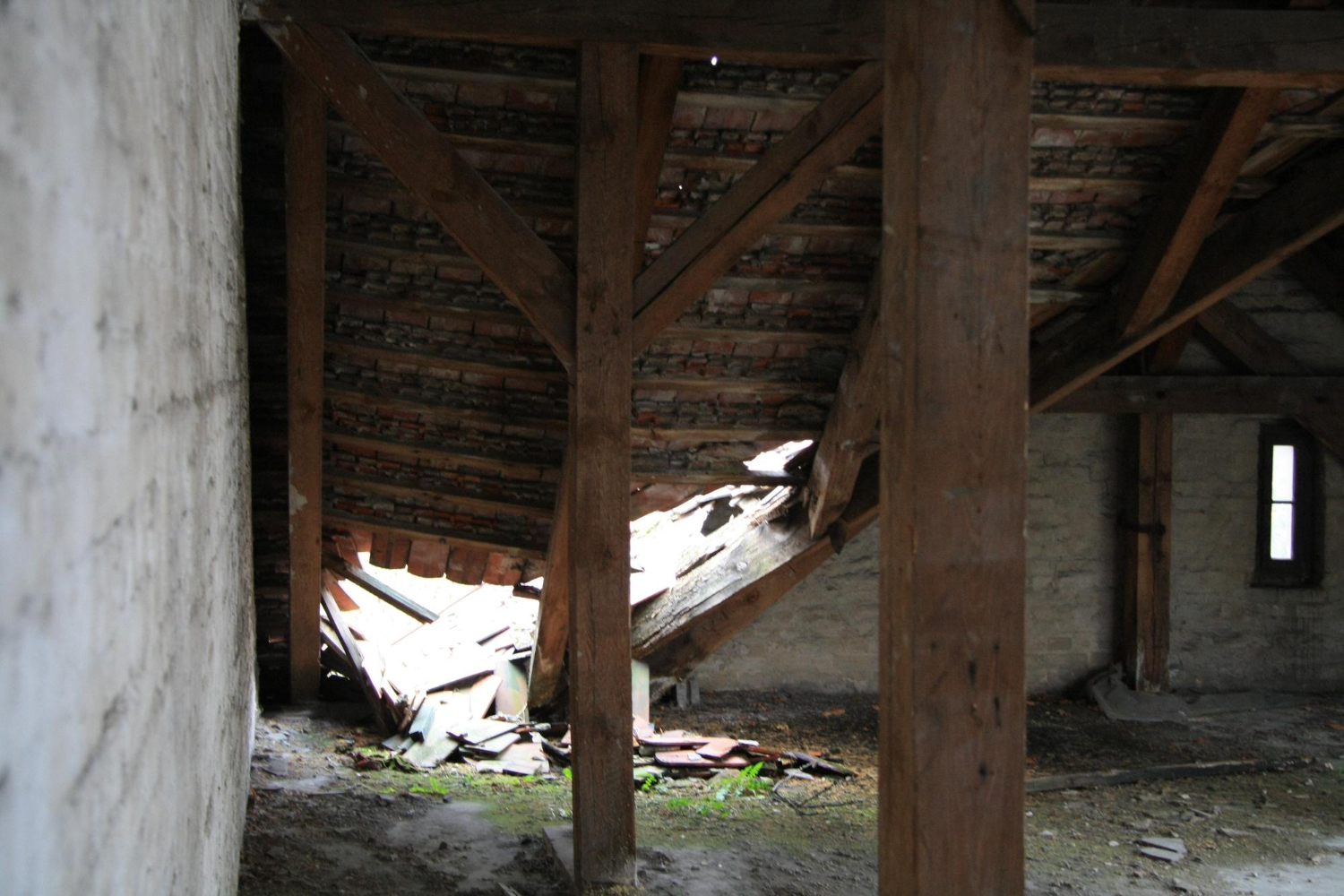
Water in your crawl space might seem like a minor issue, but it can quickly turn into a major problem for your home. Moisture under your house can lead to mold growth, wood rot, pest infestations, and even damage to your foundation. Many homeowners don't realize they have water in their crawl space until serious damage has already occurred.
Acting fast when you discover water in your crawl space is essential to prevent costly repairs and protect your home's structural integrity. The good news is that water damage in crawl spaces can be fixed and prevented with the right approach.
This guide will walk you through everything you need to know about crawl space water damage. You'll learn why early detection matters, what causes water to enter your crawl space, and how to protect your home from future moisture problems.
Here’s what you’ll find below:
- Water damage crawl space: Why early detection is critical
- Common causes of crawl space water damage
- Signs of water damage in your crawl space
- Risks of untreated crawl space water damage
- How professional crawl space water damage restoration works
- Benefits of hiring Michaelis Corp for crawl space water damage
- Preventing future crawl space water damage
Keep reading! Understanding what causes the problem, how to spot the warning signs, and when to call for professional help will save you time and money.
Water damage crawl space: Why early detection is critical
Finding water damage in your crawl space early can save you thousands of dollars in repairs. When moisture problems go unnoticed, they create a chain reaction of issues that spread throughout your home.
Water damage rarely stays contained. Small leaks or standing water quickly lead to wood rot, which weakens the structural supports under your floors. This puts your home's foundation at risk.
According to the U.S. EPA, water-damaged areas and materials should be cleaned and dried within 24–48 hours to help prevent mold growth after crawl space water intrusion.
The longer moisture sits in your crawl space, the more problems you'll face:
- Mold growth can start within 24-48 hours of water exposure
- Wood rot destroys floor joists and support beams
- Pest infestations increase as insects and rodents seek damp areas
- Poor air quality affects your living spaces above
- Higher energy bills result from damaged insulation
Per the U.S. Department of Energy (DOE), adding insulation to floors and crawl spaces (and reducing air leaks) can save up to 20% on heating and cooling costs on average, which is why crawl space waterproofing and air-sealing often pair with restoration.
Your crawl space directly impacts the air you breathe inside your home. Up to 50% of the air in your home comes from your crawl space. When mold and moisture exist below, they send spores and humidity into your living areas.
Early detection prevents minor issues from becoming major expenses. A small leak caught early might cost a few hundred dollars to fix. That same leak left unattended can lead to foundation repairs costing $10,000 or more.
Regular inspections help you spot warning signs before damage spreads. Most experts recommend checking your crawl space at least twice per year. Look for standing water, damp spots, musty odors, or visible mold during these checks.
Common causes of crawl space water damage
Water enters crawl spaces through several distinct pathways, each requiring different solutions. Understanding these causes helps you identify problems early and prevent serious damage to your home's structure.
Poor drainage around the home
Water naturally flows toward your foundation when your property lacks proper grading or drainage systems. The ground around your home should slope away from the foundation at a rate of about 6 inches over the first 10 feet.
When rainwater pools near your foundation, it creates pressure that pushes moisture through foundation walls and into your crawl space. Clogged or damaged gutters make this problem worse by dumping water right next to your home instead of directing it away.
Signs of poor drainage include:
- Standing water near your foundation after rain
- Soil erosion around your home's perimeter
- Overflowing or sagging gutters
- Wet spots in your crawl space after storms
Installing proper drainage systems like French drains or extending downspouts can redirect water away from your foundation before it causes damage.
Broken or leaking pipes
Plumbing problems create some of the most direct sources of crawl space water. Supply lines, drain pipes, and water heaters in or above your crawl space can all develop leaks over time.
Old pipes corrode and crack, while newer pipes can fail due to freezing temperatures or poor installation. Even small drips add up to significant moisture over weeks and months. You might not notice these leaks right away since crawl spaces are rarely inspected.
Common plumbing issues include:
- Corroded supply lines
- Cracked drain pipes
- Failed pipe joints
- Condensation on cold water pipes
Regular inspection of your crawl space plumbing helps catch leaks before they cause extensive water damage or mold growth.
Foundation cracks and gaps
Your foundation develops cracks as your house settles over time or experiences soil movement. These cracks provide direct entry points for groundwater and surface water to enter your crawl space.
Even hairline cracks can allow significant moisture intrusion during heavy rains. Gaps around where pipes or utilities enter your foundation also create openings for water. The problem gets worse in areas with expansive clay soils that swell when wet and shrink when dry.
Hydrostatic pressure from water-saturated soil pushes moisture through these weak points in your foundation. This pressure increases after heavy rainfall or when the water table rises seasonally.
Sealing cracks with appropriate materials and monitoring your foundation for new damage prevents water entry through these vulnerable spots.
Heavy rainfall or flooding
Intense storms overwhelm your property's natural drainage capacity and force water into your crawl space. This happens most often in areas prone to flooding or during unusually heavy precipitation events.
Water can enter through vents, doorways, or any opening in your foundation during severe flooding. The water table may also rise above your crawl space floor level, causing groundwater to seep up from below.
Properties in flood zones or low-lying areas face the highest risk. Poor lot grading compounds the problem by channeling water toward your home instead of away from it.
Installing a sump pump system provides active water removal during flooding events. Vapor barriers and crawl space encapsulation add extra protection against ground moisture.
Condensation and humidity buildup
Warm, humid air creates condensation when it contacts cool surfaces in your crawl space. This moisture accumulates on floor joists, ductwork, and pipes throughout humid months.
Poor ventilation traps humid air inside your crawl space, preventing it from drying out. The problem intensifies in summer when temperature differences between outside air and your cool crawl space are greatest. Exposed soil in unencapsulated crawl spaces releases additional moisture into the air through evaporation.
Factors that increase condensation:
- Inadequate ventilation
- Missing or damaged vapor barriers
- HVAC ducts without proper insulation
- High outdoor humidity levels
Controlling humidity through proper ventilation, dehumidifiers, or full encapsulation stops condensation before it leads to mold growth and wood rot.
Signs of water damage in your crawl space
Water damage in your crawl space creates clear warning signs that you can learn to recognize. Catching these problems early helps you avoid expensive repairs and protects your home's foundation.
Musty odors or damp air
A strong musty smell coming from your floors or vents usually means water is sitting in your crawl space. This odor happens when moisture gets trapped and creates a damp environment below your home.
You might notice the smell gets stronger on humid days or after it rains. The odor can spread through your HVAC system into your living areas. This happens because air naturally moves from your crawl space up into your home.
If you smell something like wet cardboard or dirty socks, you need to check your crawl space. These smells don't go away with air fresheners because they come from an active moisture problem underneath your house.
Mold or mildew growth
Mold appears as black, green, or white patches on wood beams, insulation, and floor joists. It grows when moisture levels stay high for extended periods. You might see fuzzy spots or discolored areas spreading across surfaces.
Mildew looks similar but appears as a powdery white or gray film. Both need moisture to survive and spread quickly in dark, damp crawl spaces.
Look for these growths on wooden supports and insulation material. Mold can damage your home's structure and create health problems for anyone living above. If you see any growth, you have an active water problem that needs attention right away.
Warped or rotting wood
Wooden beams and floor joists absorb water and start to change shape. You might notice beams that sag, twist, or bow in places where they should be straight. The wood feels soft when you press on it instead of firm and solid.
Rot shows up as dark, crumbly areas on wood surfaces. You can sometimes push your finger into rotted wood because it loses its strength. White or brown fungal growth often appears on rotting beams.
Your floors above might feel bouncy or uneven when you walk across them. This happens because the support beams below have weakened from water exposure. Doors and windows might also stick or not close properly when the frame shifts.
Insect or pest infestations
Water attracts termites, carpenter ants, and other pests to your crawl space. These insects need moisture to survive and find wet wood easy to damage. You might see small piles of sawdust or wood shavings under beams.
Termites leave mud tubes along foundation walls and wooden supports. These tubes look like thin lines of dirt running up surfaces. Carpenter ants create smooth tunnels inside wood and leave behind clean-cut holes.
Rodents also move into damp crawl spaces because they need water sources. You might hear scratching sounds or find droppings in the area. Standing water or consistent dampness makes your crawl space a perfect home for unwanted creatures.
Unexplained high humidity levels
Your crawl space humidity should stay below 60 percent. When levels rise above this, moisture problems exist somewhere below your home. You can measure humidity with an inexpensive meter available at hardware stores.
High humidity makes the air feel heavy and damp. You might notice condensation forming on pipes, ductwork, or metal surfaces in your crawl space. Water droplets on cold surfaces mean too much moisture is in the air.
This extra humidity moves upward into your living space and makes your whole house feel uncomfortable. Your air conditioner runs more often trying to remove moisture. Energy bills often increase when crawl space humidity stays high for long periods.
Risks of untreated crawl space water damage
Water damage in your crawl space creates problems that worsen over time and affect your entire home. These issues range from structural failures to health concerns and higher utility costs.
Structural damage to floors and foundation
Water weakens the wooden beams and supports that hold up your floors. When wood stays wet, it rots and loses its ability to bear weight properly. You might notice sagging or bouncy floors above the crawl space as the first sign of this damage.
Your foundation is also at risk. Water puts pressure on foundation walls and can cause cracks. These cracks let more water in, which makes the problem worse. The soil under your home can shift when it gets too wet, leading to uneven settling.
Wooden floor joists can develop rot in as little as a few months when exposed to constant moisture. Metal support structures aren't safe either since standing water causes rust and corrosion. Once structural elements fail, you face expensive repairs that could have been prevented with early action.
Mold and mildew health hazards
Mold grows quickly in damp crawl spaces, often within 24 to 48 hours after water appears. These fungi release spores that travel through your home's air system. You and your family breathe in these spores every day.
Common health problems from mold exposure include:
- Respiratory issues and difficulty breathing
- Allergic reactions like sneezing and watery eyes
- Asthma attacks or worsening asthma symptoms
- Headaches and fatigue
- Skin irritation and rashes
Children, elderly people, and anyone with existing respiratory conditions face higher risks. Black mold is particularly dangerous and requires professional removal. The musty smell from mildew is often the first warning sign that you have a mold problem developing below your home.
Increased energy bills due to humidity
Humid air in your crawl space makes your HVAC system work harder. Moist air takes more energy to heat or cool than dry air. Your system runs longer cycles to reach the temperature you want, using more electricity or gas.
The insulation in your crawl space loses effectiveness when it gets wet. This means less protection between your home and outside temperatures. In summer, you pay more for air conditioning. In winter, your heating costs go up.
You could see your energy bills increase by 15 to 25 percent due to crawl space moisture problems. The humidity also spreads to the rest of your house, making rooms feel uncomfortable even when the thermostat is set correctly.
Damage to insulation and ductwork
Wet insulation becomes compressed and stops working properly. Fiberglass insulation is especially vulnerable since it soaks up water like a sponge. Once wet, it may never dry completely and becomes a breeding ground for mold.
Your HVAC ductwork often runs through the crawl space. Moisture causes several problems with these ducts:
- Metal ducts rust and develop holes
- Flexible ducts tear and separate at connections
- Condensation forms inside ducts
- Mold grows on duct surfaces
These damaged ducts leak heated or cooled air into the crawl space instead of delivering it to your rooms. You waste money conditioning air that never reaches your living spaces. Mold in ductwork also spreads contaminated air throughout your entire home.
Potential for costly long-term repairs
Small water problems become major expenses when you ignore them. A minor leak might cost a few hundred dollars to fix now but could turn into thousands of dollars in repairs later. Foundation repairs alone can cost $5,000 to $15,000 or more depending on the damage.
Replacing rotted floor joists requires tearing out flooring and can cost $100 to $300 per joist. Professional mold remediation runs from $1,500 to $6,000 for most homes. You might also need to replace ductwork, insulation, and any belongings stored in the crawl space.
Your home's value drops if inspectors find water damage during a sale. Buyers either walk away or demand significant price reductions. Insurance companies may deny claims if they determine the damage resulted from long-term neglect rather than a sudden event.
How professional crawl space water damage restoration works
Professional restoration follows a clear process that tackles water damage, prevents future problems, and protects your home's foundation. Trained technicians use specialized equipment and proven methods to remove water, dry the area, eliminate mold, repair damage, and implement waterproofing solutions.
Initial inspection and moisture assessment
Restoration experts start by examining your crawl space to identify the source of water and measure the damage extent. They use moisture meters and thermal imaging cameras to detect hidden water in walls, floors, and support beams.
The inspection reveals whether flooding came from burst pipes, groundwater seepage, or storm damage. Technicians check for structural issues like weakened beams or sagging floors. They document everything with photos and measurements for insurance purposes.
The assessment determines which materials need immediate removal and which can be saved. Your restoration team creates a detailed plan based on moisture levels, contamination type, and structural concerns. This roadmap guides every step of the restoration process.
Water extraction and drying
Powerful pumps and vacuums remove standing water from your crawl space within hours of arrival. Industrial-grade equipment handles large volumes quickly, preventing water from spreading to other areas of your home.
After extraction, technicians place commercial dehumidifiers and air movers throughout the space. These machines run continuously for several days to pull moisture from surfaces, wood, and soil. Proper airflow speeds up drying and stops mold growth before it starts.
Key drying equipment includes:
- Submersible pumps for deep water
- Wet vacuums for residual moisture
- High-velocity air movers for circulation
- Commercial dehumidifiers for humidity control
- Moisture meters to track progress
Technicians monitor moisture levels daily until readings return to normal. Complete drying typically takes 3-7 days depending on water volume and damage severity.
Mold remediation and sanitation
Crawl space water removal creates ideal conditions for mold within 24-48 hours, making quick remediation critical. Professionals contain the affected area with plastic sheeting to prevent spore spread throughout your home.
Technicians remove contaminated insulation, damaged wood, and materials that cannot be salvaged. They apply antimicrobial treatments to surfaces, beams, and foundation walls. HEPA air scrubbers filter mold spores from the air during cleaning.
Severe mold growth requires specialized treatment. Professionals use foggers and negative air machines to eliminate spores in hard-to-reach areas. They sanitize all surfaces with EPA-approved solutions that kill bacteria and prevent regrowth.
Foundation and structural repair if needed
Water damage weakens floor joists, support posts, and foundation walls over time. Structural engineers assess whether your crawl space needs reinforcement or replacement of compromised elements.
Common repairs include installing support jacks under sagging floors and replacing rotted wooden beams with treated lumber. Cracked foundation walls receive epoxy injections or carbon fiber reinforcement strips. Your restoration team fixes these issues before moving forward with waterproofing.
Typical structural repairs:
Problem
Solution
Sagging floors
Adjustable steel support jacks
Rotted beams
Treated lumber replacement
Foundation cracks
Epoxy injection or sealant
Unstable posts
Steel column installation
These repairs restore your home's structural integrity and create a stable foundation for long-term protection.
Crawl space waterproofing and prevention
The final step transforms your crawl space into a dry, protected area. Crews install drainage systems like French drains or sump pumps to redirect water away from your foundation.
Crawl space waterproofing starts with a heavy-duty vapor barrier across the floor and up the walls. This thick plastic liner blocks ground moisture and creates a clean, dry surface. Technicians seal all seams and attach the barrier to walls with mechanical fasteners.
Additional prevention measures include sealing foundation vents, installing dehumidifiers, and improving exterior drainage. Downspout extensions carry rainwater at least 10 feet away from your home. Proper grading ensures water flows away from your foundation rather than pooling near it.
These waterproofing solutions prevent future water intrusion and maintain the crawl space restoration work. Your restoration company provides documentation of all improvements and recommendations for ongoing maintenance.
Benefits of hiring Michaelis Corp for crawl space water damage
Michaelis Corp brings over 39 years of experience to crawl space water damage repair in Indianapolis. Their team combines certified expertise with specialized equipment to address both immediate water issues and long-term moisture problems that threaten your home's foundation and air quality.
Certified technicians with crawl space expertise
The technicians at Michaelis Corp receive specialized training in crawl space water damage restoration. They understand how moisture moves through different soil types and building materials common to Indianapolis homes.
Your crawl space requires more than basic water removal. The team knows how to identify hidden moisture pockets, wood rot, and early signs of structural compromise that untrained workers might miss.
Each technician is certified to handle both residential and commercial properties. They assess your specific situation and create repair plans based on actual conditions rather than using generic solutions.
Fast, thorough inspection and water removal
Michaelis Corp offers 24/7 emergency water remediation services. When you call, their team responds quickly to prevent further damage and mold growth.
The inspection process covers your entire crawl space, not just visible water areas. Technicians check moisture levels in floor joists, look for standing water in hard-to-reach spots, and identify the source of water entry.
Their removal process eliminates both surface water and absorbed moisture. This thorough approach prevents the water damage from spreading to other parts of your home's structure.
Advanced equipment for drying and dehumidification
Professional-grade equipment makes a significant difference in crawl space restoration. Michaelis Corp uses industrial dehumidifiers that remove moisture far more effectively than consumer models.
Their drying systems target both visible water and humidity trapped in wood and insulation. The equipment monitors moisture levels throughout the process to ensure complete drying.
This technology prevents mold growth and wood rot that can develop when crawl spaces stay damp. Standard fans and portable dehumidifiers often leave enough moisture behind to cause ongoing problems.
Long-term moisture prevention solutions
Michaelis Corp specializes in both restoration and encapsulation services. After removing water damage, they install barriers and systems that keep moisture out permanently.
Their prevention approach addresses root causes like groundwater seepage, poor drainage, and air leaks. This stops water problems from returning after the initial repair.
The company installs vapor barriers, drainage systems, and ventilation improvements tailored to your crawl space. These solutions protect your investment by preventing future water intrusion and the expensive repairs that come with it.
Protects your home's structural integrity and air quality
Water damage in your crawl space affects your entire home. Moisture weakens floor joists, causes sagging floors, and creates conditions for mold that spreads through your HVAC system.
Michaelis Corp's repair process addresses structural damage before it becomes severe. They replace rotted wood, reinforce weakened supports, and ensure your foundation remains stable.
The air in your crawl space circulates throughout your home. By eliminating moisture and mold at the source, their services improve indoor air quality and protect your family's health. Their work prevents the musty odors and allergens that come from neglected crawl space problems.
Preventing future crawl space water damage
Protecting your crawl space from water damage requires a combination of regular upkeep, proper drainage systems, and strategic improvements to your home's foundation and exterior. These prevention methods work together to keep moisture out and maintain a dry, healthy space beneath your home.
Regular inspections and maintenance
You should inspect your crawl space at least twice a year, typically in spring and fall. Look for signs of moisture like water stains, puddles, or damp soil. Check for mold growth on wood surfaces and insulation.
Pay attention to musty odors, which often indicate hidden moisture problems. Examine wooden beams and floor joists for soft spots or discoloration that suggest water damage.
During each inspection, test your existing moisture control systems. Make sure vapor barriers remain intact without tears or gaps. Replace any damaged materials immediately to prevent crawl space mold prevention issues from developing.
Keep a maintenance log of each inspection. Note any changes in moisture levels or new problem areas. This record helps you identify patterns and catch issues before they become serious.
Proper grading and drainage solutions
The ground around your home should slope away from the foundation at a grade of at least 6 inches over 10 feet. This prevents rainwater from pooling near your crawl space entrance.
According to South Dakota State University Extension, proper surface drainage includes maintaining at least a 5% slope away from the house (about 6 inches of drop over 10 feet) to reduce water collecting near the foundation and entering the crawl space.
Install a French drain system if your property naturally directs water toward your home. These drains collect groundwater and channel it away from your foundation. Place them at least 6 feet from your home's perimeter.
Add gravel or crushed stone around your foundation to improve drainage. A layer 4-6 inches deep helps water filter through soil instead of collecting near your crawl space walls.
Consider installing exterior drain tiles if you live in an area with heavy rainfall. These perforated pipes sit at the foundation's base and redirect water to a safe drainage point away from your home.
Installation of sump pumps or dehumidifiers
A sump pump removes standing water from your crawl space during floods or heavy rains. Install it at the lowest point where water naturally collects. Choose a pump with a battery backup system to ensure it works during power outages.
Dehumidifiers control moisture levels in enclosed crawl spaces. Set yours to maintain humidity below 50 percent to prevent mold growth. Empty the collection tank regularly or connect it to a drain line for automatic removal.
You may need both systems if you face frequent flooding and high humidity. The sump pump handles large water volumes while the dehumidifier manages ambient moisture between rain events.
Test your equipment monthly to confirm proper operation. Clean intake screens and check discharge lines for blockages that could cause system failure.
Sealing foundation cracks and gaps
Foundation cracks allow water to seep into your crawl space even during light rain. Inspect your foundation walls for cracks wider than 1/8 inch. These need immediate repair with hydraulic cement or epoxy injection.
Seal gaps around pipes, vents, and utility lines with expanding foam or caulk. These openings create pathways for moisture and reduce the effectiveness of other prevention measures.
Apply waterproof sealant to concrete walls and floors. This creates a barrier that stops water from passing through porous concrete. Reapply sealant every 3-5 years as it degrades over time.
Install a vapor barrier over exposed soil in your crawl space. Use heavy-duty plastic sheeting at least 6 mil thick. Overlap seams by 12 inches and seal them with tape designed for vapor barriers.
Maintaining gutters and downspouts
Clean your gutters at least twice yearly to prevent overflow that dumps water near your foundation. Remove leaves, twigs, and debris that block water flow. Consider installing gutter guards to reduce cleaning frequency.
Extend downspouts at least 10 feet away from your home. Short downspouts deposit large volumes of roof runoff directly beside your foundation where it can enter your crawl space.
Check that gutters maintain proper slope toward downspouts. Standing water in sagging sections spills over the edges during rain. Adjust hangers to restore correct drainage angles.
Repair loose or damaged gutter sections immediately. Leaking joints and holes defeat the entire purpose of your gutter system by allowing water to fall in concentrated streams near your foundation walls.
Conclusion
Water damage in your crawl space needs quick action. The longer you wait, the worse the problems become.
Standing water and moisture create perfect conditions for mold growth and wood rot. These issues threaten your home's structure and can affect the air quality throughout your house. Pests are also attracted to damp crawl spaces.
The best approach depends on what's causing the water in your crawl space. Heavy rain, poor drainage, plumbing leaks, and high groundwater can all lead to moisture problems. You might need to combine multiple solutions for the best results.
Regular inspections help you catch water damage early. Check your crawl space at least twice a year and after major storms.
Professional help may be necessary for serious water damage or ongoing moisture issues. Experts can identify the root cause and recommend the right waterproofing solutions for your specific situation.
Schedule crawl space water removal and moisture-control service with Michaelis Corp to extract water, dry the space, and implement crawl space waterproofing measures that help prevent mold and structural damage.



.avif)