

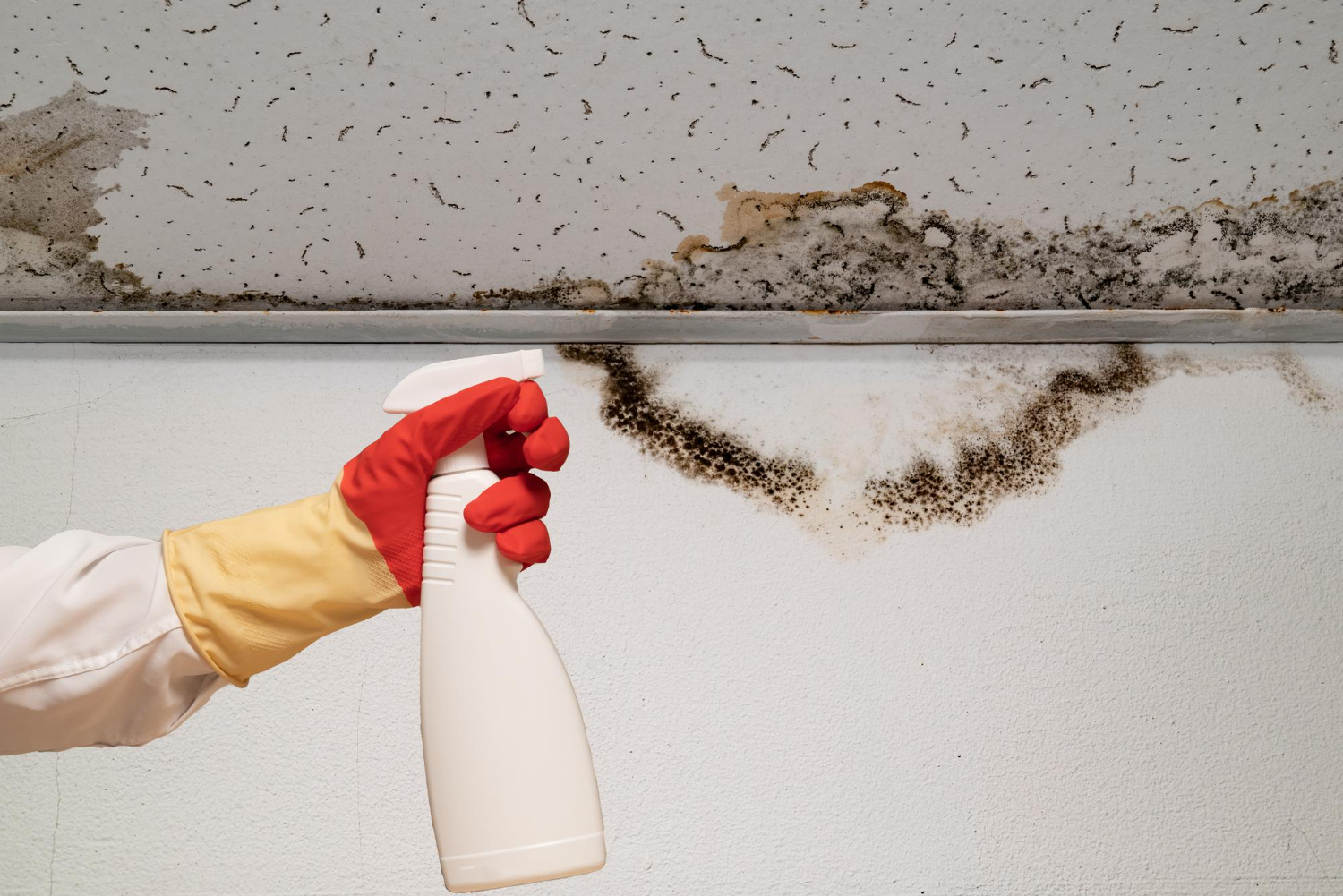
Mold damage restoration services remove existing mold, repair affected areas, and help prevent future growth to protect both your property's structure and the health of everyone inside.
Mold damage can affect any property, turning a small moisture problem into a serious threat to your building and your health. When mold starts growing in your home or business, it spreads quickly through walls, floors, and air systems.
Understanding when you need professional help can save you time and money. Mold often hides in places you can't see, like behind walls or under floors.
This article will guide you through recognizing mold damage, understanding what causes it, and learning how professional restoration works. You'll learn what to look for, how professionals handle mold problems, and steps you can take to keep mold from coming back.
Here’s what you’ll find below:
- What is mold damage and why it matters
- Signs your property needs mold damage restoration
- Causes of mold damage
- The mold damage restoration process
- Benefits of hiring Michaelis Corp for mold restoration
- Preventing future mold damage
Keep reading! Taking action quickly matters because mold doesn't wait. The longer it grows, the more damage it causes and the harder it becomes to remove
What is mold damage and why it matters
Mold damage occurs when fungal growth spreads through building materials and indoor spaces, causing both health problems and property deterioration. This growth typically starts from excess moisture and can quickly become a serious issue if not addressed properly.
How mold develops after water damage or high humidity
Mold needs three things to grow: moisture, organic material, and warmth. When water damage occurs in your property, mold spores can begin growing within 24 to 48 hours.
According to the U.S. EPA, water-damaged areas and materials should be cleaned and dried within 24–48 hours to help prevent mold growth after a leak or flood event.
Common water damage sources include burst pipes, roof leaks, flooding, and sewage backups. Even minor leaks behind walls or under floors can create the perfect environment for mold.
High humidity levels above 60% also promote mold growth without any visible water damage. Bathrooms, kitchens, and basements naturally have higher humidity levels. Poor ventilation traps moisture inside your building and creates conditions where mold thrives.
Per the CDC, to help prevent mold growth, keep indoor humidity as low as you can—no higher than 50%—using air conditioning or a dehumidifier when needed.
Once mold starts growing, it releases more spores into the air. These spores land on other damp surfaces and continue spreading throughout your property.
Health risks associated with mold exposure
Mold exposure affects people differently depending on their sensitivity and the type of mold present. You might experience respiratory problems like coughing, wheezing, and difficulty breathing when exposed to mold spores.
Common health symptoms include:
- Nasal congestion and sinus issues
- Eye irritation and redness
- Skin rashes and irritation
- Throat irritation
- Persistent headaches
- Fatigue and difficulty concentrating
People with asthma or allergies face more severe reactions to mold exposure. Young children, elderly individuals, and those with weakened immune systems are at higher risk for serious health complications.
Certain types of mold produce mycotoxins, which can cause more serious health effects with prolonged exposure. Your symptoms may worsen the longer you remain in a mold-contaminated environment.
Structural damage caused by untreated mold
Mold feeds on organic materials in your building, breaking them down over time. Wood framing, drywall, insulation, and ceiling tiles all provide food sources for mold growth.
As mold consumes these materials, it weakens their structural integrity. Wood beams can rot and lose their load-bearing capacity. Drywall becomes soft and crumbles easily when touched.
You may notice visible signs like discoloration, warping, or bubbling on walls and ceilings. Paint and wallpaper peel away from surfaces affected by mold. Floors may feel soft or spongy in areas with hidden mold growth underneath.
The longer mold remains untreated, the more extensive and expensive the repairs become. What starts as a small patch can spread throughout entire walls, requiring complete removal and replacement of building materials.
Common areas where mold grows in homes and businesses
High-risk areas for mold growth:
Location
Why Mold Grows There
Bathrooms
Steam and humidity from showers
Kitchens
Moisture from cooking and plumbing
Basements
Poor ventilation and potential flooding
Attics
Roof leaks and inadequate ventilation
Crawl spaces
Ground moisture and limited airflow
HVAC systems
Condensation in ducts and units
You should also check around windows and doors where condensation collects. Laundry rooms with poor ventilation create moisture problems. Commercial buildings often have mold in break rooms, restrooms, and areas with water heaters or plumbing.
Hidden mold grows behind walls, under flooring, and above ceiling tiles. You might smell a musty odor even when you cannot see visible mold growth.
Long-term consequences if left unaddressed
Delaying mold remediation leads to progressively worse problems in your property. The mold colony expands and affects more building materials, increasing restoration costs significantly.
Your property value decreases when mold issues remain unresolved. Buyers and renters avoid properties with known mold problems. You may face legal liability if tenants or occupants develop health issues from mold exposure.
Insurance companies may deny future claims if you knew about mold damage but failed to address it promptly. Some policies exclude mold coverage entirely for preventable situations.
The health effects on occupants compound over time with continued exposure. What starts as minor irritation can develop into chronic respiratory conditions. Businesses face productivity losses when employees call in sick due to mold-related illnesses.
Signs Your Property Needs Mold Damage Restoration
Mold problems rarely stay hidden for long. Recognizing early warning signs helps you address the issue before it causes serious damage to your home and health.
Visible Mold Growth On Walls, Ceilings, Or Floors
Mold appears as dark spots, fuzzy patches, or discolored areas on surfaces throughout your home. You might see black, green, white, or orange growths spreading across walls, ceilings, or floors. These patches often start small but expand quickly when moisture is present.
Check areas that stay damp or have poor air circulation. Basements, bathrooms, kitchens, and laundry rooms are common spots for visible mold. Look behind furniture, under sinks, and around windows where condensation builds up.
Any visible mold growth larger than 10 square feet requires professional restoration. Even small patches indicate a moisture problem that needs fixing. Mold on drywall, insulation, or wooden structures means the material may need replacement rather than simple cleaning.
Musty Odors In Rooms Or Crawl Spaces
A musty smell is one of the most common signs of hidden mold. This odor comes from microbial volatile organic compounds that mold releases as it grows. The smell resembles damp soil, wet cardboard, or rotting wood.
You might notice the odor in specific rooms or throughout your entire home. Crawl spaces, attics, and areas behind walls often harbor mold you cannot see. The smell gets stronger in humid weather or when you turn on your HVAC system.
If you smell mustiness but cannot find the source, mold is likely growing inside walls, under flooring, or in ventilation ducts. Professional mold inspectors use moisture meters and thermal imaging to locate hidden growth. Do not ignore persistent musty odors even when no visible mold exists.
Water Stains, Leaks, Or Condensation Spots
Water stains show up as yellow, brown, or dark patches on ceilings and walls. These marks indicate current or past water intrusion. Any water damage creates conditions for mold growth within 24 to 48 hours.
Active leaks from pipes, roofs, or windows provide constant moisture for mold colonies. You might see water pooling, dripping sounds, or damp spots on surfaces. Condensation on windows, pipes, or walls also creates enough moisture for mold to develop.
Recent flooding or water damage requires immediate attention. Even if you dried visible water, moisture can remain trapped in walls, floors, and insulation. Professional restoration services check moisture levels in building materials to prevent future mold problems.
Respiratory Or Allergy Symptoms In Occupants
Mold exposure causes health problems that worsen while you are inside your home. Common symptoms include coughing, sneezing, wheezing, and difficulty breathing. You might experience itchy eyes, skin rashes, or a runny nose.
People with asthma or allergies often have more severe reactions to mold. Symptoms improve when you leave the property and return when you come back. Children, elderly individuals, and those with weakened immune systems face higher health risks.
If multiple household members develop similar symptoms, mold contamination may be the cause. Headaches, fatigue, and sinus congestion that persist despite treatment point to poor indoor air quality. Professional mold remediation removes the source of these health issues.
Warped Or Discolored Building Materials
Excess moisture causes building materials to change shape and color. Warped walls, buckling floors, or sagging ceilings indicate water damage and potential mold growth. Wood surfaces may feel soft or spongy when pressed.
Discoloration appears as dark streaks, yellowing, or white chalky deposits on surfaces. Paint or wallpaper might bubble, peel, or crack. Baseboards and trim can separate from walls when moisture compromises the adhesive.
These structural changes mean water has penetrated deep into building materials. Mold grows inside these damp materials where you cannot see it. Damaged drywall, insulation, and flooring often require removal and replacement during restoration. The longer moisture remains in building materials, the more extensive the damage becomes.
Causes of mold damage
Mold grows when moisture builds up in your home and stays there long enough for spores to take hold. Understanding where this moisture comes from helps you prevent serious damage to your property and avoid health risks for your family.
Flooding or plumbing leaks
Water from floods or burst pipes creates ideal conditions for mold growth within 24 to 48 hours. When your basement floods or a pipe breaks behind your walls, moisture seeps into building materials like drywall, insulation, and wood framing.
Even small plumbing leaks under sinks or behind toilets can cause significant mold problems over time. These hidden leaks often go unnoticed for weeks or months while mold spreads through your walls and floors.
Your washing machine hoses, water heater connections, and supply lines can develop slow leaks that damage surrounding areas. Kitchen and bathroom plumbing creates the most mold issues because these rooms already have higher moisture levels.
Poor ventilation and high humidity
Lack of proper airflow traps moisture inside your home and raises indoor humidity levels above 60 percent. Bathrooms without exhaust fans allow steam from showers to condense on walls and ceilings where mold thrives.
Your kitchen needs good ventilation to remove moisture from cooking and dishwashing. Without it, water vapor settles on cabinets, countertops, and other surfaces.
Closed-up rooms with little air circulation become breeding grounds for mold growth. This happens most often in spaces you don't use regularly or homes that stay closed up during certain seasons.
Roof or foundation leaks
Damaged shingles, cracked flashing, or worn roofing materials let rainwater enter your attic and walls. This water travels down through your home's structure and creates wet spots where mold can grow.
Foundation cracks allow groundwater to seep into your basement or crawl space. These cracks often develop as your house settles or when water pressure builds up around your foundation during heavy rains.
Missing or damaged gutters cause water to pool near your foundation instead of draining away properly. This water finds its way through small openings in your foundation walls and creates chronic moisture problems.
Condensation in crawl spaces and attics
Temperature differences between your crawl space and the ground below cause moisture to form on cold surfaces. This condensation drips onto wood joists, insulation, and subflooring where mold colonies develop.
Your attic experiences similar problems when warm air from your living space meets cold roof decking. Poor insulation and air sealing make this condensation worse during winter months.
Crawl spaces with dirt floors release moisture into the air constantly through a process called evaporation. Without proper vapor barriers and ventilation, this moisture has nowhere to go except into your home's structure.
Improper drainage around the property
Your yard should slope away from your house to direct rainwater away from the foundation. When the ground slopes toward your home, water pools against foundation walls and eventually finds ways inside.
Clogged or disconnected downspouts dump water right next to your foundation instead of carrying it away. This concentrated water creates constant pressure against basement walls and leads to seepage.
Missing or inadequate gutters let rainwater sheet off your roof and saturate the soil around your foundation. French drains and other drainage systems stop working when they get clogged with soil and debris.
The mold damage restoration process
Professional mold remediation services follow a structured approach to eliminate mold and restore your property to a safe condition. The process addresses both visible growth and hidden moisture sources to prevent mold from returning.
Thorough inspection and mold assessment
A certified technician starts by examining your entire property to locate all mold growth. They use moisture meters and infrared cameras to find hidden water damage behind walls, under floors, and in other concealed areas.
The inspection identifies the type of mold present and measures the extent of contamination. Your technician documents affected areas with photos and notes. They also locate the moisture source causing the mold, whether it's a roof leak, plumbing issue, or humidity problem.
This assessment determines the scope of work needed and helps create a restoration plan. You receive a detailed report outlining the findings and recommended solutions.
Containment to prevent cross-contamination
Professionals set up physical barriers to isolate the affected area from the rest of your property. They use heavy-duty plastic sheeting to seal doorways, vents, and other openings. This prevents mold spores from spreading during removal.
According to OSHA, mold remediation plans for larger jobs should include work area isolation and exhaust ventilation with HEPA filtration (often with airlocks/decontamination areas) to reduce cross-contamination during removal.
Negative air pressure systems pull air out of the contaminated zone and filter it through HEPA filters before releasing it outside. These air machines create a vacuum effect that keeps spores contained.
Workers wear protective equipment including respirators, gloves, and disposable suits. They may also turn off your HVAC system to prevent spores from traveling through ductwork.
Mold removal and cleaning of affected materials
The removal process depends on what materials the mold has damaged. Non-porous surfaces like glass, metal, and tile can be cleaned and sanitized. Porous materials like drywall, insulation, and carpet usually need complete removal if heavily contaminated.
Technicians use HEPA vacuums to capture loose spores from surfaces. They apply antimicrobial solutions to kill remaining mold and prevent regrowth. Water damage mold cleanup often requires removing baseboards, sections of drywall, and other building materials.
All contaminated materials go into sealed bags before removal from your property. This prevents spores from spreading to clean areas during disposal.
Drying and dehumidification to eliminate moisture
Industrial dehumidifiers and air movers work together to dry all affected areas completely. These machines run continuously for several days to remove moisture from surfaces and the air.
Moisture levels must drop below 50% relative humidity to prevent new mold growth. Technicians monitor readings daily with moisture meters to track progress.
Your restoration team also fixes the original water source during this phase. This might include repairing leaks, improving ventilation, or addressing drainage problems. Without eliminating the moisture source, mold will return.
Repair and restoration of damaged areas
Once everything is dry and mold-free, reconstruction begins. This phase restores your property to its pre-damage condition or better.
Minor restoration includes replacing drywall, painting, and installing new carpet. Major restoration involves rebuilding entire rooms, replacing flooring systems, or reconstructing structural elements.
Your contractor matches existing materials and finishes as closely as possible. They ensure all repairs meet building codes and safety standards. The final step includes testing to verify mold levels have returned to normal and no moisture issues remain.
Benefits of hiring Michaelis Corp for mold restoration
Michaelis Corp brings over 39 years of experience to mold restoration projects in Indianapolis, offering licensed professionals who handle both residential mold removal and commercial mold restoration. Their comprehensive approach includes proper removal techniques, preventive solutions, and support throughout the insurance process.
Licensed and certified mold remediation specialists
Michaelis Corp operates as a licensed, bonded, and insured general contractor with specific expertise in mold remediation. Their certification means they follow industry standards and local regulations when removing mold from your property.
You get trained professionals who know how to identify different types of mold and select the right treatment methods. The company assesses each situation individually rather than using a one-size-fits-all approach.
Their credentials matter because improper mold removal can spread spores throughout your building. Licensed specialists understand containment procedures and use appropriate equipment to protect unaffected areas during the removal process.
Fast and safe mold removal
Quick response matters when you discover mold in your home or business. Michaelis Corp provides rapid response services to stop mold from spreading to new areas.
The team uses safe removal methods that protect both your property and the people inside it. They follow protocols that prevent cross-contamination during the cleanup process.
Key safety measures include:
- Proper containment barriers
- Air filtration systems
- Personal protective equipment
- Controlled demolition of affected materials
- Safe disposal of contaminated items
Your daily activities face less disruption because the crew works efficiently while maintaining safety standards. They handle both small residential problems and large commercial mold restoration projects.
Prevention of future mold growth
Removing existing mold solves only part of the problem. Michaelis Corp identifies the moisture sources that allowed mold to grow in the first place.
The team examines your property for water leaks, humidity issues, and ventilation problems. They provide recommendations to fix these underlying causes.
Their waterproofing services complement mold remediation work. If your basement or crawl space contributed to the mold problem, they can install systems to keep moisture out permanently.
You receive guidance on maintaining proper humidity levels and improving air circulation. This knowledge helps you avoid spending money on repeated mold removal services.
Assistance with insurance claims
Insurance restoration forms part of Michaelis Corp's core services. The company works with your insurance provider to document the damage and justify the necessary repairs.
They provide detailed assessments and photographs that support your claim. This documentation helps you receive appropriate coverage for both residential mold removal and commercial mold restoration projects.
The team understands what insurance companies require and can explain the process in clear terms. You avoid common mistakes that might delay your claim or reduce your settlement.
Protection of property value and occupant health
Mold damages building materials and creates health risks for anyone inside your property. Professional remediation protects both your investment and the people who live or work there.
Visible mold and musty odors reduce property values and make spaces difficult to sell or rent. Complete removal restores your property's marketability.
Health symptoms linked to mold exposure:
- Allergic reactions
- Respiratory problems
- Eye and skin irritation
- Headaches
Proper remediation eliminates these health risks for your family, employees, or tenants. Michaelis Corp removes contaminated materials completely and treats affected surfaces to prevent regrowth.
Their thorough approach means you can use your space without worrying about hidden mold causing problems later. Both residential and commercial properties benefit from this comprehensive treatment that addresses visible growth and potential problem areas.
Preventing future mold damage
Stopping mold before it starts requires consistent maintenance and smart building practices. The key steps include regular inspections, controlling moisture levels, fixing water problems quickly, managing hidden areas like crawl spaces, and choosing the right materials.
Regular property inspections
You should inspect your property at least twice a year to catch mold problems early. Check common problem areas like bathrooms, kitchens, basements, and around windows. Look for water stains, discoloration, musty odors, and visible mold growth.
Pay special attention to areas where water pipes run through walls and ceilings. These spots often develop leaks that go unnoticed until mold appears.
Use a flashlight to examine dark corners and behind furniture where air circulation is poor. Document any issues you find with photos and dates so you can track changes over time. Early detection saves you money and prevents extensive damage to your property.
Proper ventilation and moisture control
Keep indoor humidity levels between 30-50% to prevent mold growth. You can measure humidity with an inexpensive hygrometer from any hardware store.
Run exhaust fans in bathrooms during showers and for 30 minutes afterward. Install exhaust fans in your kitchen to remove steam and moisture from cooking. Open windows when weather permits to increase air circulation throughout your home.
Use dehumidifiers in damp areas like basements and laundry rooms. Empty the water collection tanks daily or connect them to a drain for continuous operation. Clean or replace HVAC filters monthly to maintain proper airflow and prevent moisture buildup in your ductwork.
Immediate repair of leaks and water issues
Fix any leaks within 24-48 hours of discovery to prevent mold growth. Even small drips can create enough moisture for mold to develop. Check under sinks, around toilets, and near water heaters regularly for signs of leaking.
Replace worn washers, tighten loose connections, and repair damaged pipes right away. Don't wait for a small problem to become a major water damage event.
Address roof leaks immediately by having damaged shingles replaced or flashing repaired. Clear gutters and downspouts seasonally to ensure water flows away from your foundation. Grade soil around your property so water drains away from the building rather than pooling near walls.
Crawl space and attic moisture management
Install vapor barriers in crawl spaces to block ground moisture from entering your home. These plastic sheeting barriers should cover the entire ground surface and extend up foundation walls by at least six inches.
Ensure crawl space vents work properly or consider encapsulation with a dehumidifier for better moisture control. Check that insulation in these areas stays dry and replace any wet materials promptly.
Attics need proper ventilation through soffit and ridge vents to prevent moisture accumulation. Inspect attic spaces after heavy rains or snow to confirm your roof isn't leaking. Look for condensation on rafters or sheathing, which indicates poor ventilation or insulation problems that need correction.
Using mold-resistant building materials when possible
Choose mold-resistant drywall for bathrooms, kitchens, laundry rooms, and basements during construction or renovation. This specially treated drywall has a fiberglass facing instead of paper, which mold cannot easily colonize.
Install mold-resistant insulation in areas prone to moisture exposure. Use cement board or tile backer instead of regular drywall in shower surrounds and other wet areas.
Select mold-resistant paint containing antimicrobial additives for high-moisture rooms. Apply waterproof sealants around tubs, showers, and sinks to prevent water from seeping into walls. When replacing flooring, consider ceramic tile, vinyl, or sealed concrete in moisture-prone areas rather than carpet or untreated wood.
Conclusion
Mold damage restoration is a critical service that protects your home and health. Professional restoration teams have the training and equipment to handle mold problems safely and completely.
You need to act quickly when you discover mold in your property. Waiting can lead to more damage and higher costs. Professionals can identify all affected areas, even hidden spots you might miss.
The restoration process involves more than just cleaning visible mold. Technicians address the moisture source, remove damaged materials, and treat affected areas. They also test air quality to ensure your space is safe.
Choosing professional services over DIY methods gives you peace of mind. You get a thorough solution that prevents mold from returning. Your property receives proper treatment, and your family stays protected from health risks.
Professional restoration teams typically offer emergency services with quick response times. Many companies provide 24-hour availability because mold problems require immediate attention. This rapid response helps minimize damage and reduces overall restoration costs.
Your investment in professional mold restoration protects both your property value and your wellbeing. The expertise these services provide ensures a safe, effective, and lasting solution to your mold problem.
Schedule a mold damage restoration service with Michaelis Corp to contain the affected area, remove contaminated materials safely, and complete water damage mold cleanup with verified drying to help prevent regrowth.



.avif)