


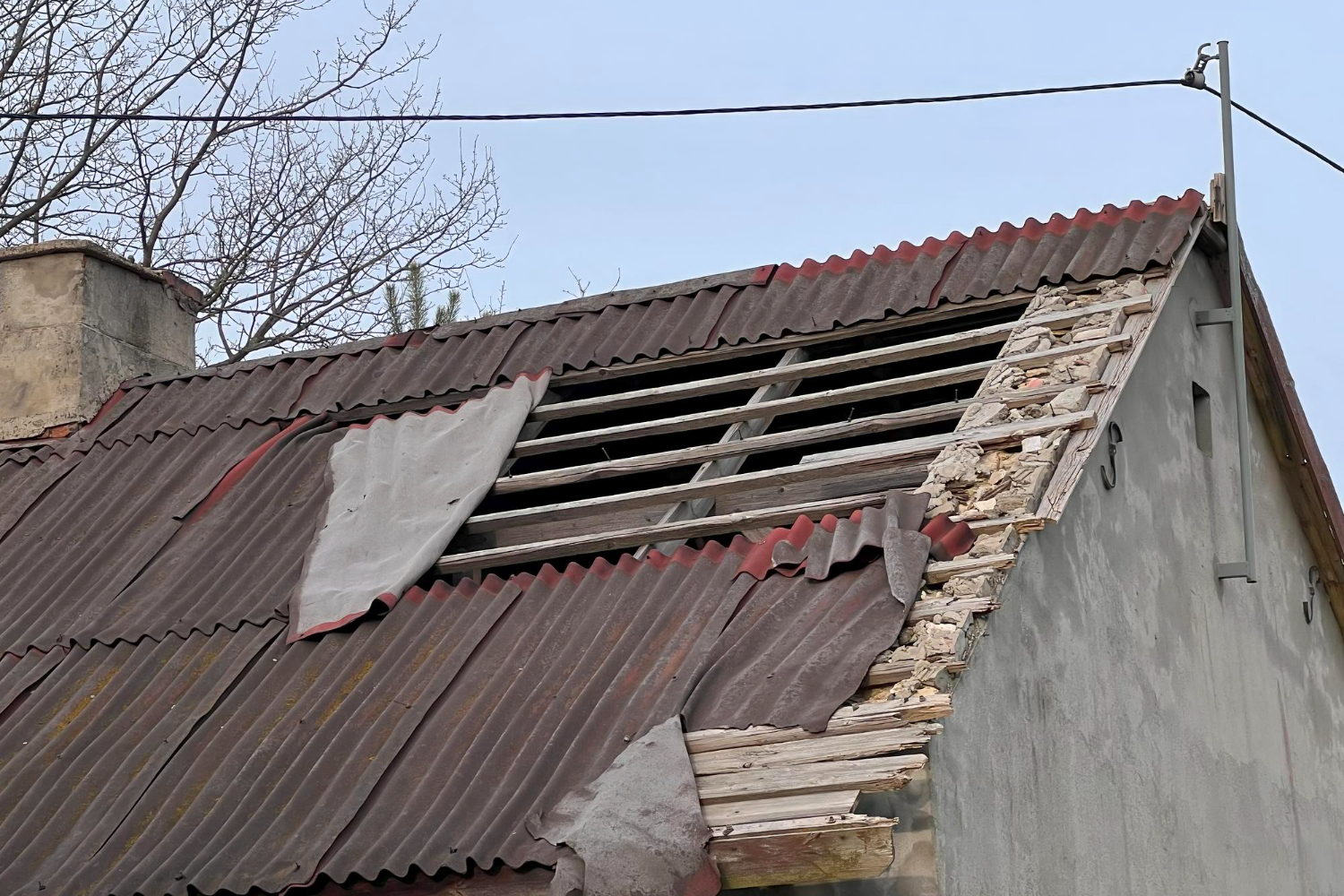
A proper wind damage roof assessment helps you find problems early, protect your home, and support your insurance claim if you need to file one.
Wind damage to your roof can happen even when storms don't seem that severe. Strong gusts can lift shingles, crack tiles, or loosen flashing without causing obvious signs of destruction. Over time, these small problems can lead to leaks and bigger structural issues that cost more to fix.
According to NOAA's National Severe Storms Laboratory, straight-line wind damage from severe thunderstorms accounts for roughly half of all severe weather reports across the contiguous United States, with wind speeds capable of reaching 100 mph and producing damage corridors spanning hundreds of miles — meaning wind roof damage is far more widespread than many homeowners assume.
Many homeowners miss early warning signs because the damage isn't always visible from the ground. You might not notice lifted shingles or small cracks until water starts coming through your ceiling.
This guide will walk you through the signs of wind damage, how assessments work for both homes and businesses, and what steps to take once you know the condition of your roof.
Here's what you need to know:
- Wind damage roof assessment: Ensure your roof is safe after a storm
- Why a wind damage roof assessment is critical
- Signs your roof may have wind damage
- Residential roof assessment process
- Commercial roof wind damage evaluation
- Next steps after a roof wind damage assessment
Keep reading! Knowing what to look for and how professionals check your roof can save you money and stress.
Wind damage roof assessment: Ensure your roof is safe after a storm
After a major storm passes through your area, your roof needs a careful inspection to check for damage. Wind damage isn't always easy to spot from the ground, but it can cause serious problems if left unaddressed.
A proper storm damage roof inspection should happen as soon as it's safe to do so after severe weather. You can start by looking for obvious signs like missing shingles or debris on your property.
Why a wind damage roof assessment is critical
A wind damage roof assessment protects your home from hidden problems that can lead to expensive repairs and helps ensure you receive proper insurance coverage. Catching damage early prevents small issues from becoming major structural concerns.
Identifying hidden damage that can worsen over time
Wind damage often hides beneath the surface where you can't easily see it. Shingles may look intact from the ground, but wind can break the adhesive seal underneath without tearing the material completely off. These lifted shingles allow water to seep beneath them during the next rain.
Small cracks in flashing around chimneys and vents might seem minor now, but they expand with temperature changes. The decking underneath your shingles can also suffer damage that won't show until water stains appear on your ceiling.
Common hidden damage includes:
- Loosened granules on shingles that reduce UV protection
- Micro-tears in underlayment
- Separated ridge caps
- Damaged pipe boots and vent collars
- Weakened nail connections
Each storm season adds stress to already compromised areas. What starts as a small weakness becomes a major leak within months.
Preventing leaks, water damage, and structural issues
A thorough assessment stops water intrusion before it damages your home's interior. Water that enters through damaged roofing materials saturates insulation, reducing its effectiveness and creating conditions for mold growth. Your attic structure can rot when exposed to moisture over time.
According to the U.S. Environmental Protection Agency (EPA), mold can develop in roof materials above ceiling tiles as a direct result of roof leaks, and wet or damp attic spaces are among the primary contributors to indoor air quality problems that require costly remediation.
Ceiling stains indicate water has already penetrated multiple layers of your roof system. By the time you notice interior damage, repairs cost significantly more than fixing the original roof problem. Water also damages electrical systems in your attic and can compromise the structural integrity of rafters and trusses.
Early detection prevents:
- Mold and mildew growth in walls and ceilings
- Insulation replacement costs
- Damaged drywall and paint
- Compromised electrical wiring
- Weakened roof framing
Your energy bills increase when wet insulation loses its ability to regulate temperature.
Per the U.S. Department of Energy (DOE), uncontrolled moisture entering a home through roof penetrations or seams can degrade insulation performance and increase both energy consumption and operating costs over time — damage that compounds well beyond the initial storm event.
How assessments support insurance claims
A professional assessment provides documentation your insurance company requires to process wind damage claims. Your adjuster needs clear evidence that links the damage to a specific wind event. Photos, measurements, and detailed reports from a qualified inspector strengthen your claim.
Insurance policies have strict deadlines for reporting damage. A prompt assessment ensures you file within the required timeframe. The documentation also helps you negotiate if the insurance company's initial estimate seems too low.
Assessment documentation includes:
- Date-stamped photographs of all damage
- Written descriptions of each problem area
- Measurements of affected sections
- Material specifications for replacements
- Cost estimates from licensed contractors
Professional reports carry more weight with adjusters than homeowner observations alone. The detailed records protect you if disputes arise about coverage amounts or whether the damage qualifies under your policy terms.
Signs your roof may have wind damage
Wind damage often shows up in specific patterns on your roof. Shingles may be missing or lifted, roofing materials can develop cracks or dents, and metal components like flashing might come loose.
Missing or lifted shingles
Missing shingles are one of the most visible signs of wind damage on your roof. You'll notice bare spots where shingles have blown off completely, exposing the underlayment or decking beneath. Wind speeds as low as 45-50 mph can start to lift and remove damaged or aging shingles.
Lifted shingles are equally concerning. These shingles remain attached but no longer lay flat against the roof surface. The edges curl upward or the corners lift, breaking the seal that keeps water out.
Check your yard and gutters after a storm. Finding shingle pieces or granules indicates damage above. Pay attention to any areas where shingles look uneven or raised compared to the surrounding roof surface.
Dents, cracks, or punctures in roofing material
Wind doesn't just blow shingles off—it can also carry debris that impacts your roof. Hail, tree branches, and airborne objects create dents in metal roofing, vents, or flashing. You might see circular indentations or depressions in the roofing material.
Cracks appear when shingles become brittle from age and then experience stress from wind gusts. These splits often run along or across individual shingles. They may start small but expand over time, allowing water penetration.
Punctures are holes that go through the roofing material entirely. They result from sharp debris striking the roof during high winds. Even small punctures can lead to significant water damage if left unaddressed.
Look for damaged or missing granules around these impact areas. The granule loss exposes the asphalt layer underneath and speeds up deterioration.
Loose flashing or gutters
Flashing around chimneys, vents, and roof valleys takes significant stress during windstorms. Wind can pry these metal strips loose or bend them out of position. Loose flashing creates gaps where water enters your home.
Your gutters and downspouts also suffer from wind forces. Strong gusts can pull gutter sections away from the fascia board or cause them to sag. You'll notice gaps between the gutter and the roofline, or sections that hang at odd angles.
Check for missing or loose fasteners on both flashing and gutters. These components need secure attachment to function properly.
Debris and impact marks from storms
Wind carries branches, leaves, and other debris onto your roof during storms. Large branches can scrape across shingles, removing protective granules and creating worn paths. Smaller twigs and leaves accumulate in valleys and around chimneys.
Impact marks appear as scuff marks, scratches, or areas where the shingle surface looks abraded. These damaged spots are vulnerable to UV rays and weather exposure. The protective layer is compromised even if the shingle hasn't cracked or torn.
Remove debris promptly to prevent moisture buildup and additional damage. Pay special attention to areas where debris has collected, as these spots often hide underlying damage from the initial impact.
Residential roof assessment process
A complete residential roof assessment after storm requires checking both the outside and inside of your home, taking clear photos of any problems, and getting expert advice on what needs fixing right away.
On-site visual inspection
Start your inspection from the ground using binoculars to check for obvious damage. Look for missing, cracked, or curled shingles that may have lifted during high winds. Check the roof edges and peaks where wind damage typically occurs first.
Pay attention to your gutters and downspouts for dents or displaced sections. Granules from asphalt shingles often collect in gutters after wind damage. Look at the flashing around chimneys, vents, and skylights for any gaps or tears.
Walk around your entire home to view all roof sections. Different sides may show varying levels of damage based on wind direction. Note any debris like tree branches that may have struck the roof surface.
If you can safely access the roof, look for soft spots that indicate water damage beneath the surface. Check for lifted or loose shingles that weren't completely torn off but lost their seal.
Checking attics and roof structure
Climb into your attic during daylight hours to spot any light coming through the roof deck. This indicates holes or gaps that need immediate attention. Bring a flashlight to examine dark corners and hard-to-reach areas.
Feel the underside of the roof deck for moisture or water stains. Fresh water damage appears darker and may feel damp to the touch. Check insulation for wet spots or compression that suggests water intrusion.
Look at rafters and trusses for cracks, splits, or signs of movement. Wind can stress the structural frame even without creating visible exterior damage. Inspect nail pops or raised areas where the decking may have separated from framing members.
Documenting damage with photos and reports
Take wide shots showing the entire damaged area and close-up photos of specific problems. Include a reference object like a coin or ruler to show the size of cracks or holes. Photograph the same damage from multiple angles.
Create a simple written list noting each damaged area with its location and description. Include dates and times of when you discovered the damage. Emergency roof inspection services often use detailed reports that follow this same format.
Essential documentation items:
- Photos of all damaged shingles, flashing, and gutters
- Interior shots of water stains or structural issues
- Video walkthroughs of attic spaces
- Written notes with measurements and locations
- Weather reports from the storm date
Save all documentation in both digital and printed formats. Your insurance company will need this evidence to process claims accurately.
Recommendations for immediate repairs
Cover any holes or gaps with waterproof tarps secured with wooden boards. This prevents additional water damage until permanent repairs can happen. Don't use nails that puncture the roof further.
Replace missing shingles in small damaged sections to stop leaks. Small repairs protect your home while you arrange for comprehensive fixes. Seal lifted flashing with roofing cement as a temporary measure.
Contact licensed roofing contractors for estimates on major damage. Get at least three quotes that detail materials, labor, and timeline. Professional roofers can identify hidden damage you might miss during your own inspection.
Schedule repairs based on urgency and weather forecasts. Structural issues and active leaks require immediate attention before cosmetic damage. Keep records of all temporary fixes and permanent repairs for insurance purposes.
Commercial roof wind damage evaluation
Commercial properties require systematic evaluation methods that account for large building footprints, specialized roofing materials, and coordination between multiple stakeholders during the assessment process.
Large-scale roof inspections for businesses
Commercial buildings present unique challenges due to their size and complexity. A thorough inspection starts with documenting the roof's square footage, material type, and age before examining the surface.
Inspectors divide large roofs into grid sections to ensure complete coverage. This method prevents missed damage and creates clear documentation for property records. Each section gets photographed and marked on building diagrams.
Key areas to inspect include:
- Roof edges and perimeters where wind forces concentrate
- Penetrations like HVAC units, vents, and skylights
- Seams and fasteners on metal roofing systems
- Membrane surfaces for tears, punctures, or lifting
- Flashing around roof transitions and walls
Wind damage often appears in patterns that reveal storm direction and intensity. Lifted membranes typically start at corners or edges where suction forces are strongest. Missing or loose fasteners indicate whether the roof system meets current wind resistance standards.
Safety measures for flat and low-slope roofs
Flat and low-slope commercial roofs require specific safety protocols during wind damage assessments. You need fall protection equipment even on seemingly accessible roofs because wind damage can weaken structural supports.
Inspectors must check for standing water or ponding that adds weight and stress to damaged areas. Walking on compromised sections risks further damage or injury. Use aerial photography or drones when conditions make physical access dangerous.
Essential safety equipment includes:
- OSHA-compliant harnesses and anchor points
- Non-slip footwear rated for roofing work
- Moisture meters to detect hidden water infiltration
- Safety barriers around damaged or weak areas
Testing membrane adhesion helps identify sections at risk of tearing during future wind events. You should never conduct roof inspections during active weather or when surfaces are wet and slippery.
Coordinating with property managers and insurance
Commercial roof damage evaluation requires clear communication between you, property managers, and insurance adjusters. Document everything with timestamped photos, measurements, and written descriptions that meet insurance claim requirements.
Property managers need immediate notification of any damage that threatens building contents or operations. Provide temporary protection recommendations while permanent repairs get scheduled. Your assessment should separate pre-existing wear from storm-specific damage.
Insurance companies often send their own adjusters to verify claims. Prepare detailed reports that include damage locations, affected square footage, and repair cost estimates. Keep samples of damaged materials when possible to support your findings.
Schedule inspections at times that minimize business disruption. Many commercial properties operate 24/7, so coordinate roof access with tenant activities below. Your evaluation timeline should account for the size of the property and any urgent repairs needed to prevent additional damage.
Next steps after a roof wind damage assessment
Once you complete your roof wind damage assessment, you need to act on your findings to protect your home and restore your roof's integrity. Your priority is addressing documented damage through repairs, working with your insurance provider, and planning for future storm protection.
Scheduling repairs or roof replacement
Contact licensed roofing contractors to get multiple quotes for your roof wind damage repair. You should request at least three estimates to compare pricing, materials, and timelines.
Ask contractors about their experience with wind damage specifically. They should explain whether your roof needs partial repairs or full replacement based on the extent of damage. Most contractors will provide a detailed scope of work that outlines which areas need attention.
Schedule temporary repairs immediately if your roof has active leaks or exposed areas. Contractors can install tarps or emergency patches to prevent water damage while you finalize permanent repair plans. These temporary measures protect your home's interior from further harm.
Request a timeline for completing the work. Minor repairs typically take one to three days, while full roof replacements may require one to two weeks depending on weather and roof size.
Verify that your chosen contractor is licensed, insured, and offers warranties on both materials and labor. Check references from recent wind damage projects they completed.
Filing insurance claims with detailed reports
Contact your insurance company within 24 to 48 hours of discovering wind damage. Most policies require prompt notification to process claims efficiently.
Provide your insurer with all documentation from your assessment. This includes:
- Photos and videos of damaged areas
- Written descriptions of each problem
- Dates and times of the windstorm
- Contractor estimates for repairs
- Receipts for any emergency repairs
Your insurance adjuster will schedule an inspection of your roof. Be present during this visit to point out all documented damage. Bring your assessment notes to ensure nothing gets overlooked.
Keep copies of all communication with your insurance company. Save emails, take notes during phone calls, and document claim numbers and adjuster names.
Request written explanations if your claim is denied or partially approved. You can appeal decisions by providing additional documentation or hiring a public adjuster to review your case.
Preventive maintenance for future storms
Schedule annual roof inspections to catch minor issues before they become major problems. Professional inspections cost between $200 and $500 but can prevent thousands in wind damage.
Replace worn or damaged shingles as soon as you notice them. Secure any loose flashing around chimneys, vents, and roof edges where wind typically causes the most damage.
Trim tree branches that hang within 10 feet of your roof. Falling branches during windstorms cause significant damage and create entry points for water.
Install roof straps or hurricane clips in areas prone to high winds. These metal connectors secure your roof deck to the wall structure and provide additional wind resistance. Consider impact-resistant roofing materials when replacing your roof. These products meet higher wind rating standards and may reduce your insurance premiums.
Clean your gutters twice yearly to ensure proper water drainage. Clogged gutters add weight and stress to roof edges during storms.
Conclusion
Wind damage to your roof requires quick action and careful attention. You need to inspect your roof after every major storm to catch problems early. Small issues like lifted shingles or minor leaks can turn into expensive repairs if you wait too long.
You should never ignore signs of wind damage, even if they seem minor. Missing shingles, granule loss, and cracked flashing all need attention. Water can enter your home through small openings and cause structural damage over time.
Your roof protects your biggest investment. Regular maintenance helps your roof last longer and perform better during storms. You can also take preventive steps like trimming nearby trees and securing loose materials around your property.
Working with qualified professionals makes the repair process easier. They know how to assess damage correctly and work with insurance companies. Make sure any contractor you hire provides a warranty for their work.
Taking care of wind damage quickly saves you money in the long run. It also protects your home from water damage, mold, and structural problems that develop when roofs go unrepaired.
Contact Michaelis Corp today to schedule a professional wind damage roof assessment and get a detailed inspection report before filing your insurance claim.



.avif)