

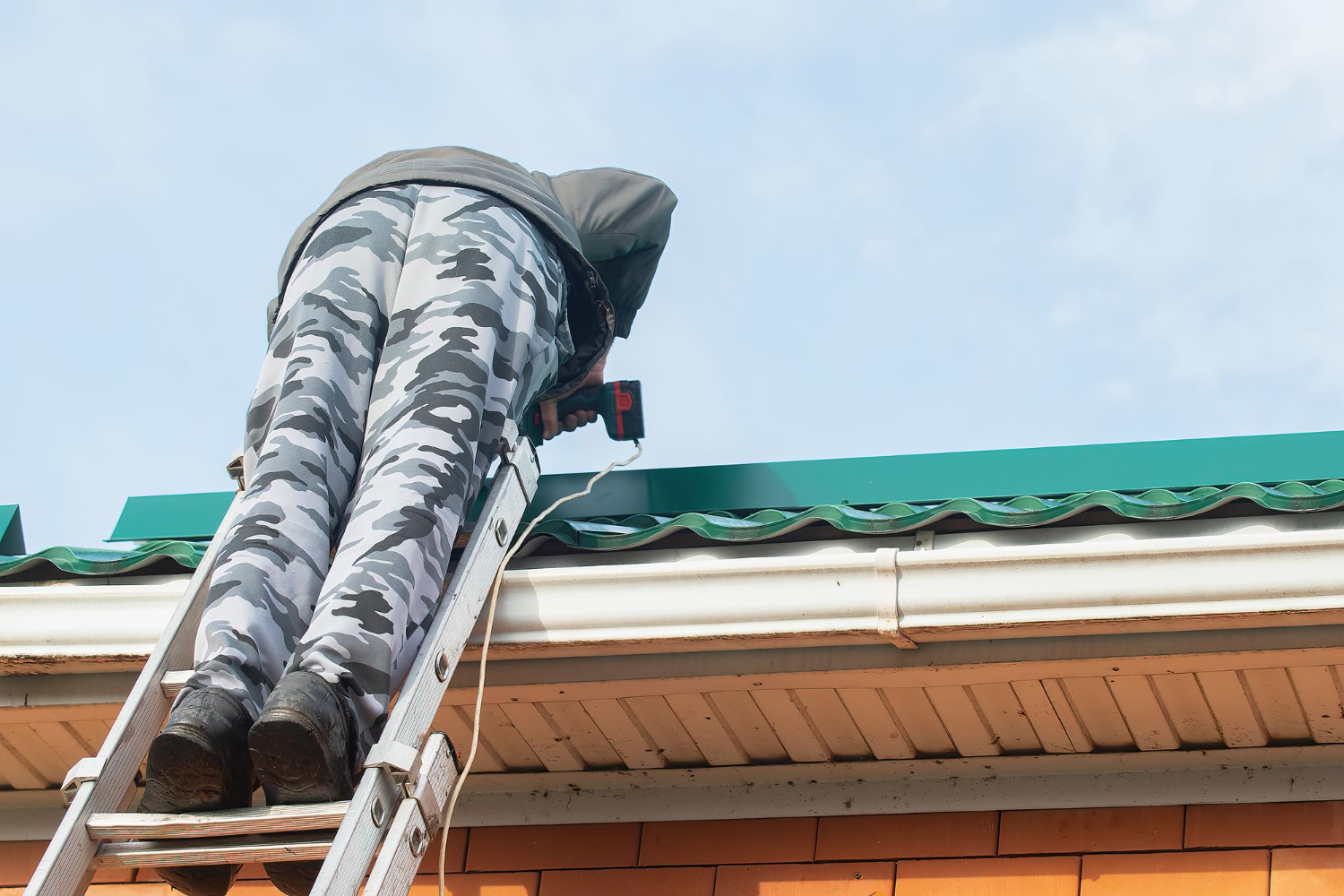
Emergency roof repair services are available 24/7 to protect your home from further damage after storms, leaks, or sudden roof failures.
A damaged roof puts your home at risk right now. Water can pour in through leaks and cracks, causing damage to your belongings, walls, and structure. When this happens, you need help fast to stop the problem from getting worse.
These services include quick fixes like tarping, leak patches, and temporary repairs that keep water out until a full repair can be done. Professional roofers can respond quickly to assess the damage and secure your roof.
Temporary roof covering is a recognized emergency stabilization step; per FEMA’s Operation Blue Roof, reinforced plastic sheeting can be installed as a temporary roof cover to help reduce further property damage until permanent repairs are completed.
This guide will walk you through the signs that you need emergency help, what causes roof damage, and how the repair process works. You'll also learn the difference between emergency fixes and permanent solutions so you can make the right choice for your home.
Here’s what you need to know:
- Emergency roof repair service for fast protection after roof damage
- What qualifies as an emergency roof repair
- Why emergency roof repair is critical
- Common causes of emergency roof damage
- Emergency roof repair service process
- Emergency roof tarping and temporary solutions
- Emergency roof repair vs permanent roof replacement
- What to do if your roof is damaged
- Why choose Michaelis Corporation for emergency roof repair
Keep reading! Knowing what counts as a roofing emergency and how to respond can save you thousands of dollars in damage.
Emergency roof repair service for fast protection after roof damage
When your roof gets damaged, you need help right away. Emergency roof repair services are available 24/7 to protect your home from water damage and other serious problems.
These services handle all types of roof emergencies. Common situations include storm damage, fallen trees, wind damage, and unexpected leaks. You can call for help any time, day or night.
What emergency roof repair services provide:
- Fast response to stop leaks and prevent water damage
- Temporary repairs to protect your home until permanent fixes can be made
- Storm damage assessment and repairs
- Shingle replacement for damaged or missing shingles
- Help with insurance claims and documentation
The main goal is to secure your property quickly. When you have a roof leak or damage, every minute counts. Water can cause expensive damage to your home's interior, insulation, and structure.
Emergency repair teams work on both residential and commercial buildings. They arrive quickly to assess the damage and make immediate repairs. Most companies offer free inspections so you know what needs to be fixed.
You should call for emergency roof repair when your roof can no longer keep out water and weather. This includes visible holes, large leaks, or any damage that exposes your attic or living space to the elements. Quick action prevents small problems from becoming major repairs.
What qualifies as an emergency roof repair
Emergency roof repairs involve damage that puts your home at immediate risk of structural problems or safety hazards. These situations require fast action to prevent further damage to your property and belongings.
Sudden roof leaks and active water intrusion
Active water leaks need immediate attention when you see water dripping through your ceiling or running down your walls. These leaks can cause serious damage within hours, not days.
Water intrusion damages your insulation, drywall, and electrical systems. It also creates conditions for mold growth, which can start in as little as 24 to 48 hours after water exposure.
You should treat these as emergencies:
- Water pooling on your ceiling or floors
- Visible water stains that are spreading or wet to the touch
- Multiple leak points appearing at once
- Water dripping near electrical fixtures or outlets
Even small active leaks qualify as emergencies during heavy rain or storms. The water flow can quickly overwhelm your home's interior and cause thousands of dollars in damage to your belongings and structure.
Storm, wind, and hail damage
Storm damage roof repair becomes an emergency when the damage compromises your roof's ability to protect your home. High winds can tear off shingles, leaving the underlayment exposed to rain and weather.
Storm conditions that trigger emergency calls are often “severe thunderstorm” criteria; according to the National Weather Service (NWS), severe thunderstorms can produce hail at least 1 inch in diameter and/or wind gusts of 58 mph or more, which helps explain why roof systems can fail suddenly after a warning-level event.
Hail can create punctures or cracks in your roofing material. These openings let water seep into your roof deck and attic space.
Emergency storm damage includes:
- Missing sections of shingles or roofing material
- Visible holes or punctures in the roof surface
- Lifted or curled shingles that expose the underlayment
- Damaged flashing around chimneys or vents
You need emergency service if you can see daylight through your roof from inside your attic. Wind damage that creates openings in your roof requires immediate temporary repairs to prevent water from entering your home.
Fallen trees and debris impact
Trees or large branches that fall on your roof create immediate structural concerns. The weight and impact can crack roof decking, break rafters, and create large openings in your roof system.
You face an emergency if the tree has punctured through your roof or if it's resting on your roof with enough weight to cause sagging. Even if the tree hasn't broken through yet, its weight can stress your roof structure and cause collapse.
Call for emergency service before attempting to remove debris yourself. The tree or debris might be the only thing preventing a larger structural failure.
Smaller debris like scattered branches usually doesn't qualify as an emergency unless it has damaged your shingles or created openings where water can enter.
Structural roof failure risks
Structural damage represents the most serious roofing emergency. This includes sagging roof sections, visible cracks in your roof deck, or areas where your roof appears to be collapsing.
Signs of structural failure include:
- Sagging or drooping sections of your roofline
- Cracking sounds coming from your roof or attic
- Bowing or warping of roof supports visible from inside
- Separation between your roof and exterior walls
Water accumulation on flat or low-slope roofs can create emergency conditions if the weight threatens your roof's structural integrity. Heavy snow loads can also cause this type of damage.
You should evacuate the area beneath any suspected structural damage. These situations pose immediate safety risks to anyone in your home and require professional assessment right away.
Why emergency roof repair is critical
A damaged roof puts your entire property at risk and can quickly turn a small problem into a major disaster. Acting fast protects your home from water intrusion, structural problems, expensive repairs, and threats to the people inside.
Preventing water damage and mold growth
Water enters your home through even small roof damage and spreads to ceilings, walls, insulation, and floors. A single leak can soak through drywall within hours and ruin electrical systems, furniture, and personal belongings.
Standing water and moisture create ideal conditions for mold to grow. Mold can appear within 24 to 48 hours after water exposure. Once it starts growing, it spreads quickly through your home's materials and air systems.
Mold causes health problems like breathing issues, allergic reactions, and skin irritation. Removing mold requires professional remediation that costs thousands of dollars. Emergency roof repairs stop water from entering and prevent mold from ever starting.
Protecting structural integrity
Your roof supports the entire structure of your home. Damage to shingles, underlayment, or decking weakens the roof's ability to handle weight from snow, rain, and wind.
Water that gets past your roof soaks into wooden beams, rafters, and trusses. Wet wood loses strength and can rot or warp over time. This damage spreads to load-bearing walls and compromises your home's foundation.
Emergency repairs prevent minor damage from becoming structural failure. A small hole or missing shingles can expose larger areas to the elements during the next storm. Quick fixes maintain your roof's ability to protect everything underneath it.
Reducing repair and restoration costs
Small roof problems cost hundreds of dollars to fix. When you wait, that damage grows and can cost thousands or even tens of thousands to repair.
Water damage requires you to replace insulation, drywall, flooring, and damaged belongings. You might need to pay for temporary housing while contractors work on major repairs. Insurance may not cover all costs if you delayed necessary maintenance.
Emergency repairs address the source of damage right away. This stops additional problems from developing and keeps your total repair costs manageable. The money you spend on immediate service saves much more in the long run.
Maintaining occupant safety
A compromised roof creates real dangers for everyone in your home. Falling debris, collapsing sections, and exposed electrical wiring can cause injuries or death.
Water and electrical systems don't mix safely. Leaks near light fixtures, outlets, or circuit breakers create electrocution risks. Wet floors and stairs become slipping hazards that can lead to falls.
Unstable roof sections can collapse without warning, especially after storms or when damaged areas hold water weight. Emergency repairs secure dangerous areas and eliminate immediate threats to you and your family.
Common causes of emergency roof damage
Roof emergencies stem from several key factors that can compromise your home's protection. Weather events, material breakdown, poor workmanship, and winter conditions account for most urgent roofing problems that need immediate attention.
Severe weather events
Strong winds can lift and tear shingles from your roof, leaving the underlying structure exposed to rain and moisture. Wind speeds above 50 mph pose significant risks to roofing materials, especially if they're already loose or aging.
Heavy rain combined with wind can force water under damaged areas and into your home. Flying debris during storms can puncture or crack roofing materials, creating instant leak points that require emergency repairs.
Hail causes some of the most sudden roof damage. The impact from hailstones creates dents, cracks, and holes in shingles and other roofing materials. You might not notice this damage immediately, but it weakens your roof's ability to protect your home.
Fallen tree branches or entire trees can crush sections of your roof. This type of damage often creates immediate safety hazards and requires emergency response to prevent further structural problems.
Aging or deteriorated roofing materials
Roofing materials break down over time due to constant exposure to sun, rain, and temperature changes. Asphalt shingles typically last 15 to 30 years, depending on quality and climate conditions.
Deteriorated materials lose their ability to shed water properly. Curled, cracked, or missing shingles create entry points for moisture. Once water penetrates your roof deck, it can cause rapid damage to your home's interior and structure.
UV rays from sunlight gradually weaken roofing materials and cause them to become brittle. This makes your roof more vulnerable to damage from minor weather events that wouldn't affect a newer roof.
Poor ventilation accelerates material breakdown by trapping heat and moisture in your attic space. This creates conditions that damage your roof from the inside out.
Improper previous repairs
Amateur or rushed repair work often creates more problems than it solves. Using incorrect materials or techniques can lead to leaks and structural issues that emerge during the next storm.
Patches that don't match your existing roof system can fail quickly. Mismatched shingles or sealants may not bond properly or provide adequate protection against water infiltration.
Missing or improperly installed flashing around chimneys, vents, and valleys represents a common repair mistake. These areas are particularly vulnerable to leaks when not sealed correctly.
Temporary fixes that homeowners never replace often fail at the worst possible time. What starts as a quick patch can develop into an emergency when weather conditions worsen.
Ice, snow, and freeze-thaw cycles
Heavy snow accumulation adds significant weight to your roof structure. Most roofs can handle normal snow loads, but excessive buildup can stress or damage the framing and decking.
Ice dams form when heat from your attic melts snow on your roof. The water runs down and refreezes at the colder eaves, creating a dam that forces water under your shingles.
Some “leak emergencies” are driven by attic moisture/ice dams, not a single obvious hole; per the U.S. Department of Energy (DOE), humid indoor air escaping into an attic can condense on cold roof sheathing and can increase the risk of ice dams that force water under shingles and into the home.
Freeze-thaw cycles cause water that has penetrated small cracks to expand when it freezes. This expansion widens existing damage and creates new cracks in roofing materials and flashing. The cycle repeats each time temperatures fluctuate around freezing.
Icicles hanging from your gutters often indicate ice dam problems. The blocked drainage system can cause water to back up and leak into your home's walls and ceilings.
Emergency roof repair service process
When you contact an emergency roof repair service, professionals follow a structured approach to protect your home from further damage and begin the repair process. The response typically includes immediate damage assessment, temporary protection measures, water damage control, insurance documentation, and planning for permanent fixes.
Immediate response and damage assessment
Emergency roof repair services typically respond within hours of your call. Many companies offer 24/7 availability because roof damage doesn't wait for business hours.
When technicians arrive, they perform a thorough inspection of your roof. They look for visible holes, missing shingles, cracked flashing, and structural damage. The team also checks your attic and interior spaces for water intrusion and potential safety hazards.
The assessment determines the severity of the damage and what immediate actions are needed. Technicians document everything with photos and notes. This initial evaluation helps them decide whether to focus on temporary repairs or if some permanent fixes can begin right away.
They'll also identify any safety concerns like unstable roof sections or electrical hazards from water exposure.
Temporary stabilization and roof tarping
Temporary protection is the first priority after assessment. Roof tarping is the most common method to prevent additional water damage and secure your home.
Professionals use heavy-duty tarps secured with boards and fasteners to cover damaged areas. These tarps create a waterproof barrier until permanent repairs can be completed. The installation must be done correctly to withstand wind and rain.
For structural issues, technicians may install temporary supports to stabilize weakened roof sections. They might also board up large openings created by fallen trees or other impacts.
These temporary measures typically last several weeks to a few months depending on weather conditions. The goal is to make your home safe and dry while you arrange for permanent repairs.
Water intrusion mitigation
Stopping active leaks is critical during a roof leak emergency repair. Technicians locate all entry points where water is getting into your home and seal them.
They use specialized materials like sealants, patches, and weatherproofing compounds for quick fixes. Interior water damage also requires attention. The team may place buckets to catch drips, set up fans for drying, and move furniture away from wet areas.
Water extraction might be necessary if pooling has occurred in your attic or living spaces. Quick action here prevents mold growth, which can start within 24 to 48 hours of water exposure. Some services include basic water damage mitigation as part of their emergency response.
Documentation for insurance claims
Professional emergency roof repair services understand insurance requirements. They create detailed documentation that supports your claim.
This includes:
- Photographs of all damage from multiple angles
- Written descriptions of what caused the damage and its extent
- Damage estimates with itemized costs for repairs
- Service reports showing what temporary repairs were completed
Technicians note pre-existing conditions versus new damage to avoid claim complications. They can also provide expert opinions about whether the damage resulted from a covered event like a storm.
Many services work directly with insurance adjusters and can be present during inspections. Keep copies of all documentation for your records.
Planning permanent roof repairs
Once your home is protected, the focus shifts to permanent solutions. The repair company provides a comprehensive repair plan based on the initial assessment.
This plan outlines which materials need replacement, whether partial or full roof sections require work, and the timeline for completion. You'll receive a detailed estimate breaking down labor and material costs.
The team schedules the work around weather conditions and material availability. Some repairs might happen in phases depending on the damage extent and your insurance approval process.
They also explain options for upgrades or improvements you might consider during repairs. For example, if several shingles need replacement, you might discuss whether nearby aging sections should be addressed at the same time.
Emergency roof tarping and temporary solutions
Roof tarping provides immediate protection when your roof gets damaged and permanent repairs can't happen right away. These temporary fixes stop water from entering your home and prevent additional problems while you arrange for full repairs.
When roof tarping is necessary
You need emergency roof tarping after storms tear off shingles, when trees fall on your roof, or when fire damages the structure. Wind and hail can create holes or expose large sections of your roof deck to the elements.
Tarping becomes critical when you can't get permanent repairs done immediately. Weather conditions, material availability, or scheduling issues might delay full repairs for days or weeks. A tarp protects your home during this waiting period.
You should also consider tarping if you notice active leaks but need time to assess the full extent of damage. This prevents water from damaging your ceilings, walls, insulation, and belongings while roofing contractors evaluate what repairs you need.
How tarping prevents further damage
A properly installed tarp creates a waterproof barrier over damaged areas of your roof. It blocks rain, snow, and moisture from entering your home through holes, missing shingles, or compromised sections.
Key protection benefits:
- Stops water damage to interior spaces
- Prevents mold and mildew growth
- Protects insulation from getting wet
- Keeps out debris and pests
- Maintains some level of home insulation
The tarp gets secured with wooden boards and fasteners to stay in place during additional storms. Professional roof tarping service teams use heavy-duty materials designed to withstand wind and weather. This temporary covering can last several weeks to months depending on conditions.
Limitations of temporary repairs
Tarps only provide short-term protection and aren't a permanent solution. They can develop tears, come loose in strong winds, or degrade from sun exposure over time.
Water can still seep through gaps if the tarp isn't installed correctly or shifts position. You need to inspect tarped areas regularly to make sure the covering stays secure and effective.
Important limitations to understand:
Limitation
Impact
Limited lifespan
Typically lasts 90 days maximum
Weather vulnerability
Can fail in severe storms
Incomplete seal
May allow some water intrusion
No structural support
Doesn't fix underlying damage
You still need permanent repairs as soon as possible. Tarping buys you time but doesn't address structural issues, replace damaged materials, or restore your roof's full protection. Insurance companies also expect you to arrange permanent repairs within a reasonable timeframe.
Emergency roof repair vs permanent roof replacement
Emergency repairs stop immediate damage with quick patches, while permanent replacement addresses underlying problems that compromise your entire roof system. The choice depends on damage extent, your roof's age, and whether repairs provide real value or just delay inevitable replacement.
Determining repair feasibility
Emergency repairs work best when damage affects a small, specific area of your roof. A few missing shingles, a localized leak, or damage from a fallen branch typically qualify for quick fixes.
Your roof's age plays a major role in this decision. If your roof is under 15 years old and the damage is isolated, repairs usually make financial sense. Roofs older than 20 years often have hidden problems that emergency patches won't solve.
Calculate the repair cost against replacement cost. If emergency repairs exceed 30% of what a full replacement would cost, replacement becomes the smarter choice. Multiple repair calls over a short period signal that your roof has reached the end of its useful life.
Check how much of your roof needs work. Damage covering more than 25-30% of your roof surface typically requires replacement rather than patching.
Safety and code compliance considerations
Emergency repairs must meet local building codes even though they're temporary fixes. Your contractor needs proper permits for work that affects your roof's structural integrity.
Insurance companies require documentation of both emergency repairs and permanent work. Take photos before repairs start and keep all receipts and contractor reports. This protects your coverage for future claims.
Temporary repairs don't always meet current building codes if your roof is older. When you replace your roof, you must upgrade to current safety standards including proper ventilation, fire resistance, and wind ratings for your area.
Some repairs create liability issues if not done correctly. Water damage from failed emergency patches can lead to mold, electrical hazards, and structural problems that cost more than the original replacement would have.
Long-term restoration planning
Emergency repairs buy you time to plan and budget for permanent solutions. Use this window to get multiple quotes, research materials, and schedule work during better weather or your off-season.
Your timeline affects which option makes sense. If you're selling your home within 2-3 years, targeted repairs might suffice. A full replacement adds more value if you plan to stay longer than 5 years.
Consider financing options for replacement work. Many roofing companies offer payment plans that make replacement affordable compared to repeated emergency repair costs. Your home's equity or improvement loans can fund permanent solutions.
Weather and season impact both repair durability and replacement scheduling. Emergency repairs done in winter or rain may only last until conditions allow proper replacement. Plan permanent work during dry, moderate weather for best results and warranty coverage.
Budget for the actual scope of work needed. A roof replacement typically takes 1-3 days and costs significantly more upfront, but eliminates ongoing repair expenses and provides 15-30 years of protection depending on materials chosen.
What to do if your roof is damaged
Roof damage requires quick action to protect your home from water intrusion and structural problems. Taking the right steps immediately after discovering damage can prevent costly repairs and keep your family safe.
Safety precautions after roof damage
Your safety comes first when dealing with roof damage. Stay away from damaged areas of your roof and avoid walking on weakened sections that could collapse. If you see sagging ceilings, cracks, or water pooling inside your home, evacuate those rooms immediately.
Turn off electricity in affected areas if water is leaking near electrical outlets or fixtures. Water and electricity create a dangerous combination that can lead to electrocution or fires. Move furniture, electronics, and valuable items away from leaking areas to prevent damage.
Place buckets or containers under active leaks to catch water and protect your floors. Use tarps or plastic sheeting to cover damaged furniture if you cannot move it. Document all damage with photos and videos for insurance purposes, but only do so if you can safely access these areas from inside your home.
Never attempt to climb on your roof during storms, high winds, or when the surface is wet. Wait until conditions are safe before any inspection takes place.
When to call emergency roof repair professionals
Contact emergency roofing services immediately if water is actively entering your home through the roof. Any situation where your interior spaces are exposed to weather requires urgent professional attention. Large holes, missing sections of roofing, or structural damage all qualify as emergencies.
Call a professional right away if you notice sagging in your ceiling or roof deck. This indicates potential structural failure that could worsen rapidly. Storm damage from fallen trees, hail, or high winds also demands immediate assessment by qualified contractors.
Emergency services typically operate 24/7 and can respond quickly to prevent further damage. Waiting until regular business hours can allow water damage to spread through your walls, insulation, and ceilings. The longer you wait, the more expensive repairs become.
Even if damage seems minor, contact a professional for an inspection. Hidden problems often exist beneath visible damage and require expert evaluation.
Actions to avoid that increase damage
Do not attempt temporary repairs yourself if you lack proper equipment or experience. Walking on a damaged roof can cause additional structural problems and puts you at risk of injury. Using improper materials or techniques often makes the situation worse and creates more work for professionals.
Avoid covering damage with materials that trap moisture. Poor ventilation under temporary coverings can lead to mold growth and wood rot. Never use duct tape or similar products as long-term solutions since they fail quickly and leave sticky residue.
Do not delay calling your insurance company to report the damage. Most policies require prompt notification, and waiting can complicate your claim. However, avoid making permanent repairs before your insurance adjuster inspects the damage unless absolutely necessary to prevent further harm.
Resist the urge to hire unlicensed contractors who offer quick fixes at low prices. These repairs rarely meet code requirements and may void your insurance coverage or warranty.
Why choose Michaelis Corporation for emergency roof repair
Michaelis Corporation brings nearly 40 years of experience to emergency roof situations with round-the-clock availability, comprehensive restoration skills, and proven insurance claim support.
24/7 emergency response capabilities
Michaelis Corporation operates a 24/7 roof repair service that responds to your emergency within hours of your call. When storms hit or unexpected damage occurs, their team arrives quickly to assess the situation and begin protective measures.
The company provides immediate emergency services including roof tarping, board-ups, and temporary repairs to prevent further damage to your property. Their certified technicians carry the equipment needed to secure your roof right away, not days later.
You can reach Michaelis any time—day or night, weekends or holidays. This constant availability means water damage stops spreading and your property stays protected while you arrange permanent repairs.
Integrated roofing and restoration expertise
Michaelis handles both emergency roof repairs and the complete restoration work that often follows. Their team manages everything from initial tarping through final repairs, so you work with one contractor throughout the entire process.
As a licensed, bonded, and insured general contractor, they bring multiple specialties under one roof. Their expertise covers roofing, water mitigation, structural repairs, and mold remediation.
This integrated approach saves you time and reduces coordination headaches. You won't need to hire separate companies for water damage, mold issues, or interior repairs that result from roof failures.
Storm damage and insurance claim experience
Michaelis Corporation has guided customers through insurance claims since 1986. Their team documents damage thoroughly and provides the detailed information your insurance company requires.
They understand what insurance adjusters look for and prepare comprehensive reports with photos and measurements. This documentation helps support your claim and speeds up the approval process.
The company works directly with insurance companies and can explain coverage options in plain terms. Their experience with storm damage claims means fewer surprises and clearer communication throughout your restoration project.
Seamless transition from emergency repair to full restoration
Your emergency roof repair with Michaelis naturally flows into permanent restoration when needed. The same team that secured your property with tarps and temporary fixes completes the final repairs.
This continuity eliminates the need to explain your situation to multiple contractors or coordinate between different companies. Michaelis already knows your roof's condition, what temporary measures were taken, and what permanent work is required.
They maintain all project records from day one, making the transition smooth and efficient. Your warranty coverage extends across both emergency and permanent work, giving you unified protection for the entire restoration project.
Conclusion
Roof emergencies can happen at any time and require fast action to prevent serious damage to your home. When you spot a leak, missing shingles, or storm damage, you need to contact a professional right away.
Emergency roof repair services are available 24/7 in most areas. These companies respond quickly to protect your property from water damage and structural problems. They handle issues like storm damage, sudden leaks, and weather-related harm.
You should keep contact information for a trusted roofing company on hand before an emergency strikes. This saves valuable time when problems occur. Look for contractors who are licensed, insured, and have experience with emergency repairs.
Acting fast when roof damage occurs prevents small problems from becoming expensive repairs. Water damage can spread quickly through your home and affect walls, ceilings, and belongings. Professional emergency repairs protect your investment and give you peace of mind during stressful situations.
Make sure to document any damage with photos for insurance purposes. Clear your schedule to meet with the repair team and ask questions about the work being done. Taking these steps helps ensure your roof gets fixed properly and your home stays protected.
Schedule 24/7 emergency roof repair service with Michaelis Corporation for rapid roof tarping, leak stabilization, and a documented plan to complete permanent, code-compliant storm damage roof repairs.



.avif)