

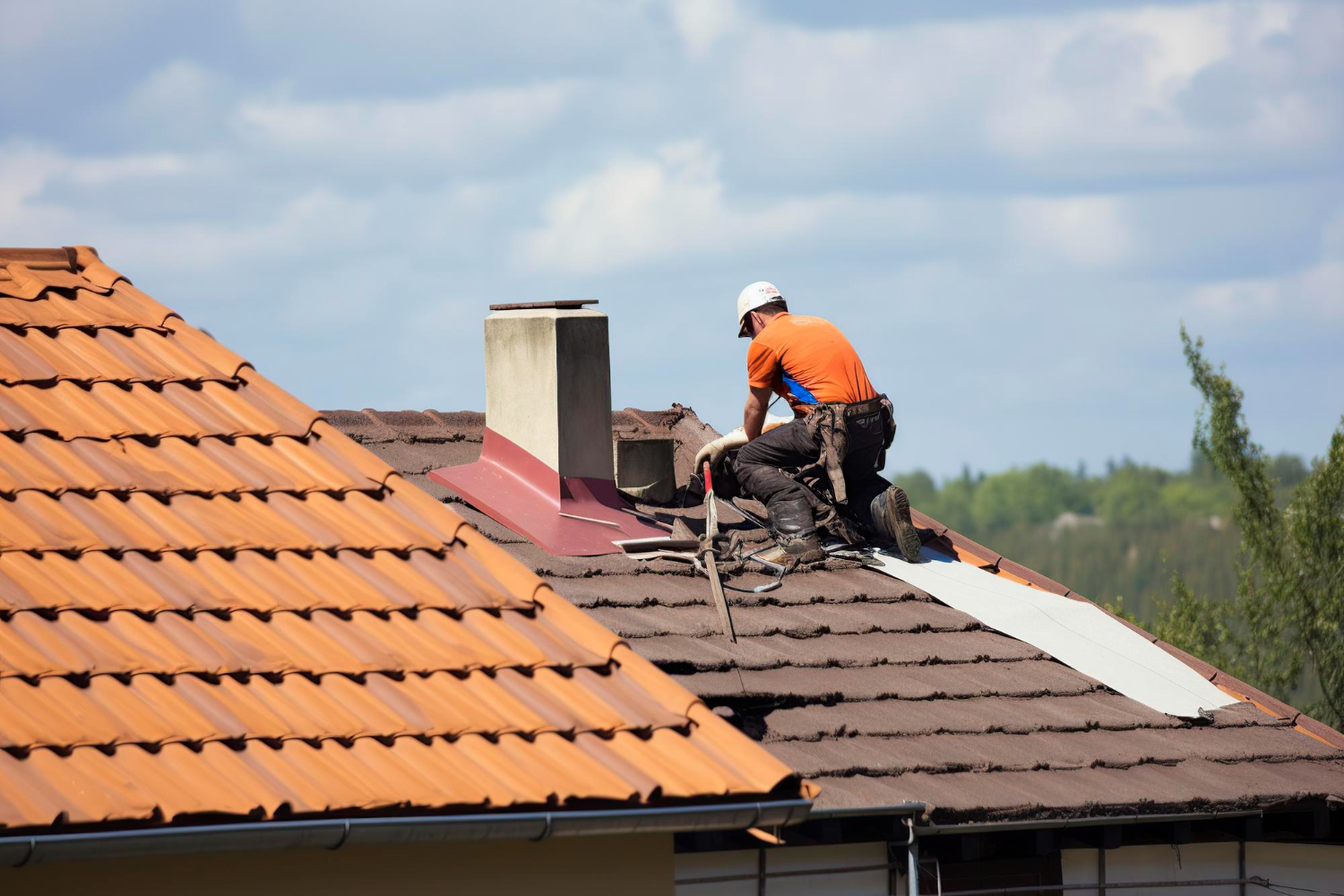
Residential roof repair services identify and fix problems in your home's roofing system to prevent further damage and keep your family safe.
Your roof protects your home from weather, water damage, and wear over time. When problems occur, residential roof repair services can fix issues before they turn into bigger and more expensive problems. These services handle everything from small leaks and missing shingles to major storm damage.
Professional roofers can spot issues you might miss and use the right materials and methods to make lasting repairs. Acting quickly when you notice signs of damage can save you money and protect your home's structure.
This guide covers what you need to know to keep your roof in good condition for years to come. You'll learn about common problems, warning signs to watch for, and how to choose between emergency repairs and regular maintenance.
Below, we’ll walk through each important aspect:
- Residential roof repair services to safeguard your home
- Common reasons homes need roof repair
- Signs your roof needs repair
- Residential roof repair service process
- Emergency roof repair vs scheduled maintenance
- Materials and types of roof repairs
- DIY vs professional residential roof repair
- Tips to extend the life of your roof
- Why homeowners trust Michaelis Corporation for roof repair services
Keep reading! Understanding what roof repair involves helps you make smart decisions about your home.
Residential roof repair services to safeguard your home
Your roof protects your home from weather, water damage, and structural problems. When it gets damaged, you need professional repair services to fix it quickly and correctly.
Roof repair companies inspect your roof to find hidden issues like leaks, wood rot, or weak spots. They look at shingles, flashing, and the overall structure. This helps them understand what repairs you need.
Common roof repair services include:
- Fixing leaks and water damage
- Replacing damaged or missing shingles
- Repairing flashing around chimneys and vents
- Addressing storm damage
- Fixing structural weaknesses
Professional roofers use quality materials and proper techniques to make sure your repairs last. They understand how different roofing systems work and know the right way to fix each problem.
When you hire experienced contractors, they provide customized solutions for your specific roofing issues. They handle everything from small leaks to major repairs. The goal is to restore your roof's protection and prevent future damage.
Getting regular inspections helps catch problems early. Many roofing companies offer free inspections to assess your roof's condition. This allows you to address minor issues before they become expensive repairs.
Quality roof repair for homes maintains your property's value and keeps your family safe. Working with trusted professionals means you get reliable fixes that stand up to weather and time. Your roof will continue doing its job of protecting your home.
Common reasons homes need roof repair
Roofs face constant exposure to weather and natural wear, leading to various problems that require professional attention. Water damage, severe weather events, material breakdown, and physical damage are the primary issues that affect most residential roofs.
Leaks and water intrusion
Water leaks are among the most frequent problems homeowners encounter with their roofs. These leaks often start small but can quickly lead to serious damage inside your home.
Missing or damaged shingles create openings where water can enter your roof system. Once water gets beneath the surface, it damages insulation, wood framing, and ceiling materials. You might notice water stains on your ceiling or walls, which means the leak has already caused interior damage.
Flashing problems around chimneys, vents, and skylights are another major source of leaks. Flashing serves as a seal between your roof and these features, but it can crack, separate, or corrode over time. When flashing fails, water finds an easy path into your home.
Poor attic ventilation can also contribute to water problems by creating condensation that mimics leak symptoms. This moisture buildup damages your roof from the inside and can lead to mold growth and wood rot.
Attic moisture management directly affects leak risk at the roof deck; per the U.S. Department of Energy (DOE), humid indoor air that escapes into the attic can condense on cold roof sheathing, creating moisture problems and increasing the risk of ice dams that can drive water under shingles.
Storm, wind, and hail damage
Severe weather causes immediate and obvious damage to roofs across the country each year. High winds can lift or tear off shingles, especially if they were already loosened by age or poor installation.
Hail creates dents and cracks in shingles that compromise their protective ability. These impacts may not seem serious at first, but damaged shingles lose their effectiveness and allow water penetration. Storm damage roof repair often requires replacing entire sections of affected materials.
Flying debris during storms can puncture or tear roofing materials. Branches, lawn furniture, and other objects become dangerous projectiles in high winds. Even nearby trees that don't fall can scrape against your roof and wear away protective layers.
Wind-driven rain can force water under shingles and into areas that normally stay dry. This type of water intrusion is different from typical leaks and may require specific repair approaches to prevent future problems.
Aging or deteriorating roofing materials
Roofing materials have a limited lifespan and will eventually need repair or replacement. Most residential roofs last between 20 and 25 years, depending on the materials used and your local climate conditions.
Asphalt shingles lose protective granules over time, which exposes the underlying material to UV damage and weathering. You might notice these granules collecting in your gutters or downspouts. Once shingles lose too many granules, they become brittle and crack easily.
Temperature changes cause roofing materials to expand and contract repeatedly. This constant movement weakens the materials and fasteners that hold everything in place. Thermal cycling is particularly hard on roofs in areas with extreme temperature swings.
Sun exposure breaks down the chemical bonds in roofing materials through a process called UV degradation. This makes materials weaker and less flexible, leading to cracks and splits that require repair.
Roof punctures and structural damage
Physical damage to your roof can occur from various sources beyond severe weather. Walking on your roof incorrectly or too frequently can break shingles and damage the underlying structure.
Animals like raccoons and squirrels can tear through roofing materials to access your attic. Birds may peck holes in softer materials or dislodge shingles while building nests. These animal-related damages require prompt repair to prevent pest infestations and water entry.
Heavy snow loads can stress your roof's structure and cause sagging or cracking. Ice dams that form along roof edges create standing water that works its way under shingles. The weight of ice accumulation can also damage gutters and fascia boards.
Falling trees or large branches cause obvious punctures and structural damage that need immediate attention. Even smaller impacts can crack or dislodge roofing materials in ways that aren't immediately visible from the ground.
Signs your roof needs repair
Catching roof problems early can save you from expensive repairs down the road. Water stains, damaged shingles, sagging surfaces, and interior damage are the main indicators that your roof needs professional attention.
Visible water stains or leaks
Water stains on your ceilings or walls are clear signs that your roof has a leak. These stains usually appear as dark or discolored patches, often brown or yellow in color. You might also notice paint peeling or bubbling near these areas.
When you see these stains, you need roof leak repair right away. Water damage spreads quickly through your home's structure. Even small leaks can lead to mold growth, wood rot, and damaged insulation.
Check your attic during or after rain to spot active leaks. Look for water dripping, damp spots, or moisture on the rafters. A musty smell in certain rooms can also point to hidden water damage from your roof.
Missing or damaged shingles
Missing shingles create openings where water can enter your home. After storms or high winds, walk around your property and look up at your roof. You should see gaps or bare spots where shingles used to be.
Documenting storm timing can support damage evaluation and claims; according to NOAA’s National Centers for Environmental Information (NCEI), the Storm Events Database contains National Weather Service event data (including damage narratives) from January 1950 through November 2025, which can help confirm when severe weather occurred in a given area.
Damaged shingles show several warning signs:
- Curling edges that lift away from the roof
- Cracks or splits running through the shingle
- Granule loss that leaves bald patches
- Broken or torn pieces hanging loose
Check your gutters for shingle granules, which look like coarse sand. Large amounts of granules mean your shingles are breaking down. This is especially common on older roofs.
Shingles protect the underlayment and roof deck from weather. When they fail, water seeps through and causes damage to the layers beneath.
Sagging or uneven roof surfaces
A sagging roof is a serious problem that needs immediate attention. Stand back from your home and look at the roofline. It should appear straight and level along the ridge and eaves.
Signs of sagging include dips, curves, or low spots along the roof surface. You might notice the roof looks wavy rather than flat. These issues often mean structural damage to the roof deck or support beams underneath.
Sagging happens when water damage weakens the roof structure over time. Heavy snow loads, poor installation, or aged materials can also cause this problem. Your attic rafters might show signs of stress like cracks or bending.
This type of damage won't fix itself and gets worse with time. The structural problems behind a sagging roof put your entire home at risk.
Interior ceiling or attic damage
Your attic reveals problems that aren't visible from outside. Go into your attic with a flashlight and look for signs of moisture or damage. Check the underside of your roof deck for dark spots, water marks, or wet areas.
Daylight showing through the roof boards means you have holes or gaps. You should also look for mold or mildew growth on the wood surfaces. These fungi grow where moisture is present from roof leaks.
Inside your home, ceiling damage appears as:
- Cracks spreading across the surface
- Stains or discoloration
- Sagging or drooping sections
- Water rings around light fixtures
Feel the ceiling for soft or spongy spots that indicate water-soaked drywall. Your insulation in the attic might look compressed, discolored, or wet if water has reached it. These signs mean roof leak repair is necessary to prevent further damage to your home's interior.
Residential roof repair service process
Professional roof repair follows a structured approach that protects your home and ensures lasting results. Each step addresses specific problems while maintaining your roof's overall strength and weather resistance.
Initial inspection and damage assessment
A roofing contractor starts by examining your entire roof system to identify all problem areas. They check shingles, flashing, underlayment, and structural components for signs of wear, water damage, or storm impact.
The inspector looks for missing or cracked shingles, damaged flashing around chimneys and vents, and soft spots that indicate underlying issues. They also examine your attic for water stains, mold, or sagging that points to leaks.
After completing the inspection, the contractor documents all damage with photos and measurements. This information helps them create an accurate estimate that includes materials, labor, and timeline.
You receive a detailed report explaining which repairs are urgent and which can wait. The contractor answers your questions about the damage and explains the recommended repair approach for your specific situation.
Temporary protection for emergency leaks
When your roof has active leaks, contractors apply emergency protection before starting permanent repairs. This step prevents additional water damage to your home's interior and structure.
Tarps are the most common temporary solution for large damaged areas. Contractors secure heavy-duty tarps over the problem spots using boards and fasteners that won't cause further damage.
Temporary tarping is a recognized short-term risk-reduction step after roof damage; according to FEMA, Operation Blue Roof provides a temporary covering of reinforced blue plastic sheeting to help reduce further damage until permanent repairs can be made.
For smaller leaks, they may apply roofing cement or sealant as a quick fix. These materials stop water entry until weather conditions allow for proper repairs.
Emergency protection is especially important when storms damage your roof but weather prevents immediate permanent repairs. The temporary barriers keep your home dry and limit interior damage to walls, ceilings, and belongings.
Repairing shingles, flashing, and roofing materials
The contractor removes all damaged shingles and checks the underlayment beneath them. If the underlayment shows water damage or deterioration, they replace those sections before installing new shingles.
Common repairs include:
- Replacing individual shingles that are cracked, missing, or curled
- Installing new flashing around chimneys, skylights, and roof valleys
- Resealing or replacing pipe boots and vent covers
- Fixing damaged drip edges along roof edges
New shingles must match your existing roof in color and material. The contractor integrates them carefully so repairs blend with the surrounding area. They secure each shingle with the proper number of nails and seal edges where needed.
Flashing repairs require precision since these metal pieces direct water away from vulnerable joints. The contractor removes old caulk, installs new flashing pieces, and seals all edges to create waterproof barriers.
Ensuring structural integrity and waterproofing
The contractor examines roof decking and support structures for rot, sagging, or weakness. Damaged wood decking gets replaced with new plywood or oriented strand board that meets local building codes.
They check rafters and trusses for signs of stress or water damage. Any compromised structural elements receive reinforcement or replacement to maintain your roof's load-bearing capacity.
A waterproof barrier goes over the repaired decking before new roofing materials. This underlayment provides an extra layer of protection against wind-driven rain and ice dams.
The contractor pays special attention to areas prone to leaks like valleys, eaves, and penetrations. They apply additional waterproofing materials in these spots to prevent future problems.
Final inspection and quality check
Once repairs are complete, the contractor performs a thorough inspection of all work areas. They verify that every shingle is properly secured and all flashing is sealed correctly.
The inspection includes checking for exposed nails, gaps in sealant, and proper overlap of materials. Any issues found during this review get corrected immediately.
Your contractor cleans up all debris, including old shingles, nails, and packaging materials. They use magnetic tools to pick up nails from your yard and driveway to protect your family and vehicles.
You walk through the completed repairs with your contractor to see the work firsthand. They explain what was done and provide maintenance tips to help your repairs last longer. Most contractors also provide warranty information for both materials and workmanship.
Emergency roof repair vs scheduled maintenance
Knowing when your roof needs immediate attention versus regular upkeep affects both your safety and your wallet. The right approach depends on the type of damage and how quickly it threatens your home.
When urgent repair is needed
Emergency roof repair becomes necessary when damage puts your home at immediate risk. Severe weather like storms, hurricanes, or heavy snow can tear off shingles, punch holes in your roof, or cause structural damage that lets water pour inside.
You need emergency service if you spot active leaks during rain, see large sections of missing shingles, or notice sagging areas on your roof deck. Tree branches that fall and pierce through your roof also require immediate attention.
Water entering your home can quickly damage ceilings, walls, insulation, and electrical systems. Mold can start growing within 24 to 48 hours of water exposure.
Signs requiring emergency roof repair:
- Active water leaks during storms
- Large holes or punctures
- Missing shingles across wide areas
- Exposed roof decking
- Sagging or bowing sections
Emergency services typically cost more because contractors respond outside regular hours and must work quickly to prevent further damage. They often apply temporary fixes first, then return later for permanent repairs.
Benefits of routine inspections
Regular roof inspections help you catch problems before they turn into emergencies. Professional roofers recommend checking your roof at least twice per year, typically in spring and fall.
During inspections, contractors look for cracked or curling shingles, worn flashing around chimneys and vents, and signs of water damage. They check your gutters for proper drainage and examine attic spaces for moisture or ventilation issues.
These checkups cost less than emergency calls and give you time to plan repairs around your schedule and budget. You can compare quotes from different contractors instead of calling whoever answers the phone at midnight.
Scheduled maintenance extends your roof's lifespan by addressing wear before it spreads. Small repairs during routine visits prevent the water damage that leads to costly emergency situations.
Preventing small issues from becoming costly repairs
Minor roof problems grow worse when ignored. A few loose shingles let water seep under surrounding materials, causing rot in the roof deck beneath. Small cracks in flashing expand during freeze-thaw cycles.
Fixing these issues during scheduled maintenance costs a fraction of emergency repairs. Replacing a handful of damaged shingles might cost $200 to $500, while repairing water damage from delayed fixes can run into thousands of dollars.
Keep your roof clean by removing debris and trimming overhanging branches. Clean gutters prevent water backup that can damage roof edges and fascia boards.
Document your roof's condition with photos after inspections. This record helps you track changes over time and provides evidence for insurance claims if storm damage occurs.
Address repairs promptly when your contractor identifies problems. Waiting until next season or next year gives small issues time to worsen and potentially create emergency situations.
Materials and types of roof repairs
Different roof materials require specific repair approaches and materials. The repair method depends on whether you have traditional shingles, a flat roof system, metal components like flashing, or protective coatings that need maintenance.
Shingle and tile repair
Asphalt shingles are the most common roofing material in residential homes. When these shingles crack, curl, or blow off, you need individual shingle replacement. Your roofer will remove damaged shingles and install new ones that match your existing roof color and style.
Clay and concrete tiles last longer than asphalt but can crack from impacts or freeze-thaw cycles. Tile repairs involve carefully removing broken pieces without damaging surrounding tiles. The replacement process requires special tools because tiles interlock with each other.
Wood shingles and shakes need different treatment than asphalt. These materials can rot, split, or develop moss growth. Your contractor will replace damaged wood pieces and may recommend treatments to prevent future decay. Wood repairs cost more because the material and installation take extra time.
Flat roof patching
Flat roofs use materials like TPO, EPDM rubber, or built-up roofing systems. These roofs develop problems when water pools in low spots or when the membrane gets punctured. Patching involves cleaning the damaged area, applying primer, and sealing it with compatible materials.
EPDM rubber roofs need rubber patches bonded with special adhesive. TPO roofs require heat-welded patches that create watertight seals. Built-up roofing uses layers of tar and gravel, so repairs involve removing the damaged section and rebuilding those layers.
Small punctures or tears can be fixed with patch kits designed for your specific roof type. Larger damage may require cutting out entire sections and installing new membrane material. Your roof must be completely dry before any patching begins, or moisture will get trapped underneath.
Flashing and gutter repair
Flashing seals the joints where your roof meets chimneys, vents, skylights, and walls. This metal material prevents water from entering these vulnerable spots. When flashing corrodes, pulls away, or develops gaps, water leaks into your home.
Repairs involve removing old caulk or sealant, repositioning the flashing, and applying new weatherproof sealant. Sometimes the metal itself needs replacement if it has rusted through. Common flashing materials include aluminum, copper, and galvanized steel.
Gutters work with your roof to channel water away from your home. Damaged gutters cause water to back up under shingles or overflow onto walls. Repairs include reattaching loose sections, sealing leaks with gutter sealant, and replacing damaged brackets or downspouts.
Roof coating and waterproofing
Roof coatings add a protective layer over your existing roof material. These coatings extend roof life by blocking UV rays and sealing small cracks. Elastomeric coatings work on various surfaces including asphalt, metal, and modified bitumen.
Application requires thoroughly cleaning your roof and repairing major damage first. The coating goes on with rollers or sprayers in multiple thin layers. Each layer must dry completely before applying the next one. This process typically takes several days depending on weather conditions.
Waterproofing membranes provide extra protection for flat roofs and low-slope areas where water tends to collect. These liquid-applied or sheet membranes create a continuous barrier against moisture. They work best when applied to clean, dry surfaces and properly maintained every few years.
DIY vs professional residential roof repair
Fixing roof damage yourself may save money upfront, but it often leads to safety hazards and costly mistakes. Professional roofers bring expertise, proper equipment, and warranty protection that DIY approaches cannot match.
Risks of attempting DIY repairs
Climbing on your roof without proper safety equipment puts you at serious risk of falls and injuries. Each year, thousands of homeowners end up in emergency rooms from roofing accidents. You need specialized harnesses, non-slip boots, and fall protection systems that most homeowners don't own.
Identifying the real source of roof problems requires trained eyes. What looks like a simple shingle repair might hide water damage in your decking or structural issues. You could fix the visible problem while missing the underlying cause, leading to more expensive repairs later.
Common DIY roofing mistakes include:
- Installing shingles in wrong weather conditions
- Improper flashing around chimneys and vents
- Using incorrect nails or fasteners
- Poor sealing that allows water infiltration
- Mismatched materials that don't work together
Your homeowner's insurance may not cover damage you cause during DIY repairs. If you accidentally damage your roof structure or create new leaks, you'll pay for both the original problem and your mistakes.
Advantages of licensed roofing contractors
Licensed contractors complete roof repairs faster than DIY attempts because they work with trained crews and professional-grade tools. A repair that might take you an entire weekend gets finished in hours by experienced roofers.
Professional roofers spot hidden damage during inspections that untrained eyes miss. They check your roof decking, underlayment, ventilation, and structural supports. This thorough approach prevents small problems from becoming major failures.
Professional roofers provide:
- Access to commercial-grade materials at contractor prices
- Proper permits and code compliance
- Liability insurance protection
- Multi-point inspection reports
- Guaranteed workmanship
Your repairs meet local building codes when professionals handle the work. Contractors stay current on regulations and installation standards. They know which materials work best in your climate and how to install them correctly.
Warranty and insurance considerations
Manufacturer warranties on roofing materials become void if you install them incorrectly or without proper certification. Most shingle manufacturers require installation by licensed contractors to maintain their 20 to 50-year warranties. DIY installation means you lose this protection entirely.
Professional roofing companies carry liability insurance and workers' compensation coverage. If a contractor gets injured on your property, their insurance covers it. If they damage your home during repairs, their liability policy pays for fixes. DIY work leaves you personally liable for any accidents or damage.
Quality roofing contractors offer workmanship guarantees ranging from one to ten years. These warranties cover installation errors and ensure the company returns to fix any problems with their work at no charge. You get written documentation of this protection that transfers if you sell your home.
Tips to extend the life of your roof
Taking care of your roof requires consistent attention to key maintenance areas. Regular inspections, proper drainage, quick repairs, and adequate air circulation all work together to protect your roof from premature aging and damage.
Regular maintenance and inspections
You should inspect your roof at least twice a year, typically in spring and fall. These inspections help you catch small problems before they turn into expensive repairs.
During an inspection, check for missing or damaged shingles, cracked flashing, and signs of wear around chimneys and vents. Look for dark spots or stains that might indicate water damage underneath. You can do basic visual checks yourself from the ground using binoculars.
Professional inspections provide a more thorough review. Roofing experts can spot issues you might miss, like subtle signs of moisture damage or early wear patterns. They can safely access all areas of your roof and identify problems with underlayment or deck damage that aren't visible from ground level.
Schedule a professional inspection after major storms or high winds. These weather events can cause damage that's not immediately obvious but will worsen over time.
Cleaning gutters and downspouts
Clogged gutters cause water to back up under your roof's edge, leading to rot and leaks. You need to clean your gutters at least twice a year, and more often if you have trees near your home.
Remove leaves, twigs, and debris by hand or with a gutter scoop. Flush the gutters with a garden hose to clear remaining dirt and check for proper water flow. Make sure downspouts direct water at least 5-6 feet away from your foundation.
Watch for sagging gutters or sections pulling away from your roofline. These problems prevent proper drainage and can damage both your roof and your home's exterior walls. Install gutter guards to reduce debris buildup and make maintenance easier.
Check that water flows freely through downspouts without backing up. A blocked downspout creates the same problems as a clogged gutter.
Prompt repair of minor issues
Small roof problems grow into major damage when ignored. A single missing shingle can expose underlayment to moisture, leading to rot and interior leaks within months.
Replace damaged or missing shingles as soon as you notice them. Seal small cracks in flashing before water seeps through. Address minor leaks immediately, even if they seem insignificant.
Water damage spreads quickly once it starts. What begins as a small stain on your ceiling can indicate rot spreading through roof decking and structural supports. Early repairs cost hundreds of dollars, while delayed repairs often run into thousands.
Pay attention to signs inside your home too. Water stains, musty odors, or peeling paint near the ceiling indicate roof problems that need immediate attention.
Roof ventilation and insulation checks
Proper attic ventilation prevents heat and moisture buildup that can shorten your roof's lifespan by years. Your attic needs both intake vents (usually in soffits) and exhaust vents (at the ridge or gables) for air to circulate effectively.
Poor ventilation causes several problems. In summer, trapped heat can make shingles deteriorate faster. In winter, warm air meeting cold surfaces creates condensation that leads to mold and wood rot. Ice dams form when poor ventilation allows snow to melt and refreeze at roof edges.
Check that vents aren't blocked by insulation, debris, or paint. Your attic temperature should stay close to outdoor temperature when your heating or cooling isn't running. If your attic feels much warmer or you notice frost on the underside of your roof deck in winter, your ventilation needs improvement.
Adequate insulation keeps conditioned air inside your home and prevents temperature extremes in your attic. This reduces stress on your roofing materials and improves energy efficiency.
Why homeowners trust Michaelis Corporation for roof repair services
Michaelis Corporation has served Indianapolis homeowners since 1986 as a family-owned roofing contractor. Their combination of experienced professionals, quick emergency response, full-service restoration capabilities, and insurance claim support makes them a reliable choice for residential roof repairs.
Experienced, licensed roofing professionals
Michaelis Corporation brings nearly four decades of roofing experience to every project. As a GAF-certified residential roofing contractor, they maintain industry standards and follow proper installation techniques. Their team holds the necessary licenses and credentials required for professional roofing work in Indiana.
The company's long-standing presence in Indianapolis demonstrates their ability to deliver quality work consistently. They understand local building codes and weather conditions that affect roofs in the area. When you hire experienced residential roofing contractors, you get professionals who can identify problems accurately and recommend the right solutions.
Their technicians receive ongoing training in the latest repair methods and materials. This knowledge helps them handle everything from minor leak repairs to extensive storm damage restoration.
Fast emergency response
Roof damage doesn't wait for convenient times. Michaelis Corporation offers emergency services when you need immediate help. Their team responds quickly to calls about water leaks, storm damage, and other urgent roofing problems.
Fast response time matters because roof damage can worsen rapidly. A small leak can lead to water damage inside your home, mold growth, and structural problems. Their emergency team works to prevent additional damage by securing your roof and stopping water intrusion.
You can reach their emergency services outside regular business hours. They understand that severe weather and unexpected damage require immediate attention to protect your home and belongings.
Comprehensive repair and restoration services
Michaelis Corporation handles more than basic roof repairs. They provide complete restoration services that address all aspects of roof damage. Their service range includes:
- Fire and smoke damage restoration
- Water damage mitigation
- Mold remediation
- Storm damage repair
- Foundation repair
- Basement waterproofing
This full-service approach means you work with one contractor for multiple related issues. If roof damage causes water problems in your attic or basement, they can address everything together. You don't need to coordinate between different companies or explain the situation multiple times.
Their crews use professional equipment and proven methods for each type of repair. They handle both the immediate repairs and any underlying issues that contributed to the damage.
Assistance with insurance claims and documentation
Dealing with insurance companies after roof damage can be confusing and time-consuming. Michaelis Corporation guides you through the entire insurance claim process. They help document the damage with detailed reports and photos that insurance adjusters need.
Their experience with insurance restoration means they know what documentation insurers require. They can provide accurate estimates that reflect the true cost of repairs. This expertise helps you get fair compensation for your claim.
The company communicates directly with your insurance company when needed. They answer technical questions and provide additional information that supports your claim. This assistance reduces your stress and helps move the claim process forward more smoothly.
Conclusion
Taking care of your roof is one of the most important parts of home ownership. When you notice signs of damage, getting professional help quickly can save you money and protect your home.
Professional roofing contractors bring the right skills and tools to fix problems correctly. They know how to spot hidden damage that you might miss. They also understand local building codes and safety requirements.
Regular inspections help catch small issues before they become big problems. Most experts recommend checking your roof at least twice a year. You should also look at it after major storms.
The cost of repairs depends on several things. The type of damage, roofing materials, and the size of the affected area all matter. Getting quotes from multiple contractors helps you understand fair pricing.
Your roof protects everything inside your home. Investing in proper repairs extends its life and keeps your family safe. Don't wait until minor damage turns into a costly replacement project.
Schedule emergency roof repair with Michaelis Corporation to stop active leaks quickly, document storm damage, and complete code-compliant residential roof repairs that protect your home from further water intrusion.



.avif)