

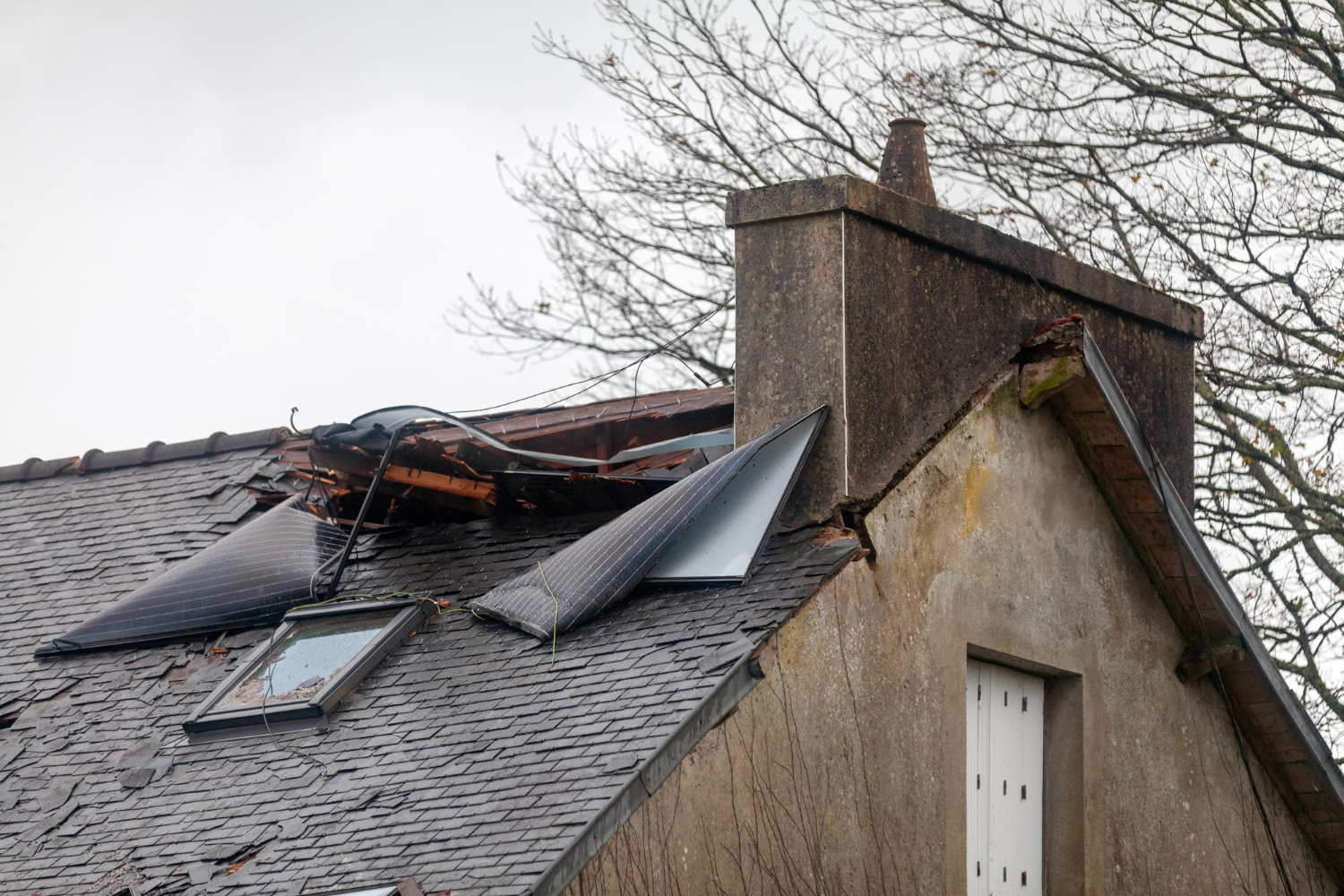
When a storm hits your property, the damage can feel overwhelming. Storm damage mitigation contractors are professionals who assess, repair, and restore properties after storm-related destruction, helping you protect your home or business from further harm. These experts work quickly to handle everything from structural repairs to water damage cleanup.
Acting fast after a storm is important. Professional contractors know how to spot hidden problems and fix them before they turn into bigger issues.
This article will walk you through what storm damage mitigation involves and why working with trained professionals makes a difference. You'll learn about the repair process, how to choose the right contractor, and ways to prepare your property for future storms.
Here’s what you’ll find below:
- What is storm damage mitigation?
- Common types of storm damage
- Why hire professional storm damage mitigation contractors
- The storm damage mitigation process
- Benefits of hiring Michaelis Corp for storm damage mitigation
- Tips for preparing your property for future storms
Keep reading! The longer you wait, the more damage can spread through your property.
What is storm damage mitigation?
Storm damage mitigation involves taking immediate action to minimize losses and prevent additional harm to your property after severe weather strikes. This process includes temporary repairs, thorough documentation, and coordination with insurance companies to prepare for full restoration.
Immediate response to protect property from further damage
When a storm damages your home, the first hours are critical. A mitigation contractor arrives quickly to assess the situation and stop ongoing damage. This rapid response prevents small problems from becoming major issues.
Water from broken windows or damaged roofs can spread throughout your home within hours. Wind exposure through openings creates pressure that weakens walls and ceilings. Mitigation professionals work to secure your property right away.
The initial response includes boarding up broken windows and covering roof damage with tarps. Contractors also remove standing water and set up dehumidifiers to prevent mold growth. These actions protect your belongings and keep the structure stable until permanent repairs can begin.
According to FEMA, installing temporary roof covering (plastic sheeting/tarping) is intended to reduce further damage until permanent storm damage repair can be completed.
Temporary repairs to prevent water, wind, or debris impact
Temporary repairs serve as a barrier between your home and the elements. These fixes don't restore your property to its original condition, but they stop additional damage from occurring.
Common temporary repair measures include:
- Installing tarps over damaged roof sections
- Boarding up broken windows and doors
- Sealing wall cracks and openings
- Removing debris from gutters and drainage systems
- Setting up temporary fencing around hazardous areas
Your contractor may also place plastic sheeting over damaged areas to keep rain out. They'll remove fallen trees or branches that threaten your structure. These steps keep your home protected while you work through insurance claims and plan permanent repairs.
Emergency storm restoration requires specific materials that can withstand continued weather exposure. Contractors use heavy-duty tarps, plywood sheets, and industrial-grade fasteners designed for temporary but durable protection.
Full damage assessment and documentation
A complete damage assessment creates a detailed record of everything the storm affected. Your mitigation contractor inspects every area of your property, including hidden spaces like attics and crawl spaces.
Documentation includes photographs, videos, and written descriptions of all damage. Contractors measure affected areas and note the extent of water intrusion, structural harm, and destroyed materials. This evidence becomes essential for your insurance claim.
Per FEMA, storm recovery documentation should include clear photos/videos of damage (inside and outside) and should be captured before discarding damaged items, since this evidence supports insurance claims and repair scope.
The assessment identifies both visible damage and potential problems you might not notice. Hidden water damage behind walls or compromised structural supports need professional detection. Your contractor uses moisture meters and thermal imaging to find issues that could cause future problems.
Coordination with insurance providers
Your mitigation contractor works directly with your insurance company to explain the damage and justify necessary repairs. They provide detailed reports, estimates, and photographic evidence that support your claim.
This coordination speeds up the claims process. Insurance adjusters rely on professional assessments to determine coverage and approve emergency repairs. Your contractor speaks the same technical language as insurance professionals, which helps avoid misunderstandings.
Many mitigation companies handle insurance paperwork on your behalf. They submit required documentation, answer adjuster questions, and explain why specific repairs are necessary. This service removes much of the stress from filing claims during an already difficult time.
Planning for permanent restoration
Once your property is stabilized and documented, the focus shifts to long-term repairs. Your mitigation contractor develops a restoration plan that addresses all damage and returns your home to its pre-storm condition.
The restoration plan outlines the scope of work, timeline, and materials needed. It prioritizes repairs based on structural importance and your insurance coverage. This roadmap guides the entire restoration process from start to finish.
Planning includes selecting appropriate materials and methods that meet building codes. Your contractor coordinates with specialists for electrical, plumbing, or structural work as needed. They create a schedule that minimizes disruption to your daily life while ensuring quality repairs.
Common types of storm damage
Storms affect homes through wind, water, and debris impact. Roof materials get torn off, water enters through damaged areas, trees fall onto structures, and exterior components break or disconnect.
Roof damage from high winds or hail
High winds tear shingles off your roof and expose the underlayment to water. Wind speeds above 50 mph can lift individual shingles, while stronger gusts may remove entire sections. Once shingles are gone, rain enters your attic and walls.
Hail creates different problems. Small hail dents shingles and knocks off protective granules. Larger hail cracks or punctures roofing materials completely. These impacts may not cause immediate leaks, but they shorten your roof's lifespan and create entry points for water over time.
Common roof damage includes:
- Missing or lifted shingles
- Cracked or punctured roofing materials
- Damaged flashing around chimneys and vents
- Dented metal components
- Exposed underlayment
Flooding from heavy rain or storm surges
Heavy rainfall overwhelms drainage systems and pushes water into your home through foundation cracks, basement windows, and doorways. Storm surges from coastal storms can flood entire first floors within minutes.
Water damage spreads quickly through drywall, insulation, and flooring. Within 24 to 48 hours, mold starts growing in damp areas. Your electrical systems, HVAC equipment, and appliances can suffer permanent damage from water exposure.
According to the CDC, after flooding, mold can grow if a building isn’t dried out within 24–48 hours, which is why emergency storm restoration focuses on rapid water removal and drying to limit secondary damage.
Floodwater often carries contaminants like sewage, chemicals, and debris. This makes cleanup more complicated than regular water damage. Materials that absorb contaminated water usually need complete replacement rather than drying.
Fallen trees and structural damage
Trees and large branches fall when wind speeds exceed their structural capacity or when saturated soil loosens root systems. A falling tree can crush roof sections, break through walls, or damage your home's framing.
The weight of a large tree can compromise your home's structural integrity. Support beams may crack, walls can shift off their foundation, and rooflines may sag. Even smaller branches can puncture roofing and create openings for water and animals.
Uprooted trees near your foundation sometimes damage underground utilities, septic systems, or your home's footer. The impact zone often extends beyond the visible damage point.
Siding, window, and gutter damage
Wind and flying debris break windows and crack siding panels. Your gutters tear away from fascia boards when high winds catch them or when they fill with heavy debris. Broken windows let rain enter your home and damage interior spaces.
Siding damage exposes your home's exterior sheathing and insulation to moisture. Vinyl siding cracks in multiple pieces, while wood siding splits along grain lines. Metal siding dents but usually stays attached unless fasteners fail.
Damaged gutters stop directing water away from your foundation. Water then pools around your home's base and increases the risk of basement flooding and foundation damage.
Electrical and mechanical system hazards
Lightning strikes send electrical surges through your home's wiring and damage connected devices. Your electrical panel, outlets, and appliances can suffer internal damage even without visible signs. HVAC systems and water heaters are particularly vulnerable to power surges.
Water entering your home creates shock hazards when it contacts electrical components. Wet insulation around wiring degrades over time and increases fire risk. Your circuit breakers may trip repeatedly or fail to protect circuits properly after storm damage.
Flooding damages heating and cooling equipment, water heaters, and washers located in basements. These systems often require complete replacement after water exposure because internal components corrode and mechanical parts seize.
Why hire professional storm damage mitigation contractors
Professional contractors bring specialized skills and resources that protect your property from immediate threats and prevent additional damage that could cost thousands more to repair. They also handle safety risks, speed up insurance work, and get your life back to normal faster.
Minimize property loss and secondary damage
Storm damage gets worse fast if you don't act quickly. Water from roof leaks can spread to walls, insulation, and electrical systems within hours. Professional mitigation contractors know how to stop this progression immediately.
These experts use industrial-grade equipment like moisture meters, thermal imaging cameras, and commercial dehumidifiers. They can detect hidden water pockets that you might miss with a visual inspection alone.
Common secondary damage they prevent includes:
- Mold growth (starts within 24-48 hours)
- Structural wood rot
- Foundation problems from water intrusion
- Electrical hazards from exposed wiring
- Pest infestations in damaged areas
Contractors also secure your property with emergency board-up services and temporary roof tarps. This keeps out weather, animals, and intruders while permanent repairs are planned.
Ensure safety for occupants and workers
Storm-damaged properties have serious safety hazards that aren't always obvious. Professionals have training to identify and handle these dangers properly.
They wear proper safety gear and follow OSHA protocols when working in hazardous conditions. You don't have the same equipment or training to protect yourself.
Key safety risks they manage:
- Compromised structural supports that could collapse
- Live electrical wires in wet areas
- Contaminated water from sewage backups
- Sharp debris like broken glass and metal
- Airborne particles from damaged insulation
Licensed contractors carry insurance that protects you if someone gets injured on your property during repairs. If you or a friend gets hurt doing DIY repairs, your homeowner's insurance might not cover medical bills.
Facilitate fast insurance claims processing
Insurance companies require specific documentation and procedures for storm damage claims. Professional contractors know exactly what insurers need and how to provide it.
They take detailed photos, create itemized damage assessments, and write reports in the format insurance adjusters expect. This documentation speeds up your claim approval and helps you get full compensation.
Many contractors work directly with your insurance company. They attend adjuster meetings, explain technical details, and advocate for complete coverage of necessary repairs.
How they help with insurance:
Service
Benefit
Damage documentation
Creates proof insurers accept
Cost estimates
Prevents underpayment of claims
Adjuster meetings
Explains repairs in technical terms
Code compliance
Ensures repairs meet insurance requirements
Some contractors even offer to invoice your insurance company directly after you pay your deductible. This reduces your out-of-pocket expenses during the repair process.
Provide expert assessment and long-term solutions
Storm damage often affects multiple building systems in ways that aren't immediately visible. Professionals conduct thorough inspections to find all issues before starting repairs.
They understand building codes, permit requirements, and proper repair methods. This knowledge ensures fixes last for years instead of failing after the next storm.
Experienced contractors can tell the difference between damage that needs immediate repair and issues that can wait. This helps you prioritize spending if you have budget constraints.
They also spot pre-existing conditions that storm damage made worse. This distinction matters for insurance purposes and helps you understand what coverage applies.
Reduce business downtime or home displacement
Every day your property stays damaged costs you money or forces you to live elsewhere. Professional contractors have the crew size and equipment to complete work much faster than DIY efforts.
They manage multiple trades like roofers, electricians, and plumbers to work efficiently without delays. You would need to coordinate these separate contractors yourself otherwise.
Speed advantages include:
- 24/7 emergency response availability
- Large crews that work simultaneously
- Established supplier relationships for fast material delivery
- Project management that prevents scheduling conflicts
For businesses, faster repairs mean less lost revenue and fewer canceled appointments. For homeowners, it means shorter hotel stays and faster return to normal family life.
Licensed contractors also handle all inspection scheduling and code compliance checks. These administrative tasks slow down amateur repairs significantly.
The storm damage mitigation process
Storm damage mitigation follows a structured approach to protect your property from further harm and begin the restoration work. Each step addresses specific threats while preparing your home or business for complete repairs.
Emergency inspection and property assessment
The mitigation process starts with a thorough inspection of your property. A trained contractor will examine your roof, walls, windows, and foundation to identify all damage. They check for water intrusion points, structural weaknesses, and safety hazards.
This assessment determines which repairs need immediate attention. The contractor documents everything with photos and detailed notes. This information helps with insurance claims and creates a repair plan.
Key areas inspected include:
- Roof damage and missing shingles
- Broken windows and doors
- Water penetration points
- Structural integrity issues
- Electrical and plumbing concerns
The inspection happens as soon as possible after the storm. Quick action prevents minor damage from becoming major problems.
Temporary boarding and tarping
After the assessment, contractors install temporary protection measures. They place tarps over damaged roof sections to stop water from entering your building. Broken windows and doors get boarded up with plywood or other materials.
These temporary fixes are not permanent solutions. They serve as emergency barriers until full storm damage repair can begin. Proper tarping requires secure fastening to withstand additional wind and rain.
Boarding up openings also protects your property from unauthorized entry. This step is critical when your home or business cannot be occupied safely. The materials used must be strong enough to hold until permanent repairs are complete.
Water extraction and drying
Storm impact restoration often involves removing standing water from your property. Contractors use pumps and vacuums to extract water from floors, carpets, and other surfaces. This step must happen quickly because water damage worsens over time.
After extraction, industrial fans and dehumidifiers dry out wet materials. The drying process can take several days depending on how much water entered your building. Contractors monitor moisture levels to ensure everything is completely dry.
Proper drying prevents mold growth and structural damage. Wet drywall, insulation, and wood can deteriorate rapidly. Your contractor may need to remove materials that cannot be dried effectively.
Debris removal and structural stabilization
Storms leave behind damaged materials that need removal. Contractors clear away broken roof pieces, fallen trees, damaged drywall, and other debris. This cleanup makes the property safer and prepares it for repairs.
If the storm damaged load-bearing walls or roof supports, contractors stabilize these areas. They install temporary braces or supports to prevent collapse. This work ensures your building is safe while waiting for permanent repairs.
Common stabilization tasks:
- Bracing damaged roof trusses
- Supporting weakened walls
- Securing loose structural elements
- Removing hazardous materials
The debris removal phase also includes sorting materials. Some items can be salvaged while others must be disposed of properly.
Coordination for full restoration
The final mitigation step involves planning the complete restoration. Your contractor creates a detailed repair schedule and coordinates with insurance adjusters. They provide estimates for all necessary work and identify any building code requirements.
This coordination includes arranging specialized contractors for electrical, plumbing, or roofing work. Your mitigation contractor acts as the main point of contact throughout the process. They ensure each phase of restoration happens in the correct order.
The contractor also helps you understand your insurance coverage and claim requirements. They provide documentation that supports your claim and speeds up the approval process. This planning phase sets the timeline for returning your property to its original condition.
Benefits of hiring Michaelis Corp for storm damage mitigation
Michaelis Corp brings over 30 years of experience helping property owners recover from severe weather events. Their team handles everything from emergency response to insurance paperwork, making the restoration process less stressful for both homeowners and business owners.
Licensed, certified, and experienced contractors
Michaelis Corp operates as a fully licensed, bonded, and insured general contractor. This protects your property and gives you peace of mind during repairs.
The company has served customers throughout Indiana for more than three decades. Their contractors know how to handle different types of storm damage, from wind and hail to tornado destruction. They understand local building codes and follow proper restoration procedures.
When you work with certified professionals, you get quality repairs that meet industry standards. The team's experience means they can spot hidden damage that might cause problems later. They use proven techniques to restore your property correctly the first time.
24/7 emergency response for rapid action
Storm damage needs immediate attention to prevent further problems. Michaelis Corp offers round-the-clock emergency services so you can get help when disaster strikes.
Quick response limits secondary damage like water intrusion and mold growth. The team arrives with the right equipment to secure your property and start mitigation work. They board up broken windows, tarp damaged roofs, and remove standing water.
Fast action also protects your belongings and reduces overall repair costs. You don't have to wait until regular business hours to start the recovery process. Emergency crews can respond any time, day or night.
Residential and commercial property expertise
Michaelis Corp handles storm damage for both homes and businesses across the Indianapolis metro area. This dual expertise means they understand the different needs of various property types.
Residential services focus on protecting your family's living space and personal belongings. The team works to restore comfort and safety to your home quickly.
Commercial services address business-specific concerns like minimizing downtime and maintaining professional spaces. They know that storm damage affects your ability to serve customers and generate income. Their crews work efficiently to get your business operational again.
Comprehensive mitigation and restoration services
Your storm damage project stays with one company from start to finish. Michaelis Corp handles multiple restoration needs instead of requiring you to hire separate contractors.
Their services include:
- Fire and smoke damage restoration if lightning strikes cause fires
- Water damage restoration from roof leaks and flooding
- Structural repairs for wind and hail damage
- Mold remediation to address moisture problems
- Foundation repair if water undermines your building
- Basement and crawl space waterproofing to prevent future issues
This full-service approach saves you time and coordination headaches. One team manages your entire project using consistent quality standards. You work with familiar faces throughout the restoration process rather than explaining your situation to multiple companies.
Support with insurance claims and documentation
Dealing with insurance companies adds stress to an already difficult situation. Michaelis Corp helps you through the claims process with proper documentation and professional assessments.
Their team documents damage thoroughly with photos and detailed reports. They provide accurate estimates that help support your claim. This documentation gives your insurance company the information they need to process your case.
The company has worked with insurance providers for years and understands what adjusters require. They can communicate directly with your insurance company about the scope of work and necessary repairs. This experience helps avoid delays and disputes over coverage.
Tips for preparing your property for future storms
Taking steps now to strengthen your home can prevent costly damage when severe weather strikes. Property damage prevention requires attention to key areas like your roof, landscaping, windows, and drainage systems.
Regular roof and gutter maintenance
Your roof is your home's first defense against storm damage. Inspect it at least twice a year for missing shingles, cracks, or worn areas that could allow water to seep in.
Check the flashing around chimneys and vents where leaks often start. Replace any damaged or missing shingles right away to prevent water damage during heavy rain.
Clean your gutters every few months to keep water flowing away from your home. Clogged gutters cause water to overflow and damage your foundation, siding, and roof edges. Install gutter guards to reduce the amount of debris that builds up.
Make sure downspouts direct water at least three to four feet away from your foundation. Secure any loose gutters or downspouts before storm season starts.
Trim trees and remove weak branches
Overhanging branches can break off during high winds and crash through windows or damage your roof. Cut back any branches that hang within ten feet of your home.
Look for dead or diseased trees that could fall during storms. These pose serious risks to your property and should be removed by professionals. Check for branches that cross or rub against each other, as these are more likely to break.
Remove dead branches throughout your yard, not just near the house. Strong winds can turn loose branches into dangerous projectiles. Schedule regular tree maintenance in spring and fall when it's easier to spot problem areas.
Install storm-resistant windows and siding
Impact-resistant windows can withstand flying debris and strong winds that would shatter standard glass. These windows have a special layer between two sheets of glass that holds fragments together even when broken.
Storm shutters offer another layer of protection and come in several styles. Panel shutters are affordable and effective, while roll-down shutters provide quick deployment when severe weather approaches.
Upgrade to wind-resistant siding materials that can handle high winds without tearing away from your home. Fiber cement and vinyl siding rated for high wind speeds will stay attached better than older materials. Ensure your contractor properly secures all siding with the right fasteners spaced correctly.
Maintain proper drainage around the property
Grade your yard so it slopes away from your foundation at a rate of at least six inches over ten feet. This prevents water from pooling against your home and seeping into the basement.
Clear debris from yard drains and catch basins before storm season. Test your sump pump monthly to make sure it works when you need it most. Pour water into the sump pit to verify the pump turns on and drains properly.
Add extensions to downspouts if water pools near your foundation. Consider installing a French drain or dry well if your property has persistent drainage problems. Fill any low spots in your yard where standing water collects after rain.
Create an emergency preparedness plan
Keep important documents like insurance policies and home inventories in a waterproof container or safe. Take photos and videos of your property before storm season to document your belongings for insurance claims.
Stock emergency supplies including flashlights, batteries, bottled water, and non-perishable food. Keep a battery-powered radio to stay informed if the power goes out. Have enough supplies to last at least three days.
Know how to shut off your utilities in an emergency. Label the locations of your water main, gas valve, and electrical panel. Create a list of emergency contacts including your insurance company and storm damage mitigation contractors in your area.
Conclusion
Storm damage mitigation contractors provide essential services that protect your property before, during, and after severe weather events. These professionals bring specialized knowledge in preventing further damage and implementing effective protection strategies. Their expertise goes beyond basic repairs to include comprehensive assessments and long-term planning.
Working with qualified contractors ensures you receive proper guidance on reinforcing vulnerable areas of your property. They understand building codes, insurance requirements, and the most effective materials for storm resistance. This knowledge helps you make informed decisions about protecting your investment.
The right contractor will communicate clearly throughout the process and provide realistic timelines for completion. They should offer transparent pricing and detailed explanations of necessary work. This partnership becomes especially valuable when dealing with the stress and urgency that storm damage creates.
Your choice of contractor directly impacts how well your property withstands future storms. Taking time to select an experienced professional with proper licensing and insurance protects you from additional complications. Their specialized training in mitigation techniques makes them different from general contractors who focus mainly on new construction.
Storm damage requires immediate attention and expert handling. A qualified mitigation contractor gives you the support and expertise needed to minimize damage and restore your property efficiently.
Schedule emergency storm restoration with Michaelis Corp to secure openings, stop water intrusion, and complete storm damage repair before secondary damage spreads.



.avif)