

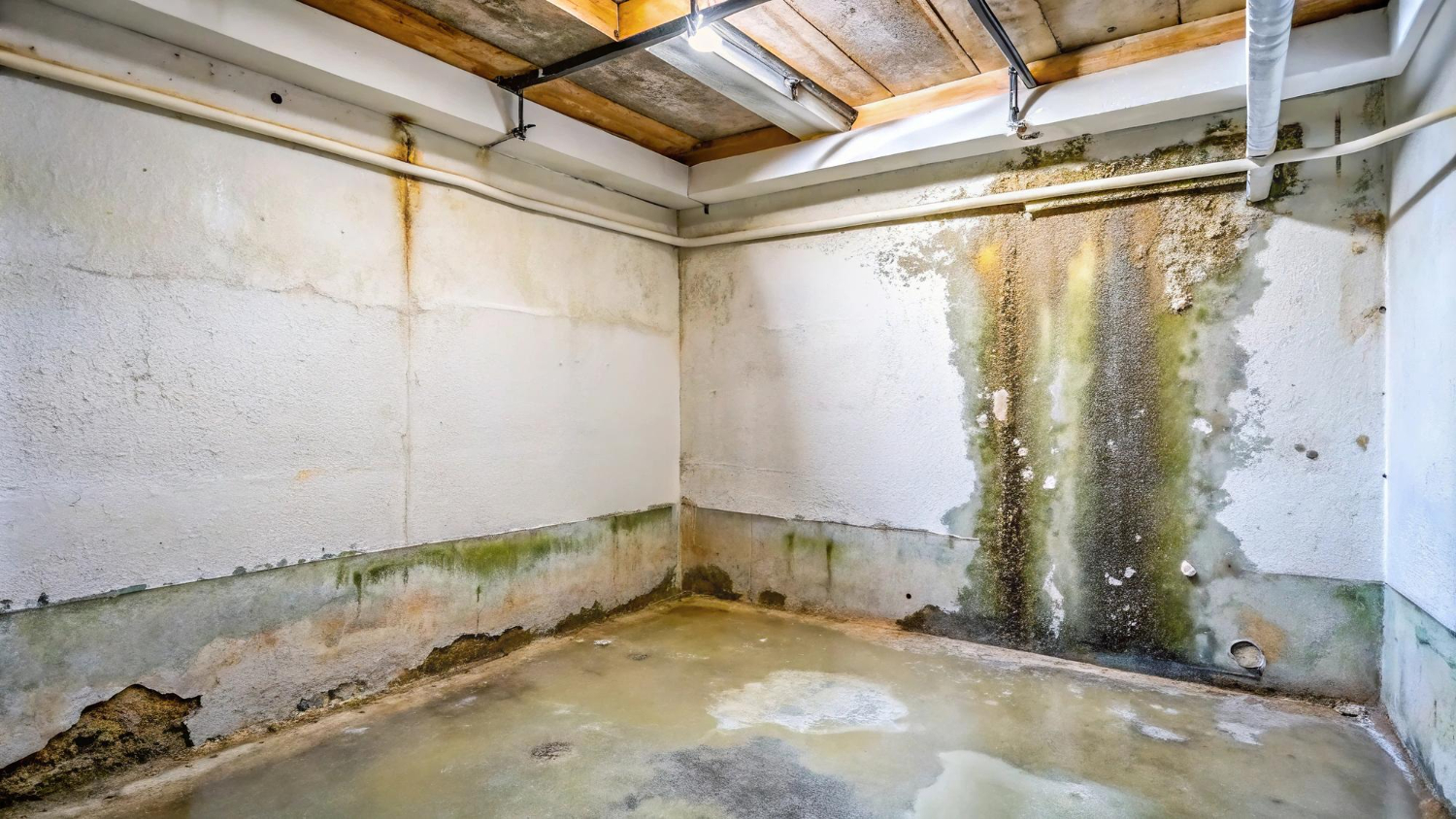
Water damage can happen to any property at any time. A burst pipe, heavy storm, or leaking roof can quickly turn into a serious problem that affects your home or business. Water damage repair services help property owners respond fast to remove water, dry out affected areas, and restore damaged materials before the problem gets worse.
Acting quickly matters because water spreads fast and causes more damage the longer it sits. Within hours, water can soak into floors, walls, and furniture. Within days, mold can start growing and structural damage can begin. Professional repair services are available around the clock to handle emergencies and prevent long-term problems.
If materials can’t be fully dried fast, they typically need removal to prevent mold; per FEMA, when flood- or leak-impacted materials cannot be properly cleaned and dried within 24–48 hours, they should be removed and discarded to reduce mold risk.
In this guide, you'll learn about the types of damage that professionals fix, why expert help is important, and what steps you should take to protect your property and work with your insurance company.
Here's what you need to know:
- Water damage repair services for homes and businesses
- What water damage repair services include
- Common causes of water damage
- Why professional water damage repair is critical
- Water damage repair process
- Materials commonly repaired or replaced
- Water damage repair for residential and commercial properties
- Mold risks during water damage repair
- Water damage repair and insurance claims
- What property owners should do after water damage
- Why choose Michaelis Corporation for water damage repair services
Keep reading! Understanding what these services include and how the repair process works helps you make smart decisions when water damage strikes.
Water damage repair services for homes and businesses
Water damage can strike both residential and commercial properties at any time. Professional repair services handle everything from small leaks to major flooding events.
Most companies offer 24/7 emergency water damage repair to respond quickly when disaster strikes. Fast response times help prevent further damage and reduce repair costs. These services work on holidays and weekends because water emergencies don't follow a schedule.
Residential services focus on homes and apartments. Technicians handle flooded basements, burst pipes, and roof leaks. They protect your living spaces and personal belongings from water destruction.
Commercial services address larger-scale problems in offices, retail stores, and industrial facilities. These teams understand business operations need to resume quickly. They work to minimize downtime and get your business running again.
Both service types follow similar repair processes:
- Water extraction and removal
- Drying and dehumidification
- Damage assessment
- Structural repairs
- Mold prevention and removal
Professional companies employ certified technicians with years of experience. They use specialized equipment to detect hidden moisture and dry affected areas completely. This prevents mold growth and structural problems down the road.
Your property type determines which service you need. Residential jobs typically take less time than commercial projects. However, both require the same level of expertise and attention to detail.
When choosing a provider, look for companies that handle both property types. This shows they have the skills and resources to manage various situations. Many national and local companies serve homes and businesses in your area.
What water damage repair services include
Water damage repair services focus on fixing structural problems and replacing damaged materials after water has affected your property. These services work alongside water extraction and drying to complete the full restoration process.
Structural repairs after water exposure
Water can weaken the structure of your home in ways that aren't always visible. When water soaks into walls, floors, and ceilings, it breaks down materials like drywall, wood framing, and insulation.
Repair services address these structural issues by replacing damaged drywall and ceiling materials. Your walls might need complete replacement if water sat too long or if the damage spread extensively. Wood framing and support beams require inspection and potential replacement when they've lost structural integrity.
Flooring repairs depend on your floor type. Hardwood floors might need refinishing or replacement of specific boards. Carpet typically requires full replacement after water damage. Tile floors may need new grout or complete reinstallation if the subfloor underneath sustained damage.
Insulation removal and replacement is common because wet insulation loses its effectiveness and can harbor mold. Baseboards, trim, and door frames also frequently need replacement since these materials absorb water quickly and warp easily.
Difference between water damage repair and water extraction
Water extraction and water damage repair serve different purposes in the recovery process. Extraction focuses on removing standing water from your property using pumps and vacuums. This happens first, usually within 24-48 hours of the water event.
Repair comes later and involves fixing what the water damaged. Extraction is emergency response work. Repair is rebuilding and restoration work.
Water extraction removes the immediate threat. Water damage repair fixes the lasting impact. You need extraction before repair can begin because you can't rebuild while water remains in your space.
Think of it this way: extraction stops the problem from getting worse, while repair returns your property to its original condition. Both are necessary parts of water damage restoration services, but they happen at different stages.
How repair fits into the full restoration process
The full restoration process follows a specific order to properly address water damage. Assessment comes first, where professionals identify all affected areas and document the damage for insurance purposes.
Water extraction follows immediately to remove standing water. Drying and dehumidification happens next, using industrial equipment to remove moisture from materials and air. This stage typically takes 3-5 days for minor damage or up to several weeks for severe cases.
Cleaning and sanitizing occurs after drying, especially important for contaminated water from sewage backups or floods. Repair work begins only when everything is completely dry and clean.
During repairs, contractors replace damaged materials, rebuild structural elements, and restore your property's appearance. Final inspections ensure all work meets safety standards and building codes. Mold prevention measures may continue throughout to avoid secondary damage.
Common causes of water damage
Water damage in your home can result from sudden emergencies or gradual wear over time. Identifying these sources helps you understand when professional repair becomes necessary.
Burst pipes and plumbing failures
Burst pipes represent one of the most serious plumbing emergencies you can face. When water freezes inside pipes during winter, it expands and creates pressure that can cause pipes to crack or rupture completely. Older homes with corroded pipes face additional risks as metal deteriorates and weakens over time.
Plumbing failures also include problems like loose pipe connections, worn washers, and damaged supply lines. These issues often start small with minor drips but can quickly escalate into major leaks. High water pressure can stress your plumbing system and lead to sudden failures.
You might notice warning signs like water stains on walls, reduced water pressure, or unusual sounds in your pipes. Addressing these problems quickly prevents more extensive damage to your property.
Storm and flood damage
Heavy rainfall and flooding create significant water damage risks for your property. When storms overwhelm drainage systems, water can enter through windows, doors, and foundation cracks. Flash floods can deposit several inches of water inside your home within minutes.
Flood damage repair requires immediate attention because standing water causes rapid deterioration. Your floors, walls, and personal belongings absorb moisture quickly. The longer water remains, the more severe the damage becomes.
Hurricanes and severe storms bring additional challenges like wind-driven rain that penetrates through damaged roofing or siding. Poor grading around your foundation can direct rainwater toward your home instead of away from it. Basement flooding commonly occurs when groundwater levels rise during prolonged rain events.
Appliance and HVAC leaks
Your household appliances contain water lines and tanks that can fail without warning. Washing machines, water heaters, dishwashers, and refrigerators with ice makers all pose potential leak risks. A water heater typically lasts 8-12 years before the tank begins to corrode and leak.
HVAC systems produce condensation that must drain properly through designated lines. When these drain lines become clogged with algae or debris, water backs up and overflows into your home. Air conditioning units can leak when drain pans rust through or when refrigerant lines freeze and then thaw.
Appliance supply line failures happen frequently because the rubber hoses deteriorate with age. You should inspect these connections regularly and replace hoses every 3-5 years to prevent sudden ruptures.
Roof leaks and foundation intrusion
Your roof protects your home from water entry, but damage to shingles, flashing, or underlayment creates pathways for leaks. Missing or cracked shingles allow rainwater to seep into your attic and eventually through ceilings. Poorly installed or aging flashing around chimneys and vents represents a common failure point.
Foundation cracks develop as your home settles or when soil expands and contracts with moisture changes. Even small cracks can allow groundwater to seep into basements and crawl spaces. Hydrostatic pressure builds up when soil around your foundation becomes saturated, forcing water through any available opening.
Clogged gutters contribute to both roof and foundation problems. When gutters overflow, water runs down exterior walls and pools near your foundation. This concentrated water flow can penetrate your home at multiple points.
Why professional water damage repair is critical
Water damage requires immediate professional attention to prevent serious problems that develop quickly and often remain invisible. Trained technicians have the tools and knowledge to address both obvious damage and hidden issues that homeowners typically miss.
Preventing hidden moisture and secondary damage
Water travels through walls, floors, and ceilings in ways you cannot see from the surface. It seeps into cavities, insulation, and subflooring where it continues causing damage long after the initial incident. Professional restoration teams use moisture meters and thermal imaging cameras to detect water in hidden areas.
Standard household equipment cannot reach these concealed spaces. Professionals use specialized drying equipment that targets moisture trapped behind walls and under flooring. This equipment includes air movers, dehumidifiers, and injection drying systems designed for structural cavities.
Secondary damage occurs when initial water problems spread to new areas. Wet drywall wicks moisture upward, affecting areas that never touched water initially. Wood absorbs moisture and transfers it to connected framing members. Professionals monitor moisture levels throughout your property to ensure complete drying and prevent this chain reaction.
Protecting structural integrity
Water weakens building materials in ways that compromise your home's structure. Wood framing absorbs moisture and loses its load-bearing capacity. Prolonged exposure causes wood to rot, creating safety hazards in floors, walls, and roof systems.
Foundation materials suffer damage when water saturates concrete and masonry. Freezing and thawing cycles in saturated concrete lead to spalling and cracking. Professional teams assess structural components and identify compromised materials before they fail.
Metal components corrode when exposed to water. This includes fasteners, brackets, and structural connectors that hold your home together. Professionals inspect these critical elements and address corrosion before it progresses.
Drywall and plaster lose integrity when saturated. These materials crumble, sag, and separate from framing. Trained technicians determine which materials can be dried and saved versus which require replacement to maintain structural standards.
Reducing mold and bacterial growth
Mold begins growing within 24 to 48 hours of water exposure. It spreads through microscopic spores that travel through air and settle on damp surfaces throughout your home. Professional services respond quickly to extract water and dry affected areas before mold establishes colonies.
Bacteria thrive in standing water and wet materials. Sewage backups and contaminated floodwater introduce dangerous pathogens into your home. Professional teams use antimicrobial treatments and follow safety protocols to eliminate health hazards.
Standard cleaning methods do not remove mold from porous materials like drywall and insulation. Professionals understand which materials can be treated and which must be removed. They contain affected areas to prevent spore spread during remediation.
Avoiding costly future repairs
Untreated water damage grows exponentially more expensive over time. A small leak that costs hundreds to repair today can require thousands in structural work if ignored. Professional assessment identifies all affected areas immediately, preventing escalation.
Insurance claims require proper documentation and professional restoration to receive full coverage. DIY repairs often void warranties and create coverage disputes. Restoration companies provide detailed records that insurance providers accept.
Incomplete drying leaves residual moisture that causes problems months later. Professional equipment ensures thorough drying that prevents recurring issues. This saves you from paying twice to fix the same problem.
Water damage repair process
Water damage repair follows a structured approach that moves from initial evaluation through complete restoration. Professionals work through distinct phases to remove water, dry affected areas, and rebuild your property to its original condition.
Damage assessment and moisture mapping
A trained technician begins by inspecting your property to identify all affected areas. They use moisture meters and thermal imaging cameras to detect water in walls, floors, and ceilings that you cannot see with the naked eye.
The assessment determines the category of water damage you are dealing with. Clean water from supply lines requires different handling than contaminated water from sewage backups or flooding.
Moisture mapping creates a detailed record of wet areas throughout your property. This documentation helps the repair team track drying progress and ensures no hidden moisture gets missed during restoration. The technician also checks for immediate safety hazards like electrical issues or structural weakness before starting any work.
Removal of damaged materials
Your repair team removes materials that cannot be saved through drying alone. Soaked drywall, insulation, carpeting, and baseboards often need to come out to prevent mold growth and structural problems.
The crew creates containment barriers to keep dust and debris from spreading to unaffected rooms. They remove wet materials down to the studs if necessary, exposing the structure for proper drying.
Materials commonly removed include:
- Carpet and padding
- Drywall and insulation
- Baseboards and trim
- Damaged flooring sections
- Water-damaged cabinets
Personal belongings and furniture get evaluated separately. Some items can be cleaned and restored while others require disposal based on contamination level and material type.
Structural drying and dehumidification
Professional drying equipment runs continuously to extract moisture from your property's structure. Air movers create airflow across wet surfaces while dehumidifiers pull moisture from the air.
The drying process typically takes three to five days but can extend longer depending on the extent of water damage. Technicians monitor moisture levels daily and adjust equipment placement as needed.
Specialized equipment targets specific materials. Wood floors may need mat systems that create suction underneath the surface. Wall cavities sometimes require injection drying to reach moisture trapped inside.
Your team maintains detailed logs of temperature, humidity, and moisture readings. This data confirms when materials reach acceptable dryness levels and prevents premature closure of the drying phase.
Repair and reconstruction services
Reconstruction begins once all materials reach proper dryness levels. Your repair team rebuilds walls, replaces flooring, and reinstalls trim to match your original layout and finishes.
The scope ranges from minor repairs like patching small drywall sections to major reconstruction of entire rooms. Skilled technicians handle carpentry, painting, flooring installation, and other trades needed to complete your restoration.
Your team may upgrade certain materials during reconstruction. Water-resistant drywall in bathrooms or improved insulation can reduce future damage risk. These decisions happen through discussion with you about priorities and budget considerations.
Final steps include painting, installing fixtures, and cleaning the work area. The goal is returning your property to its pre-damage condition with all repairs meeting current building codes and standards.
Materials commonly repaired or replaced
Water damage cleanup and repair often involves fixing or replacing specific building materials that absorb moisture or sustain structural harm. The extent of replacement depends on how long materials stayed wet and the contamination level of the water.
Drywall and insulation
Drywall absorbs water quickly and becomes weak, crumbly, or warped when exposed to moisture. You'll typically need to replace drywall if it has been wet for more than 48 hours or shows visible damage like bubbling or sagging.
Professionals cut out damaged sections and install new drywall sheets. They also check the framing behind the walls for moisture and structural problems. Any compromised wood framing gets treated or replaced before new drywall goes up.
Insulation loses its effectiveness when wet and can harbor mold growth. Fiberglass and cellulose insulation almost always require complete replacement after water exposure. The restoration team removes saturated insulation from wall cavities and replaces it with new material to restore your home's energy efficiency.
Flooring and subfloor systems
Different flooring materials react to water in distinct ways. Hardwood floors often warp, cup, or buckle when exposed to moisture. Laminate flooring swells and delaminates. Carpet and padding absorb large amounts of water and usually need replacement to prevent mold.
Tile floors may survive water damage, but the grout and underlayment often don't. The subfloor underneath any flooring type faces serious risk. Plywood and particle board subfloors break down when saturated and lose their structural integrity.
Water damage repair services inspect subfloors carefully before installing new materials. You might need partial or complete subfloor replacement depending on the damage severity. Professionals ensure the subfloor is completely dry and structurally sound before laying new flooring.
Cabinets, trim, and finishes
Kitchen and bathroom cabinets made from particle board or MDF swell and deteriorate rapidly when wet. Solid wood cabinets handle moisture better but can still warp or develop mold. Cabinet bases typically sustain more damage than upper cabinets.
Baseboards, door trim, and crown molding absorb water from floors and walls. These pieces often separate from walls, warp, or develop mold growth. Most trim requires replacement rather than repair after significant water exposure.
Paint and wallpaper peel or bubble when moisture gets underneath. You'll need to remove loose finishes, treat the underlying surface, and reapply new finishes. Wood doors can swell in their frames and may need planing or replacement.
Electrical and mechanical components
Electrical outlets, switches, and wiring exposed to water create serious safety hazards. A licensed electrician must inspect all affected electrical components. You cannot use outlets or fixtures that contacted water until a professional deems them safe.
Damaged wiring requires immediate replacement. Electrical panels that got wet need thorough inspection and often replacement. HVAC ductwork can harbor moisture and mold, requiring cleaning or replacement.
Water heaters, furnaces, and other mechanical systems may suffer internal damage from flooding. Professionals evaluate whether these systems can be safely restored or need full replacement.
Water damage repair for residential and commercial properties
Water damage affects different types of properties in unique ways. Repair services need to match the scale and requirements of each property type, from small homes to large commercial facilities.
Single-family homes and multi-unit housing
Your home requires specialized attention when water damage occurs. Single-family homes typically face water damage from burst pipes, roof leaks, appliance failures, and flooding events. Repair teams assess the damage to your walls, floors, ceilings, and personal belongings before starting work.
Multi-unit properties like apartments and condos present additional challenges. Water damage in one unit often spreads to neighboring spaces through shared walls and floors. Repair services for these properties coordinate access across multiple units and work with property managers to minimize disruption to residents.
Your repair timeline depends on the extent of damage. Minor leaks might take 3-5 days to repair, while major flooding can require 2-4 weeks. Teams remove standing water, dry out affected areas, and replace damaged materials like drywall, insulation, and flooring. They also check for mold growth in hidden spaces like wall cavities and under flooring.
Commercial buildings and facilities
Commercial properties face different water damage challenges than homes. Your business space might include retail stores, office buildings, restaurants, warehouses, or medical facilities. Each type requires specific repair approaches based on building codes and business operations.
Repair services for commercial properties work around your business hours when possible. Teams prioritize areas that affect your daily operations first. They coordinate with multiple stakeholders including property owners, business tenants, and insurance adjusters.
Common commercial water damage sources:
- HVAC system failures
- Sprinkler system malfunctions
- Plumbing issues in bathrooms and kitchens
- Roof damage from storms
- Foundation cracks and seepage
Your commercial property might need extensive repairs to maintain safety standards. This includes electrical system checks, structural assessments, and air quality testing. Repair teams document all work for insurance claims and compliance records.
Large-loss and complex repair projects
Large-scale water damage requires comprehensive restoration efforts. These projects involve significant structural damage, multiple building systems, or properties over 10,000 square feet. You might face this situation after major floods, widespread pipe failures, or severe weather events.
Specialized equipment becomes necessary for these projects. Industrial dehumidifiers, commercial-grade fans, and moisture mapping technology help teams track progress. Your project manager coordinates multiple crews working on different areas simultaneously to speed up repairs.
These projects often take weeks or months to complete. Structural engineers assess your building's integrity before repairs begin. Teams might need to remove and replace entire sections of walls, floors, or ceilings. They also address secondary issues like mold remediation, sewage cleanup, and contamination removal that often accompany large-scale water damage.
Mold risks during water damage repair
Water damage creates conditions where mold can start growing within 24 to 48 hours. Understanding how mold develops and when professional remediation is necessary helps protect your property and health during repairs.
How water damage leads to mold growth
Mold needs three things to grow: moisture, organic material, and warm temperatures. Water damage provides all three conditions in your home.
When water soaks into drywall, carpet, insulation, or wood, these materials stay damp for days or weeks. Mold spores are always present in the air, but they only become a problem when they land on wet surfaces. The spores attach to damp materials and begin growing colonies within 24 to 48 hours.
Damp and moldy indoor environments are linked to respiratory health impacts; according to the National Institute of Environmental Health Sciences (NIEHS), occupants of damp, moldy buildings have an increased chance of respiratory problems, including worsening asthma
Common areas where mold grows after water damage include:
- Behind walls where water has seeped in
- Under carpets and flooring
- Inside ceiling tiles and insulation
- Around windows and door frames
- In HVAC systems and ductwork
Temperature plays a role too. Mold thrives in temperatures between 60°F and 80°F, which is the typical range inside most homes.
When mold remediation is required
You need professional mold remediation when mold covers more than 10 square feet of space. This is roughly the size of a three-foot by three-foot area.
Small patches of surface mold on hard, non-porous surfaces can often be cleaned with proper protective equipment and cleaning solutions. However, mold that has penetrated porous materials like drywall or insulation requires professional removal. These materials usually need to be removed and replaced entirely.
Signs you need professional remediation:
- Visible mold growth larger than 10 square feet
- Mold inside walls, ceilings, or HVAC systems
- Strong musty odors that persist after cleaning
- Water damage from contaminated sources like sewage
- Anyone in your home experiencing respiratory symptoms or allergic reactions
Professional remediation companies use specialized equipment to contain the affected area, remove contaminated materials, and treat surfaces to prevent future growth.
Coordinating repair and remediation services
Water damage repair and mold remediation often need to happen together, but they involve different processes and sometimes different professionals.
Some restoration companies handle both water damage repair and mold remediation. Others specialize in only one service. You need to confirm what services your contractor provides before work begins.
The typical sequence involves water extraction and drying first, followed by mold assessment and removal if needed, then structural repairs. However, if professionals discover mold during water removal, they must stop and address it before continuing with repairs.
Your insurance coverage may treat water damage repair and mold remediation differently. Water damage is often covered, but mold removal may have separate limits or exclusions. Review your policy and get separate estimates for each service to understand your costs.
Professional mold inspections use moisture meters and thermal imaging to find hidden mold that visual checks miss. This inspection should happen after water extraction but before final repairs to ensure all affected areas are identified.
Water damage repair and insurance claims
Understanding your insurance policy and documenting damage properly can determine whether your claim gets approved and how much money you receive for repairs. Quick action and clear records make the difference between a smooth claim process and a denied one.
Documentation and damage reporting
Take photos and videos of all damaged areas before you touch anything. Capture wide shots of entire rooms and close-ups of specific damage to walls, floors, ceilings, and belongings.
Write down the date and time you discovered the water damage. Note the source if you can identify it, like a burst pipe or leaking appliance. Keep this information with your photos.
Essential items to document:
- All wet or damaged surfaces
- Standing water depth and location
- Damaged furniture and personal items
- Water source or entry point
- Visible mold growth
Contact your insurance company within 24 hours of finding the damage. Most policies require prompt notification. Ask about temporary repairs you can make without affecting your claim, like stopping active leaks or removing standing water.
Save all receipts for emergency repairs, hotel stays, and damaged items you need to replace immediately. Your insurer may reimburse these costs if they're covered under your policy.
Working with insurance adjusters
Your insurance company will send an adjuster to inspect the damage and estimate repair costs. Be present during this visit to point out all affected areas.
Show the adjuster your documentation. Walk them through each damaged room and explain what happened. Answer their questions honestly and stick to the facts.
The adjuster's initial estimate may not cover all damage. If you disagree with their assessment, you can request a re-inspection or hire a public adjuster to represent your interests. Public adjusters work for you, not the insurance company, and typically charge a percentage of your settlement.
Get the adjuster's estimate in writing. Review it carefully to make sure it includes all damaged areas and necessary repairs.
How professional repair supports claim approval
Hiring a licensed water damage restoration company creates an official record of professional assessment and work performed. These companies document damage using industry-standard methods that insurance companies recognize and accept.
Professional estimates often carry more weight than homeowner reports. Restoration companies understand what insurers require for claim approval and can identify hidden damage you might miss, like moisture inside walls or under floors.
Your restoration company can communicate directly with your adjuster if you authorize it. They can explain technical aspects of the damage and why certain repairs are necessary. This professional-to-professional dialogue often resolves disputes faster than homeowner negotiations.
Keep copies of all invoices, work orders, and completion certificates from your repair company. These documents prove the repairs were completed and support your final claim settlement.
What property owners should do after water damage
Acting quickly after water damage occurs can prevent mold growth, structural problems, and higher repair costs. Property owners need to prioritize safety, document the damage properly, and avoid common mistakes that make the situation worse.
Immediate safety considerations
Turn off electricity at the circuit breaker before entering any flooded areas. Water and electricity create a dangerous combination that can cause electrocution.
Floodwater creates an electrical shock risk, so power shutoff is a primary safety step; according to NOAA, if flooding is occurring at your home, you should shut off electricity at the circuit breakers to reduce hazards from energized systems.
Stay out of rooms with standing water if you cannot safely turn off the power. Call a professional electrician if you need help shutting down electrical systems.
Watch for structural damage like sagging ceilings, warped floors, or bulging walls. These signs mean the building may be unstable and unsafe to enter.
Wear protective gear when you enter affected areas. Rubber boots, gloves, and masks protect you from contaminated water and mold spores.
Identify the water source and stop it if possible. Shut off the main water valve for pipe bursts or leaks. For roof leaks, place buckets under drips and cover holes with tarps.
Steps to take before repairs begin
Document all damage with photos and videos from multiple angles. Capture close-up shots and wide views of every affected room, item, and structural element.
Contact your insurance company within 24-48 hours to report the damage. Ask about your coverage, filing deadlines, and whether you need approval before making repairs.
Remove standing water as quickly as possible using pumps, wet vacuums, or professional extraction services. Every hour water sits increases damage and mold risk.
Move wet items to dry areas and begin drying them out. Open windows, run fans, and use dehumidifiers to increase air circulation. Remove soaked carpets, padding, and damaged materials that cannot be saved.
Keep detailed records of all expenses, communications, and repair work. Save receipts, contractor estimates, and notes from insurance conversations.
Mistakes to avoid after water loss
Do not delay calling professionals when damage is severe. Water can seep into walls, floors, and foundations within minutes, causing hidden damage that worsens over time.
Avoid using regular household vacuums to remove water. These devices are not designed for water extraction and create electrical hazards.
Do not ignore small amounts of water or minor leaks. Even limited moisture creates mold growth within 24-48 hours and leads to bigger problems.
Resist the urge to turn on your HVAC system before inspection. Water may have damaged ductwork or electrical components, spreading contamination throughout your property.
Do not throw away damaged items before documenting them for insurance claims. Keep samples of damaged materials like flooring or drywall until your claim is processed.
Why choose Michaelis Corporation for water damage repair services
Michaelis Corporation brings over 39 years of experience to water damage restoration with round-the-clock emergency services, certified teams, and complete restoration capabilities from initial cleanup through final reconstruction.
24/7 emergency response
Water damage gets worse every hour you wait. Michaelis Corporation offers 24/7 emergency services to respond quickly when disaster strikes your property. Their team understands that floods, burst pipes, and leaks don't happen on a schedule.
You can reach their emergency line any time of day or night, including weekends and holidays. The rapid response team arrives prepared to start mitigation immediately. Quick action helps prevent secondary damage like mold growth and structural issues.
Their emergency services cover both residential and commercial properties throughout the Indianapolis metro area. You won't have to wait until regular business hours to get help when water threatens your home or business.
Certified restoration and reconstruction teams
The restoration teams at Michaelis Corporation receive specialized training in water damage repair. Each technician holds certifications that prove their knowledge of proper restoration techniques. Licensed, bonded, and insured status protects you throughout the repair process.
These professionals know how to assess water damage accurately. They identify visible damage and hidden moisture that could cause problems later. Their training covers different types of water damage, from clean water to contaminated sources.
You work with experienced contractors who understand building codes and safety requirements. The same team handles both restoration and reconstruction work. This expertise ensures your property gets restored correctly the first time.
Advanced drying and repair technology
Modern water damage requires modern solutions. Michaelis Corporation uses professional-grade equipment to remove water and dry structures thoroughly. Their technology detects moisture in walls, floors, and other areas you can't see.
Industrial dehumidifiers and air movers speed up the drying process. Moisture meters and thermal imaging cameras track progress and confirm when materials are completely dry. This prevents mold growth and structural damage that wet materials cause.
The right equipment makes restoration faster and more effective. You benefit from shorter repair times and better results compared to basic drying methods.
Single-source restoration from cleanup to rebuild
Michaelis Corporation handles every step of water damage repair under one roof. You don't need to hire multiple contractors for different phases of restoration. Their full-service approach covers initial water extraction, structural drying, repairs, and final reconstruction.
This streamlined process saves you time and reduces stress. One company coordinates the entire project from start to finish. You communicate with a single point of contact instead of managing multiple vendors.
Their comprehensive services include board-up protection, foundation repair, waterproofing, and mold remediation if needed. The team restores your property to its original condition or better. Insurance claim assistance helps you navigate the paperwork and coverage questions that come with water damage.
Conclusion
Water damage requires immediate attention to prevent costly repairs and health risks. The longer you wait, the more damage spreads through your property.
Professional restoration companies offer 24/7 emergency services to respond quickly when disaster strikes. Most services arrive within 60 minutes to start water extraction and drying. They use specialized equipment and techniques that exceed industry standards.
You should look for certified technicians with proven experience in water damage repair. Many companies in Columbus have decades of experience handling floods, burst pipes, and appliance leaks. They manage the entire restoration process from initial assessment to final repairs.
Your insurance coverage often determines the scope of repairs. Some restoration companies work directly with insurance providers to help you get proper coverage. They document damage thoroughly and advocate for complete restoration.
Fast action protects your property value and prevents secondary damage. Water spreads quickly through walls, floors, and ceilings. It creates conditions for mold growth within 24-48 hours.
Choose a restoration company that offers comprehensive services and emergency availability. Look for proper licensing, insurance, and positive customer reviews. The right team restores both your property and your peace of mind.
Schedule emergency water damage repair services with Michaelis Corporation for rapid water extraction, structural drying, and repair sequencing that helps prevent mold growth and secondary structural damage.



.avif)