


Your roof protects your home from weather and damage every day. When debris punctures your roof, it creates holes that let water and moisture inside. These punctures can start small but lead to serious problems if you don't fix them quickly.
Roof punctures from debris happen more often than you might think. Strong winds can throw branches, leaves, and other objects onto your roof with enough force to break through shingles or other roofing materials. Storms are the most common cause, but debris can fall on your roof at any time.
A puncture is any hole, tear, or crack that goes through your roofing material. Even tiny punctures that are hard to see can cause water damage inside your home.
Here's what this guide covers:
- Insights into how debris causes roof punctures
- Tips for identifying signs of roof puncture damage
- Risks associated with ignoring roof punctures
- Professional experiences in roof puncture repair
- Trends and tips to prevent future debris damage
Keep reading to understand how debris creates roof punctures, what damage patterns to watch for, and how professional repairs protect your home's structure and prevent costly long-term damage.
Most debris punctures come from tree branches, but other objects can damage your roof too. Wind-blown items, falling objects, and even wildlife can all create holes in your roofing system.
Insights into how debris causes roof punctures
Debris damages your roof through three main mechanisms: direct impact from falling objects, wind-driven materials striking the surface, and gradual deterioration from accumulated materials. Each type creates different patterns of damage that compromise your roof's protective barrier.
Falling tree branches and storm impact
Tree branches become dangerous projectiles during storms. When strong winds break limbs loose, they can fall directly onto your roof with enough force to create immediate punctures. Large branches often break through shingles and underlayment in a single impact.
Storm debris roof puncture incidents increase during severe weather events. The combination of high winds and heavy rainfall means that punctures lead to immediate water intrusion. Even smaller branches can damage your roof if they fall from significant heights or strike at the right angle.
The size and weight of fallen debris determines the severity of damage. A branch as small as two inches in diameter can puncture asphalt shingles if it falls from a tall tree. Larger limbs or entire trees cause catastrophic damage that extends beyond simple punctures to structural compromise of the roof deck itself. According to the U.S. Forest Service, urban trees cause billions of dollars in property damage annually, with roof impacts among the most common structural consequences during storm events.
Wind-driven objects damaging shingles
High winds transform ordinary objects into roof-damaging projectiles. Materials like gravel, small branches, metal scraps, and construction debris can travel at high speeds during windstorms. These objects strike your roof surface with enough force to tear shingles, create dents, or puncture through roofing materials.
Common wind-driven debris includes:
- Gravel and small stones
- Broken tree branches
- Loose construction materials
- Outdoor furniture and equipment
- Torn pieces of neighboring structures
The impact from wind-driven debris often creates multiple small punctures rather than single large holes. These scattered damage points can be harder to detect than obvious punctures from falling branches. Each small puncture still compromises your roof's water resistance and can lead to leaks. A wind damage roof assessment after a major storm helps identify all impact points before they become active leaks.
Long-term wear from rooftop debris buildup
Accumulated debris creates ongoing damage through constant contact with your roof surface. Leaves, twigs, and organic materials trap moisture against shingles. This persistent dampness accelerates deterioration of roofing materials and creates weak spots that become vulnerable to punctures.
Debris piles also provide hiding places for animals and insects. Rodents and birds dig through accumulated materials and can puncture or tear roofing membranes while building nests. The combination of moisture damage and animal activity weakens your roof structure over time.
Rooftop debris adds unnecessary weight to your roof system. During wet conditions, absorbed water makes debris piles even heavier. This extra weight stresses roofing materials and can cause sagging or create pressure points where punctures develop more easily. Keeping your gutters clear of leaves and debris is one of the most effective ways to reduce moisture buildup at the roof's edge.
Tips for identifying signs of roof puncture damage
Roof punctures from debris create specific damage patterns that you can spot both inside and outside your home. Knowing what to look for helps you catch problems before they lead to major water damage or structural issues.
Visible holes or cracks in roofing material
The most direct sign of a puncture is a visible hole in your roof. These openings can range from small punctures the size of a quarter to larger tears several inches wide. You might see broken or cracked shingles around the impact point.
Look for areas where branches have pierced through the roofing material. The damage often appears as a circular or irregular opening with jagged edges. Dark spots or discoloration around the hole indicate water has already started seeping in.
Check your roof after storms or high winds when debris is most likely to cause damage. Use binoculars from the ground to inspect your roof safely, or walk around your property to spot obvious damage. Scheduling a roof inspection after a hailstorm or wind event is the safest way to get a complete picture of all damage present.
Interior water leaks after storms
Water stains on your ceiling or walls often appear shortly after a storm when debris has punctured your roof. These stains typically show up as brown or yellow discoloration that spreads outward from a central point. The stains may be wet to the touch or feel damp.
Dripping water is an obvious sign that demands immediate attention. You might notice water dripping from light fixtures, along walls, or pooling on your floor. Check your attic for wet insulation, which appears darker and compressed compared to dry material.
A roof leak from branches can create multiple entry points as the debris shifts or breaks apart on impact. Look for water damage in your attic that follows a path from the roof deck downward. Fresh leaks often have a musty smell even before you see visible water. Understanding what causes roof leaking after heavy rain helps you connect interior symptoms to the specific damage point on your roof.
Damaged or missing shingles around impact area
Debris strikes often knock shingles loose or tear them away completely. You'll notice bare spots on your roof where the underlayment shows through. The shingles surrounding the impact zone may be cracked, curled, or lifted up from the roof deck.
Granules from asphalt shingles collect in gutters and downspouts after impact damage. These small, sand-like particles protect your shingles from UV damage, and their loss weakens the remaining roofing material. You might also find pieces of broken shingles scattered in your yard or stuck in gutters. How changing weather affects your roof shingles compounds this granule loss over time, accelerating deterioration around existing impact zones.
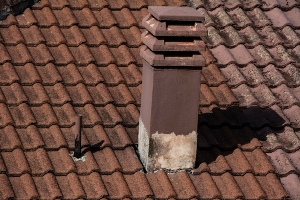
Look for dents or depressions in the roofing surface near the damaged area. Metal flashing around vents or chimneys may be bent or torn when struck by heavy branches.
Risks associated with ignoring roof punctures
A small hole in your roof can quickly turn into a major problem if you don't address it. Water damage, mold, and rising repair bills are just a few consequences that develop when punctures go unfixed.
Water intrusion and structural rot
Water enters your home through roof punctures and starts damaging materials immediately. The moisture seeps into wooden beams, rafters, and decking beneath your roofing surface. Over time, this constant exposure causes the wood to soften and decay.
Structural rot weakens the support system of your roof. The beams that once held thousands of pounds may start to sag or crack. You might notice dark spots on your ceiling or walls where water has traveled through the structure.
The damage spreads beyond the initial puncture site. Water follows the path of least resistance, moving along beams and joists to other areas. A puncture the size of a nail hole can eventually affect several square feet of your roof structure. Your insulation also absorbs this water, losing its ability to regulate temperature and adding extra weight to your ceiling. The hidden dangers of untreated water damage extend well beyond what's visible, often reaching wall cavities and floor systems before any surface sign appears. When water intrusion is significant, water extraction services may be needed before structural repairs can begin.
Mold growth inside attic spaces
Mold spores thrive in the damp conditions created by roof punctures. Your attic becomes the perfect breeding ground when moisture enters through these openings. According to the U.S. Centers for Disease Control and Prevention, mold can begin colonizing damp surfaces within 24 to 48 hours, making fast response after a roof puncture critical to preventing a health hazard inside your home.
Common types of mold found in attics:
- Black mold (Stachybotrys)
- Green or white mold (Aspergillus)
- Pink or orange mold (Aureobasidium)
These organisms spread across wooden surfaces, insulation, and stored items in your attic. Some mold types release particles that affect your indoor air quality. Family members may experience breathing problems, allergic reactions, or worsened asthma symptoms. The spores travel through your ventilation system and reach living spaces below. Professional mold removal is often necessary when attic mold has been developing for several weeks or more.
Escalating repair costs over time
A simple puncture repair might cost a few hundred dollars if you catch it early. Wait several months, and you could face bills reaching thousands of dollars. The difference comes from the extent of damage that develops.
Your initial repair might only need patch material and sealant. But delayed repairs require replacing rotted wood, damaged insulation, and ceiling materials. You may need to hire mold remediation specialists before roofing work can even begin.
The damage compounds in these ways:
- Week 1-4: Surface damage to roofing material
- Month 2-3: Wood rot begins in decking and rafters
- Month 4-6: Mold growth and insulation damage
- Month 6+: Structural repairs and potential ceiling replacement
Your energy bills also increase during this time. Damaged insulation and gaps in your roof let heated or cooled air escape. This forces your HVAC system to work harder and use more electricity. DIY water damage repair attempts during this stage often mask symptoms without addressing the underlying structural damage, leading to even higher costs later.
Professional experiences in roof puncture repair
Roofing professionals use specific methods based on the size and location of roof debris damage repair needs. They assess each puncture to determine whether simple sealing works or if the damage requires more extensive intervention.
Sealing or patching minor punctures
Small punctures often need only basic sealing techniques. Roofers clean the damaged area first to remove dirt and debris that could prevent proper adhesion. They apply roofing cement or specialized sealant directly to the hole.
For slightly larger punctures, professionals use patch materials designed for your specific roof type. A TPO roof requires different patches than asphalt shingles or metal roofing. The technician cuts the patch to extend several inches beyond the puncture on all sides.
Common patch materials include:
- Roofing cement
- Self-adhesive patches
- Heat-welded membrane patches
- Rubber sealants
The repair creates a watertight seal that prevents moisture from entering your home. Most minor patches take less than an hour to complete when weather conditions allow proper adhesion. For damage that goes beyond the surface, residential roof repair services provide a more comprehensive assessment of what underlayment and decking layers may also need attention.
Replacing damaged shingles or sections
Larger punctures or those affecting multiple shingles require complete replacement. Roof hole repair services start by removing the damaged shingles and inspecting the underlayment beneath. If the underlayment shows damage, technicians replace that layer too.
New shingles must match your existing roof color and material. Professionals secure them using roofing nails and seal the edges to prevent wind uplift. They check surrounding shingles for stress cracks or loosening that might have occurred during the initial damage.
Metal roofing punctures need welding or metal patches secured with screws and sealant. Flat roofs require membrane replacement in the affected section with proper heat-welding or adhesive application to create seamless bonds. For commercial flat roofing damage, flat roof repair specialists use different membrane systems than residential contractors.
Reinforcing vulnerable roof areas
Wind damage roof repair often includes strengthening areas prone to future punctures. Technicians add extra underlayment layers in spots where tree branches hang overhead or where foot traffic occurs during maintenance.
Professionals install protective walkway pads on flat roofs to distribute weight and prevent punctures from HVAC maintenance visits. They may recommend adding metal flashing around penetrations like vents and pipes where debris accumulates. Roof coating services can be a cost-effective way to reinforce vulnerable areas between full replacements, adding impact resistance to sections that face repeated debris exposure.
Some roofers apply protective coatings that add thickness and impact resistance to vulnerable sections. These coatings help your roof withstand falling branches and hail better than unprotected surfaces. If hail accompanied the storm, a hail damage roof repair assessment should be completed at the same time to capture all storm-related damage in a single repair scope.
Trends and tips to prevent future debris damage
Protecting your roof from debris damage requires a proactive approach that combines regular maintenance, timely inspections, and smart material choices. These three strategies work together to reduce puncture risks and extend your roof's lifespan.
Regular tree trimming near the home
Trees near your home pose one of the biggest threats to your roof's integrity. Branches that hang over your roofline can break off during storms and fall directly onto your roofing materials, creating punctures or other damage.
You should trim back any branches that come within 6 to 10 feet of your roof surface. This distance provides a buffer zone that keeps falling limbs away from your home during high winds. Dead or dying branches need immediate attention since they break more easily than healthy wood.
Schedule tree maintenance at least twice per year, ideally in early spring and late fall. Professional arborists can identify weak branches that might not be obvious to you. They also know proper cutting techniques that promote healthy tree growth while protecting your property.
Pay special attention to trees with brittle wood species like ash, willow, or poplar. These trees drop branches more frequently than hardwoods like oak or maple. If a storm has already caused tree-related damage to your roof, storm restoration process professionals can assess both the roofing system and any secondary damage in a single visit.
Post-storm roof inspections
Your roof needs examination after every major weather event. Storms bring high winds and flying debris that can puncture roofing materials without creating obvious leaks right away.
Check your roof within 24 to 48 hours after severe weather passes. Look for missing shingles, dents in metal components, or debris piles that could hide damage underneath. Small punctures often go unnoticed until water damage appears inside your home.
Use binoculars to inspect your roof from ground level if you're uncomfortable with heights. Look for these warning signs:
- Torn or missing shingles
- Dents in flashing or vents
- Debris embedded in roofing materials
- Sagging areas or visible holes
Document any damage with photos and measurements. This information helps roofing contractors provide accurate repair estimates and supports insurance claims if needed. Knowing what to do if your home has suffered storm damage helps you move quickly through the documentation and claims process before secondary damage develops.
Installing impact-resistant roofing materials
Modern roofing products offer superior protection against debris impacts. Impact-resistant materials undergo testing that measures their ability to withstand strikes from objects like hail and branches.
Class 4 impact-resistant shingles provide the highest level of protection available for residential roofs. These shingles contain modified asphalt with added polymers that absorb impact energy without cracking or puncturing. They cost 10 to 20 percent more than standard shingles but often qualify you for insurance discounts.
Metal roofing with appropriate gauge thickness also resists punctures effectively. Steel panels at 26 gauge or thicker can deflect most falling debris without denting. Aluminum and copper options provide similar durability with different aesthetic qualities.
Your roof deck strength matters as much as surface materials. Reinforced decking with proper spacing and thickness supports the entire roofing system better during impacts. This foundation prevents punctures from pushing through multiple layers when debris strikes your roof.
According to the Insurance Institute for Business and Home Safety, Class 4 impact-resistant roofing materials can reduce storm-related insurance claims significantly, and many insurers offer premium reductions of 10 to 35 percent when homeowners install qualifying products. Check with your provider about specific requirements and available discounts in your area.
Conclusion
Roof punctures from debris are a serious threat to your home's protection. You need to understand that even small holes can lead to water damage, mold growth, and expensive repairs down the line.
Regular roof inspections help you catch punctures early. You should check your roof at least twice a year and after major storms. Look for signs like water stains on your ceiling, missing shingles, or visible holes in the roofing material.
You can take action right away if you find a puncture. Small holes can often be patched with roofing cement or sealant. Larger damage usually requires professional repair to ensure proper waterproofing.
Professional roofers have the tools and experience to fix punctures correctly. They can assess the full extent of damage that might not be visible from the ground. You shouldn't wait to address roof punctures because water damage spreads quickly through your home's structure.
Keep your roof protected by staying proactive with maintenance. Your roof works hard to shield your home from the elements, and proper care extends its lifespan significantly. Contact Michaelis Corporation today to schedule a professional roof inspection and address any puncture damage before it becomes a costly problem.



.avif)