

Mold growing in your home or building isn't just ugly to look at. It can hurt your health and damage your property if you don't take care of it quickly. Mold remediation is the professional process of finding, removing, and preventing toxic mold to protect your indoor air quality and keep your building safe.
You might notice a musty smell, see dark spots on walls, or deal with more allergies than usual. These are signs that mold could be growing somewhere in your space. Water damage, leaks, and high humidity create the perfect conditions for mold to spread fast.
Getting rid of mold the right way takes more than wiping it down with cleaner. Professional mold remediation follows specific steps to remove the problem at its source and stop it from coming back.
Mold remediation decisions should focus on fixing moisture and documenting conditions, not relying on routine air sampling; according to CDC/NIOSH, there are no health-based standards for mold in indoor air and they do not recommend routine air sampling for mold during building air quality evaluations.
In this article, you’ll learn how mold remediation works, what warning signs indicate a serious indoor mold problem, and how professional removal helps prevent regrowth by correcting the underlying moisture conditions.
Here’s what you’ll find below:
- Mold remediation to protect your property and indoor air quality
- What mold remediation is and why it matters
- Common signs you need mold remediation
- Causes of mold growth in homes and buildings
- The professional mold remediation process
- Why professional mold remediation is essential
- Mold remediation vs DIY mold removal
- Preventing mold growth after remediation
- Why choose Michaelis Corporation for mold remediation
Keep reading! Understanding what causes mold, how experts remove it, and what you can do to prevent it will help you protect your property and everyone inside it.
Mold remediation to protect your property and indoor air quality
Mold remediation keeps your home safe by removing harmful mold and preventing it from coming back. When mold grows indoors, it threatens both your property's structure and the air you breathe every day.
Why mold remediation matters for your health and home:
- Protects indoor air quality by removing mold spores
- Prevents damage to building materials and surfaces
- Stops mold from spreading to other areas
- Creates a healthier living environment
Mold spores exist everywhere, but they only become a problem when they find moisture indoors. Once mold starts growing, it can spread throughout your property in just 48 to 72 hours. This is why quick action matters.
Professional mold remediation goes beyond simply cleaning visible mold. Experts use special equipment like moisture meters and thermal cameras to find hidden mold behind walls or under floors. They also control the air during removal to stop spores from spreading to clean areas.
The process includes removing contaminated materials, cleaning surfaces with professional solutions, and using HEPA filters to clean the air. After removal, professionals often test the air quality to confirm all dangerous spores are gone.
Moisture control is the key to keeping mold away for good. Without fixing the source of moisture, mold will likely return. This means repairing leaks, improving ventilation, and keeping humidity levels low in your home.
What mold remediation is and why it matters
Mold remediation goes beyond simple cleaning to address the root causes of mold growth in your home. Understanding how mold develops, the risks it poses, and what proper remediation involves helps you protect your health and property.
How mold develops indoors
Mold needs three things to grow in your home: moisture, organic material, and the right temperature range. Water leaks from pipes, roof damage, or flooding create ideal conditions for mold spores to settle and multiply.
High humidity levels above 60 percent also support mold growth. Bathrooms, basements, and kitchens are common problem areas because of poor ventilation and regular moisture exposure.
Indoor humidity control is a measurable prevention target; per the U.S. EPA, indoor relative humidity should be kept below 60% (and ideally 30%–50%) to reduce conditions that support indoor mold growth.
Mold feeds on organic materials like wood, drywall, carpet, and paper products. Once spores find a damp surface with these materials, they can start growing within 24 to 48 hours. The problem spreads quickly if you don't address the moisture source.
Health and structural risks of mold exposure
Mold spores trigger allergies, asthma attacks, and respiratory problems in many people. You may experience symptoms like sneezing, coughing, watery eyes, and skin irritation when exposed to mold.
Children, elderly individuals, and those with weakened immune systems face higher health risks from mold exposure. Some mold types produce mycotoxins that can cause more serious health reactions beyond basic allergies.
Your property suffers damage too. Mold weakens drywall and wood framing, causes stains, and creates unpleasant odors. These issues reduce your home's value and lead to expensive repairs if left untreated.
Difference between mold removal and mold remediation
Mold removal focuses only on cleaning visible mold from surfaces. This approach misses the underlying moisture problem and doesn't prevent mold from returning.
Mold remediation is a complete process that identifies and fixes moisture sources, contains affected areas, removes contaminated materials, and cleans surfaces properly. It addresses both current mold growth and future prevention.
The remediation process includes inspection, containment to stop spore spread, air filtration, material removal when necessary, and thorough cleaning. This comprehensive approach ensures mold doesn't simply return weeks or months later.
Common signs you need mold remediation
Mold problems often start small but can quickly become serious issues that affect your health and home. Knowing what to look for helps you catch mold early and take action before it spreads.
Visible mold growth on walls or ceilings
Mold appears as patches or spots on surfaces throughout your home. You might see black, green, white, or brown growth on walls, ceilings, or other surfaces. These patches can look fuzzy, slimy, or powdery depending on the type of mold.
Check areas that get wet or stay damp. Bathrooms, kitchens, basements, and attics are common spots for mold to grow. Look behind furniture, under sinks, and around windows where condensation builds up.
Even small patches of visible mold indicate a larger problem. Mold grows in layers, and what you see on the surface often means more mold exists inside walls or under flooring. Any visible growth larger than 10 square feet requires professional remediation.
Musty odors and poor indoor air quality
A strong musty smell in your home often signals hidden mold growth. This odor comes from microbial volatile organic compounds that mold releases as it grows. The smell is distinct and different from regular household odors.
You might notice the smell gets stronger in certain rooms or areas. Basements, closets, and poorly ventilated spaces often trap these odors. The smell may worsen when humidity levels rise or after rain.
If you smell mold but can't see it, the growth is likely hidden. Check inside walls, under carpets, or above ceiling tiles. Poor air quality that makes your home feel stuffy or stale also suggests mold problems even without visible signs.
Water damage or persistent moisture
Recent water damage creates ideal conditions for mold growth. Leaking pipes, roof leaks, flooding, or burst pipes introduce moisture that mold needs to thrive. Mold can start growing within 24 to 48 hours after water exposure.
Look for water stains, discoloration, or warping on walls and ceilings. Peeling paint or wallpaper often indicates moisture problems behind the surface. Condensation on windows, pipes, or walls shows excess humidity that supports mold growth.
High humidity levels above 60 percent encourage mold development. Damp basements, poorly ventilated bathrooms, and areas with plumbing problems need immediate attention. Any ongoing moisture issue requires both fixing the source and removing existing mold.
Allergy symptoms or respiratory irritation
Unexplained health symptoms often point to mold exposure in your home. You might experience sneezing, coughing, runny nose, or itchy eyes that worsen indoors. These symptoms typically improve when you leave your home.
Mold spores trigger allergic reactions in many people. Respiratory irritation, wheezing, and difficulty breathing are common responses to mold exposure. People with asthma or existing respiratory conditions face greater risks and more severe symptoms.
Children, elderly individuals, and those with weakened immune systems are particularly vulnerable. If multiple family members develop similar symptoms at home, mold could be the cause. Persistent health issues that don't respond to typical treatments warrant a professional mold inspection.
Causes of mold growth in homes and buildings
Mold needs two things to grow: moisture and organic material to feed on. When water problems go unfixed, mold colonies can start forming within 24 to 48 hours on damp surfaces.
Water leaks and plumbing failures
Water leaks are one of the most common causes of mold in homes. A dripping pipe under your sink or a slow leak behind your walls creates the damp environment mold needs to thrive. These leaks often go unnoticed for weeks or months because they happen in hidden spaces.
Plumbing failures include burst pipes, leaking water heaters, and faulty washing machine hoses. Even small amounts of water from these sources can soak into drywall, insulation, and wood framing. Once these materials get wet, mold spores that are already in the air land on them and begin growing.
You should check under sinks, around toilets, and near water-using appliances regularly. Look for water stains, soft spots in walls or floors, and musty odors that signal hidden moisture problems.
Flooding and storm damage
Flooding introduces large amounts of water into your home quickly. Whether from heavy rain, overflowing rivers, or storm surge, floodwater saturates building materials throughout your property. Carpets, drywall, insulation, and wooden structures absorb this water and stay wet for days.
Mold can begin growing within 24 to 48 hours after flooding occurs. The longer wet materials remain damp, the more extensive the mold growth becomes. Storm damage that creates roof leaks or broken windows also allows water to enter your home and cause mold problems.
After any flooding event, you need to dry out your home completely within 48 hours to prevent mold growth. This often requires professional equipment like industrial fans and dehumidifiers.
High humidity and poor ventilation
Indoor humidity levels above 60% create conditions where mold grows easily. Bathrooms, kitchens, and laundry rooms naturally produce moisture through daily activities. Without proper ventilation, this moisture stays trapped inside your home.
Poor air circulation prevents damp areas from drying out properly. Closed-off rooms, blocked air vents, and lack of exhaust fans all contribute to moisture buildup. Basements and crawl spaces are especially prone to humidity problems because they have less air movement than other parts of your home.
You can control humidity by using exhaust fans when cooking or showering, running a dehumidifier in damp areas, and ensuring your HVAC system circulates air throughout your home. Keep humidity levels between 30% and 50% to prevent mold growth.
Roof, foundation, and HVAC issues
Roof damage from missing shingles, cracked flashing, or clogged gutters allows water to seep into your attic and walls. This water runs down inside wall cavities where you cannot see it, creating perfect conditions for hidden mold growth.
Foundation cracks and poor grading around your home let groundwater enter your basement or crawl space. Water that pools near your foundation eventually finds its way inside through even the smallest openings in concrete or masonry.
HVAC systems can cause mold problems when condensation drains get clogged or when air conditioning units produce excess moisture. Dirty air filters and ductwork also trap moisture and organic debris that mold feeds on. You should maintain your HVAC system regularly and ensure condensate lines drain properly away from your home.
The professional mold remediation process
Professional mold remediation follows a systematic approach to eliminate mold growth safely and address the moisture problems that cause it. This process includes thorough inspection, proper containment measures, careful removal techniques, air purification, and long-term prevention strategies.
Mold inspection and moisture detection
Professionals start by conducting a detailed inspection of your property to locate all mold growth areas. They use moisture meters and thermal imaging cameras to detect hidden moisture behind walls, under floors, and in other concealed spaces. This technology reveals water damage that isn't visible to the naked eye.
Your inspector will identify the type of mold present, including black mold, which requires special handling. They measure moisture levels in building materials to find the source of the problem. The inspection includes checking HVAC systems, plumbing, roofs, and basements for leaks or condensation issues.
The professional will document all findings with photos and detailed notes. They create a remediation plan based on the extent of contamination and affected materials. This assessment determines whether you need minor cleanup or extensive removal work.
Containment to prevent cross-contamination
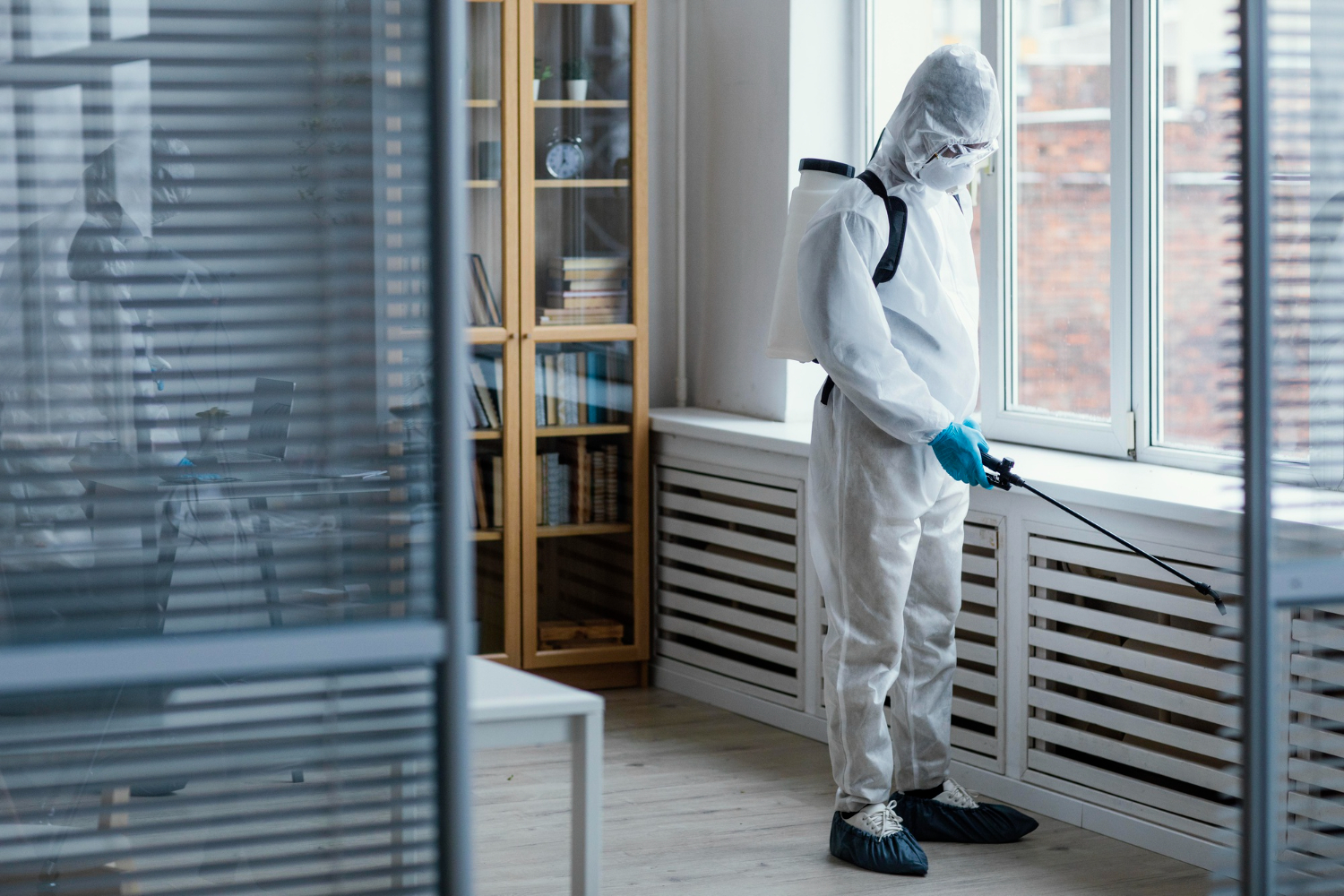
Containment prevents mold spores from spreading to unaffected areas during the mold cleanup process. Professionals seal off the work area using heavy plastic sheeting and tape. They create negative air pressure using specialized equipment to ensure air flows into the contained area rather than out.
Containment design is a core safety requirement for extensive mold work; per OSHA, a mold remediation plan for extensive visible contamination should include work area isolation, exhaust fans with HEPA filtration, and airlocks/decontamination room design to limit spore spread.
Physical barriers include:
- Floor-to-ceiling plastic sheeting
- Sealed doorways with zipper entries
- Air locks for worker entry and exit
- Protected HVAC vents and returns
Your remediation team may use different containment levels depending on the contamination size. Small areas might only need limited containment, while extensive growth requires full containment with multiple chambers. They also protect your furniture and belongings by removing them or covering them with plastic.
Safe mold removal and cleaning
The removal phase involves carefully eliminating mold-contaminated materials and cleaning salvageable surfaces. Workers wear protective gear including respirators, gloves, and full-body suits. They remove porous materials like drywall, insulation, and carpet that cannot be properly cleaned.
Non-porous surfaces get cleaned using specialized antimicrobial solutions and HEPA vacuums. Your remediation team scrubs hard surfaces thoroughly to remove all visible mold growth. They dispose of contaminated materials in sealed plastic bags to prevent spore release.
Black mold removal requires extra precautions due to potential toxin production. Professionals never dry brush or blow air on mold colonies, as this releases massive amounts of spores. They keep materials damp during removal to minimize airborne contamination.
Air filtration and sanitization
Air scrubbers with HEPA filters run continuously during remediation to capture airborne mold spores. These machines filter air at least four times per hour in the contained area. The HEPA filters trap 99.97% of particles as small as 0.3 microns.
After physical removal, professionals apply antimicrobial treatments to affected surfaces. These products kill remaining mold spores and help prevent future growth. Your team may use foggers or misters to treat hard-to-reach areas.
The air filtration continues for several days after mold cleanup process completion. Final air quality testing confirms that spore counts have returned to normal levels. This verification step ensures the remediation was successful.
Repairs and moisture control solutions
Your property needs repairs to replace removed materials and restore it to pre-damage condition. Professionals install new drywall, insulation, flooring, and trim as needed. They ensure all repairs use mold-resistant materials when appropriate.
The most important part of this phase is fixing the moisture problem that caused mold growth. Your team will repair leaky pipes, improve ventilation, or install dehumidifiers. They may recommend grading changes outside to direct water away from your foundation.
You'll receive guidance on maintaining proper humidity levels between 30-50% to prevent future mold. Professionals may suggest installing vapor barriers, improving insulation, or upgrading bathroom exhaust fans. These moisture control solutions protect your investment and keep mold from returning.
Why professional mold remediation is essential
Professional mold remediation protects your health, prevents future growth, meets safety regulations, and saves your property from serious damage. These services go beyond simple cleaning to address the root causes of mold and ensure it doesn't return.
Protects health and indoor air quality
Mold releases tiny spores and toxins into the air you breathe. These particles can cause coughing, skin irritation, and breathing problems. People with asthma, allergies, or weak immune systems face the greatest risks.
Professional mold remediation removes mold safely without spreading spores throughout your home. Technicians use special equipment like HEPA filters and air scrubbers to capture airborne particles. They also wear protective gear to handle toxic mold safely.
DIY removal often makes the problem worse by disturbing mold colonies and releasing more spores. Professionals contain the work area to prevent contamination of clean spaces. This controlled process keeps your indoor air quality safe during and after removal.
Prevents mold from returning
Mold grows back when moisture problems aren't fixed. Professional mold remediation identifies and repairs the source of moisture that caused the growth. Simply cleaning visible mold doesn't address these underlying issues.
Trained technicians use moisture meters and thermal imaging to find hidden water problems. They check behind walls, under floors, and in other hard-to-reach areas. Once they locate all moisture sources, they develop a complete plan to fix them.
Professional services also apply antimicrobial treatments to affected areas. These treatments kill remaining mold spores and prevent new growth. Proper drying techniques ensure materials reach safe moisture levels before restoration begins.
Ensures compliance with safety standards
Professional mold remediation companies follow industry standards and local regulations. They understand the proper procedures for different types of mold and building materials. This knowledge protects you from liability and ensures the work meets code requirements.
Certified technicians complete specialized training in mold remediation protocols. They stay current with changing regulations and best practices. Many companies carry specific insurance for mold work that standard contractors don't have.
Your homeowner's insurance may require professional documentation of mold removal. Proper records from certified companies help with claims and prove the work was done correctly. This documentation also helps if you sell your property later.
Reduces long-term property damage
Mold breaks down the materials it grows on over time. It weakens wood structures, damages drywall, and ruins insulation. The longer mold stays, the more expensive repairs become.
Professional mold remediation stops this damage quickly and completely. Technicians assess how far the mold has spread into building materials. They remove damaged materials that can't be saved and treat those that can be restored.
Fast professional response saves money on repairs. Small mold problems caught early cost much less than structural damage from long-term growth. Professionals also help prevent secondary damage during removal by protecting unaffected areas of your property.
Mold remediation vs DIY mold removal
Small mold problems might seem manageable on your own, but the size of the affected area and type of contamination determine whether DIY methods will work or put you at risk. Professional services offer specialized equipment and training that can prevent problems from returning.
Limitations and risks of DIY solutions
DIY mold removal works for surface mold smaller than 10 square feet on non-porous materials like glass or tile. Once mold spreads beyond this size or grows inside walls, ductwork, or building materials, you can't remove it safely without proper equipment.
Key risks you face with DIY methods:
- Health exposure - Disturbing mold releases spores into the air that cause respiratory problems, allergic reactions, and infections
- Incomplete removal - Visible cleaning doesn't address mold inside materials or HVAC systems
- Cross-contamination - Without containment barriers, you spread spores to clean areas of your home
- Structural damage - Missing hidden mold allows continued decay of wood, drywall, and insulation
Store-bought cleaners like bleach only kill surface mold on non-porous materials. They don't penetrate porous surfaces like wood or drywall where mold roots grow deep into the material. This means the problem returns within weeks or months.
When professional remediation is required
You need professional mold removal services when mold covers more than 10 square feet or appears in your HVAC system. Black mold (Stachybotrys chartarum) requires professional handling due to its toxic effects.
Call professionals if mold grows after sewage backups, flooding, or long-term water damage. These situations involve contaminated water that carries bacteria and requires specialized cleaning protocols.
Professional remediation becomes necessary when mold hides behind walls, under flooring, or in crawl spaces. Professionals use moisture meters and thermal imaging to find all affected areas before treatment begins.
Cost and safety considerations
DIY supplies cost $20-$100 for cleaners, protective gear, and basic tools. Professional mold removal services range from $500-$6,000 depending on the affected area size and contamination severity.
Factor
DIY
Professional
Small areas (<10 sq ft)
$20-$100
$500-$1,500
Medium areas (10-100 sq ft)
Not recommended
$1,500-$3,500
Large areas (>100 sq ft)
Not safe
$3,500-$6,000+
Hidden mold
Can't detect
Includes inspection
Professionals provide warranties, detailed reports, and certificates of completion that help with insurance claims and home sales. They also identify and fix moisture sources to prevent future growth.
Preventing mold growth after remediation
Mold can return after professional remediation if you don't address the conditions that allow it to grow. Moisture control, leak repairs, and regular monitoring are the key factors that keep mold from coming back.
Controlling humidity levels
Indoor humidity should stay between 30% and 50% to prevent mold growth. You can measure this with a hygrometer, which costs around $10 to $30 at most hardware stores.
Use dehumidifiers in damp areas like basements, crawl spaces, and bathrooms. Empty the water collection tank daily or set up continuous drainage if your model supports it. Run exhaust fans during and after showers for at least 20 minutes to remove moisture from the air.
Air conditioning naturally reduces humidity while cooling your home. Keep your AC maintained and change filters every 1-3 months. In humid climates, you may need to run your AC or dehumidifier year-round to maintain proper levels.
Avoid creating excess moisture inside your home. Vent clothes dryers outside, not into your home. Don't dry clothes indoors on racks unless you have good ventilation.
Addressing leaks and water intrusion
Fix all water leaks within 24-48 hours to prevent mold spores from establishing colonies. Check under sinks, around toilets, and near water heaters regularly for signs of dripping or pooling water.
Inspect your roof twice yearly for damaged or missing shingles. Clean gutters every spring and fall to ensure water flows away from your foundation. Extend downspouts at least 6 feet from your home's base.
Watch for condensation on windows, pipes, and walls. Insulate cold water pipes to prevent condensation buildup. Add weatherstripping to windows and doors where you see moisture forming.
Check your grading outside to confirm soil slopes away from your foundation at a minimum 6-inch drop over 10 feet. Water should never pool against your home's exterior walls or foundation.
Routine inspections and maintenance
Inspect areas previously affected by mold every month for the first six months after remediation. Look for discoloration, musty odors, or visible growth. Check hidden spaces like under sinks, behind toilets, and in closets along exterior walls.
Clean and vacuum regularly to remove mold spores before they can settle and grow. Wipe down bathroom surfaces weekly with a standard bathroom cleaner. Pay attention to grout lines, shower curtains, and areas around fixtures.
Schedule annual HVAC inspections to keep your system running efficiently. Clean or replace HVAC filters every 1-3 months depending on usage. Have your air ducts inspected and cleaned if you notice dust buildup or musty smells.
Test your sump pump quarterly by pouring water into the pit to verify it activates properly. Replace the batteries in your backup sump pump system annually.
Why choose Michaelis Corporation for mold remediation
Michaelis Corporation brings over 30 years of experience as a licensed and insured full-service contractor serving Indiana properties. The company handles mold issues with trained specialists and addresses both the visible damage and underlying moisture problems that cause growth.
Certified mold remediation specialists
Michaelis Corporation employs trained technicians who understand how to identify, contain, and remove mold from your property safely. These specialists assess each situation individually to determine the extent of contamination and create a specific treatment plan.
The team holds proper licensing and insurance to perform mold damage restoration work. They follow established protocols to protect both your property and the people working in the space. You get professionals who know how to handle different types of mold problems rather than using a single approach for every job.
Each project starts with a thorough inspection to locate all affected areas. The specialists test and analyze the mold to understand what you're dealing with before starting removal work.
Advanced equipment and proven processes
The company uses professional-grade equipment designed for mold remediation work. This includes containment systems that prevent spores from spreading to clean areas during removal. They also deploy deodorizing equipment like hydroxyl and ozone machines to eliminate musty odors.
Michaelis follows a comprehensive approach that goes beyond surface cleaning. The process includes isolating contaminated areas, removing affected materials when necessary, and treating surfaces to prevent future growth. The team addresses the moisture source that allowed mold to develop initially.
Your property receives treatment that handles both the immediate problem and the conditions that caused it. This prevents the same issue from returning after the work is complete.
Integrated restoration and repair services
Michaelis offers multiple services under one roof, which simplifies your restoration process. The company handles:
- Fire and water damage restoration
- Basement and crawl space waterproofing
- Foundation repair
- Concrete lifting
- General contracting work
When your mold problem stems from water damage or foundation issues, you don't need to hire separate contractors. The same team that remediates the mold can fix the underlying structural or moisture problems. This integrated approach saves you time and ensures all related issues get addressed properly.
Trusted experience with residential and commercial properties
Michaelis Corporation has served Indiana residents and businesses for more than three decades. The company works with multi-family housing, commercial buildings, and single-family homes.
You get 24/7 emergency response when water damage or other urgent issues create mold risks. The team responds quickly to prevent problems from getting worse. They work directly with insurance companies and help policyholders through the claims process.
The company's long track record demonstrates consistent service delivery across different property types and mold situations. Whether you manage a large commercial facility or own a single home, you receive the same professional approach to mold damage restoration.
Conclusion
Mold remediation is essential for protecting your health and your property. When you address mold problems quickly and correctly, you prevent the spread of spores and reduce health risks for everyone in your home.
The remediation process requires careful planning and execution. You need to identify the moisture source, contain the affected area, remove contaminated materials, and clean all surfaces thoroughly. Skipping any of these steps can lead to mold returning.
Professional help is often necessary for large infestations or when mold affects HVAC systems. You should also consider hiring experts if you have health concerns or if the affected area is larger than 10 square feet.
Prevention is your best defense against future problems. Regular maintenance checks, proper ventilation, and quick responses to water damage keep mold from developing. You must monitor humidity levels and address leaks immediately.
Post-remediation testing confirms that the work was successful. This step verifies that spore counts have returned to normal levels and that your space is safe to occupy again.
Taking mold seriously protects your investment and ensures a healthy living environment. You have the knowledge to recognize problems early and take appropriate action when needed.
Schedule professional mold remediation with Michaelis Corporation to contain and remove mold safely, correct the moisture source, and restore affected materials to a clean, dry, code-compliant condition.



.avif)