

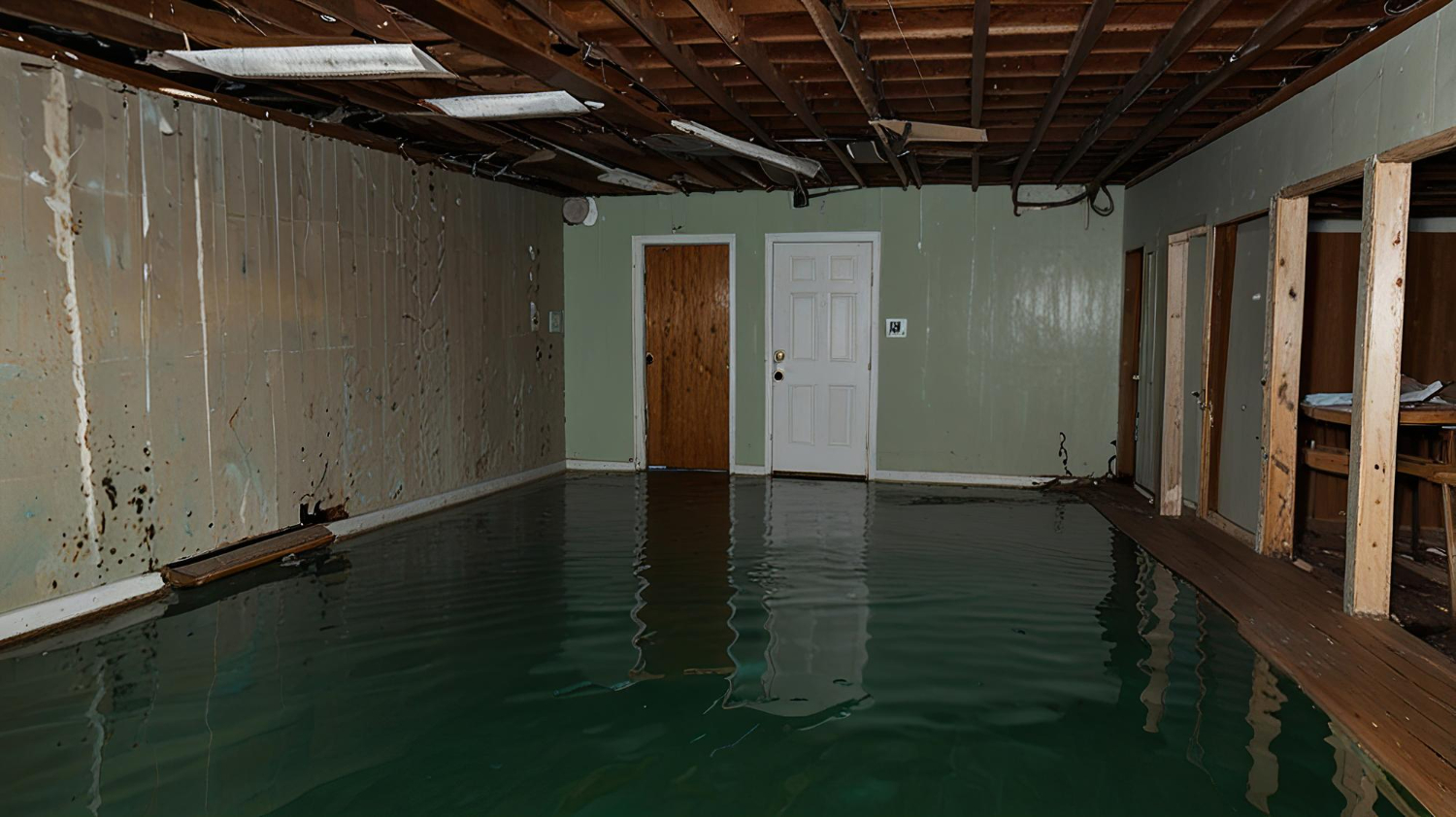
Water extraction services use special equipment and trained professionals to quickly remove water from your property after flooding, leaks, or other water emergencies.
Water damage can strike without warning. A burst pipe, severe storm, or leaking appliance can flood your home or business in minutes. When this happens, you need fast help to remove the standing water and prevent bigger problems.
The water extraction services focus on rapid water removal to stop further damage to your building, belongings, and health. The faster water gets removed, the better your chances of avoiding costly repairs and dangerous mold growth.
In this guide, you'll learn what these services include, when you need them, and what to expect from the professionals who respond to your emergency. You'll also discover how to work with your insurance company and what steps you can take while waiting for help to arrive.
Here’s what you need to know:
- Water extraction services for fast response after flooding or leaks
- What are water extraction services
- When water extraction is needed
- Why immediate water extraction matters
- Water extraction service process
- Types of water extraction equipment used
- Water extraction for residential and commercial properties
- Water extraction and insurance claims
- What to do before water extraction professionals arrive
- Why choose Michaelis Corporation for water extraction services
Keep reading! Understanding how water extraction works helps you act quickly when disaster strikes.
Water extraction services for fast response after flooding or leaks
When water damage strikes your property, quick action makes a real difference. Emergency water extraction removes standing water before it causes serious harm to your home or business.
Why speed matters with water removal
Water spreads fast through floors, walls, and other building materials. Within hours, moisture can weaken structures and create conditions for mold to grow. Professional extraction services respond quickly to stop this damage from getting worse.
Drying speed is a mold-prevention benchmark; according to the U.S. EPA, water-damaged areas and items should be dried within 24–48 hours to help prevent mold growth.
Common causes that need emergency water extraction:
- Burst or frozen pipes
- Flooding from storms or heavy rain
- Washing machine or dishwasher failures
- Water heater leaks
- Sewage backups
- Roof leaks during storms
Professional teams use powerful equipment to remove water from your property. Industrial pumps and vacuums pull out standing water from floors and carpets. Specialized tools reach water trapped in hard-to-access areas.
What happens during emergency extraction
The process starts with an inspection to find all affected areas. Technicians then remove furniture and belongings from wet zones. Heavy-duty extraction equipment pulls water out of carpets, padding, and flooring materials.
After removing visible water, professionals use moisture meters to check for hidden wetness in walls and subfloors. They place commercial dehumidifiers and air movers to dry remaining moisture. This prevents mold growth and structural problems.
Many water extraction companies offer 24/7 service because water damage does not wait for business hours. Fast response protects your property and reduces repair costs.
What are water extraction services
Water extraction services focus on removing unwanted water from your property after flooding, leaks, or burst pipes. These services use specialized equipment to pump out standing water quickly and begin the drying process to protect your home or business from further damage.
Removing standing water from homes and businesses
A water removal service deploys industrial-grade pumps and high-powered vacuums to extract standing water from your property. Technicians first assess the water level and type to determine the right equipment for your situation. They remove visible pools of water from floors, carpets, and other surfaces where water has collected.
The process targets both obvious puddles and hidden moisture trapped in flooring, walls, and crawl spaces. Standing water removal must happen quickly because water spreads through porous materials and can cause structural damage within hours. Professional teams work fast to extract the bulk water, which stops the water from moving deeper into your building materials.
Most extraction work happens within the first 24 to 48 hours after water enters your property. This tight timeline helps prevent mold growth and reduces the total damage to your structure.
Difference between water extraction and water damage restoration
Water extraction is the first urgent step that removes bulk water from your property. This phase focuses specifically on pumping out standing water using vacuums and pumps to eliminate the immediate threat.
Water damage restoration is a complete process that includes extraction plus additional steps. After removing standing water, restoration involves drying out the space with dehumidifiers and air movers, cleaning affected surfaces, treating for mold prevention, and repairing or replacing damaged materials. Restoration brings your property back to its condition before the water damage occurred.
You need extraction services immediately when water enters your property. Full restoration follows and may take several days or weeks depending on how severe the damage is.
When water extraction is needed
Water extraction becomes necessary whenever standing water threatens your property's structure or creates health risks. The type of water emergency determines how quickly you need to act and what level of service you require.
Flooding from storms or rising water
Natural floods bring large volumes of water into your home within minutes or hours. Storm surges, heavy rainfall, and overflowing rivers can dump hundreds of gallons across your floors, carpets, and walls.
This water carries dirt, bacteria, and outdoor contaminants. It soaks into drywall, insulation, and subflooring where you cannot see it. Professional flood water extraction removes both visible pools and hidden moisture using industrial pumps and vacuums.
You need to call for extraction services as soon as flood waters recede enough for professionals to safely enter. Waiting even 24 hours allows mold spores to take hold in damp materials. The longer contaminated flood water sits, the more it damages wood framing and creates dangerous air quality inside your home.
Burst pipes and plumbing failures
Pipes burst from freezing temperatures, age, or excessive water pressure. A single burst pipe can release gallons per minute, flooding multiple rooms before you find the shut-off valve.
Even “small” continuous leaks can waste significant water and increase costs; according to the U.S. Geological Survey (USGS), a leak of 1 gallon every 10 minutes adds up to 144 gallons per day (over 52,000 gallons per year).
Supply line failures happen inside walls and under floors where you cannot spot them immediately. You might notice water stains, bulging drywall, or sudden drops in water pressure first. By the time these signs appear, significant water has already accumulated in hidden spaces.
Water extraction professionals use moisture meters and thermal cameras to locate all affected areas. They remove standing water and target trapped moisture in wall cavities and beneath flooring. Quick extraction prevents permanent warping of hardwood floors and keeps your ceiling from collapsing under waterlogged insulation.
Appliance and HVAC leaks
Water heaters, washing machines, and dishwashers develop leaks from worn hoses, faulty connections, or tank failures. A water heater holding 40-50 gallons can flood your entire basement if the tank ruptures.
HVAC systems create condensation that normally drains away through designated lines. When drain pans overflow or condensate lines clog, water spills onto floors and ceilings below the unit. Air handlers in attics cause особенно serious damage because water spreads through insulation and drips through multiple ceiling levels.
You need extraction services when appliance leaks soak carpets, seep under cabinets, or spread into adjacent rooms. Small leaks that go unnoticed for days create just as much hidden damage as sudden floods.
Sewage and contaminated water situations
Sewage backups occur when main lines clog, septic systems fail, or heavy rains overwhelm city drains. This water contains harmful bacteria, viruses, and parasites that make your home unsafe.
Contaminated water requires specialized extraction methods and safety equipment. Standard water removal is not enough. Professionals must remove all traces of sewage, sanitize affected surfaces, and dispose of porous materials that cannot be safely cleaned.
You should never attempt to clean sewage yourself. Professional extraction teams wear protective gear and use antimicrobial treatments to eliminate health hazards. They also handle the proper disposal of contaminated materials according to local regulations.
Why immediate water extraction matters
When water enters your home, the clock starts ticking on potential damage. Acting within the first 24 to 48 hours makes the difference between a manageable cleanup and extensive property damage that affects your structure, health, and wallet.
Preventing structural damage
Water moves quickly through building materials. Within minutes of a flood or leak, moisture spreads into subflooring, wall cavities, and wooden framing members. These materials absorb water like a sponge, and the longer they stay wet, the weaker they become.
Wooden beams and joists lose their load-bearing capacity when saturated. You might notice sagging ceilings, buckling floors, or walls that feel soft to the touch. Foundation materials also suffer when water pools around them, leading to cracks and shifts in your home's base.
Drywall begins to break down within hours of water exposure. The gypsum core swells and crumbles, while paper backing separates from the wall. Steel fasteners and metal studs start corroding, which compromises the connections holding your walls together.
Professional extraction removes water before it penetrates deep into structural components. High-powered pumps and specialized equipment pull moisture from materials that you can't reach with household tools.
Reducing mold and microbial growth
Mold spores exist everywhere, but they need moisture to grow. When water sits for 24 to 48 hours in warm conditions, mold colonies begin forming on surfaces and inside wall cavities. These colonies spread rapidly and release spores throughout your home.
Health risks from mold exposure include:
- Respiratory problems and asthma attacks
- Allergic reactions and skin irritation
- Headaches and fatigue
- Worsened symptoms for immune-compromised individuals
Bacteria and other microorganisms also thrive in wet environments. Category 2 and 3 water (from dishwashers, washing machines, toilets, or sewage) carries harmful pathogens that multiply quickly. Each hour of delay increases contamination levels.
Immediate extraction removes the moisture that mold and bacteria need to survive. Industrial dehumidifiers and air movers dry affected areas completely, creating conditions where microbial growth cannot start.
Protecting flooring, drywall, and contents
Your flooring takes direct hits from standing water. Hardwood planks warp and cup within hours, while laminate flooring swells and separates at the seams. Carpet padding acts like a sponge, holding water against your subfloor and creating permanent odors.
Tile and vinyl might look intact, but water seeps underneath and damages the adhesive and substrate. You'll see loose tiles and bubbling vinyl if water remains trapped beneath the surface.
Drywall wicks water upward through capillary action. A flood that reaches six inches high can pull moisture two feet up your wall. The paper facing becomes a breeding ground for mold, and the structural integrity fails as the gypsum core breaks down.
Your furniture, electronics, documents, and personal belongings absorb moisture from humid air even if they don't touch standing water. Photos curl, wood furniture joints separate, and electronics corrode internally. Fast extraction limits how long your possessions sit in damp conditions.
Limiting restoration costs
Water damage costs escalate rapidly with each passing hour. A straightforward extraction job on day one becomes a major reconstruction project by day three. You pay more for extensive drying, mold remediation, and replacement of materials that could have been saved.
Cost progression timeline:
- 0-24 hours: Extraction and drying only
- 24-48 hours: Extraction, antimicrobial treatment, some material removal
- 48-72 hours: Major demolition, mold remediation, structural repairs
- 72+ hours: Extensive reconstruction, potential health remediation, temporary housing
Insurance companies often reduce coverage for damage that worsens due to delayed action. Your policy requires you to mitigate damage promptly. Waiting turns a covered claim into a disputed claim with out-of-pocket expenses.
Professional services cost less than DIY approaches that fail. Renting consumer-grade equipment doesn't provide the extraction power or drying capacity needed for thorough moisture removal. You end up paying twice when hidden moisture causes problems weeks later.
Water extraction service process
Professional water extraction follows a structured approach that moves from emergency assessment through complete moisture removal. Each phase uses specialized equipment and trained technicians to protect your property from long-term damage.
Emergency response and site evaluation
Water extraction companies operate around the clock to respond when flooding strikes your home. Most services arrive within 60 to 90 minutes of your call to begin damage assessment.
The first step involves identifying where the water came from and stopping it if possible. Technicians check for burst pipes, roof leaks, or appliance failures that caused the flooding. They also determine the water category, which affects how they handle extraction.
Clean water from supply lines receives different treatment than contaminated water from sewage backups. Your technician inspects affected rooms, checks floor materials, and examines walls for moisture penetration. They document damage with photos and measurements for insurance claims.
Safety checks happen before extraction begins. Technicians verify that electrical systems pose no shock hazard and look for structural concerns like sagging ceilings or weakened floors.
High-capacity water extraction equipment
Professional services use industrial-grade pumps and vacuums that remove water much faster than household equipment. Truck-mounted extractors can remove hundreds of gallons per minute from severely flooded areas.
Submersible pumps work in basements or spaces with several inches of standing water. These units pump water outside through hoses while technicians direct the flow away from your foundation.
Wet vacuums handle smaller water volumes and tight spaces where pumps cannot reach. Commercial units hold 10 to 20 gallons and feature powerful suction to pull moisture from carpets and padding. Technicians use extraction wands that apply pressure while vacuuming to remove water trapped in flooring materials.
Weighted extraction tools press down on carpets to force water up into vacuum systems. Your team overlaps each pass to ensure complete coverage of affected areas.
Moisture detection and monitoring
Technicians use specialized meters to locate hidden moisture that visual inspection misses. Infrared cameras reveal wet spots behind walls and under flooring by detecting temperature differences. Pin-type moisture meters measure water content in wood, drywall, and other building materials.
Your restoration team creates a moisture map showing readings throughout affected areas. They record baseline measurements during extraction to track drying progress over the following days.
Monitoring continues after initial extraction because materials like concrete and hardwood release trapped moisture slowly. Technicians return daily to take new readings and adjust equipment placement. Normal moisture levels vary by material, but most building components should reach their pre-loss readings within three to five days.
Transition from extraction to drying and dehumidification
Extraction removes standing water but leaves materials damp. Professional drying equipment must run for several days to eliminate remaining moisture and prevent mold growth.
Air movers create airflow across wet surfaces to speed evaporation. Technicians position these fans at specific angles based on the materials affected. Dehumidifiers pull moisture from the air so drying can continue efficiently.
Your team seals off affected areas when possible to control humidity and temperature. This containment allows equipment to work faster by focusing on smaller spaces. They adjust equipment daily based on moisture readings and may add or remove units as conditions change.
The drying phase typically requires three to five days but extends longer for materials like hardwood floors or thick concrete. Your technicians confirm complete drying with final moisture readings before removing equipment.
Types of water extraction equipment used
Professional water extraction relies on different types of equipment designed for specific water removal situations. The main categories include truck-mounted systems for large-scale jobs, pumps and portable units for flexibility, and specialized vacuums for detailed cleanup work.
Truck-mounted extraction units
Truck-mounted systems are powerful water removal machines built into service vehicles. These units provide the strongest suction power available for water extraction jobs. The equipment stays in the truck while technicians run hoses into your property.
These systems work well for large-scale flooding and commercial properties. They have bigger recovery tanks than portable options, which means fewer trips to empty collected water. The power comes from the vehicle itself, so the machines can run continuously without needing electrical outlets inside your building.
Truck-mounted units extract water faster than smaller equipment. They handle deep standing water and can remove moisture from carpets, padding, and subflooring in a single pass. Your restoration team typically uses these for serious water damage where speed matters most.
Submersible pumps and portable extractors
Submersible pumps sit directly in standing water to move large volumes quickly. These pumps work in basements, crawl spaces, and areas with several inches of water. They push water through hoses to outside drains or collection points.
Portable extractors are compact machines you can move from room to room. They use vacuum power to pull water from floors, carpets, and upholstery. These units have built-in recovery tanks that collect the extracted water.
Your restoration team picks portable units for smaller jobs or hard-to-reach spaces. The machines fit through doorways and work in tight areas where truck-mounted equipment cannot reach. They run on standard electrical outlets, making them useful for apartments and upper floors.
Wet vacuums and specialized tools
Wet vacuums handle smaller amounts of water and detail work. These machines look similar to regular vacuums but are designed to safely collect liquids. They work for spot cleaning and final moisture removal after pumps handle the bulk water.
Specialized tools include wands, squeegees, and extraction attachments for different surfaces. Your restoration professionals use these to target water in corners, along baseboards, and in textured flooring. Some attachments work specifically for hardwood floors or tile grout lines.
These tools matter for thorough water removal in the final stages. They help prevent moisture from staying trapped in small spaces where it can cause mold growth or structural damage.
Water extraction for residential and commercial properties
Water extraction services handle different property types, from single-family homes to large industrial facilities. Each property presents unique challenges based on size, structure, and the amount of water involved.
Homes, apartments, and multi-family buildings
Residential water extraction focuses on protecting your living spaces and personal belongings. Water damage in homes typically comes from burst pipes, leaking appliances, roof leaks, or basement flooding. The extraction process starts within minutes of arrival, using specialized pumps and vacuums to remove standing water from affected rooms.
Your home's structure matters during extraction. Carpet, hardwood floors, and drywall all absorb water at different rates. Professional teams use moisture meters to check water levels in walls, floors, and ceilings. This helps them identify hidden water pockets that could cause mold growth later.
Multi-family buildings like apartments and condos require extra coordination. Water often travels between units through walls and floors. Technicians must extract water from multiple levels and units to prevent widespread damage. They work quickly to minimize disruption to residents while protecting the entire building structure.
Commercial facilities and industrial spaces
Commercial properties need faster response times because water damage can shut down business operations. Offices, retail stores, restaurants, and warehouses all face different extraction challenges based on their layouts and contents. Your business equipment, inventory, and important documents need immediate protection.
Industrial spaces often have larger water volumes and more complex drainage systems. Factories and warehouses may contain chemicals or materials that react with water, making extraction more complicated. Technicians use heavy-duty pumps and truck-mounted extraction systems to handle these bigger jobs. They coordinate with your operations team to extract water while keeping critical systems running when possible.
Large-loss water extraction scenarios
Large-loss situations involve extensive flooding that affects multiple areas or entire buildings. These emergencies require specialized equipment and larger crews to handle the scope of damage. Your property might need industrial-grade pumps, trailer-mounted vacuums, and multiple dehumidifiers running at once.
Response teams bring portable generators and lighting when flooding damages electrical systems. They create detailed extraction plans that prioritize the most critical areas first. This includes protecting structural elements, valuable equipment, and areas where water could spread to undamaged sections.
Coordination becomes essential during large-loss events. Multiple technicians work simultaneously in different zones to speed up water removal and prevent secondary damage.
Water extraction and insurance claims
Insurance companies require specific procedures and documentation when processing water damage claims. Your claim's success depends on proper evidence collection and quick action after water damage occurs.
Documentation and moisture mapping
Take photos and videos of all affected areas before any water removal begins. Capture wide shots of entire rooms and close-ups of damaged items, walls, and floors. Date-stamp all documentation if possible.
Professional water extraction companies use moisture meters and thermal imaging cameras to create moisture maps of your property. These maps show the exact extent of water penetration in walls, floors, and ceilings. Insurance adjusters rely on this data to determine the scope of damage.
Keep a detailed inventory of damaged items with descriptions, purchase dates, and estimated values. Save all receipts related to emergency repairs, temporary housing, or water extraction services. Your insurance company needs this information to process your claim accurately.
Request written reports from your water extraction team that include moisture readings, equipment used, and the timeline of services provided.
Working with insurance adjusters
Contact your insurance company within 24 hours of discovering water damage. Provide your policy number and a brief description of what happened. Ask about your coverage limits for water extraction and restoration.
Most insurance policies cover sudden water damage from burst pipes or appliance failures but may exclude gradual leaks or flooding. Review your policy to understand what qualifies for coverage.
Share all documentation with your adjuster including photos, moisture maps, and professional reports. Professional water extraction companies often work directly with insurance adjusters and can provide technical explanations of the damage. Some services bill insurance companies directly to simplify the claims process.
How fast response impacts coverage
Insurance policies often require you to prevent further damage after the initial incident. Waiting too long to extract water can lead to secondary damage like mold growth or structural issues. Your insurer may deny claims for damage that could have been prevented with immediate action.
Professional water extraction services typically arrive within 30 to 60 minutes of your call. This rapid response protects your property and strengthens your insurance claim by showing you acted responsibly.
Document the exact time you discovered the damage and when professionals arrived. This timeline proves you took appropriate steps to minimize losses, which insurance companies consider when approving claims.
What to do before water extraction professionals arrive
Acting quickly when water damage occurs protects your property and helps professionals work more efficiently when they arrive. You can take several important steps to ensure safety and reduce additional harm while waiting for expert help.
Safety considerations
Your safety comes first when dealing with water damage in your home. Turn off the electricity at your main breaker if water is near electrical outlets, appliances, or wiring. Standing water can conduct electricity and create a serious shock hazard.
Electrical safety is a primary hazard when standing water is present; per OSHA, if water has been present near electrical circuits or equipment, you should turn off power at the main breaker or fuse on the service panel and avoid entering flooded areas or touching electrical equipment when the ground is wet.
Wear protective gear like rubber boots and gloves when entering affected areas. Water from flooding or sewage backups may contain harmful bacteria, chemicals, or other contaminants. Avoid contact with this water as much as possible.
Check for structural damage before entering any room with water damage. Look for sagging ceilings, warped floors, or buckling walls. These signs indicate the structure may be unstable and unsafe to enter.
If you smell gas or suspect a gas leak, leave your home immediately and call your utility company. Do not attempt to handle water damage in areas where gas lines may be compromised.
Steps to minimize further damage
Remove excess water using mops, towels, or a wet/dry vacuum if it is safe to do so. Focus on small amounts of clean water that pose no electrical or contamination risks. This helps prevent water from spreading to undamaged areas.
Move furniture, electronics, and valuable items to dry locations. Place aluminum foil or wood blocks under furniture legs that cannot be moved to prevent further water absorption. Take photos of all damage for insurance documentation before you begin cleanup.
Open windows and doors to increase air circulation if weather permits. This helps moisture evaporate faster and reduces humidity levels. Use fans to improve airflow, but only if there are no electrical hazards present.
Collect important information about the water source, how long the area has been wet, and which rooms are affected. Professional teams need these details to prepare the right equipment and plan their approach.
Actions to avoid
Do not use regular household vacuums to remove water. These devices are not designed for water extraction and can create electrical hazards or damage the equipment. Wait for professionals with industrial-grade extraction tools.
Avoid walking through standing water unnecessarily. Each step can push water deeper into flooring materials and spread contamination throughout your home. Limit foot traffic in affected areas as much as possible.
Do not attempt to remove water if the source is still active. Fix or stop leaks, shut off water supplies, or wait for flooding to recede before beginning any cleanup efforts. Continuing water flow makes extraction efforts pointless.
Skip cleaning or drying activities if the water appears contaminated or comes from sewage. Professional water extraction teams have specialized equipment and training to handle hazardous materials safely.
Why choose Michaelis Corporation for water extraction services
Michaelis Corporation brings 30 years of experience as a licensed, bonded, and insured general contractor specializing in water damage restoration. Their comprehensive approach combines rapid emergency response with advanced technology and complete restoration services.
24/7 emergency response
Water damage doesn't wait for business hours. Michaelis Corporation provides round-the-clock emergency water extraction services for residential, commercial, and multi-family properties. When you call at any time of day or night, their team responds immediately to start the extraction process.
Quick response time matters because water continues to spread and cause damage with every passing hour. The longer water sits in your property, the more it seeps into walls, floors, and foundations. Michaelis understands this urgency and arrives prepared with professional equipment to begin water removal right away.
Their 24/7 availability means you don't have to wait until morning or after the weekend to get help. You can reach their emergency team whenever disaster strikes.
Certified water damage restoration specialists
The Michaelis team consists of trained professionals who understand the complexities of water damage. They know how to assess different types of water damage and apply the right restoration methods for each situation.
Their specialists use proven techniques backed by industry standards. They don't just remove visible water - they identify hidden moisture that could cause problems later. This thorough approach prevents mold growth and structural damage that often develops when moisture goes undetected.
Each technician brings specific expertise in water extraction and restoration. You get skilled professionals who handle your property with care while working efficiently to minimize damage.
Advanced extraction and drying technology
Michaelis Corporation uses high-powered extraction equipment designed to remove standing water quickly. Their technology includes specialized pumps and vacuums that handle large volumes of water in less time than standard equipment.
They employ advanced detection tools like infrared cameras and moisture mapping systems. These tools locate hidden water pockets behind walls, under floors, and in other hard-to-reach areas. Thermal imaging reveals moisture you can't see with the naked eye.
Key technologies include:
- Industrial-grade water extractors
- Infrared thermal imaging cameras
- Moisture mapping systems
- Professional-grade dehumidifiers
- Structural drying equipment
Their drying and dehumidification systems work continuously to eliminate remaining moisture from your property's structure.
Full-service restoration from extraction to rebuild
Michaelis Corporation handles every phase of water damage recovery under one roof. You work with a single contractor from the initial water extraction through final repairs and reconstruction.
Their services cover the complete restoration timeline. After extracting water, they dry and dehumidify affected areas. They assess structural damage and provide necessary repairs. If reconstruction is needed, their general contracting capabilities handle everything from minor fixes to major rebuilds.
This full-service approach saves you time and reduces stress. You don't need to coordinate between multiple companies or explain your situation repeatedly. One team manages your entire project with consistent quality and communication throughout the process.
Conclusion
Water extraction services provide critical support when you face water damage in your home or business. These professionals remove excess water quickly to prevent serious problems from getting worse.
Acting fast matters when water damage occurs. The longer water sits, the more damage it causes to your property. Professional extraction teams have specialized equipment that removes water more thoroughly than standard methods.
You also protect your financial investment by using these services. Water damage repair costs increase significantly when you delay treatment. Early intervention saves money in the long run.
Your choice to hire qualified water extraction professionals ensures proper handling of water emergencies. They understand how to assess damage levels and create effective restoration plans. This expertise helps you avoid common mistakes that property owners make when attempting DIY solutions.
Water extraction represents an essential first step in the restoration process. It sets the foundation for all other repairs and recovery work that follows.
Schedule 24/7 emergency water extraction with Michaelis Corporation to remove standing water quickly, document moisture conditions, and begin structural drying to reduce secondary damage and mold risk.



.avif)