


A roof leaking after heavy rain is one of the most urgent warning signs a homeowner can face, and one of the most misunderstood. Rain rarely creates new damage on its own. Instead, it exposes vulnerabilities that have been building silently inside your roofing system through years of weather stress, material aging, and storm impact.
What makes these leaks so costly is how quickly they escalate. Water that enters through a cracked shingle or worn flashing seal does not stay put. It travels along roof decking, saturates insulation, weakens wood framing, and eventually surfaces as a ceiling stain or active drip, often far from the actual point of entry.
By the time you see the problem inside your home, the damage above is typically already significant.
This guide walks you through the most common causes of roof leaks after heavy rain, what to do the moment a leak appears, how professional inspection works, and what your repair options look like, from emergency patching to full replacement.
Here's what you'll find below:
- Why roofs leak after heavy rain
- Immediate steps to take when your roof leaks
- Professional roof inspection and diagnosis
- Roof repair options after heavy rain
Keep reading! You will also find practical guidance on preventing future leaks through maintenance, drainage improvements, and storm-resistant materials.
Why roofs leak after heavy rain
Roof leaks after heavy rainfall are a common yet serious home maintenance problem that should never be ignored. A roof is designed to protect the structure of a building from environmental exposure, but long-term weather stress, material aging, and storm impact can weaken its waterproofing performance.
Heavy rain itself does not usually create roof leaks. Instead, it reveals existing vulnerabilities within the roofing system. When rainwater is sustained over several hours or combined with wind pressure, moisture can penetrate small cracks, worn seals, or damaged protective layers.
According to the U.S. Environmental Protection Agency (EPA), when a roof leak goes unaddressed long enough, mold growth can structurally compromise a building by feeding on wet wood in floors and walls — making prompt repair not just a cosmetic concern but a direct structural safety issue that may ultimately require consultation with a licensed structural engineer.
Understanding the primary causes of roof leaks after storms helps homeowners take preventive action and minimize repair costs.
Damaged or missing shingles
Shingles are the first protective barrier against rainwater infiltration. Asphalt shingles, which are commonly used in residential construction, are designed to shed water downward while protecting the underlayment beneath.
However, shingles can deteriorate over time due to ultraviolet exposure, thermal expansion, and mechanical stress caused by wind and hail. Storm winds can lift shingle edges or completely remove roofing sections, exposing the underlying waterproof membrane.
Damaged or missing shingles create direct entry pathways for rainwater during heavy storms. Homeowners should watch for warning signs such as granule accumulation inside gutters, curling shingle edges, visible bare roof patches, and dark moisture stains appearing inside ceilings.
Roofing experts recommend inspecting shingle conditions after major rainfall events. Early replacement of damaged shingles prevents moisture penetration into structural wood layers.
Clogged gutters and poor drainage
Proper roof drainage is essential for maintaining long-term roofing performance. Gutters function as controlled water channels that guide rainwater away from roof surfaces and building foundations.
When gutters become clogged with leaves, dirt, bird nests, or organic debris, water flow is restricted. During heavy rainfall, blocked gutters can cause water to pool along roof edges. This pooled water increases hydrostatic pressure on roofing materials and can force moisture beneath shingles.
Standing water is particularly dangerous because it accelerates material degradation and promotes biological growth such as mold and algae. Regular gutter cleaning is one of the simplest and most effective preventive maintenance strategies.
Installing gutter protection systems can significantly reduce debris buildup and improve drainage efficiency.
Cracked flashing and worn sealants
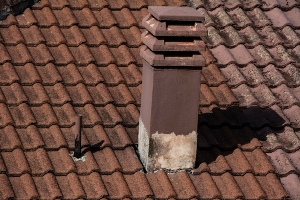
Flashing is a critical component of roof waterproofing systems. It is installed around structural intersections where the roof meets other building elements such as chimneys, skylights, and ventilation pipes.
Per the U.S. Department of Energy (DOE) Building Science Education program, roof valleys and penetrations through the decking are among the most vulnerable points for water intrusion — and water that seeps through these areas can rapidly destroy insulation, create conditions for mold growth, and initiate structural rot in the underlying framing members.
Flashing materials are typically made from metal alloys or specialized synthetic membranes. Over time, exposure to rain, sunlight, and temperature fluctuations can cause corrosion, cracking, or separation.
Sealants used around flashing joints also deteriorate as they age. Once sealant materials lose elasticity, small gaps may form, allowing rainwater to penetrate roofing layers during prolonged storms.
Professional roofers usually recommend periodic inspection and resealing of flashing components to maintain waterproof integrity.
Immediate steps to take when your roof leaks
When roof leakage occurs during or after heavy rain, homeowners should act quickly to reduce secondary damage.
Containing interior water damage
The first priority is controlling water spread inside the property. Place containers or buckets beneath active leak points to collect dripping water.
Absorbent towels or waterproof barriers can help prevent water from spreading across flooring surfaces. If ceiling material begins swelling, avoid applying pressure because saturated drywall or plaster may collapse under weight.
Continuous monitoring of leak activity is important until professional repair services arrive.
Protecting ceilings, walls, and belongings
Move furniture, electronic devices, and personal property away from affected areas.
Cover important items using waterproof plastic sheets or protective coverings. Water exposure near electrical wiring, outlets, or lighting fixtures can create safety hazards, so electrical systems should be evaluated if moisture contact is suspected.
Disconnect electrical power in areas where water intrusion is severe.
When to call for emergency roof repair
Emergency roof repair services are necessary when active water entry continues or structural safety is threatened.
Professional help should be requested immediately if:
- Water is streaming rather than dripping
- Ceiling surfaces are sagging
- Multiple leak locations appear simultaneously
- Storm winds have visibly damaged roofing materials
Temporary emergency measures such as roof tarping may be applied to block additional rainfall penetration.
Professional roof inspection and diagnosis
Professional roof inspection is the most reliable method of identifying the true source of leakage after heavy rain.
Identifying hidden storm damage
Storm damage is often hidden beneath visible roofing layers. Experienced inspectors evaluate structural and material conditions using specialized tools.
Inspection focuses on detecting:
- Underlayment moisture saturation
- Fastener loosening and nail pop damage
- Microfractures in shingles or tiles
- Wood decking deterioration
- Wind uplift stress effects
Modern roofing companies may use infrared scanning technology to detect trapped moisture inside roof structures.
Checking attic spaces and ventilation
Attic environments significantly influence roof durability.
According to the U.S. Department of Energy (DOE), it is not effective to insulate or weatherize an attic when the roof has an active leak, because water infiltration degrades insulation performance directly — which means that roof repairs must always precede any energy efficiency or interior restoration work to be effective.
Poor attic ventilation traps heat and moisture, accelerating material aging. Excess condensation inside attic spaces promotes mold growth and weakens wooden support beams.
Inspection professionals evaluate airflow circulation, insulation moisture levels, and vapor barrier performance.
Proper ventilation helps regulate temperature differences between indoor and outdoor environments, reducing condensation risk.
Documenting damage for insurance purposes
Storm-related roofing damage may be eligible for insurance compensation.
Professional inspection reports usually include photographic evidence, damage severity evaluation, and repair cost estimation.
Accurate documentation improves insurance claim approval probability and speeds up processing time.
Homeowners should keep copies of inspection reports and repair invoices.
Roof repair options after heavy rain
Repair strategy depends on damage severity, roof material, and structural condition.
Temporary patching vs permanent repairs
Temporary patching is used to stop immediate water intrusion.
Methods may include waterproof sealant application, emergency membrane installation, or roof tarping.
Permanent repair solutions focus on structural restoration rather than short-term protection.
Long-term repair work typically involves replacing damaged roofing components and restoring full waterproof sealing.
Replacing shingles and repairing flashing
Localized repair work is common when damage is limited.
Roof repair technicians may:
- Replace broken or missing shingles
- Remove rusted or cracked flashing materials
- Reapply weather-resistant sealants
- Repair valley drainage membranes
Targeted repair is cost-effective compared to extensive reconstruction.
Full roof replacement considerations
Complete roof replacement may be necessary in certain situations.
Replacement should be considered when:
- Roof age exceeds two decades
- Damage covers large roof sections
- Structural decking shows moisture decay
- Leaks continue after repeated repair attempts
Modern roofing materials provide superior storm resistance and energy efficiency.
Preventing future roof leaks
Preventive maintenance is the best long-term strategy for avoiding heavy rain roof leaks.
Regular roof inspections and maintenance
Roof systems should be professionally inspected at least once annually and after major storm events.
Maintenance activities include checking fasteners, sealant conditions, and surface integrity.
Early detection of small defects prevents large structural repair expenses.
Cleaning gutters and improving drainage
Seasonal gutter cleaning should be part of home maintenance routines.
Organic debris must be removed regularly, and downspouts should direct water away from the foundation.
Gutter guard installation can reduce debris accumulation and improve drainage efficiency.
Upgrading roofing materials for storm resistance
Homeowners in regions with frequent rainfall or strong winds may benefit from upgrading roofing systems.
Recommended storm-resistant options include:
- Impact-resistant asphalt shingles
- Metal roofing panels
- High-performance synthetic underlayment
- Reinforced flashing systems
Storm-resistant materials improve durability and reduce long-term maintenance costs.
Conclusion
A roof leaking after heavy rain is a serious warning sign of potential structural vulnerability. While small leaks may appear manageable, hidden storm damage can worsen over time if left untreated.
Prompt water containment, professional roof inspection, and quality repair work are essential for maintaining building safety and structural longevity.
Investing in regular roof maintenance, proper drainage systems, and durable roofing materials is the most effective way to prevent future leakage problems.
If your roof leaks after heavy rainfall, contacting a professional roofing contractor is the safest approach to protect your home and avoid expensive structural damage.
Contact Michaelis Corp to schedule a professional roof inspection after heavy rain and get a detailed assessment of your damage before hidden moisture issues reach your home's structural framing.



.avif)