


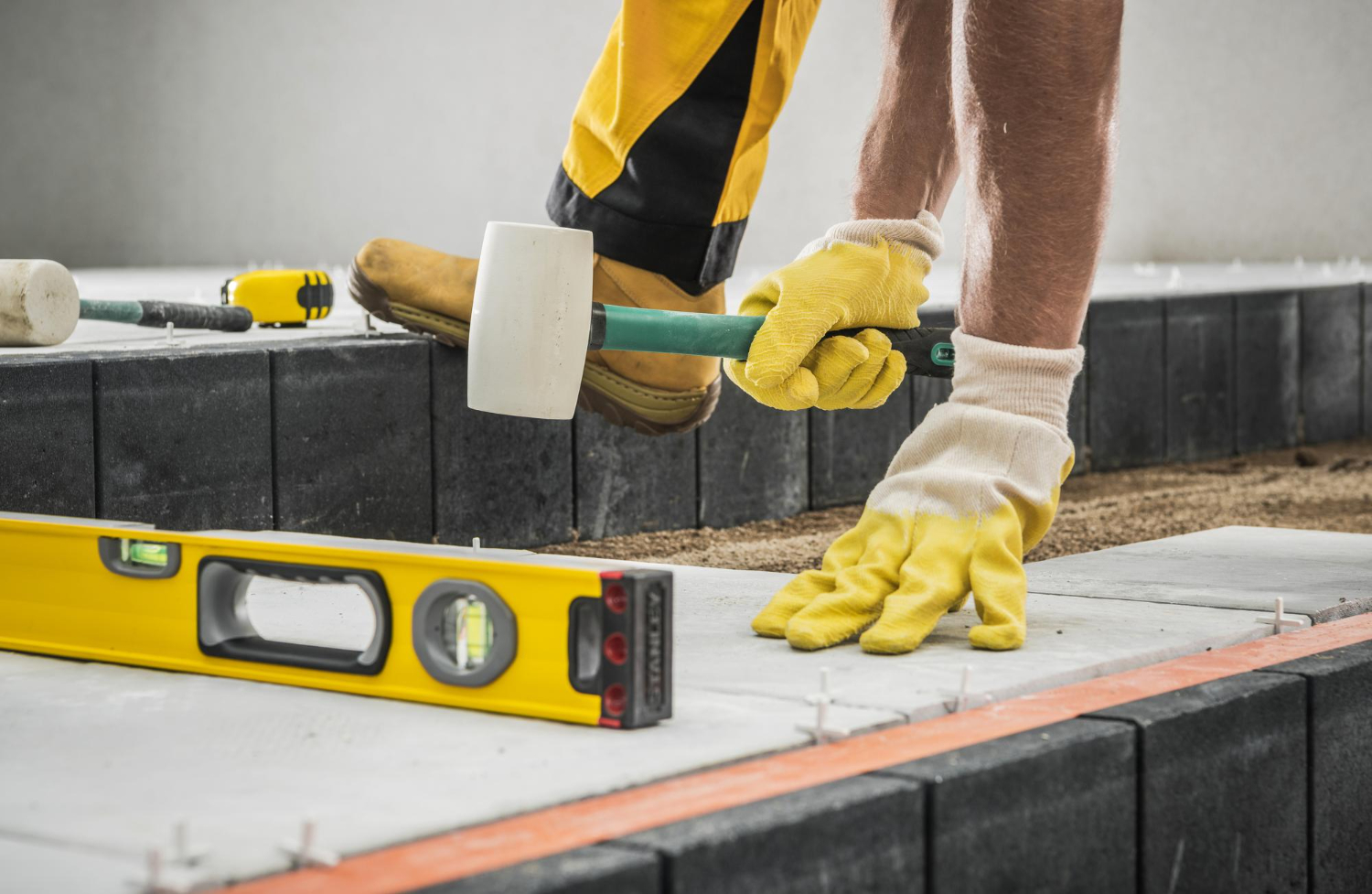
Structural repair contractors are licensed professionals who diagnose and fix foundation problems, wall damage, and other critical issues that threaten your home's safety and value.
Your home's foundation and structural system form the backbone of your entire property. When cracks appear in walls, floors become uneven, or doors stop closing properly, these warning signs point to potential structural issues that need immediate attention.
These specialists bring years of experience and technical knowledge to protect your biggest investment. They work with concrete, steel, and other building materials to strengthen weakened structures and prevent further damage. The right contractor can spot problems early and provide solutions that last for decades.
This guide covers everything you need to know about working with structural repair contractors. You'll learn how to identify damage, understand what causes structural problems, and discover the benefits of professional repairs over DIY attempts.
Here’s what you need to know:
- Structural repair contractors: Protecting your home and investment
- What do structural repair contractors do?
- Signs you need structural repair
- Common causes of structural damage
- How structural repair contractors fix problems
- Benefits of hiring structural repair contractors
- DIY vs professional structural repair
- How to maintain your home after structural repairs
- Why choose Michaelis Corp for structural repair contracting
Keep reading! You'll also find tips on maintaining your home after repairs are complete.
Structural repair contractors: Protecting your home and investment
Structural repair contractors specialize in fixing problems that affect a home's foundation and load-bearing systems. These professionals have the training and equipment to handle foundation movement, soil instability, and other serious issues. They work differently than general contractors because they focus on the specific challenges of structural damage.
Homeowners who ignore structural problems often face expensive repairs later. Cracks in walls, uneven floors, and sticking doors can signal bigger issues beneath the surface. When left untreated, these problems can grow and create safety hazards for everyone in the building.
Key benefits of hiring structural repair contractors:
- Prevent major losses in property value
- Restore stability to damaged structures
- Provide custom solutions for specific problems
- Ensure safety for occupants
- Protect long-term investment in the property
Licensed contractors bring important skills to repair projects. They can assess damage accurately and create plans that address the root cause of problems. For complex situations, they work with structural engineers who inspect the damage and provide detailed repair plans.
Modern repair methods help contractors restore buildings quickly and effectively. They use proven techniques to fix foundation issues, repair damaged beams, and stabilize structures. These repairs protect homes for years when done correctly.
Property owners should look for contractors with experience in their specific building type. Residential, commercial, and historic buildings each require different approaches. The right contractor will have a track record of successful projects similar to the homeowner's needs.
What do structural repair contractors do?
Structural repair contractors handle the critical work of diagnosing and fixing problems that threaten a building's stability. They assess damage, perform repairs on key building components, strengthen weakened areas, and serve both home and business owners.
Assessing foundation and structural issues
Foundation repair contractors begin every project with a detailed inspection of the property. They look for warning signs like cracks in walls, uneven floors, doors that won't close properly, and gaps around windows. These professionals use specialized tools to measure how much a structure has shifted or settled.
The assessment includes checking the foundation for damage caused by soil movement, water intrusion, or age-related deterioration. Contractors examine support beams, load-bearing walls, and other critical components that hold the building up. They determine whether problems stem from poor drainage, expansive soil, or construction defects.
After completing their evaluation, they provide property owners with a clear report. This document explains what's wrong, why it happened, and what needs to be fixed. The contractor also estimates costs and timelines for the repair work.
Repairing walls, floors, and supports
Structural repair contractors fix damaged walls by filling cracks, replacing deteriorated sections, and reinforcing weak areas. They work with materials like concrete, steel, and wood to restore walls to their original strength. For load-bearing walls, they take extra care to maintain proper weight distribution throughout the building.
Floor repairs involve leveling sunken areas, replacing rotted joists, and strengthening weak spots. Contractors may install additional support beams underneath sagging floors or repair damage caused by water or pests. They ensure floors can safely handle the weight they're designed to carry.
Support beam repairs require careful planning and execution. Contractors temporarily brace the structure before removing or repairing damaged beams. They install new supports, sister joists to existing ones, or add steel reinforcements where wood has failed.
Reinforcing compromised structures
When buildings show signs of weakness, contractors add reinforcements to prevent further damage. They install steel braces, carbon fiber strips, or additional support columns to strengthen compromised areas. These reinforcements distribute weight more evenly and stop existing damage from getting worse.
For foundation problems, contractors use methods like underpinning, where they extend the foundation deeper into stable soil. They may install helical piers or push piers that anchor the foundation to bedrock or load-bearing soil layers. Wall anchors and tie-backs pull bowing basement walls back into place.
Contractors also apply waterproofing solutions to prevent moisture damage. They install drainage systems, seal cracks, and add protective coatings. These preventive measures help structures maintain their strength over time.
Working with residential and commercial properties
Residential structural repair focuses on homes, apartments, and small buildings. Contractors fix foundation cracks, repair settling damage, and address issues in crawl spaces and basements. They understand how families live in these spaces and work to minimize disruption during repairs.
Commercial structural repair involves larger buildings like offices, warehouses, and retail spaces. These projects often require more extensive equipment and coordination with building managers. Contractors must follow strict building codes and work around business operations.
Both residential and commercial projects require licensed contractors who understand local regulations. They pull necessary permits, arrange inspections, and ensure all work meets safety standards. Contractors coordinate with structural engineers when projects involve complex repairs or design changes.
Signs you need structural repair
Catching structural damage early helps homeowners avoid expensive repairs and safety risks. Cracks, sticking doors, uneven floors, and water damage are clear signals that a home needs professional attention.
Cracks in walls, ceilings, or floors
Cracks wider than 1/4 inch indicate serious structural problems that need immediate inspection. Vertical cracks near door frames or windows often result from normal settling, but diagonal or horizontal cracks suggest foundation movement or structural failure.
Ceiling cracks that run across joists point to potential roof or upper floor issues. Homeowners should watch for cracks that grow over time or appear suddenly after storms or temperature changes.
Floor cracks deserve special attention when they:
- Widen or lengthen over weeks or months
- Appear alongside other warning signs like sticking doors
- Form patterns or connect to wall cracks
- Feel uneven or raised along the crack line
Stair-step cracks in brick or concrete block walls signal foundation settlement. These patterns require immediate evaluation from a structural engineer to prevent further damage.
Doors or windows sticking or misaligning
Doors and windows that suddenly stick or won't close properly indicate frame shifting from structural movement. New gaps around door frames or windows show that walls have moved from their original position.
Homeowners might notice doors that swing open or closed on their own due to sloping floors beneath them. Windows that crack when opened or require extra force to operate suggest frame distortion.
Common alignment issues include:
- Gaps between the door and frame that weren't there before
- Difficulty latching doors or windows
- Visible separation at corners of door or window frames
- Uneven gaps around the perimeter when closed
These problems become more noticeable during humid weather when wood expands. However, persistent sticking regardless of season points to structural settling or foundation issues that need professional assessment.
Uneven or sloping floors
Floors that slope more than 1-2 inches over 15 feet indicate serious structural concerns with foundation or support beams. Homeowners can test floor level by placing a marble on the surface and watching it roll consistently in one direction.
Bouncy or sagging floors suggest damaged joists or inadequate support underneath. Walking across rooms shouldn't create waves or significant movement in the flooring surface.
Gaps between floors and baseboards reveal settling or separation of structural elements. Hardwood floors that develop new buckles or waves point to moisture problems or foundation movement affecting the subfloor.
Water damage or sagging beams
Sagging roof lines or ceiling beams indicate structural weakness from rot, pest damage, or excessive load. Visible water stains on ceilings or walls mark areas where moisture has compromised structural materials.
Key warning signs include:
- Dark spots or discoloration on wood beams
- Soft or spongy areas when pressing on wooden supports
- Musty odors in basements or crawl spaces
- Visible mold growth on structural elements
Bowed or bent support beams need immediate attention to prevent collapse. Wood rot weakens load-bearing capacity and spreads quickly through connected framing members.
Basement walls that bow inward show excessive soil pressure and water infiltration. Efflorescence (white powder) on concrete surfaces indicates water moving through foundation walls and weakening the structure.
Common causes of structural damage
Structural damage happens when forces weaken a building's framework and compromise its stability. Soil movement, water problems, construction defects, and pest activity are the main threats that cause walls to crack, foundations to shift, and buildings to become unsafe.
Soil settling or movement
Soil naturally compacts and shifts over time, putting stress on foundations and support structures. When soil settles unevenly, it creates gaps under the foundation that cause different parts of a building to sink at different rates.
Clay soils expand when wet and shrink when dry, which creates constant movement beneath structures. Sandy soils compress under weight and lose stability. Poor soil compaction during construction leads to settling within the first few years after a building is completed.
Signs of soil-related damage include diagonal cracks in walls, doors and windows that stick or won't close, and gaps between walls and ceilings. Floors may slope or feel uneven when walking across them. Foundation walls can tilt, bow, or crack when soil pressure becomes too strong.
Water intrusion and drainage issues
Water is one of the most damaging forces that affects structural integrity. When water pools around foundations or seeps into basements, it saturates soil and creates hydrostatic pressure against walls.
More than 80% of identified U.S. land subsidence is caused by groundwater withdrawal, which can undermine foundations and infrastructure, according to the U.S. Geological Survey (USGS).
Poor gutter systems allow rainwater to pour directly next to foundations instead of directing it away. Grading that slopes toward a building rather than away from it channels water to the wrong places. Clogged or broken drainage systems trap water where it causes the most harm.
Water infiltration weakens concrete, rusts steel reinforcements, and rots wooden support beams. It creates conditions for mold growth that further degrades materials. Basement walls may develop horizontal cracks, white mineral deposits, or visible moisture stains. Foundation footings can erode when water washes away supporting soil beneath them.
Poor construction or material failure
Substandard construction practices create structural problems that may not appear for years. Using incorrect materials, skipping reinforcement requirements, or failing to follow building codes all lead to premature failure.
Common construction defects include insufficient foundation depth, inadequate support beams, improper load distribution, and weak connections between structural elements. Materials that don't meet specifications degrade faster than expected. Concrete mixed with too much water loses strength. Wood framing installed while still wet warps and weakens as it dries.
Material failure happens when components wear out or break down from age and stress. Steel corrodes when exposed to moisture. Concrete cracks when freeze-thaw cycles damage it. Load-bearing walls develop problems when they support more weight than designed for.
Termite or pest damage
Termites and wood-boring insects destroy structural lumber by eating through support beams, floor joists, and wall studs. A single termite colony can consume several pounds of wood per year, creating hollow sections in critical load-bearing components.
University of Florida IFAS Extension notes that termites can damage structural timbers—including studs and other framing, and recommends professional inspection when signs such as mud tubes, swarmers, or wood damage are present.
Subterranean termites build mud tubes on foundation walls to reach wooden structures above ground. Drywood termites tunnel directly into lumber and leave small piles of pellets as evidence. Carpenter ants excavate galleries through wood to build nests, weakening structural members even though they don't eat the wood.
Pest damage appears as sagging floors, hollow-sounding wood when tapped, visible tunnels in exposed lumber, and small holes in wooden surfaces. Weakened beams can crack or collapse under normal loads. The damage often goes unnoticed until it becomes severe because pests work inside walls and under floors where they can't be seen.
How structural repair contractors fix problems
Professional structural repair contractors use proven methods to stabilize buildings and prevent further damage. They assess the specific problem, choose the right technique, and complete repairs that protect the structure for decades.
Foundation piering and underpinning
Foundation piering involves driving steel or concrete piers deep into stable soil beneath a failing foundation. These piers transfer the building's weight to stronger ground layers. Contractors drill or hydraulically push the piers until they reach bedrock or load-bearing soil.
Steel push piers work best for homes with accessible exterior foundations. Hydraulic pressure drives the piers through unstable soil until they hit solid ground. The system then lifts and stabilizes the foundation.
Helical piers feature screw-like blades that twist into the ground. These work well in tighter spaces and for lighter structures. They cause less vibration during installation.
Underpinning adds new support beneath existing foundations. Contractors excavate sections under the foundation and pour concrete or install support systems. This method strengthens foundations that have settled or cracked due to soil movement, poor construction, or added structural loads.
Wall reinforcement and crack repair
Contractors use carbon fiber straps or steel I-beams to reinforce bowing or cracked walls. Carbon fiber straps bond directly to the wall surface and prevent further movement. Steel I-beams anchor to the floor joists above and the concrete floor below.
Minor cracks receive epoxy or polyurethane injection. Epoxy bonds concrete back together for structural cracks. Polyurethane foam expands to fill voids and stop water leaks in non-structural cracks.
Wall anchors fix severe bowing problems. Contractors install steel plates on the interior wall connected by rods to anchor plates buried in stable soil outside. Tightening the system gradually pulls the wall back into position.
Contractors assess crack width, location, and movement patterns before choosing a repair method. Active cracks that continue to grow need different solutions than stable cracks.
Beam and joist replacement or reinforcement
Damaged wood beams and joists often need sistering, which involves attaching new lumber alongside the damaged piece. Contractors bolt or nail the new beam to the old one, restoring strength without full replacement. This method costs less and preserves the existing structure.
Complete replacement becomes necessary when rot, insect damage, or structural failure affects more than 50% of the beam. Contractors install temporary supports, remove the damaged beam, and install a new one sized to handle the load.
Steel reinforcement plates bolted to weakened beams add strength without replacement. Engineered lumber products like laminated veneer lumber (LVL) offer stronger alternatives to traditional wood beams in high-load areas.
Contractors calculate load requirements before selecting materials. They account for live loads, dead loads, and any planned additions or renovations.
Waterproofing and drainage solutions
Exterior waterproofing involves excavating around the foundation, applying a waterproof membrane, and installing drainage systems. French drains collect water and channel it away from the foundation. This prevents hydrostatic pressure that causes cracks and bowing.
Interior solutions include installing sump pumps and interior drain tile systems. Drain tiles run along the foundation's interior perimeter and collect water before it enters the basement. The sump pump removes the water.
Contractors apply crystalline waterproofing to concrete surfaces. This material penetrates the concrete and forms crystals that block water pathways. It works from inside the concrete rather than just coating the surface.
Proper grading directs surface water away from the foundation. Contractors regrade soil to create a slope of at least 6 inches over 10 feet. They also extend downspouts at least 6 feet from the foundation to prevent water accumulation.
FEMA’s flood-resistant provisions (based on the 2024 International Codes) require the ground adjacent to foundations to slope away at a minimum 5% grade for at least 10 feet to direct water from the structure.
Benefits of hiring structural repair contractors
Professional structural repair contractors bring specialized knowledge and tools that protect buildings from serious problems. They fix damage correctly the first time and help property owners meet legal requirements while preserving their investment.
Prevent further structural damage
Structural problems get worse over time when left untreated. A small crack in a foundation can spread and weaken entire sections of a building. Water damage can rot wooden beams and corrode metal supports.
Professional contractors identify the root causes of structural issues instead of just treating visible symptoms. They understand how different building materials behave and know which repair methods work best for each situation. This expertise stops minor problems from turning into major failures.
General contractors often lack the focused training needed to diagnose complex structural issues. Without proper knowledge of how loads transfer through a building, repairs may not hold up under stress. Structural repair specialists use proven techniques that address underlying weaknesses and reinforce compromised areas.
Quick action saves money in the long run. Emergency repairs after a collapse cost far more than fixing problems early. Professional contractors also prevent damage from spreading to other parts of the building.
Increase property value and longevity
Buildings with documented structural repairs from licensed professionals maintain higher market values. Buyers and inspectors look for evidence that problems were fixed correctly by qualified experts.
Proper structural repairs extend the usable life of a building by decades. Well-maintained foundations, walls, and support systems reduce the need for frequent maintenance. Quality materials and techniques prevent recurring issues that drain resources over time.
A structurally sound building faces fewer operational disruptions. Commercial properties avoid costly closures for emergency repairs. Residential homes stay safe and comfortable for occupants.
Professional contractors provide warranties and documentation that prove repairs meet industry standards. This paperwork becomes valuable when selling property or applying for insurance coverage.
Compliance with building codes and standards
Local building codes set minimum safety requirements for structural repairs. These regulations protect occupants and neighboring properties from dangerous construction practices. Licensed contractors stay current with code changes and permit requirements.
Working without proper permits can result in fines and forced removal of completed work. Insurance companies may deny claims if repairs violated local regulations. Professional contractors handle all paperwork and inspections to ensure legal compliance.
Different building types require specific approaches. Historic structures need special preservation techniques. Commercial buildings must meet stricter load-bearing standards than residential homes. Contractors with relevant experience understand which rules apply to each project.
Code compliance also affects liability. Property owners face legal responsibility if unapproved repairs cause injuries or damage. Professional contractors carry insurance that protects clients from these risks.
Peace of mind knowing the job is done right
Structural failures can cause injuries or death. Professional contractors eliminate guesswork by following established engineering principles. They use tested methods that ensure repairs will hold up under stress.
Licensed contractors provide detailed documentation of their work. This includes inspection reports, material specifications, and warranty information. Property owners receive proof that repairs meet professional standards.
Experienced contractors spot hidden problems that inexperienced workers miss. They check related systems and components that could affect structural integrity. This thorough approach prevents surprises after the project ends.
Professional contractors also carry proper insurance coverage. This protects property owners from financial losses if something goes wrong during repairs. General liability and workers compensation policies cover accidents and errors that might occur on site.
DIY vs professional structural repair
Structural repairs require specialized knowledge and tools that most homeowners don't possess. While minor home fixes can be good DIY projects, structural issues put safety at risk when handled incorrectly.
Risks of improper DIY repairs
Structural damage poses serious safety risks that worsen without proper repair methods. Homeowners who attempt to fix foundation cracks, sagging ceilings, or damaged load-bearing walls without training often make problems worse instead of better.
A visible crack might seem straightforward to patch. But surface repairs don't address underlying causes like soil movement, water damage, or poor original construction. The building continues to deteriorate beneath a cosmetic fix.
DIY repairs frequently skip essential preparation steps. This leads to weak bonding, ineffective waterproofing, and failed repairs that need professional correction later. The homeowner ends up paying more than if they had hired an expert from the start.
Incorrect repairs can compromise the entire building's stability. A mistake with a load-bearing wall or foundation element puts occupants in danger. These aren't problems where trial and error makes sense.
Importance of accurate assessment and professional tools
Structural contractors use specialized equipment that homeowners can't access or operate. Foundation experts rely on laser levels, moisture meters, soil testing equipment, and engineering software to diagnose problems accurately. These tools reveal issues invisible to the naked eye.
Professional assessment goes beyond surface symptoms. Contractors examine the full extent of damage, identify root causes, and develop comprehensive repair plans. They understand how different building systems interact and affect structural integrity.
Years of training teach professionals to recognize warning signs that homeowners miss. They spot patterns that indicate specific problems and know which repair methods work for different situations. This expertise prevents misdiagnosis and inappropriate fixes.
Contractors also know local building codes and permit requirements. They ensure repairs meet safety standards and pass inspections. DIY structural work often violates codes, creating liability issues and complications when selling the property.
Ensuring long-term safety and effectiveness
Professional repairs come with warranties and guarantees that protect homeowners. Contractors stand behind their work and return if problems develop. DIY repairs offer no such protection.
Licensed professionals carry insurance that covers accidents and errors. If something goes wrong during a repair, the homeowner isn't financially liable. DIY accidents leave homeowners responsible for all costs and damages.
Proper structural repairs last for decades when done correctly. Professionals use proven techniques and quality materials designed for long-term performance. They complete work in days or weeks instead of the months a DIY project might take.
Expert repairs also maintain or increase property value. Future buyers and home inspectors recognize professional work. DIY structural repairs raise red flags and can make properties harder to sell.
How to maintain your home after structural repairs
Structural repairs protect a home's foundation and stability, but ongoing care keeps those repairs effective for years. Homeowners need to stay alert for changes and handle maintenance tasks that prevent new damage.
Regular inspections and preventive maintenance
Professional inspections should happen at least once per year to catch problems early. A structural engineer or qualified contractor can identify issues that homeowners might miss during casual walk-throughs.
These inspections check critical components like foundations, load-bearing walls, and support beams. They also review the roof, plumbing, and electrical systems that affect structural integrity.
Homeowners should keep records of all inspections and repairs. This documentation helps track changes over time and proves valuable when selling the property.
Key items to inspect regularly:
- Foundation walls and basement floors
- Crawl space conditions
- Floor joists and subflooring
- Interior and exterior walls
- Roof structure and decking
- Window and door frames
Preventive maintenance costs less than emergency repairs. Simple tasks like cleaning gutters, sealing gaps, and fixing small leaks protect the structural work already completed.
Monitor for small cracks or signs of movement
Small cracks can signal bigger problems developing beneath the surface. Homeowners should photograph any cracks they find and measure them to track growth over time.
Warning signs to watch for:
- New cracks in walls, ceilings, or floors
- Doors or windows that stick or won't close properly
- Gaps between walls and ceilings or floors
- Uneven or sloping floors
- Cracks in exterior brickwork or siding
Hairline cracks in drywall often come from normal settling. However, cracks wider than a quarter inch or those that grow quickly need professional evaluation.
Foundation cracks deserve immediate attention. Horizontal cracks, stair-step patterns in brick, or cracks that leak water indicate serious issues.
Taking photos every few months creates a visual timeline. This helps determine if movement is ongoing or if the structure has stabilized after repairs.
Proper drainage and landscaping practices
Water causes most structural damage to homes. Proper grading ensures water flows away from the foundation instead of pooling near walls.
The ground should slope away from the house at a rate of six inches over the first ten feet. This prevents water from seeping into the foundation and basement areas.
Gutters and downspouts must stay clear and direct water at least five feet from the foundation. Extensions or splash blocks help move water to safe drainage areas.
Landscaping choices matter for structural health. Trees planted too close to the house can damage foundations with their roots. Large trees should stay at least 20 feet away from the structure.
Shrubs and plants near the foundation need proper spacing for air circulation. Dense vegetation traps moisture against walls and creates conditions for water damage.
Promptly address minor issues before they escalate
Small problems turn into expensive repairs when ignored. A minor roof leak can rot structural beams and cost thousands to fix.
Homeowners should fix issues as soon as they appear. This includes replacing damaged caulking, repairing small roof damage, and fixing plumbing leaks right away.
Issues that need quick action:
- Water stains on ceilings or walls
- Musty odors in basements or crawl spaces
- Loose or damaged siding
- Deteriorating weatherstripping
- Cracked or missing caulk around windows
Working with qualified professionals ensures repairs match the quality of the original structural work. DIY fixes might save money initially but can create larger problems if done incorrectly.
Keeping contact information for trusted contractors helps homeowners act quickly when problems arise. Many structural issues get worse rapidly, so fast response prevents extensive damage.
Why choose Michaelis Corp for structural repair contracting
Michaelis Corp brings over 39 years of specialized experience to foundation and structural repair projects throughout Indiana. The company combines technical expertise with modern equipment and local knowledge to deliver reliable solutions for residential and commercial properties.
Experienced contractors specializing in foundation and structural repairs
Michaelis Corp has served central Indiana since 1986, building a strong track record in foundation and structural repair work. The company holds a general contractor license plus 24 additional specialized licenses, which demonstrates their qualifications across multiple repair categories.
Their team handles everything from minor crack repairs to complete structural stabilization projects. They understand how soil movement, water pressure, and drainage problems affect building foundations over time. This experience helps them identify the root causes of structural issues rather than just treating surface symptoms.
The contractors at Michaelis Corp work on both homes and commercial buildings. They assess each property's specific needs and create repair plans based on the actual conditions they find. Their long history in the Indianapolis area means they understand local soil conditions and common structural challenges that affect buildings in this region.
Advanced techniques and equipment
The company uses modern repair methods tailored to each property's needs. They go beyond basic patch jobs to address underlying structural problems that could cause future damage.
Their approach includes multiple repair techniques for different situations. They perform crack repair, waterproofing, and structural stabilization using equipment designed for foundation work. The company maintains a fleet of trucks to bring necessary tools and materials to job sites quickly.
Michaelis Corp adapts their methods based on what they find during property inspections. Each building presents different challenges, so they customize solutions rather than applying one standard approach to every project.
Fast, reliable service with proven results
Michaelis Corp provides rapid response to structural repair needs. Their fleet of service vehicles allows them to reach properties throughout central Indiana quickly when issues arise.
The company is fully bonded and insured, which protects property owners during repair work. They complete projects in a timely manner while maintaining quality standards. Previous customers note that the team shows up on time and finishes work professionally.
Their service includes help with insurance claims when repairs result from covered damage. This support guides property owners through the paperwork process while repairs move forward.
Local expertise and commitment to customer satisfaction
As a locally owned and operated Indianapolis business, Michaelis Corp focuses on building relationships with customers in their service area. They understand Indiana building conditions and work within the local community.
The company prioritizes honest service and quality craftsmanship. Their team members are described as pleasant to work with and professional on job sites. They communicate clearly about what repairs are needed and why.
Michaelis Corp ranks in the top 3% of licensed contractors in Indiana based on industry scoring. This ranking reflects their technical skills, customer feedback, and business practices. They provide warranties on their work and stand behind the repairs they complete.
Conclusion
Choosing the right structural repair contractor protects your property and your investment. These professionals handle critical work that affects building safety and long-term stability.
A qualified contractor brings specialized skills to assess damage and execute proper repairs. They work on foundations, support beams, concrete structures, and steel frameworks. Their expertise ensures repairs meet building codes and safety standards.
Schedule a structural assessment with Michaelis Corp to document elevations, diagnose foundation and framing issues, and deliver a stamped, code-compliant repair plan with permits and warranties for long-term safety.



.avif)