


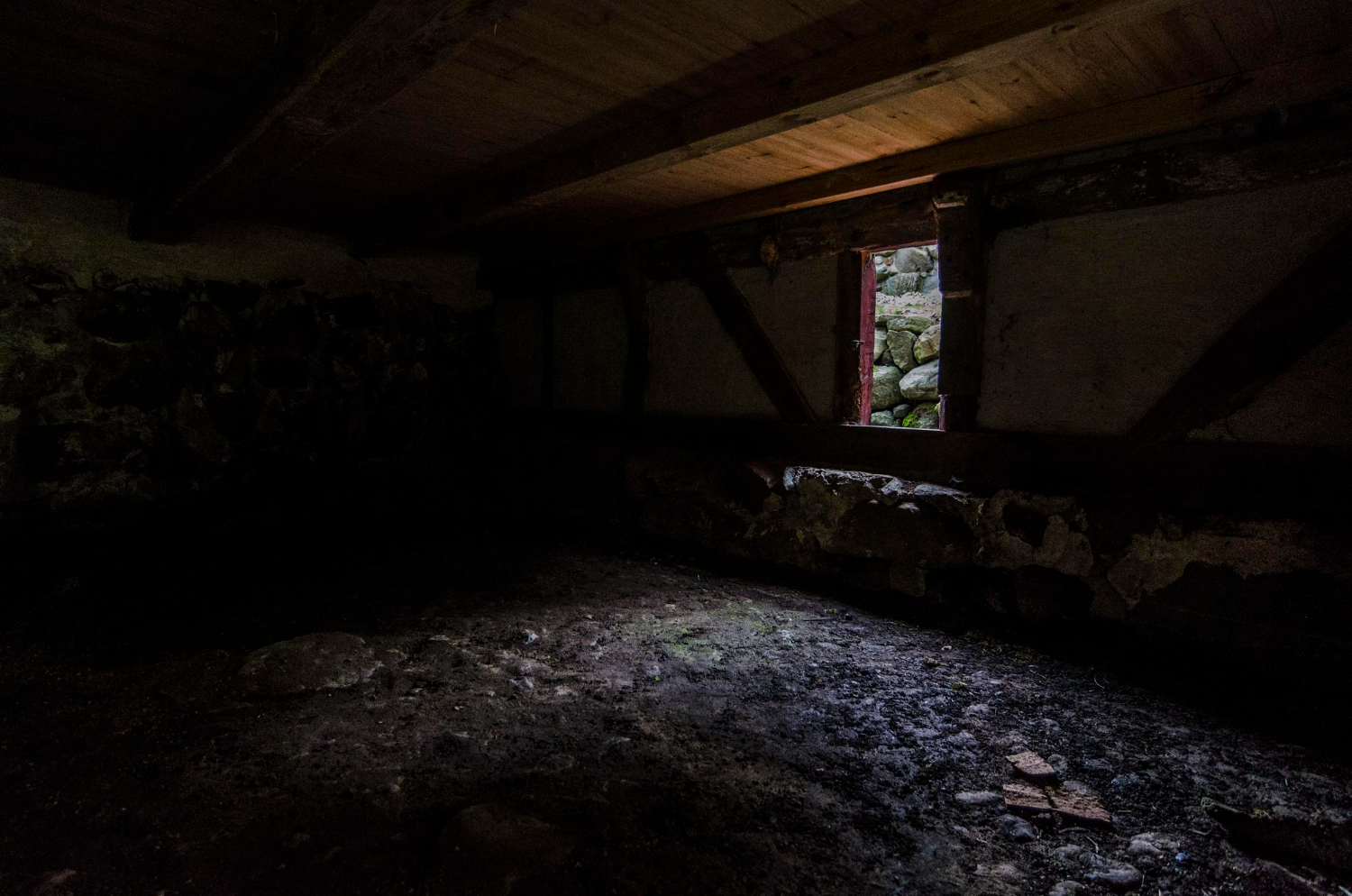
Crawl space encapsulation is a comprehensive sealing process that uses vapor barriers, dehumidifiers, and insulation to create a clean, dry environment beneath your home.
Your home's crawl space might be out of sight, but it shouldn't be out of mind. This hidden area beneath your house can harbor moisture, mold, and pests that affect your entire home's air quality and energy efficiency.
This solution addresses common problems like musty odors, high energy bills, and structural damage caused by excess moisture. Understanding whether encapsulation makes sense for your home requires knowing the process, benefits, and costs involved.
In this article, you’ll learn how crawl space encapsulation protects your home from moisture damage, poor air quality, and energy loss.
Below, we’ll walk through each important aspect:
- What is crawl space encapsulation and why it matters
- The benefits of encapsulating your crawl space
- Crawl space encapsulation process explained
- Is crawl space encapsulation worth it?
Keep reading! Homeowners who take action often see improvements in air quality, lower utility bills, and better protection for their home's foundation and structure.
What is crawl space encapsulation and why it matters
Crawl space encapsulation creates a sealed barrier system that prevents moisture problems and improves indoor air quality. Up to 60% of indoor air comes from crawl spaces, making proper sealing essential for home health and energy efficiency.
How encapsulation seals out moisture and humidity
Encapsulation uses a heavy-duty vapor barrier to seal crawl space walls and floors completely. This thick plastic barrier blocks ground moisture from entering the space.
According to the U.S. Environmental Protection Agency (EPA), placing a plastic cover over exposed dirt in crawl spaces helps prevent moisture from entering the home from the ground, which is a key step in reducing mold and structural damage risk.
The process starts with closing all foundation vents. Workers then install the vapor barrier over dirt floors and up crawl space walls. They seal around pipes, posts, and other openings.
Key moisture control components include:
- Heavy-duty plastic sheeting (6-20 mil thickness)
- Sealed foundation vents
- Dehumidifier systems
- Proper drainage around the foundation
A dehumidifier maintains humidity levels below 60%. This prevents condensation that can still form even with barriers in place.
The sealed system stops humid outdoor air from mixing with cooler crawl space air. This eliminates the main cause of moisture problems in these areas.
The connection between crawl space health and indoor air quality
Air naturally moves from crawl spaces into living areas through the stack effect. Warm air rises through floors, carrying whatever is in the crawl space with it.
Unsealed crawl spaces create several air quality problems. Mold spores grow in damp conditions and travel upward. Pest droppings and dead insects add allergens to indoor air.
Chemical vapors from pesticides or stored materials also move into homes. Musty odors from moisture and decay affect comfort levels.
Encapsulation improves air quality by:
- Blocking mold growth with moisture control
- Eliminating pest entry points
- Reducing allergen sources
- Stopping odor transfer
Clean, dry crawl spaces mean cleaner indoor air. This helps people with allergies and breathing problems feel more comfortable at home.
Common signs your crawl space needs professional attention
Several warning signs indicate crawl space problems that need fixing. Musty smells throughout the house often point to mold or mildew growth below.
High humidity levels above 60% create perfect conditions for problems. Condensation on crawl space walls or pipes shows too much moisture in the air.
Visible problems include:
- Standing water or wet soil
- White chalky deposits on walls
- Mold or mildew growth
- Sagging or damaged insulation
- Pest droppings or activity
Floor problems above crawl spaces signal trouble too. Warped hardwood, squeaky floors, or cold spots suggest moisture issues below.
High energy bills can result from air leaks and poor moisture control. When heating and cooling systems work harder, monthly costs increase noticeably.
Professional inspection helps identify all problem areas. Experts can determine if simple repairs work or if full encapsulation makes more sense.
The benefits of encapsulating your crawl space
Crawl space encapsulation delivers three major advantages that protect both your home and wallet. These benefits include stopping moisture damage, reducing energy costs, and boosting your property's overall value.
Preventing mold growth and wood rot under your home
Moisture creates serious problems in crawl spaces. Water vapor seeps through dirt floors and concrete walls, creating the perfect conditions for mold and wood rot.
Encapsulation stops moisture at its source. A thick vapor barrier covers the floor and walls, blocking water vapor from entering the space.
Mold prevention benefits include:
- Eliminates damp conditions mold needs to grow
- Protects wooden floor joists and beams
- Reduces musty odors in the home
- Improves air quality for the whole house
Wood rot prevention is equally important. Excess moisture causes structural wood to decay over time. This damage can cost thousands of dollars to repair.
The vapor barrier keeps humidity levels low. Dry conditions preserve wooden structures for decades longer than exposed crawl spaces.
Homeowners see immediate results after encapsulation. The space stays dry year-round, even during heavy rain or high humidity periods.
Improving energy efficiency and lowering utility bills
Air leaks in crawl spaces waste significant energy. Cold air enters during winter while cool air escapes during summer months.
Encapsulation seals these gaps completely. The vapor barrier and proper insulation create an airtight barrier between the crawl space and outside air.
According to the U.S. Department of Energy, adding insulation to areas such as floors over crawl spaces and reducing unwanted air leaks can save homeowners up to 20% on heating and cooling costs and up to 10% on total energy bills on average.
Energy savings include:
- 15-20% reduction in heating costs
- Lower cooling bills during summer
- More stable indoor temperatures
- Reduced strain on HVAC systems
The sealed environment prevents air movement through the floor. This stops drafts and temperature fluctuations in living areas above.
HVAC systems work more efficiently in encapsulated homes. They don't need to work as hard to maintain comfortable temperatures.
ENERGY STAR notes that leaky ducts in locations like attics and crawl spaces can be a significant source of energy loss because conditioned air escapes to the outside, making sealing and insulating these areas an important step in improving efficiency.
Monthly utility bills drop noticeably after encapsulation. Most homeowners recover their investment costs within 5-7 years through energy savings alone.
Enhancing indoor comfort and long-term property value
Encapsulated crawl spaces create more comfortable living environments. Indoor air quality improves when moisture and pests can't enter from below.
Temperature control becomes easier throughout the house. Floors feel warmer in winter and rooms maintain consistent temperatures.
Comfort improvements include:
- Warmer floors during cold months
- Less humidity in living spaces
- Fewer pest problems
- Reduced allergens and odors
Property value increases with professional encapsulation. Real estate agents report that buyers prefer homes with sealed crawl spaces.
The investment typically adds $3,000-$5,000 to home resale value. Buyers see encapsulation as preventive maintenance that protects their investment.
Insurance companies sometimes offer discounts for encapsulated homes. The reduced risk of moisture damage and mold problems makes these properties less risky to insure.
Well-maintained encapsulated spaces require minimal upkeep. Annual inspections ensure the system continues working properly for many years.
Crawl space encapsulation process explained
The encapsulation process combines multiple waterproofing elements to create a sealed environment beneath the home. Proper installation requires vapor barriers, insulation, drainage systems, and humidity control working together as an integrated system.
How vapor barriers and insulation work together
Vapor barrier installation forms the foundation of crawl space encapsulation. Contractors install heavy-duty polyethylene plastic sheeting across floors and walls. This material typically ranges from 6 to 20 mils thick.
The barrier blocks ground moisture from entering the crawl space. Workers seal all seams with specialized tape or adhesive. They also wrap support posts and beams with the same material.
Crawl space insulation complements the vapor barrier by controlling temperature. Installers place foam board or spray foam on interior foundation walls. This keeps the space warmer in winter and cooler in summer.
The vapor barrier and insulation create a thermal boundary. This prevents condensation from forming on cold surfaces. Without proper insulation, warm air hits cold walls and creates moisture problems.
Contractors seal all air leaks before installing materials. They use caulk around pipes, wires, and gaps. This prevents outside air from entering the sealed space.
What to expect during a professional encapsulation project
Professional teams start by cleaning debris from the crawl space. They remove old insulation, plastic sheeting, and any damaged materials. Workers also treat existing mold or pest issues.
The crew seals all foundation vents permanently. They use foam boards or vent covers designed for encapsulation. Next, they install the vapor barrier system across all surfaces.
Crawl space waterproofing includes installing drainage systems if needed. Teams may add sump pumps or French drains for water removal. They also seal cracks in foundation walls.
Installation typically takes 2-4 days for average homes. Larger crawl spaces or complex layouts require more time. Workers need access to electrical outlets for equipment.
The final step involves testing the sealed system. Professionals check for air leaks and moisture levels. They adjust the dehumidifier settings and explain maintenance requirements to homeowners.
Why proper drainage and dehumidifiers are essential
Water must have an exit path even in encapsulated spaces. Drainage systems handle groundwater that enters through foundation walls or floors. Without drainage, water pools beneath the vapor barrier.
Sump pumps remove standing water automatically. French drains direct water away from the foundation. These systems prevent hydrostatic pressure from damaging the encapsulation.
Dehumidifiers control humidity levels in the sealed environment. They remove moisture from the air before condensation occurs. Most systems maintain humidity between 30-50 percent.
Commercial-grade units work better than residential models. They handle larger air volumes and run continuously. Professionals size dehumidifiers based on crawl space square footage.
Proper drainage and dehumidification prevent system failure. They protect the vapor barrier from water damage. These components also maintain air quality throughout the home.
Is crawl space encapsulation worth it?
The value of crawl space encapsulation depends on upfront costs versus long-term savings and protection. Most homeowners see benefits through reduced energy bills, fewer repairs, and better home health.
Comparing the costs and benefits for homeowners
Crawl space encapsulation costs between $5,000 and $15,000 for most homes. The price depends on the crawl space size, current condition, and materials used.
Homeowners typically see these financial benefits:
- Energy savings: 10-20% reduction in heating and cooling costs
- Reduced repairs: Fewer wood rot and moisture damage issues
- Lower maintenance: Less frequent HVAC filter changes and duct cleaning
- Home value: Increased property value and marketability
The monthly energy savings often range from $50 to $150. This means the system can pay for itself in 5 to 10 years.
Homes in humid climates see faster payback periods. The moisture barrier and dehumidifier work harder in these areas, creating bigger energy savings.
How encapsulation prevents future foundation repairs
Moisture is the main enemy of foundation materials. Encapsulation creates a dry environment that protects wooden beams, floor joists, and foundation walls.
Wood protection benefits:
- Prevents rot in support beams
- Stops insect damage from termites and carpenter ants
- Maintains structural integrity of floor systems
Foundation walls stay drier when encapsulation seals out ground moisture. This prevents concrete cracking and brick deterioration over time.
Unsealed crawl spaces often lead to repairs costing $3,000 to $10,000. Common problems include sagging floors, cracked foundation walls, and rotted support posts.
Encapsulation stops these issues before they start. The vapor barrier keeps moisture from reaching wooden structures and foundation materials.
Real-life scenarios where encapsulation pays off
Homeowners in coastal areas see the biggest benefits. High humidity levels make crawl spaces breeding grounds for mold and moisture problems.
Homes with existing moisture issues benefit most. Signs include musty smells, visible mold, or standing water in the crawl space.
Best candidates for encapsulation:
- Homes with dirt floor crawl spaces
- Properties with high humidity levels
- Houses with frequent moisture problems
- Homeowners planning to stay long-term
Properties in dry climates may not see the same return on investment. These homes already have fewer moisture-related problems to solve.
Conclusion
Crawl space encapsulation offers clear benefits for homeowners dealing with moisture problems. The process creates a controlled environment that reduces mold growth and improves air quality.
The investment ranges from $5,000 to $15,000 for most homes. This cost often pays for itself through lower energy bills and avoided repair expenses.
Professional installation ensures proper vapor barrier placement and dehumidifier setup. This reduces potential health risks and maximizes the system's effectiveness.
Homeowners should evaluate their specific moisture issues before deciding. Crawl spaces with existing water problems benefit most from encapsulation.
The process works best when it includes sealing vents, installing thick plastic barriers, and adding dehumidifiers. Each component plays a role in creating the sealed environment.
Encapsulation creates healthier living spaces by controlling humidity levels. It also prevents structural damage from excess moisture over time.
The decision depends on balancing upfront costs with long-term benefits. Homes in humid climates or with existing moisture issues see the greatest returns on investment.
Proper planning and professional installation minimize any drawbacks. The result is a dry, protected crawl space that supports overall home health.
Schedule a professional crawl space encapsulation with Michaelis to stop moisture issues and protect your home’s foundation and indoor air quality.



.avif)