

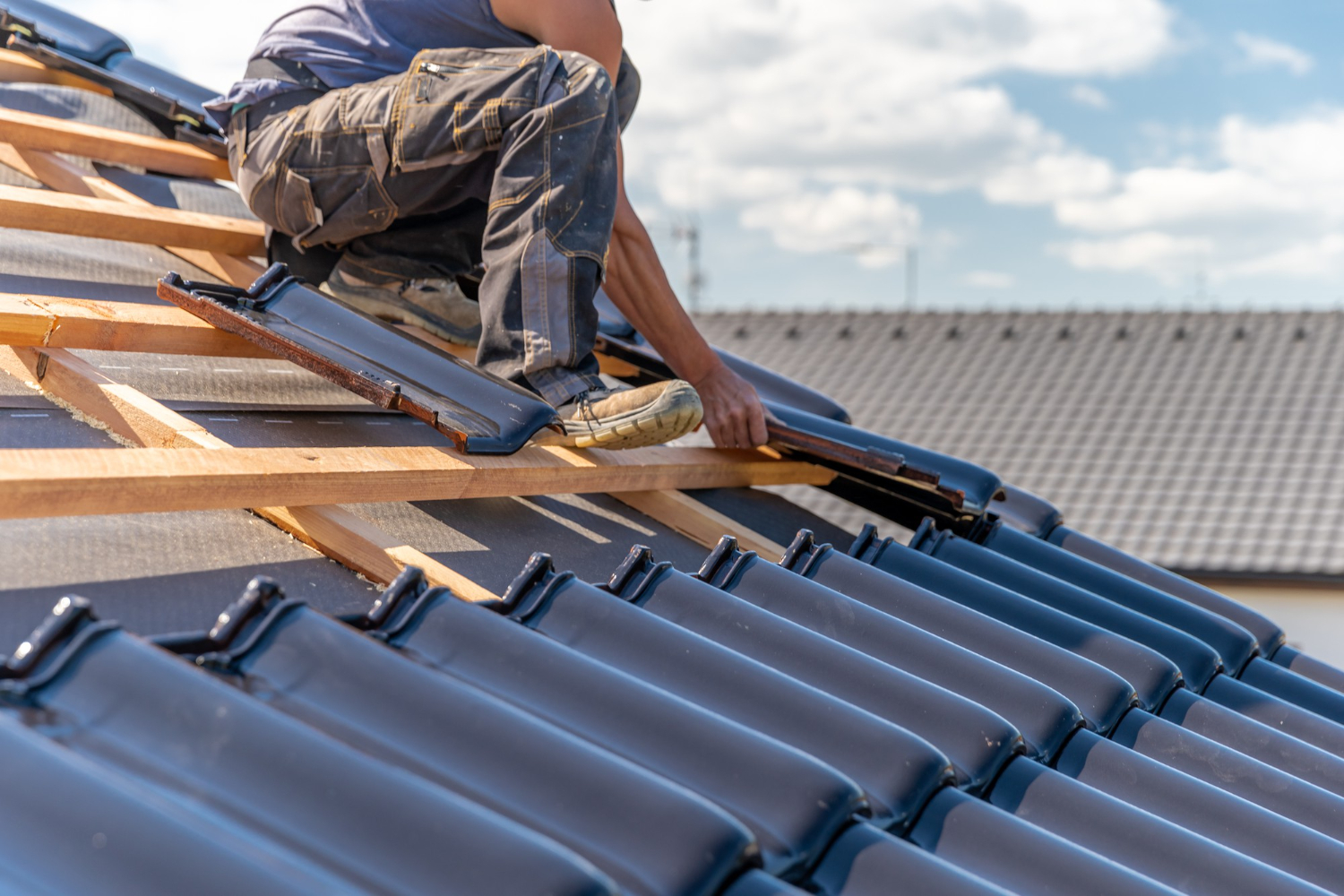
Your roof protects your home from weather, keeps your family safe, and makes up a large part of your property's value. Over time, even the best roofs wear out and need to be replaced. Professional residential roof replacement services help homeowners install new roofing systems that will last for decades while protecting their biggest investment.
Knowing when to replace your roof and what options are available can save you money and prevent damage to your home. Different roofing materials work better for different climates and budgets. You'll also need to understand what happens during the replacement process and why working with experienced contractors matters.
In this guide, you'll find everything you need to know about residential roof replacement — from warning signs and material options to what to expect when professionals replace your roofing system.
- When residential roof replacement becomes necessary
- Types of residential roof replacement options
- Signs you need a roof replacement
- What to expect during a roof replacement project
- Benefits of professional roofing services
- Conclusion
Keep reading to learn how to spot the right time for a new roof, compare your material options, and make a confident decision that protects your home for decades.
When residential roof replacement becomes necessary
Most roofs need replacement when they reach the end of their expected lifespan, sustain severe weather damage, or develop problems that affect the entire roofing system. Knowing when repair work is no longer enough helps you avoid more expensive damage to your home's interior and structure.
Age and lifespan of roofing systems
Different roofing materials have different lifespans that determine when you'll need a replacement. Asphalt shingles typically last 20 to 30 years before they need full replacement. Metal roofs can last 40 to 70 years, while tile and slate roofs may last 50 years or longer.
Your roof's age matters even if you don't see obvious damage. As roofing materials age, they lose their ability to protect your home from water and weather. Shingles become brittle and crack. Granules wash away, leaving the underlying material exposed.
If your roof is approaching the end of its expected lifespan, you should have it inspected by a professional. Waiting too long can lead to water damage inside your home, which costs significantly more to repair than a planned roof replacement.
Storm and weather-related roof damage
Severe storms can cause damage that requires full roof replacement rather than simple repairs. High winds tear off shingles and damage the underlayment beneath. Hail creates dents and cracks that compromise the roof's protective barrier.
You should inspect your roof after major storms, especially if you notice missing shingles or debris in your yard. Extensive damage across large sections of your roof typically means replacement is more cost-effective than patching multiple areas.
Some storm damage isn't immediately visible. Water may enter through damaged areas and cause problems in your attic or insulation before you notice interior leaks. This hidden damage can affect the structural integrity of your entire roofing system.
Persistent leaks and structural issues
Recurring leaks in multiple locations indicate your roof system has failed and needs replacement. While you can patch individual leaks, widespread water intrusion means the roofing materials and underlayment can no longer keep water out effectively.
Structural problems require immediate attention and often full replacement. Sagging areas, water stains on ceilings, and rot in the roof decking all point to serious issues that repairs can't fix. These problems affect the safety of your home and everyone inside it.
If you notice daylight coming through your roof boards or find moisture in your attic after rain, your roof has likely reached the point where replacement is necessary. Continuing to patch these issues only delays the inevitable while allowing more storm damage to occur.
Types of residential roof replacement options
Different roofing materials offer unique benefits in terms of cost, durability, and appearance. The right choice depends on your budget, climate, and how long you expect the roof to last.
Asphalt shingle roof replacement
Asphalt shingles are the most common roofing material in the United States. They cover more than 75% of residential homes because they balance affordability with decent performance.
You can choose between three-tab shingles and architectural shingles. Three-tab shingles are flat and cost less, typically ranging from $90 to $100 per square (100 square feet). Architectural shingles are thicker and have a dimensional look that adds depth to your roof.
Most asphalt shingle roofs last 15 to 30 years depending on the quality you select. Higher-grade shingles resist wind, hail, and algae growth better than basic options. They come in many colors to match your home's style.
The installation process is straightforward, which keeps labor costs lower than other materials. Most roofing contractors are experienced with asphalt shingles, making it easier to find qualified installers in your area.
Metal roofing installation options
Metal roofs last 40 to 70 years and require minimal maintenance over their lifetime. You can choose from several materials including steel, aluminum, copper, and zinc.
Common metal roofing styles:
- Standing seam panels with raised seams
- Metal shingles that mimic traditional roofing
- Corrugated panels for a modern look
- Stone-coated steel tiles
Metal roofing costs more upfront than asphalt, ranging from $120 to $900 per square depending on the material type. Steel is the most affordable option while copper sits at the premium end.
These roofs reflect heat, which can lower your cooling costs in summer. They resist fire, rot, and insect damage. Metal roofs handle snow well since the smooth surface allows it to slide off easily.
Flat and low-slope roof systems
Flat roofs have a slight pitch of 2:12 or less to allow water drainage. They work well for modern home designs and additions like garages or porches.
Your main material options include EPDM rubber, TPO (thermoplastic polyolefin), PVC, and modified bitumen. EPDM is a black rubber membrane that costs $4 to $8 per square foot installed. TPO and PVC are white reflective membranes that cost slightly more but offer better energy efficiency.
These systems typically last 20 to 30 years with proper installation and maintenance. You need to inspect them regularly for ponding water and keep drains clear of debris.
Built-up roofing (BUR) uses multiple layers of tar and gravel for added protection. For commercial flat roof repair, modified bitumen is often preferred because it combines asphalt with rubber or plastic polymers for flexibility in cold weather.
Signs you need a roof replacement
Your roof shows specific warning signs when it's failing, and catching these early can prevent expensive damage to your home's interior. The most common indicators include damaged shingles, water infiltration, and structural problems.
Missing or curling shingles
Shingles protect your home from water and weather damage. When they start curling at the edges or cupping in the middle, they can no longer create a proper seal against moisture. Missing shingles leave your roof deck exposed to rain and snow.
Asphalt shingles typically last 20 to 25 years. If your roof is approaching this age and you notice widespread curling or missing pieces, replacement makes more sense than repairs. You might find shingle granules collecting in your gutters, which means the protective coating is wearing away.
Check your roof after storms for bare spots or areas where shingles have blown off completely. A few damaged shingles can be replaced individually, but if you see problems across large sections of your roof, you're looking at a full replacement.
Water stains and interior leaks
Water stains on your ceiling or walls signal that moisture is getting through your roof. These stains often appear as brown or yellow discoloration and may expand over time. You might notice water dripping during heavy rain or find damp spots in your attic.
Indoor water damage means your roof's waterproof barrier has failed. According to the U.S. Environmental Protection Agency, wet or damp materials that are not dried within 24 to 48 hours of a water intrusion event will support mold growth, and removing the mold without correcting the underlying moisture source will allow it to return. If you can see daylight through your roof boards when you're in the attic, water can definitely get in.
Don't ignore minor leaks hoping they'll stay small. Water finds new paths through your roof structure and the damage spreads quickly.
Sagging roof structure
A sagging roof indicates serious structural problems that require immediate attention. Your roof should have straight, firm lines along the ridge and between the rafters. Any dipping, drooping, or wavy appearances mean the underlying support has weakened.
Sagging usually results from long-term water damage, too many layers of shingles, or inadequate support. This isn't a cosmetic issue — it's a safety hazard. The structural integrity of your roof is compromised, and it could fail completely.
If you notice any sagging areas, contact a roofing professional right away for an inspection.
What to expect during a roof replacement project
A roof replacement project follows a clear sequence of steps from the first inspection to the final installation. Each phase has specific tasks that protect your home and ensure quality work.
Roof inspection and project planning
Your contractor will examine your existing roof to identify damage, measure the roof area, and check the structural deck underneath. This inspection determines what repairs you need beyond just new shingles.
The planning phase includes selecting your roofing materials and discussing the roof replacement cost with your contractor. You'll receive a written estimate that breaks down labor, materials, disposal fees, and any structural repairs needed.
Your contractor will obtain necessary permits from your local building department before work begins. They'll also coordinate material delivery and schedule the work crew. Most residential projects take between one to three days for installation, though complex roofs or poor weather can extend this timeline.
You should prepare your property by moving vehicles from the driveway, removing items from walls inside your home, and covering belongings in your attic. The vibrations from roof work can knock down decorations and create dust.
Removal of old roofing materials
The crew starts by protecting your landscaping, windows, and air conditioning units with tarps and boards. They set up debris chutes or dumpsters to handle the old materials safely.
Workers remove your existing shingles, underlayment, and flashing down to the roof deck. This tear-off process creates significant noise and vibration throughout your home. The crew inspects the exposed deck for rot, water damage, or weak spots that need replacement.
Most home roof installation services complete tear-off in a single day. The crew cleans debris from your gutters and yard throughout the day using magnetic tools to pick up nails and metal pieces.
Installation and quality assurance process
Workers install new underlayment over the clean deck to create a waterproof barrier. They add drip edge along the roof perimeter and install new flashing around chimneys, vents, and valleys.
The shingle installation begins at the bottom edge of your roof and moves upward in overlapping rows. Each shingle must align properly and receive the correct number of nails for wind resistance. Ridge vents go on last to allow proper attic ventilation.
Your contractor performs a final inspection to verify all shingles lie flat, flashing seals correctly, and no nails or debris remain on your property. Many areas require a municipal inspector to approve the work before you make final payment.
Benefits of professional roofing services
Working with experienced roof replacement contractors provides measurable advantages in protection, property value, and long-term performance. These benefits extend well beyond the installation itself and impact your home for years to come.
Improved home protection and safety
Professional roofers identify and address structural issues that you might miss during a DIY inspection. They check for damaged decking, inadequate ventilation, and compromised flashing that could lead to water damage inside your home.
A residential roofing company uses proper safety equipment and follows strict protocols to prevent accidents during installation. They carry liability insurance and workers' compensation coverage, which protects you from financial responsibility if someone gets injured on your property.
Professional installation ensures your roof can withstand harsh weather conditions. Contractors properly seal all vulnerable areas, including valleys, chimneys, and skylights. They also install adequate underlayment and ice barriers in areas prone to water infiltration.
Your family stays safer with a roof installed to current building codes. Professional contractors know local requirements and obtain necessary permits for your project.
Increased property value and curb appeal
A professionally installed roof can add $10,000 to $20,000 to your home's resale value. Real estate experts consistently rank roof replacement among the top improvements for return on investment.
New roofing materials dramatically change how your home looks from the street. You can choose from various styles and colors that complement your home's architecture and neighborhood aesthetic.
Potential buyers view a recently replaced professional roof as a major selling point. They know they won't face roof-related expenses for many years. This advantage often helps homes sell faster and closer to asking price.
Professional installation also prevents visible problems like sagging, uneven shingles, or misaligned rows that reduce curb appeal.
Long-term durability and energy efficiency
Roof replacement contractors use high-quality materials designed to last 20 to 50 years depending on the product. They have access to manufacturer-grade supplies not available at retail stores.
Proper installation techniques directly affect how long your roof lasts. Contractors ensure correct shingle overlap, proper nail placement, and adequate ventilation. These details prevent premature failure and extend your roof's lifespan.
According to the U.S. Department of Energy, roofing products with high solar reflectance stay significantly cooler in direct sun than standard dark roofing, which reduces the amount of heat transferred into the home and can meaningfully lower summer cooling costs. A residential roofing company can also add proper insulation and ventilation systems that prevent ice dams in winter.
Key energy-saving features include:
- Reflective shingles that meet ENERGY STAR standards
- Ridge vents for continuous airflow
- Radiant barriers in hot climates
- Proper attic insulation coordination
Professional warranties protect your investment for decades. Most contractors offer workmanship guarantees ranging from 5 to 25 years, while manufacturers provide material warranties up to 50 years.
Conclusion
Your roof protects your home from weather damage and keeps your family safe. When it needs replacement, choosing the right contractor and materials makes a big difference in the results you get.
Working with qualified professionals ensures the job gets done correctly. Licensed contractors bring experience, proper tools, and knowledge of local building codes. They can spot problems you might miss and recommend solutions that fit your budget.
The replacement process takes time and planning. Most residential roofing projects finish within a few days to a week, depending on your home's size and the weather. Good contractors will keep you informed throughout each step.
Your roof is a long-term investment. Quality materials and expert installation can last 20 to 50 years or more. Don't rush your decision based only on the lowest price.
According to the U.S. Department of Energy, upgrading to high-performance cool asphalt shingles in warmer U.S. climates can generate substantial energy savings over the life of the roof, with average lifetime savings estimated at around $0.50 per square foot of roof area. That potential return makes your material selection a financially significant decision, not just an aesthetic one.
Take time to research your options and ask questions. The right residential roof replacement service will answer your concerns clearly and provide detailed information about their process. They should make you feel confident about moving forward with your project.
Start by getting inspections from multiple contractors. Compare their recommendations, pricing, and timelines. This helps you make an informed choice that protects your home for decades to come. Contact Michaelis Corp to schedule a professional inspection and take the first step toward a roof built to last.



.avif)