


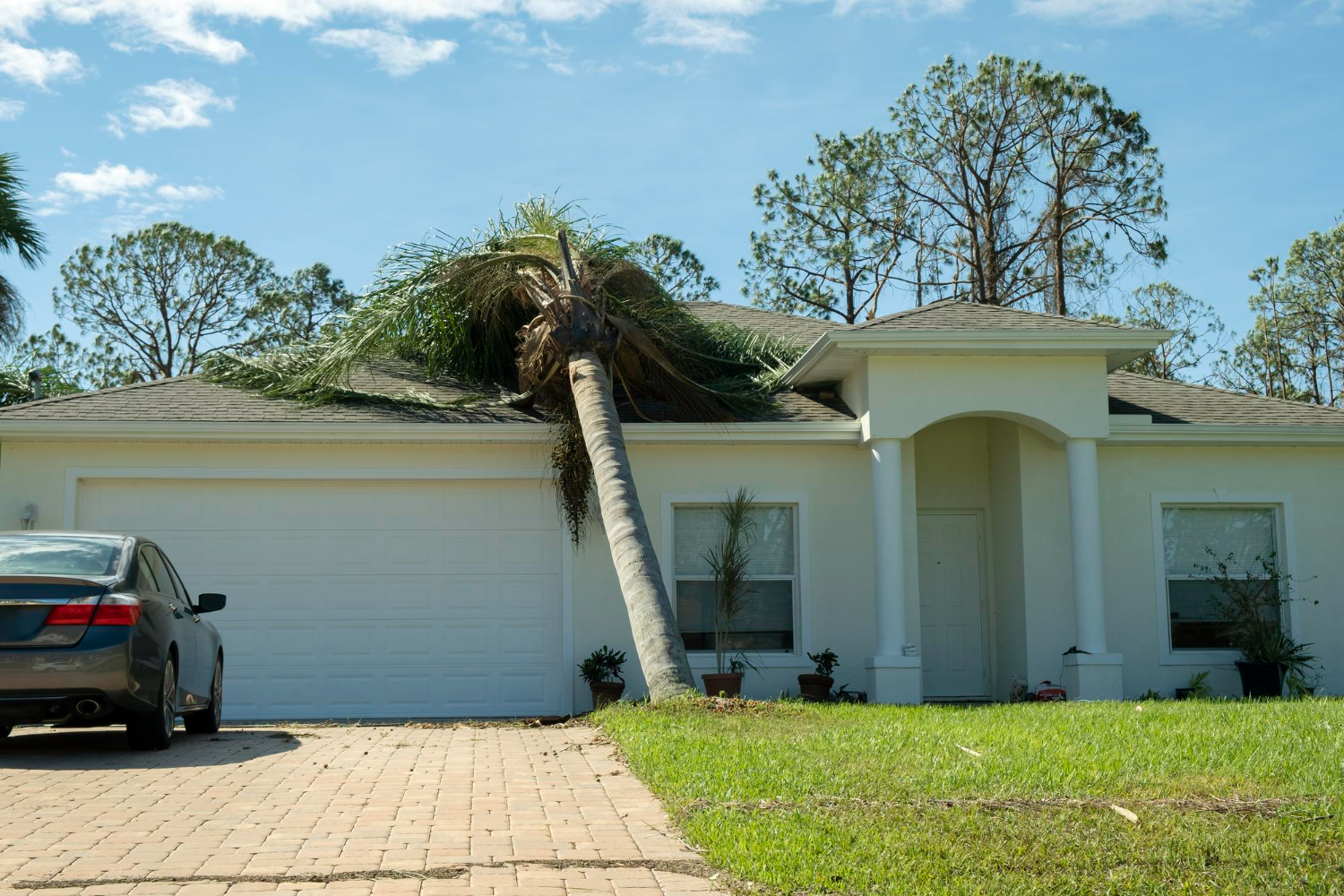
Local storm damage cleanup services remove debris, repair structures, and restore properties safely after severe weather events like hurricanes, tornadoes, windstorms, and floods.
Storms can strike without warning and leave behind serious damage to homes and businesses. Fallen trees, broken windows, roof damage, and flooding need quick attention to prevent bigger problems.
Acting fast after a storm makes a big difference in protecting a property. According to the U.S. Environmental Protection Agency (EPA), thoroughly drying wet or damp building materials within 24–48 hours will usually prevent mold from growing.
Broken structures can become dangerous, and debris left too long can cause more harm to buildings and landscapes. Professional cleanup teams have the right tools and training to handle storm damage safely.
This article explains what storm cleanup involves, how to spot damage that needs attention, and why getting expert help protects both property and people. It also covers how to prepare for future storms and what to look for when choosing a local cleanup service.
Below, we’ll walk through each important aspect:
- Local storm damage cleanup: Fast restoration for your property
- What is local storm damage cleanup?
- Signs your property needs storm cleanup
- Common causes of storm damage requiring cleanup
- How local storm damage cleanup is performed
- Benefits of professional storm cleanup
- DIY vs professional storm damage cleanup
- How to prepare for future storms and minimize damage and cleanup needs
- Why choose Michaelis Corp for local storm damage cleanup
Keep reading to learn how to navigate local storm damage cleanup to remove debris, stabilize structures, and prevent costly secondary damage.
Local storm damage cleanup: Fast restoration for your property
Storm damage can strike any property without warning. Wind, hail, flooding, and fallen trees create urgent problems that need immediate attention.
Local storm damage cleanup services respond quickly to help property owners recover. These professionals handle everything from debris removal to water extraction and structural repairs. They work around the clock to prevent further damage and start the restoration process.
Residential storm cleanup focuses on homes and living spaces. Trained teams assess roof damage, remove fallen branches, and address water intrusion. They also handle interior repairs when storms breach walls or windows.
Commercial storm cleanup serves businesses and commercial properties. These services understand that downtime costs money. Crews work efficiently to restore operations while managing larger-scale damage across office buildings, retail spaces, and industrial facilities.
Service Type
Common Tasks
Residential
Roof repairs, water removal, debris cleanup, tree removal
Commercial
Structural repairs, inventory protection, business continuity, large-scale cleanup
Professional storm cleanup teams bring specialized equipment and expertise. They document damage for insurance claims and follow safety protocols during restoration work. Most services offer free inspections to evaluate the scope of damage.
Response time matters after severe weather. Local providers can reach affected properties faster than distant companies. They understand regional weather patterns and common damage types in the area.
Property owners should contact storm cleanup professionals as soon as it's safe after a storm passes. Early intervention prevents secondary damage like mold growth or structural deterioration.
What is local storm damage cleanup?
Local storm damage cleanup involves professional services that respond to property damage caused by severe weather in your immediate area. Fast action prevents additional problems and protects your investment from further harm.
How cleanup services protect your home or business
Professional cleanup services secure your property immediately after a storm hits. They cover broken windows, tarp damaged roofs, and remove debris that could cause injuries or additional damage. These teams also extract standing water before it seeps into walls and foundations.
Storm damage cleanup companies assess structural integrity to identify hidden dangers. They check for compromised support beams, weakened foundations, and electrical hazards that property owners might miss. This inspection prevents accidents and helps prioritize repair work.
Local cleanup crews understand regional weather patterns and common damage types in the area. They arrive quickly because they operate nearby, which matters when every hour counts. Their familiarity with local building codes and insurance requirements also speeds up the restoration process.
Types of storm damage addressed
Emergency storm cleanup services handle multiple damage categories:
- Wind damage: Torn-off shingles, broken siding, fallen trees, and damaged gutters
- Water damage: Flooding, roof leaks, basement water intrusion, and burst pipes
- Debris removal: Fallen branches, scattered roofing materials, and damaged outdoor structures
- Structural damage: Broken windows, damaged walls, compromised roofs, and foundation issues
Cleanup teams also address damage from hail, lightning strikes, and ice accumulation. They remove hazardous materials and secure the property against weather exposure.
Importance of timely cleanup to prevent further damage
Quick cleanup stops minor damage from becoming major problems. Water that sits for 24-48 hours leads to mold growth, which creates health risks and expensive remediation costs. Exposed structures allow rain and wind to damage interior spaces.
Delayed cleanup reduces insurance claim values and creates disputes over what damage occurred during the initial storm versus afterward. Insurance companies expect property owners to mitigate damage promptly. Waiting also allows pests and animals to enter through openings in the structure.
Prompt response maintains property value and prevents safety hazards. Standing water weakens floors and ceilings. Broken glass and exposed nails injure people. Each day without cleanup increases repair costs and extends the time before normal operations resume.
Signs your property needs storm cleanup
Storm damage can show up in obvious ways like fallen trees or subtle signs like small roof leaks. Recognizing these warning signs quickly helps property owners prevent minor issues from turning into expensive repairs.
Fallen trees, branches, and debris
Large fallen trees and broken branches create immediate safety hazards on a property. These objects can block driveways, damage power lines, or lean against structures in unstable positions.
Property owners should look for trees that have completely fallen or are partially uprooted. Branches hanging from trees pose a serious risk because they can fall without warning. Scattered debris across yards, driveways, and roofs needs removal to prevent additional damage.
Common debris that requires cleanup:
- Tree limbs and branches
- Leaves and twigs covering gutters
- Outdoor furniture that has moved or broken
- Pieces of fencing or structures
- Shingles or building materials
Homeowners should never attempt to remove large trees or branches near power lines themselves. These situations require professional help to handle safely. Even smaller branches on roofs can trap moisture and cause water damage if left in place.
Water accumulation or flooding
Standing water around a property indicates drainage problems or potential flooding damage. Water that collects near foundations can seep into basements and crawl spaces, causing structural issues.
Property owners should check for puddles that remain for more than 24 hours after a storm. Water stains on walls, ceilings, or floors signal that moisture has penetrated the structure. Soggy or waterlogged areas in yards can damage landscaping and create breeding grounds for mosquitoes.
Basements and crawl spaces need immediate inspection for any water entry. Even small amounts of moisture can lead to mold growth within 24 to 48 hours. Gutters overflowing or pulling away from the house prevent proper water drainage and need prompt attention.
Damaged Roofs, Windows, Or Siding
Missing or damaged shingles leave roofs vulnerable to leaks and further weather damage. Property owners should look for shingles on the ground, in gutters, or scattered across the yard after a storm.
Cracks or breaks in windows allow water and air to enter the home. Damaged window frames or screens also need replacement to maintain the building's protection. Siding that is dented, cracked, or missing exposes the structure underneath to moisture and pests.
Key areas to inspect:
- Roof shingles and flashing
- Skylights and roof vents
- Window glass and frames
- Door frames and seals
- Vinyl or wood siding panels
Water stains on interior ceilings often indicate roof damage even when the problem isn't visible from the ground. Homeowners should check attics for daylight coming through the roof or signs of moisture.
Hazardous or unstable structures after storms
Leaning fences, damaged decks, and tilted utility poles signal structural instability that requires immediate attention. These hazards can collapse suddenly and cause injuries or additional property damage.
Property owners should look for cracks in foundations, walls, or chimneys. Sagging porch roofs or detached gutters indicate that structural components have weakened. Sheds or outbuildings that have shifted from their foundations need professional assessment.
Downed power lines or exposed electrical equipment create life-threatening dangers. Property owners must keep everyone away from these areas and contact utility companies immediately.
Ready advises staying away from downed power or utility lines because they may be energized and deadly, and to report them immediately to the utility company.
Gas leaks, identified by a sulfur smell, require evacuation and emergency service calls before any cleanup begins.
Common causes of storm damage requiring cleanup
Different types of storms create distinct patterns of damage that homeowners need to address. Wind, water, ice, and lightning each cause specific problems that require different cleanup approaches.
High winds and hurricanes
Strong winds tear shingles from roofs and send them flying across yards. These winds can reach speeds over 100 mph during hurricanes, creating widespread destruction.
Trees and large branches often snap under the pressure. When they fall, they can crush fences, vehicles, and even penetrate through roofs. Older trees with weak root systems pose the biggest risk.
Siding and gutters take a beating during windstorms. Loose panels get ripped away, and gutters tear from their mounting points. These damages expose the home's structure to water infiltration.
Flying debris becomes dangerous projectiles. Lawn furniture, trash cans, and tree limbs crash through windows and dent exterior walls. The cleanup involves removing scattered objects from across the entire property.
Wind also forces water into areas it normally cannot reach. Rain gets pushed under shingles, through window seals, and into attic vents. This creates hidden moisture problems that show up days later as mold or water stains.
Heavy rain and flash flooding
Excessive rainfall overwhelms drainage systems quickly. Water pools around foundations and seeps into basements through cracks and window wells. Even homes without basements experience water intrusion through door thresholds.
Flash flooding carries mud, sewage, and debris into living spaces. Everything the water touches becomes contaminated and requires thorough cleaning or removal. Carpets, drywall, and insulation often need complete replacement.
Standing water damages:
- Wooden floors that warp and buckle
- Drywall that becomes soft and crumbles
- Electrical systems that short out
- HVAC equipment that stops working
Yards turn into muddy swamps. Landscaping gets washed away, and soil erosion creates uneven ground. Driveways and walkways develop cracks from the pressure of water flowing underneath.
Hail and ice storms
Hail pummels roofs with ice balls ranging from pea-sized to softball-sized. These impacts crack and dent shingles, creating entry points for water. Metal roofs show visible denting, while asphalt shingles lose protective granules.
Ice buildup creates heavy loads on tree branches. The weight causes them to snap and fall onto structures below. Power lines also collapse under the pressure, leaving neighborhoods without electricity.
Gutters fill with ice and form dams that prevent proper drainage. Water backs up under shingles and drips into walls and ceilings. The freeze-thaw cycle makes existing cracks wider.
Hail shatters windows and damages siding. Vinyl siding cracks easily, while wood siding gets pockmarked with dents. Outdoor equipment like air conditioning units suffer dented fins and damaged coils.
Vehicle damage often accompanies property damage. Cars parked outside end up with broken windshields, dented hoods, and cracked headlights from the same storm that damaged the home.
Lightning or fallen debris impact
Lightning strikes cause immediate and severe damage. Direct hits can blow holes through roofs and start electrical fires inside walls. The power surge fries appliances, electronics, and wiring throughout the home.
Trees struck by lightning split apart and fall in unpredictable directions. Pieces of trunk and branches scatter across wide areas. The remaining tree often becomes unstable and requires professional removal.
Fallen trees create multiple problems at once. They block driveways, damage roofs, break utility lines, and destroy landscaping. Removing a large tree from a structure requires specialized equipment to prevent further damage.
Debris impact points need immediate attention. Holes in roofs must be covered with tarps to prevent rain damage. Broken windows require boarding up for security. Structural damage needs engineering assessment before repairs begin.
Utility damage extends cleanup time significantly. Downed power lines must be addressed by professionals before other work begins. Gas leaks require immediate evacuation and emergency response.
How local storm damage cleanup is performed
Professional storm damage cleanup follows a structured process that begins with thorough property assessment and ends with complete restoration and insurance coordination. Each step requires specialized equipment, training, and safety protocols to protect both the property and occupants.
Inspection and assessment of affected areas
The cleanup process starts with a detailed inspection of all damaged areas. Professionals examine the roof, walls, foundation, and interior spaces to identify visible and hidden damage.
They look for compromised structural elements, water intrusion points, and electrical hazards. This initial assessment determines which areas pose immediate safety risks and which repairs take priority.
Trained technicians document all damage with photos and detailed notes for insurance purposes. They create a comprehensive report that outlines the scope of work needed and estimated timelines for restoration. This documentation becomes essential when filing claims and planning repairs.
Debris removal and hazardous material handling
Storm debris removal begins after safety hazards are identified and secured. Professional crews remove fallen trees, broken branches, damaged building materials, and scattered personal items from the property.
They use specialized equipment like industrial vacuums, heavy-duty trucks, and protective gear to handle debris safely. Hazardous materials such as broken glass, exposed insulation, chemical containers, and damaged electrical components require special handling and disposal methods.
Water extraction happens immediately if flooding occurred, typically within 24 to 48 hours to prevent mold growth. Crews use industrial pumps and dehumidifiers to remove standing water and moisture from affected areas.
Roof, siding, and structural stabilization
Once debris is cleared, professionals focus on stabilizing damaged structures. They install temporary supports for weakened walls, beams, or roof sections to prevent further collapse or damage.
Emergency roof repairs include tarping damaged sections and securing loose or missing shingles. Siding repairs seal gaps where water or pests could enter the building.
Crews board up broken windows and doors to protect the property from weather and unauthorized entry. These temporary measures keep the structure secure while permanent repairs are scheduled and completed. Structural stabilization ensures the building remains safe for occupants and workers during the restoration process.
Coordination with insurance and restoration services
Professional cleanup teams work directly with insurance companies to streamline the claims process. They provide detailed damage assessments, repair estimates, and photographic evidence required by insurers.
This coordination helps property owners receive appropriate compensation for repairs and reduces delays in starting restoration work. Cleanup professionals understand insurance requirements and documentation standards, which speeds up claim approval.
They also manage the complete restoration timeline, scheduling contractors for repairs to roofing, electrical systems, plumbing, and interior finishes. This full-service approach means property owners work with one team instead of coordinating multiple contractors separately.
Benefits of professional storm cleanup
Professional storm cleanup services provide critical protection for both property and people after severe weather events. Trained crews handle hazardous debris safely while preventing additional damage that can occur during improper cleanup attempts.
Prevents further structural and water damage
Storm damage creates entry points for water and weakens building structures. Broken windows, damaged roofs, and torn siding allow rain to seep into walls and foundations. Professional crews secure these openings quickly with tarps and temporary repairs to stop water intrusion.
Fallen trees and large branches often rest against homes, creating pressure on walls and roofs. This weight can cause collapse if not removed properly. Professionals use specialized equipment to safely extract debris without causing additional harm to the structure.
Standing water from storms leads to mold growth within 24 to 48 hours. Storm restoration services include water extraction and drying to prevent this health hazard. They also identify hidden moisture in walls and flooring that property owners might miss during their own inspection.
Reduces risk of injury or liability
Storm debris contains sharp branches, broken glass, exposed nails, and unstable materials that cause serious injuries. Downed power lines pose electrocution risks even when they appear inactive. Professional cleanup teams have training to identify and handle these dangers safely.
Unstable trees and hanging branches can fall without warning during removal attempts. Equipment like chainsaws and ladders require experience to operate safely in post-storm conditions. Professionals carry proper insurance and follow safety protocols that protect both workers and property owners.
Property owners face liability when visitors or neighbors get injured by storm debris on their land. Quick professional cleanup reduces this legal exposure. It also prevents accidents like trips and falls from blocked walkways or driveways.
Restores property quickly and efficiently
Professional crews bring industrial equipment that handles large-scale cleanup in hours rather than days. They have trucks, chippers, and lifts that remove debris volumes impossible for individual property owners to manage alone. This speed matters for getting life back to normal and preventing secondary problems.
Storm restoration services coordinate multiple tasks simultaneously. Teams work on debris removal while others handle temporary repairs and water extraction. This organized approach prevents delays that occur when property owners try to manage everything themselves.
Early restoration protects property value by preventing deterioration. Exposed materials degrade quickly when left unprotected after a storm. Professional services ensure proper cleanup and protection measures happen promptly.
Supports insurance claims and property restoration
Insurance companies require detailed documentation of storm damage and cleanup efforts. Professional services photograph damage, catalog debris, and provide itemized reports that strengthen claims. They understand what information adjusters need for approval.
Many insurance policies cover professional cleanup costs but not injuries from do-it-yourself efforts. Using licensed contractors protects both the claim and the claimant. These services work directly with insurance adjusters to ensure proper coverage.
Storm restoration services identify all damage including hidden issues that property owners might overlook. This complete assessment ensures insurance claims cover the full scope of repairs needed. Missing damage in initial reports can lead to denied claims for problems discovered later.
DIY vs professional storm damage cleanup
Storm damage cleanup involves more than picking up branches and sweeping debris. Professionals bring specialized skills and equipment that prevent secondary damage, ensure safety, and restore properties completely.
Risks of improper debris removal or unsafe handling
Homeowners who attempt storm cleanup themselves face serious safety hazards. Fallen trees and branches can be under tension, causing them to snap back violently when cut. Damaged power lines may still carry electricity even when they appear inactive.
Standing water often hides sharp objects, nails, and broken glass. It can also contain sewage or chemicals that cause illness. Climbing ladders or working on damaged roofs without proper training leads to falls and injuries.
The Centers for Disease Control and Prevention (CDC) cautions that floodwaters and standing water can contain sewage, chemicals, and harmful microorganisms, so direct contact should be avoided and protective gear used during cleanup.
Hidden structural damage is easy to miss without professional assessment. A roof that looks stable might have weakened supports ready to collapse. Water damage creates mold growth within 24 to 48 hours, and improper drying spreads spores throughout the home.
Common DIY cleanup dangers include:
- Electrocution from downed power lines
- Cuts and puncture wounds from hidden debris
- Exposure to contaminated water
- Falls from roofs or ladders
- Injuries from unstable trees or structures
Importance of specialized equipment and trained personnel
Professional cleanup crews use industrial-grade equipment that removes water, dries structures, and detects hidden moisture. Thermal imaging cameras identify water trapped inside walls and ceilings. Commercial dehumidifiers and air movers dry spaces faster than household fans.
Trained personnel know how to assess structural integrity and identify compromised supports. They understand building codes and proper restoration techniques. Their expertise prevents mistakes that cost more money later.
Professionals also carry liability insurance and workers' compensation coverage. If someone gets hurt during professional cleanup, insurance handles medical costs. DIY accidents leave homeowners responsible for all expenses and injuries.
Ensuring thorough and lasting cleanup results
Professional services document all damage with photos and detailed reports. This documentation helps with insurance claims and proves the extent of restoration work. They follow specific protocols to prevent mold growth and ensure complete drying.
Experts address both visible damage and underlying problems. They remove damaged materials completely and sanitize affected areas. Their work includes air quality testing to confirm spaces are safe for occupancy.
Professional cleanup includes warranties on completed work. If problems emerge after restoration, the company returns to fix them. DIY efforts offer no such protection, leaving homeowners to pay twice if initial work proves inadequate.
How to prepare for future storms and minimize damage and cleanup needs
Taking steps now to protect your property can reduce storm damage by a significant amount and make cleanup much easier. Simple improvements to drainage, structure reinforcement, and emergency planning help homes withstand severe weather better.
Regular property inspections and maintenance
Property owners should walk around their homes at least twice a year to spot potential weak points. Look for loose roof shingles, cracked siding, damaged flashing, and gaps around windows and doors. These small issues become major problems during high winds and heavy rain.
Gutters need cleaning every few months to prevent water backup that can damage roofs and foundations. Check that downspouts direct water at least 6 feet away from the house. Clogged gutters cause water to overflow and pool near the foundation.
Foundation cracks should be sealed as soon as they appear. Water entering through small cracks can cause flooding and structural damage during storms. Inspect basement walls and floors for any signs of moisture or damage.
Key items to inspect regularly:
- Roof shingles and flashing
- Window and door seals
- Gutters and downspouts
- Foundation walls
- Siding and exterior walls
- Garage doors
Secure loose structures and landscaping
Outdoor items become dangerous projectiles in strong winds. Store patio furniture, grills, and trash cans in a garage or shed before storms arrive. Anchor items that cannot be moved, such as sheds and playsets.
Fencing should be checked for loose posts and damaged sections. Repair weak spots before storm season starts. Metal fencing holds up better in high winds than wood options.
Install storm shutters or impact-resistant windows in areas prone to hurricanes or severe storms. These upgrades protect glass from flying debris and prevent wind from entering the home. Reinforce garage doors with bracing kits since they often fail during high winds.
Consider elevating utilities like HVAC units, water heaters, and electrical panels above potential flood levels. This prevents expensive damage and reduces safety risks.
Emergency planning and storm readiness
Every household needs an emergency kit with water, non-perishable food, flashlights, batteries, first aid supplies, and medications for at least three days. Keep important documents in waterproof containers.
Create a communication plan so family members know how to reach each other if separated. Identify multiple evacuation routes and choose a meeting location outside the immediate area.
Know how to shut off utilities like gas, water, and electricity. Label shut-off valves clearly and keep necessary tools nearby. Take photos of your property and belongings before storm season for insurance purposes.
Charge backup batteries for phones and devices before storms arrive. Fill vehicles with gas and withdraw some cash since power outages affect ATMs and card readers.
Tree trimming and drainage management
Trees near homes need trimming every 1-2 years to remove dead branches and reduce wind resistance. Branches should be at least 10 feet away from roofs and power lines. Dead or diseased trees should be removed completely since they fall easily in storms.
Proper drainage prevents water from pooling near foundations. Grade soil so it slopes away from the house at least 6 inches over 10 feet. Install French drains or channel drains in areas where water collects during heavy rain.
Clean storm drains and catch basins on the property to keep water flowing freely. Check that they work properly by running water through them with a hose. Add extensions to downspouts if water still pools near the foundation.
Consider installing a sump pump in basements or crawl spaces prone to flooding. Test the pump regularly and have a battery backup system in case of power outages.
Why choose Michaelis Corp for local storm damage cleanup
Michaelis Corp brings decades of experience and comprehensive services to homeowners and businesses dealing with storm damage in Indianapolis. The company operates 24/7 and handles everything from initial cleanup to full restoration with insurance claim support.
Experienced cleanup and restoration specialists
Michaelis Corp has served Indianapolis since 1986, giving them nearly 40 years of hands-on experience with local storm patterns and damage types. The team has handled recovery from hail, wind, tornadoes, and tree impacts across thousands of properties.
Their specialists understand how different types of storms create unique damage profiles. A hail storm requires different assessment and repair methods than wind damage or flooding. This knowledge helps them identify hidden problems that inexperienced contractors might miss.
The company employs trained technicians who know building codes and proper restoration techniques. They complete the entire process from damage assessment through final reconstruction. Property owners work with one team instead of coordinating multiple contractors, which saves time and reduces stress during an already difficult situation.
Fast, reliable service for residential and commercial properties
Michaelis Corp provides 24/7 emergency response 365 days per year. Storm damage often requires immediate action to prevent further problems like water intrusion or structural issues. Their teams arrive quickly to secure properties with emergency tarps and begin water damage cleanup.
The company serves both homes and businesses throughout Indianapolis. They scale their services to match property size and damage extent. A small residential roof repair receives the same attention to quality as a large commercial restoration project.
Their rapid response helps minimize secondary damage. Water from storm damage can lead to mold growth within 24-48 hours. Quick action protects property value and reduces total repair costs.
Advanced tools and professional techniques
The restoration teams use professional-grade equipment designed for storm damage cleanup and repair. This includes industrial water extraction systems, commercial dehumidifiers, and specialized tools for structural repairs.
Their methods follow industry standards for damage assessment and restoration. They document damage thoroughly, which helps with insurance claims. The company uses moisture meters and thermal imaging to find hidden water damage that visual inspection alone might miss.
Proper equipment speeds up the restoration timeline. Professional dehumidifiers remove moisture more effectively than standard equipment, which prevents mold and shortens drying time. Better tools lead to better results and faster return to normal life.
Local expertise and proven customer satisfaction
Michaelis Corp focuses specifically on Indianapolis and surrounding areas. Their teams know local weather patterns, common storm damage types, and regional building requirements. This local knowledge translates to more accurate estimates and efficient repairs.
The company maintains a 4.5-star customer rating based on real customer reviews. They guide property owners through insurance claims, handling communication with adjusters and providing detailed documentation. This support removes confusion from the claims process.
Their full-service approach covers roofing, siding, windows, structural repairs, and interior restoration. Property owners get one point of contact for all storm-related repairs. The company completes projects from start to finish, ensuring consistent quality across all repair phases.
Conclusion
Storm damage cleanup requires quick action and careful planning. Homeowners need to focus on safety first, then move through each step methodically to restore their property.
Most homeowner's insurance policies cover storm damage cleanup costs. Property owners should review their specific coverage and file claims promptly. Keeping detailed records of all expenses helps ensure proper reimbursement.
Professional cleanup services handle complex jobs like water extraction, structural repairs, and large tree removal. These experts have the right equipment and training to complete dangerous tasks safely. They can also spot hidden damage that untrained eyes might miss.
Local storm damage cleanup is manageable when broken into smaller tasks. Homeowners who stay organized and ask for help when needed can restore their properties without unnecessary stress or risk.
The cleanup process takes time, but starting right away prevents further damage. Property owners should not rush through important steps like inspections and documentation. A thorough approach leads to better outcomes and complete recovery.
Schedule fast, local storm damage cleanup with Michaelis Corp today to remove debris safely, stabilize your property, and prevent secondary water or mold damage.



.avif)