


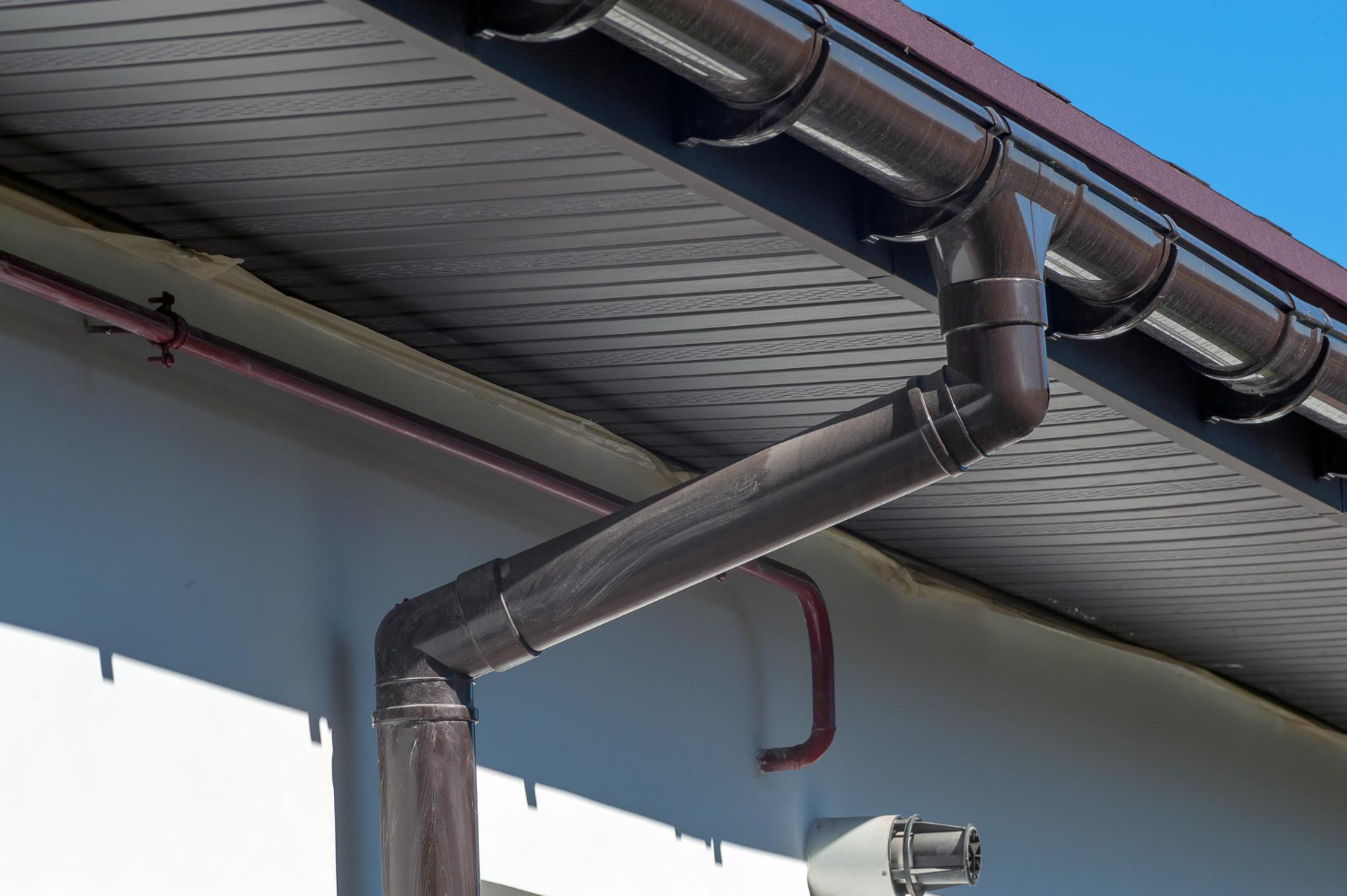
Clogged gutters might seem like a minor issue, but they can lead to serious water damage throughout your home. When debris blocks your gutters, rainwater can't flow away from your house properly. This causes water to overflow and seep into places it shouldn't go.
When gutters are blocked, water can damage your roof, foundation, walls, and even flood your basement. The costs of these repairs can add up quickly. Professional gutter cleaning typically costs between $120 and $280, but fixing foundation damage or roof leaks can cost thousands of dollars.
Understanding how clogged gutters cause water damage helps you protect your home. This article explains what happens when gutters get blocked, how to spot the warning signs, and what you can do to fix and prevent the problem. You'll learn practical steps to keep your gutters working properly and your home safe from water damage.
- Insights into how clogged gutters contribute to water damage
- Trends in common causes of gutter blockages
- Signs your gutters are causing water damage
- Professional tips for fixing clogged gutter damage
- Best practices to prevent future gutter-related water damage
- Conclusion
Keep reading to understand exactly how blocked gutters damage your roof, foundation, and siding, and what maintenance steps will protect your home year-round.
Insights into how clogged gutters contribute to water damage
When gutters fill with debris, water has nowhere to go except over the edges and into vulnerable parts of your home. This overflow creates a chain reaction of damage that affects multiple areas of your structure, from the roofline down to the foundation.
Overflow and roof edge deterioration
When your gutters become blocked, water backs up and sits against the roof edge instead of flowing away from your home. This standing water seeps under shingles and damages the roof deck beneath. The constant moisture exposure causes wood rot in the roof structure.
Your roof's edge is designed to shed water quickly, not hold it. When water pools there, it can freeze in cold weather and create ice dams that force moisture deeper under your roofing materials. The shingles along the edge begin to curl, crack, and lose their protective granules.
The drip edge and eaves take the worst damage. Water that should drain away instead saturates these components for hours or days after each rainstorm. This extended wetness speeds up deterioration and can lead to leaks in your attic and ceiling areas below.
Foundation water pooling and seepage
Water that overflows from clogged gutters falls directly next to your foundation instead of being directed away through downspouts. According to the U.S. Environmental Protection Agency, water in the basement can result from the lack of gutters or from water flow directed toward the house, and the ground should always slope away from the foundation to prevent this. The soil swells when wet, creating hydrostatic pressure against foundation walls. This pressure forces water through even small openings, leading to basement flooding and interior water damage.
The water doesn't just pool on the surface. It soaks deep into the ground around your foundation, weakening the soil that supports your home's structure. Over time, this can cause settling and create new cracks in your foundation walls.
Fascia and siding damage risks
Your fascia boards attach directly behind your gutters and face constant water exposure when gutters overflow. These wooden boards absorb moisture and begin to rot, losing their structural integrity. Once rot sets in, the fascia can no longer properly support your gutter system.
Water cascading over clogged gutters runs down your home's siding. Wood siding soaks up this moisture and warps, cracks, or develops mold and mildew. Vinyl siding can separate at the seams when water gets behind it, causing the moisture to damage the wall sheathing underneath.
The overflow water also stains your siding and creates streaks of dirt and algae. More seriously, it can penetrate through window frames and door trim where these features meet your siding, causing interior water damage to walls and flooring.
Trends in common causes of gutter blockages
Gutter blockages stem from three primary issues that have become more prevalent in recent years. Natural debris accumulation, installation errors, and neglected upkeep account for most water drainage failures that lead to home damage.
Leaves and debris buildup
Leaves remain the most common cause of gutter blockages across all regions. Trees near your home shed leaves throughout the year, with fall creating the heaviest buildup. Pine needles create particularly stubborn clogs because they mat together and resist water flow.
Twigs and small branches also collect in your gutters during storms and windy conditions. These larger pieces create dams that trap smaller debris behind them. Seeds, flowers, and seed pods add to the problem during spring and summer months.
Common debris sources include:
- Deciduous tree leaves
- Pine needles and cones
- Seed pods and flowers
- Small twigs and branches
- Roof shingle granules
Homes in wooded areas face the highest risk of blockages from organic matter, and sagging or damaged gutters make it even easier for debris to accumulate and obstruct water flow.
Improper gutter installation or slope issues
Your gutters need a slight downward slope toward the downspouts to work correctly. The standard pitch is about one-quarter inch for every 10 feet of gutter length. Installers sometimes create gutters that are too level or slope the wrong direction.
Misaligned gutters allow water to pool in certain sections. Standing water attracts debris and creates conditions for clogs to form. The wrong slope also prevents proper drainage even when gutters are clean.
Incorrectly spaced or weak hangers cause gutters to sag over time. This sagging changes the original pitch and creates low spots where water and debris collect. Metal gutters facing corrosion also develop weak points that affect water flow patterns.
Lack of regular maintenance
Most gutters require cleaning at least twice per year to prevent blockages. You should schedule cleanings in late spring and late fall for best results. Homes surrounded by trees may need cleaning three to four times annually.
Many homeowners skip regular gutter inspections until visible problems appear. Water stains on siding, plant growth in gutters, and sagging sections all signal existing blockages. By this point, damage may already be occurring to your roof, fascia, or foundation.
Regular maintenance also includes checking for loose hangers and repairing small leaks. These minor issues become major problems when left unaddressed for multiple seasons.
Signs your gutters are causing water damage
Clogged gutters create visible warning signs around your home's exterior and interior. Water that can't flow through your gutter system will find other paths, often damaging your home's structure along the way.
Water spilling over gutter edges
When gutters fill with leaves, twigs, and debris, rainwater has nowhere to go except over the sides. You'll notice water cascading down like a waterfall during storms instead of flowing through the downspouts.
This overflow happens because blockages prevent normal water flow. The water then pours directly onto the ground next to your foundation, which is exactly what gutters are designed to prevent.
Watch for these signs during rainfall:
- Water streaming over the front or back of gutters
- Heavy dripping between gutter sections
- Waterfalls forming at specific spots along the gutter line
- Splashing against windows or doors
The overflow also creates splash back that hits your siding repeatedly. Over time, this constant water exposure weakens the materials and causes rot or mold growth on wood surfaces.
Stains on siding or exterior walls
Dark streaks running down your home's exterior walls indicate water is escaping from clogged gutters. These stains appear as vertical lines, usually black, brown, or dark green in color.
The discoloration comes from dirt and organic matter washing out of the blocked gutters. As water spills over, it carries these particles down your siding, leaving permanent marks.
You might also see:
- Peeling paint near the roofline
- Mildew or algae growth on exterior walls
- Bubbling or blistering paint surfaces
- Discolored fascia boards behind the gutters
According to the U.S. Environmental Protection Agency, water that enters building cavities and is not allowed to dry quickly leads to rot, structural damage, and premature paint failure — all of which are direct consequences of sustained gutter overflow against your home's exterior. The moisture creates ideal conditions for mold and mildew, which can spread behind the siding and into wall cavities.
Basement moisture or flooding issues
Clogged gutters dump water right next to your foundation, and that water seeps down into your basement. You'll find damp spots on basement walls, water puddles on the floor, or a musty smell that wasn't there before.
The connection between gutters and basement water leaks happens through soil saturation. When gutters overflow, the ground around your foundation becomes waterlogged. This creates pressure that forces water through foundation cracks, gaps, or porous concrete.
Look for these basement problems:
- Water stains on walls or floor
- White mineral deposits (efflorescence) on foundation walls
- Increased humidity levels
- Standing water after rainstorms
Foundation damage from gutter overflow can crack your basement walls over time. The freeze-thaw cycle makes this worse in cold climates, as water enters cracks, expands when frozen, and widens existing openings. Installing a proper French drain system can help manage ground water that builds up when drainage systems fail.
Professional tips for fixing clogged gutter damage
Fixing damage from clogged gutters requires proper techniques to remove blockages, repair worn sections, and restore water flow. These methods help prevent future water damage to your home's foundation, roof, and siding.
Safe removal of debris and blockages
Start by setting up a stable ladder on level ground. Wear work gloves to protect your hands from sharp debris and hidden pests.
Use a gutter scoop or small plastic trowel to remove leaves, twigs, and sediment. Place the debris in a bucket attached to your ladder rather than tossing it on the ground. This saves cleanup time later.
Essential tools for debris removal:
- Sturdy extension ladder
- Gutter scoop or plastic trowel
- Work gloves
- Bucket or tarp
- Garden hose with spray nozzle
After removing visible debris, flush the gutters with a garden hose. Start at the end farthest from the downspout and work your way toward it. This helps identify any remaining clogs.
For severe blockages, gutter cleaning services can handle difficult situations safely. They have specialized equipment like gutter vacuums and pressure washers that reach high or hard-to-access areas.
Repairing or replacing damaged gutter sections
Inspect your gutters for holes, cracks, and rust spots after cleaning. Small holes can be patched with roofing cement or waterproof sealant. Apply the sealant on both sides of the hole for better protection.
Check for separated seams where gutter sections connect. Clean the joint thoroughly and apply gutter sealant to create a watertight seal. Press the sections together firmly and let them cure for 24 hours.
Replace sections with extensive rust, large cracks, or severe sagging. Cut out the damaged portion with tin snips and install a new section using slip connectors. Match the material and color to your existing gutters.
Common repairs needed:
- Sealing leaking joints
- Patching small holes
- Replacing bent or rusted sections
- Reattaching loose gutter hangers
- Adjusting gutter slope
Gutter maintenance and repair work prevents minor issues from becoming major problems. Fix small damage as soon as you notice it.
Improving drainage and downspout flow
Clear downspouts by running water through them from the top. If water backs up, you have a clog. Use a plumber's snake or pressure washer to break up stubborn blockages.
Install downspout extensions to direct water at least 6 feet away from your foundation. This prevents pooling around your home that can cause basement flooding and foundation cracks.
Add gutter guards or screens to reduce future debris buildup. These barriers let water flow through while blocking leaves and twigs. Choose a design that matches your area's common debris types.
Check that gutters slope toward downspouts at a rate of 1/4 inch per 10 feet. Adjust gutter hangers to correct improper pitch. Water should flow freely without standing in sections.
Consider installing additional downspouts if water overflows during heavy rain. Homes typically need one downspout for every 30 to 40 feet of gutter.
Best practices to prevent future gutter-related water damage
Keeping your gutters working properly requires regular maintenance and smart upgrades. Clean gutters twice a year, add protective screens, and check your drainage system to stop water damage before it starts.
Seasonal gutter cleaning schedules
You need to clean your gutters at least twice each year to keep them working right. The best times are late spring and early fall when trees drop the most debris.
Spring cleaning removes seeds, blossoms, and twigs that accumulate during winter and early spring. Fall cleaning is even more important because leaves and pine needles can pack together and create stubborn clogs. According to the National Weather Service, keeping gutters and downspouts clear of snow and icicles all winter long is one of the most effective ways to prevent ice dams from forming and forcing water up under shingles. If you have many trees near your house, you might need to clean your gutters three or four times per year.
Pick dry days for cleaning when you can safely use a ladder. Check your downspouts by running water through them with a hose. If water backs up or drains slowly, you have a clog that needs fixing right away.
Installing gutter guards or screens
Gutter guards cut down the amount of debris that enters your gutters. These screens or covers let water flow through while blocking leaves, twigs, and other materials.
Different types of guards work for different situations. Mesh screens work well for most homes and cost less than other options. Reverse curve guards direct water into the gutter while leaves fall to the ground. Foam inserts sit inside gutters and block debris but still need occasional cleaning.
No guard stops all debris completely. You still need to inspect and clean your gutters, but guards can reduce cleaning from twice a year to once every year or two. This saves time and makes maintenance safer.
Regular roof and drainage inspections
Your roof and drainage system need regular checks to catch problems early. Look at your gutters, downspouts, and roof at least twice a year during your cleaning schedule.
Check for sagging gutters, loose fasteners, and cracks in the gutter seams. Make sure downspouts point away from your foundation and extend at least five feet from your house. Look for rust spots, holes, or separated joints that let water escape.
Watch for water stains on your siding or foundation during rainstorms. These signs mean your gutters are not handling water properly. Also check your attic and basement for water marks or moisture after heavy rain.
Conclusion
Clogged gutters create real problems for your home that you cannot ignore. When debris blocks your gutters, water cannot flow where it should go. This leads to damage in multiple areas of your property.
Your roof, fascia boards, and foundation are all at risk when gutters overflow. Water can seep into places it should not reach, causing rot and mold growth. Your basement may flood, and the landscape around your home can suffer damage too.
You need to clean your gutters regularly to prevent these issues. Most experts suggest cleaning them at least twice per year. If you have many trees near your home, you may need to clean them more often.
Taking action now saves you money later. Gutter cleaning costs much less than fixing water damage or foundation repairs. You can clean gutters yourself if you feel safe on a ladder, or you can hire a professional to do the work.
Your home stays protected when your gutters work properly. Regular maintenance keeps water flowing away from your house like it should. This simple task prevents expensive repairs and protects your biggest investment. Contact Michaelis Corp for a professional inspection and expert help protecting your home from water damage caused by clogged or failing gutters.



.avif)