


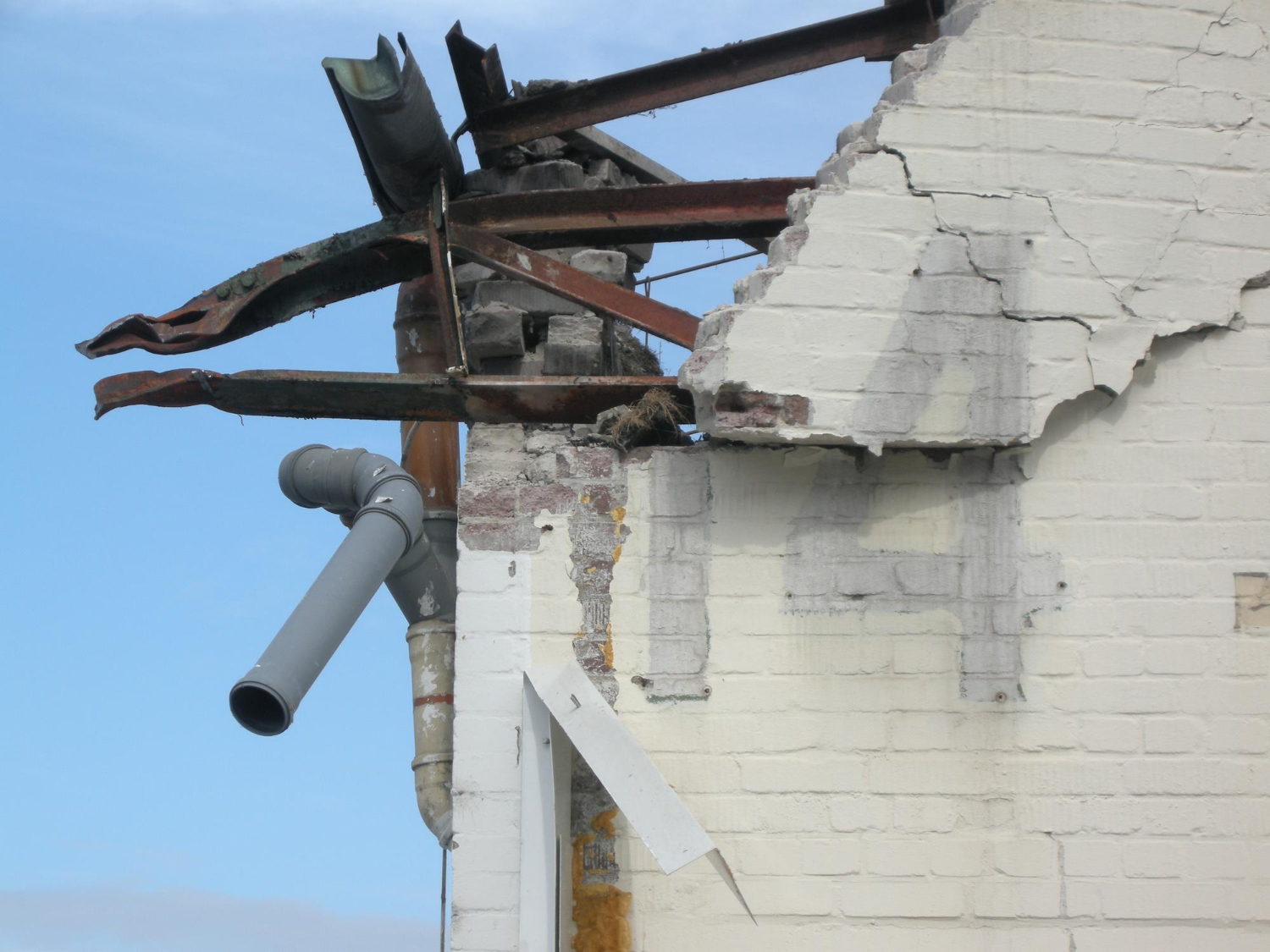
Getting storm damaged gutters repair quickly after storm damage protects your property from costly water damage and structural problems. Your gutters are designed to move water away from your home, and when they stop working properly, water can pool around your foundation or leak into your walls.
Storms can damage your gutters in minutes, leaving your home vulnerable to water problems that get worse over time. When high winds, heavy rain, or falling debris hit your gutter system, the damage might not always be obvious right away. Small cracks, loose sections, or bent gutters can quickly turn into bigger issues that affect your roof, walls, and foundation.
You need to understand what types of damage to look for, why fast repairs matter, and how to find a company you can trust. In this article, you will learn how to identify and address storm damaged gutters repair needs for both homes and businesses, including what types of damage to look for, when to call a professional, and how to protect your property from water damage before problems escalate.
Let's break down the key points you should consider:
- Why timely gutter repair is critical after a storm
- Common types of storm damage to gutters
- Residential gutter repair services
- Commercial gutter repair solutions
- Choosing a reliable gutter repair company
Keep reading to walk through everything you need to know about fixing storm-damaged gutters for both homes and businesses.
Why timely gutter repair is critical after a storm
Storm-damaged gutters need immediate attention to prevent serious problems with your home. Delaying repairs can lead to water infiltration, structural damage, and costly fixes that go far beyond the gutter system itself.
Preventing water damage to your roof and foundation
When gutters are damaged, rainwater doesn't flow away from your home properly. Instead, it pools on your roof or spills over the sides of broken gutters.
Water sitting on your roof can seep under shingles and into the attic. This creates leaks that damage insulation, ceiling materials, and wooden support beams. Even small amounts of water finding their way inside can cause problems within weeks.
Your foundation faces even bigger risks. When water pours directly from damaged gutters onto the ground next to your house, it saturates the soil around your foundation. This constant moisture causes the soil to expand and contract, which creates cracks in your foundation walls.
According to the U.S. Environmental Protection Agency (EPA), properly redirecting downspout discharge away from the home is a key step in managing stormwater runoff — and when storm-damaged gutters fail to channel water effectively, the resulting uncontrolled runoff can saturate surrounding soil, increase erosion, and threaten the structural integrity of the foundation.
Over time, water can enter through these cracks into your basement or crawl space. Foundation repairs typically cost thousands of dollars and require extensive work to fix properly.
Avoiding mold, rot, and structural issues
Moisture from damaged gutters creates the perfect environment for mold growth. Mold starts growing within 24 to 48 hours when materials stay wet. It spreads quickly through wood, drywall, and insulation.
Wood rot follows close behind mold. Your fascia boards, soffit, and roof decking absorb water from overflowing gutters. Rotted wood loses its strength and needs replacement, not just simple repairs.
Per the U.S. Environmental Protection Agency (EPA), because mold gradually destroys the materials it grows on, wet building components — including wood fascia boards, soffit, and roof decking exposed to overflow from damaged gutters — must be dried completely and promptly to avoid progressive structural deterioration that cannot be reversed through simple repairs.
The structural problems extend beyond visible areas. Water that penetrates walls through damaged gutters weakens the framing inside your walls. You might not see this damage until it becomes severe enough to affect the stability of your home.
Maintaining proper drainage and home safety
Working gutters direct water at least 5 to 10 feet away from your house through downspouts. Without this drainage, water creates hazards around your property.
Pooling water near your home becomes a breeding ground for mosquitoes. It also creates slippery surfaces on walkways and driveways where ice can form in cold weather. These conditions pose safety risks for your family and visitors.
Your landscaping suffers too. Excess water from broken gutters erodes soil, kills plants, and washes away mulch. This damage affects your property value and requires money to restore.
Common types of storm damage to gutters
Storms can damage your gutters in several ways, from direct impacts that create dents and holes to strong winds that pull sections away from your home. Understanding these different types of damage helps you know what to look for when inspecting your system after severe weather.
Hail and wind damage
Hail can create dents, cracks, and holes in your gutter system. Small hailstones might leave minor dings that affect water flow, while larger hail can puncture gutters completely. These dents may seem harmless at first, but they disrupt the smooth flow of water through your gutters.
According to NOAA's National Severe Storms Laboratory, hail can cause billions of dollars in damage annually to structures across the United States, with hailstones capable of falling at speeds exceeding 100 mph — making gutters, which are directly exposed on the roofline, among the first components to sustain punctures, dents, and structural deformation during a hail event.
Wind damage often works alongside hail to cause problems. Strong gusts can bend gutter edges, create warping along the channels, and drive debris into the system with enough force to cause additional dents or tears.
Common hail damage signs include:
- Visible dents along gutter surfaces
- Small holes or punctures in metal gutters
- Cracked or broken vinyl gutter sections
- Chipped paint exposing bare metal
Bent or detached gutters
Heavy winds and falling branches can pull gutters away from your fascia board. The weight of accumulated ice, snow, or debris during storms adds extra stress that can bend or completely detach gutter sections.
Detached gutters hang loosely from your roofline and cannot direct water away from your foundation properly. Bent sections create low spots where water pools instead of flowing toward downspouts. This standing water adds more weight and can lead to additional sagging.
You might notice gaps between the gutter and your roofline where the system has pulled away. In severe cases, entire sections can fall to the ground during or after a storm.
Clogged or overflowing gutters
Storms bring leaves, twigs, shingle granules, and other debris that can clog your gutters quickly. Heavy rainfall combined with blockages causes water to overflow, defeating the entire purpose of your gutter system.
Clogs typically form at downspouts and gutter corners where debris accumulates. When water cannot flow through these blocked areas, it spills over the sides and can damage your siding, windows, and foundation.
Signs of clogged gutters after storms:
- Water spilling over gutter edges during rain
- Sagging sections from debris weight
- Plant growth in gutter channels
- Staining on exterior walls below gutters
Loose fasteners and hanging sections
The brackets, screws, and spikes that hold your gutters to your home can work loose during severe weather. Wind pressure and the added weight from storm debris put stress on these connection points.
Loose fasteners allow gutters to sag and pull away gradually. You might see sections that hang at odd angles or have visible gaps between the gutter and fascia board. The hangers that support gutter weight can bend or break completely under stress.
Missing or damaged fasteners need replacement quickly. Each loose connection puts additional strain on the remaining fasteners, which can lead to a cascading failure where more sections detach over time.
Residential gutter repair services
Professional repair services handle storm damage through systematic inspection, targeted repairs, and drainage optimization to protect your home from water damage.
On-site damage assessment and inspection
A professional technician will visit your property to evaluate the full extent of storm damage to your gutter system. They examine gutters, downspouts, hangers, and fascia boards for cracks, dents, separations, and loose mounting hardware. The inspection identifies whether sections need repair or complete replacement.
Technicians check for water stains on your home's exterior that indicate overflow problems. They also look at the fascia and soffit for rot or deterioration caused by failing gutters. This assessment creates a clear picture of what work your system needs.
You receive a detailed report that outlines specific damage points and recommended repairs. The inspector notes any safety hazards that need immediate attention before the next rainfall.
Replacing damaged sections
Severely bent or torn gutter sections cannot be repaired and must be replaced entirely. Professionals remove the damaged portions and install new seamless sections that match your existing system. They ensure proper overlap and sealing at connection points to prevent future leaks.
The replacement process includes installing new mounting brackets and hangers at correct intervals. Most systems need support every 24 to 36 inches to prevent sagging. Technicians also replace damaged downspouts and elbows that direct water away from your foundation.
New sections are cut precisely to fit your roofline. All joints receive waterproof sealant rated for outdoor exposure and temperature changes.
Cleaning and clearing debris
Storm damage repair always includes thorough cleaning of accumulated leaves, branches, and sediment. Debris blocks water flow and adds weight that strains mounting hardware. Professionals remove all material from gutters and downspouts to restore full capacity.
Technicians flush the system with water to identify hidden clogs in downspouts and underground drainage lines. They clear any blockages using specialized tools designed for gutter systems. Cleaning also reveals small leaks or separations that need sealing.
Your cleaned gutters can handle rainfall properly again. The service often includes disposing of all debris removed from your property.
Ensuring proper slope and drainage
Gutters must slope toward downspouts at approximately 1/4 inch per 10 feet of run. Storm damage often knocks gutters out of alignment, creating low spots where water pools instead of draining. Repair technicians adjust hangers and brackets to restore the correct pitch.
They verify that downspouts discharge water at least 6 feet from your foundation. Extensions and splash blocks get repositioned or replaced as needed. Proper drainage prevents basement flooding and foundation erosion.
Technicians test the entire system with running water to confirm flow patterns. They make final adjustments to eliminate any standing water in gutter channels.
Commercial gutter repair solutions
Commercial properties face unique challenges when storms damage their gutter systems, requiring specialized repair approaches that address larger scales and business continuity needs. Professional commercial gutter repair services handle everything from extensive replacements to insurance coordination.
Large-scale gutter replacement
Commercial buildings often need complete gutter system replacements after severe storm damage. Your property may require 24-gauge steel box gutters or heavy-duty sectional systems designed to handle high water volumes from large roof surfaces.
Professional contractors assess the entire gutter network to determine if partial repairs will suffice or if full replacement is necessary. They check for failed seams, broken hangers, and structural damage across all elevations of your building.
Large commercial replacements typically involve:
- Custom fabrication of gutters to match your building's specifications
- Upgraded materials that withstand future storm conditions
- Enhanced drainage capacity for buildings that have been expanded or re-roofed
- Proper slope calculations to ensure water flows correctly to downspouts
The installation process requires specialized equipment like scissor lifts and scaffolding to access multi-story buildings safely. Contractors can often work in sections to minimize disruption to your business operations.
Emergency response for businesses
Storm damage to commercial gutters needs immediate attention to prevent water infiltration and business interruption. Many commercial gutter repair services offer 24-hour emergency response to address urgent issues like overflowing gutters or detached sections.
Emergency teams arrive quickly to implement temporary fixes that protect your property until permanent repairs can be scheduled. They use tarps, sealants, and temporary supports to stop active leaks and water damage.
Your priority during emergencies should be preventing water from reaching your foundation, entering your building, or damaging inventory and equipment. Quick response reduces the total repair costs and keeps your business operational.
Coordination with insurance and property management
Commercial gutter repairs after storm damage involve multiple stakeholders who need clear communication. Your contractor should document all damage with photos and detailed reports that support your insurance claim.
Professional services work directly with property managers and insurance adjusters to streamline the approval process. They provide accurate cost estimates and explain which damages are covered under typical commercial property policies.
The coordination process includes scheduling repairs during off-hours to minimize tenant disruption and maintaining compliance with building codes. Your contractor handles permits and inspections required for commercial work, ensuring all repairs meet local regulations.
Choosing a reliable gutter repair company
Storm damage requires quick action, and selecting the right repair company protects your home and budget. Focus on credentials, availability, and clear cost information when making your choice.
Licensed and experienced technicians
Check that any gutter repair company holds proper licensing in Texas before hiring them. Licensed contractors meet state requirements and carry liability insurance to protect your property during repairs.
Ask how long the company has operated in the Dallas area. Experienced technicians can quickly assess storm damage and determine if your gutters need repairs or full replacement. Companies with years of local experience understand how Dallas weather patterns affect gutter systems.
Request references from past customers who needed storm damage repairs. Look for companies that work with multiple gutter materials like aluminum, copper, and galvalume. This versatility shows technical skill and ensures they can match your existing system.
24/7 emergency availability
Storm damage often requires immediate attention to prevent water from entering your home. Look for companies that offer emergency gutter repair services outside regular business hours.
Some gutter contractors provide same-day or next-day service for urgent repairs. This quick response stops minor damage from becoming expensive problems. Water can seep into your foundation, walls, or basement when damaged gutters sit unrepaired.
Verify the company's emergency contact methods before you need them. Save their phone number and check if they offer online scheduling for urgent requests. Companies with 24/7 availability typically have multiple crews ready to respond during peak storm seasons.
Transparent pricing and insurance assistance
Request written estimates that break down labor and material costs per linear foot. Built-in box gutters cost $40 to $180 per linear foot to repair, while standard repairs cost less. Get quotes from multiple companies to compare prices fairly.
Ask if the company works directly with insurance providers for storm damage claims. Many reputable contractors will inspect your gutters, document the damage, and provide detailed reports for your claim. Some companies handle the insurance paperwork on your behalf.
Confirm what warranties cover the repair work. Quality companies stand behind their repairs with guarantees on both labor and materials.
Conclusion
Storm-damaged gutters need your immediate attention to protect your home from serious problems. Your gutter system directs water away from your foundation, walls, and roof. When storms damage your gutters, water can pool around your home and cause expensive repairs.
You should inspect your gutters after every major storm. Look for dents, sagging sections, cracks, and loose attachments. Check the ground near your foundation for standing water or erosion signs.
Some repairs you can handle yourself with basic tools and materials. Minor leaks, small dents, and loose hardware are often simple fixes. However, major damage like large cracks, separated seams, or completely detached sections require professional help.
Don't wait to address gutter damage. Water damage spreads quickly and affects your foundation, basement, and exterior walls. Mold can start growing within 24 to 48 hours of water exposure.
Regular maintenance between storms helps your gutters last longer. Clean them at least twice per year and trim tree branches that hang over your roof. Installing gutter guards reduces debris buildup and makes maintenance easier.
Your gutters work hard to protect your home. Taking care of them after storms keeps your property safe and saves you money on future repairs.
Contact Michaelis Corp to schedule an emergency gutter inspection and get your storm-damaged system repaired before water intrusion reaches your foundation, walls, or roof structure.



.avif)