

Residential water damage restoration is the professional process of removing water, drying your property, and repairing damage to return your home to its condition before the water emergency.
Water damage in your home can happen without warning and spread quickly through your property. A burst pipe, leaking roof, or flooded basement can damage your floors, walls, and personal items in just hours.
Acting fast makes a big difference in how much damage occurs and how much repairs will cost. Water can weaken the structure of your home and lead to mold growth within 24 to 48 hours. Professional restoration teams use special equipment to find hidden moisture, dry out affected areas, and prevent long-term problems.
It’s not just a “mold risk window” in theory, drying speed is a prevention requirement; according to the U.S. EPA, water-damaged areas and items should be dried within 24–48 hours to help prevent mold growth after a leak or flood.
Understanding what restoration involves and when to call for help protects your home and your family. You need to know the warning signs of water damage, how professionals handle the cleanup, and what steps can prevent future issues.
In this article, you’ll learn how residential water damage restoration works to remove water, dry your home, and complete repairs that help prevent mold and long-term structural damage.
Here’s what you need to know:
- Residential water damage restoration to protect your home and belongings
- What residential water damage restoration involves
- Common causes of water damage in homes
- Signs you need residential water damage restoration
- Why immediate restoration is critical
- Residential water damage restoration process
- DIY vs professional residential water damage restoration
- Tips to prevent future water damage
- Why homeowners trust Michaelis Corporation
Keep reading! The right knowledge helps you make smart decisions when water damage strikes your home.
Residential water damage restoration to protect your home and belongings
Water damage in your home requires quick action to protect your property and belongings. When water enters your living space through leaks, floods, or pipe bursts, it can quickly spread to floors, walls, and furniture.
Professional restoration services help stop the damage from getting worse. These companies remove standing water and dry out affected areas using special equipment. They work fast because mold can start growing within 48 hours of water exposure.
Key steps in home water damage repair include:
- Water extraction to remove standing water
- Drying and dehumidifying affected areas
- Cleaning and sanitizing surfaces
- Repairing damaged structures and materials
- Preventing mold growth
Your belongings need protection during the restoration process. Technicians assess which items can be saved and which ones are too damaged to keep. They may move your furniture and personal items to dry areas while they work on repairs.
Time matters when dealing with water damage. The longer water sits in your home, the more damage it causes. Wet materials weaken and break down, and moisture spreads to other areas.
Many restoration companies offer 24/7 emergency services so you can get help right away. They bring the tools and knowledge needed to handle everything from minor leaks to major flooding. Their goal is to return your home to its normal condition and protect your investment in your property.
What residential water damage restoration involves
Water damage restoration services follow a specific process to return your home to its condition before water intrusion. The work includes removing all standing water, drying out your property completely, preventing mold problems, and fixing or rebuilding damaged parts of your home.
Water extraction and removal
The first step removes all standing water from your property as quickly as possible. Professionals use powerful pumps and industrial wet vacuums to extract water from floors, carpets, and other surfaces.
The type of equipment needed depends on how much water is present. Small leaks might only need portable extraction units. Major flooding requires truck-mounted pumps that can remove thousands of gallons per hour.
Speed matters because water continues to damage your home every hour it remains. Within 24 hours, water can ruin drywall, flooring, and personal belongings. Technicians work quickly to extract water from all affected areas, including hard-to-reach spaces like wall cavities and under flooring.
After removing visible water, professionals check moisture levels in walls, floors, and ceilings using specialized meters. These readings help them identify hidden water pockets that need attention.
Structural drying and dehumidification
Once the water is removed, the drying process begins to eliminate moisture trapped in building materials. This step uses air movers, dehumidifiers, and other equipment to dry out your home completely.
Air movers create airflow across wet surfaces to speed up evaporation. Industrial dehumidifiers pull moisture from the air to prevent it from being reabsorbed into materials. The equipment runs continuously, often for several days.
Common drying equipment includes:
- High-velocity air movers
- Commercial-grade dehumidifiers
- Specialty drying equipment for hardwood floors
- Injection systems for drying wall cavities
Technicians monitor moisture levels daily using meters and sensors. They adjust equipment placement and settings based on these readings. Proper drying prevents warping, swelling, and other long-term structural problems.
The drying time varies based on the amount of water, affected materials, and your home's ventilation. Most properties need 3-5 days of drying, though severe cases can take longer.
Mold remediation and prevention
Mold can start growing within 24-48 hours after water damage occurs. Water damage restoration services include steps to prevent mold growth and remove any mold that has already formed.
If drying is delayed beyond that window, you should plan for mold response (not just drying); per the CDC, if a flooded home and belongings were not dried within 24–48 hours, you should assume mold growth and proceed with complete drying and cleanup while correcting the moisture source.
Technicians apply antimicrobial treatments to affected surfaces during the drying process. These treatments kill existing mold spores and prevent new growth. Areas with heavy contamination may need physical removal and disposal of materials like drywall or insulation.
Air filtration systems run during restoration to capture airborne mold spores. This protects your indoor air quality and prevents mold from spreading to unaffected areas.
Proper ventilation and complete drying are your best defenses against mold. Any moisture left behind creates conditions for mold growth, which is why thorough drying is critical.
Repair and restoration of affected areas
The final phase repairs or replaces damaged materials to return your home to its pre-damage condition. This work ranges from minor repairs to major reconstruction.
Typical restoration work includes:
- Replacing damaged drywall and insulation
- Installing new flooring or subflooring
- Repainting walls and ceilings
- Replacing baseboards and trim
- Fixing or replacing damaged cabinets
Minor damage might only require cleaning and sanitizing with some paint touch-ups. Severe damage could mean rebuilding entire rooms or replacing major structural components.
Your restoration team coordinates these repairs to match your home's existing materials and finishes. They ensure all work meets building codes and safety standards. The goal is to make the affected areas look and function exactly as they did before the water damage occurred.
Common causes of water damage in homes
Water damage in homes typically stems from plumbing failures, weather events, malfunctioning equipment, and structural weaknesses. Each of these sources can cause significant property damage that requires immediate attention and professional restoration.
Burst or leaking pipes
Pipes can burst or develop leaks due to several factors. Freezing temperatures cause water inside pipes to expand, which creates pressure that splits the pipe material. Older pipes corrode over time and develop weak spots that eventually crack or leak.
High water pressure strains your plumbing system and can cause joints to separate or pipes to rupture. Tree roots sometimes grow into underground pipes and create breaks. Even small drips from pipe connections can lead to major problems if left unaddressed.
The damage from burst pipes happens quickly. A single burst pipe can release hundreds of gallons of water into your home within hours. This flooding affects floors, walls, insulation, and personal belongings. You need to shut off your main water supply immediately when you discover a burst pipe.
Flooding from storms or heavy rain
Heavy rainfall and storms bring water into homes through multiple entry points. Severe weather overwhelms drainage systems and causes water to pool around your foundation. This pooling creates pressure that pushes water through basement walls and floor cracks.
Flash flooding can send several inches of water into your home within minutes. Ground saturation from prolonged rain prevents soil from absorbing additional water, which directs runoff toward your property. Storm surge in coastal areas brings saltwater flooding that causes extensive damage.
Flood damage repair requires specialized equipment to remove standing water, dry affected areas, and sanitize contaminated surfaces. The longer floodwater sits in your home, the more damage it causes to building materials and the higher the risk of mold growth.
Appliance and HVAC failures
Water-using appliances fail and cause significant damage when you least expect it. Washing machine hoses crack and burst due to age or poor quality materials. Dishwashers leak from worn door seals or faulty water inlet valves. Water heaters develop corrosion that leads to tank ruptures and sudden flooding.
Refrigerator ice makers and water dispensers have supply lines that can disconnect or crack. HVAC systems produce condensation that must drain properly through condensate lines. When these drain lines clog with algae or debris, water backs up and overflows into your home.
A failed sump pump during heavy rain allows groundwater to flood your basement. Regular maintenance of these appliances and systems helps prevent failures, but unexpected malfunctions still occur.
Roof leaks and foundation issues
Your roof protects your home from water intrusion, but damage to roofing materials creates entry points. Missing or damaged shingles allow rainwater to penetrate the roof deck. Deteriorated flashing around chimneys, vents, and skylights lets water seep into your attic and walls.
Ice dams form when snow melts and refreezes at roof edges, which forces water under shingles. Clogged gutters overflow and send water down exterior walls or into your foundation.
Foundation cracks develop from settling, soil pressure, or poor construction. These cracks provide pathways for groundwater and surface water to enter your basement or crawl space. Hydrostatic pressure from saturated soil pushes water through even small foundation defects. Poor grading that slopes toward your home directs water against foundation walls instead of away from your property.
Signs you need residential water damage restoration
Water damage often shows clear warning signs before it becomes a major problem. Catching these issues early helps you avoid costly repairs and protects your home from serious structural damage.
Visible water or moisture damage
Standing water or damp spots on your floors, walls, or ceilings are obvious signs you need restoration help. You might see water pooling in corners, dripping from light fixtures, or collecting near windows and doors.
Look for dark patches on your ceiling or walls that appear wet to the touch. These areas often feel cooler than surrounding surfaces and may expand over time. Water rings or streaks running down walls indicate an active leak that needs immediate attention.
Check your baseboards and floor edges for signs of water exposure. Wood that looks darker than normal or feels soft when pressed has absorbed moisture. Carpet that stays damp or squishy even in dry weather points to water problems underneath. Peeling paint or wallpaper also signals water trapped behind your walls.
Musty odors or mold growth
A musty smell in your home means water is hiding somewhere, even if you can't see it. This odor comes from mold and mildew growing in damp areas behind walls, under floors, or in crawl spaces.
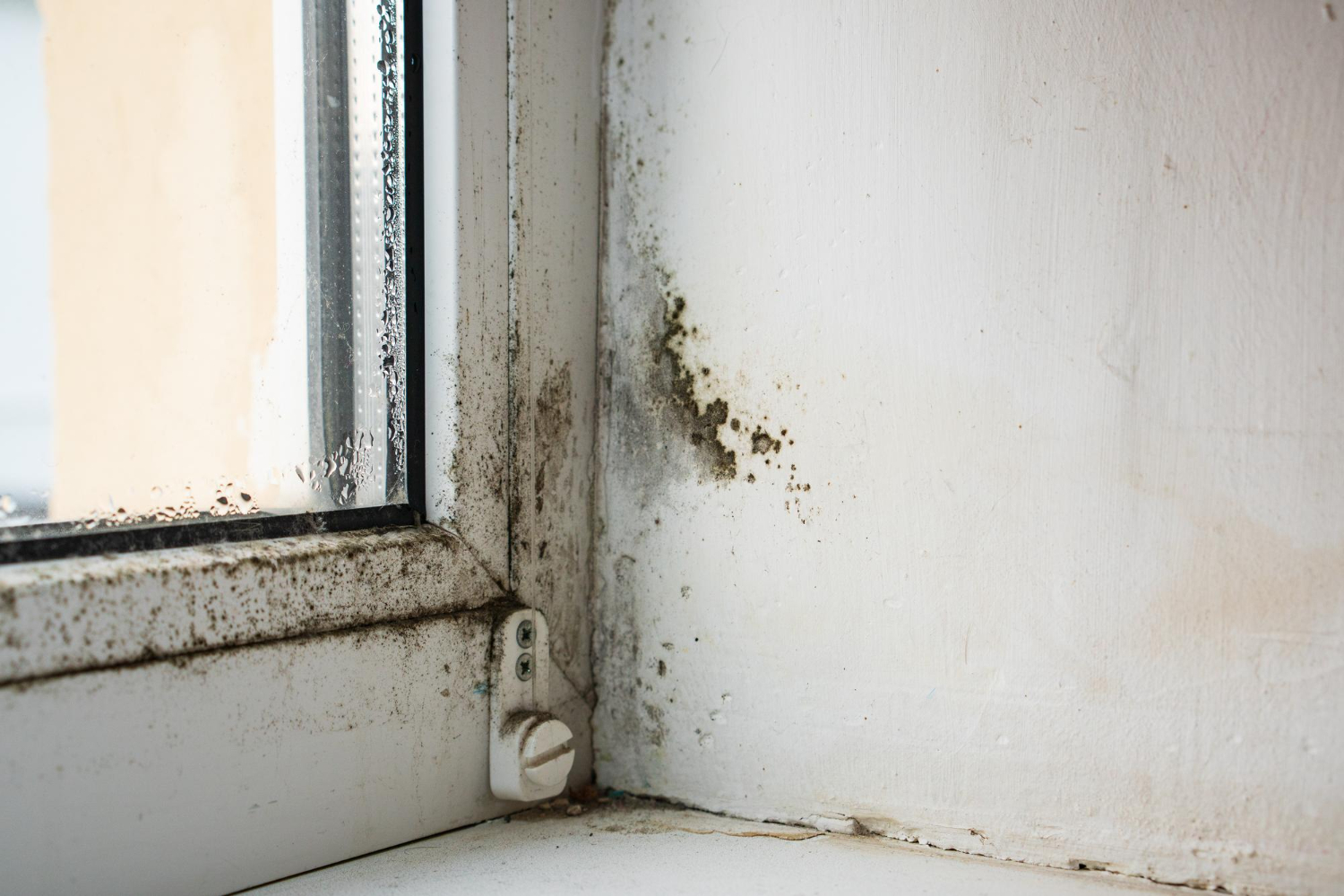
Mold appears as black, green, or white spots on surfaces. You'll often find it in bathrooms, basements, or around windows. Small patches can quickly spread to cover large areas if the moisture source isn't fixed.
Mold creates health risks for your family, especially for people with allergies or breathing problems. The spores travel through your air system and affect your indoor air quality. Professional restoration removes both the mold and the water source causing it to grow.
Moisture control is also a health issue, not only a building-material issue; according to the National Institute of Environmental Health Sciences (NIEHS), occupants of damp, moldy buildings have an increased chance of respiratory problems, including worsening asthma.
Warping, stains, or bubbling on walls and floors
Water causes visible changes to your building materials that are easy to spot once you know what to look for. Hardwood floors buckle, warp, or cup when they absorb moisture from below or from humid air.
Your walls may develop yellow or brown stains that grow larger over time. These discolored patches often have irregular edges and appear darker in the center. Drywall exposed to water becomes soft and may crumble when touched.
Paint and wallpaper bubble or blister when water gets trapped between them and the wall surface. You might notice walls or ceilings sagging or bowing under the weight of absorbed water. Tiles can become loose or crack as the adhesive underneath breaks down from moisture exposure.
Increased humidity or condensation
High indoor humidity creates an environment where water damage can develop and spread. Your windows shouldn't have constant condensation or fog, especially on the inside of the glass.
Normal humidity levels in homes range from 30% to 50%. Levels above 60% promote mold growth and make your home feel sticky or uncomfortable. You might notice your air feels heavy or damp, or that clothes and furniture feel moist to the touch.
Excessive condensation on pipes, walls, or in cabinets indicates poor ventilation or a hidden water source. Your HVAC system may struggle to keep up, running constantly without properly cooling or heating your space. These conditions require professional assessment to find and fix the underlying moisture problem.
Why immediate restoration is critical
Acting quickly when water damage occurs makes the difference between minor repairs and major reconstruction. Fast response limits the spread of damage, protects your health, and keeps restoration costs manageable.
Prevents mold and mildew growth
Mold begins to grow within 24 to 48 hours after water exposure. Once spores take hold, they spread rapidly through walls, ceilings, and flooring. These organisms thrive in damp environments and release allergens that cause respiratory problems, skin irritation, and other health issues.
Professional restoration teams remove standing water and dry affected areas before mold colonies form. They use specialized equipment to detect moisture in hidden spaces like wall cavities and under flooring. This thorough drying process eliminates the conditions mold needs to survive.
Delaying restoration allows mold to penetrate porous materials like drywall, insulation, and wood. Once mold grows deep into these materials, you cannot simply clean the surface. You must remove and replace the contaminated materials entirely, which increases costs significantly.
Reduces structural damage
Water weakens the materials that support your home. Wood beams absorb moisture and begin to rot within days. Metal components corrode when exposed to water for extended periods. Foundation materials deteriorate as water seeps into cracks and expands.
Your floor joists, wall studs, and roof trusses lose their load-bearing capacity when saturated. Ceiling materials sag under the weight of trapped water. Drywall crumbles and loses its structural integrity. Hardwood floors warp and buckle as they absorb moisture.
Quick restoration prevents these structural issues from developing. Technicians extract water before it penetrates deep into building materials. They stabilize vulnerable areas and prevent collapse or permanent warping.
Protects personal property and valuables
Water destroys furniture, electronics, documents, and sentimental items within hours. Fabric and upholstery develop permanent stains and odors. Wooden furniture swells and splits at the joints. Paper items like photographs and books become pulp when wet.
Electronics short-circuit when water reaches internal components. Carpets and rugs develop color bleeding and backing deterioration. Leather goods crack and discolor as they dry improperly.
Immediate restoration saves many of these items through professional drying and cleaning techniques. Restoration specialists use specific methods for different materials, including freeze-drying for documents and specialized cleaning for electronics. The longer items sit in water, the lower the chance of recovery.
Minimizes repair costs and insurance claims
Early intervention costs a fraction of what you pay for delayed restoration. Simple water extraction and drying might cost a few thousand dollars. Full reconstruction after extensive damage can reach tens of thousands of dollars or more.
Insurance companies often reduce coverage when they determine you waited too long to address water damage. Many policies require immediate action to prevent further loss. Documentation of quick response strengthens your claim and speeds up the approval process.
The restoration process itself becomes simpler with fast action. Technicians complete basic drying in three to five days. Delayed restoration requires demolition, mold remediation, structural repairs, and complete reconstruction, which takes weeks or months to finish.
Residential water damage restoration process
Water damage restoration follows a structured sequence that begins the moment you call for help and continues until your home returns to normal condition. Professional teams use specialized equipment and proven methods to remove water, dry affected areas, and repair damage.
Emergency response and site assessment
When you contact a water damage restoration company, they typically arrive within 1-4 hours to start emergency water damage restoration. The team first inspects your property to identify the water source and stop it from causing more damage.
They assess which category of water damage you have. Category 1 is clean water from supply lines or rain. Category 2 is gray water from washing machines or dishwashers. Category 3 is black water from sewage or flooding, which requires special safety measures.
The team documents the damage with photos and moisture readings. They check walls, floors, and ceilings with moisture meters to find hidden water. This assessment helps them create a restoration plan and provides documentation for your insurance claim.
Water extraction using specialized equipment
Professional teams use powerful pumps and vacuum units to remove standing water from your home. Truck-mounted extractors can remove thousands of gallons per hour, while portable units handle smaller spaces and hard-to-reach areas.
The water damage cleanup process starts with the most affected rooms. Teams remove water from carpets using weighted extractors that press down while pulling moisture up. They also extract water from hardwood floors, though some warping may still occur if water sat too long.
After removing standing water, technicians use infrared cameras to locate remaining moisture in walls and subfloors. Any remaining water gets extracted before the drying phase begins.
Drying and dehumidification
Industrial air movers and dehumidifiers run continuously for 3-7 days to dry your property completely. Air movers create airflow across wet surfaces to speed evaporation. Dehumidifiers pull moisture from the air to prevent it from settling back into materials.
Technicians position equipment strategically based on the moisture readings from the assessment. They may need to remove baseboards or drill small holes to dry inside wall cavities. This prevents mold growth and structural damage.
The team monitors moisture levels daily and adjusts equipment as needed. Drying continues until moisture readings match normal levels for your climate and building materials.
Repair, restoration, and content cleaning
Once everything is dry, repairs begin. Minor restoration includes replacing drywall, baseboards, and carpet padding. Major restoration may require rebuilding entire rooms if water caused significant structural damage.
Salvageable items like furniture, documents, and electronics get cleaned and restored when possible. Unsalvageable items that absorbed too much water or developed mold must be disposed of properly.
The team sanitizes all affected areas with antimicrobial treatments to prevent mold and bacteria growth. They repair or replace damaged materials to match your home's original appearance. The final step includes painting, installing new flooring, and returning your belongings to their proper places.
DIY vs professional residential water damage restoration
Small water leaks might seem manageable on your own, but significant water damage often requires professional help to prevent long-term problems like mold growth and structural issues.
Limitations and risks of DIY repairs
DIY water damage restoration lacks the specialized equipment needed for proper drying and moisture detection. Standard household fans and dehumidifiers cannot extract water from wall cavities, subflooring, or insulation where moisture commonly hides.
Without professional moisture meters and thermal imaging cameras, you cannot accurately measure if materials are completely dry. This leads to hidden moisture pockets that create mold within 24 to 48 hours.
Common DIY mistakes include:
- Incomplete water extraction from carpets and padding
- Failure to remove damaged drywall and insulation
- Inadequate sanitization of contaminated water
- Missing structural damage to beams and joists
Category 2 and Category 3 water (sewage or contaminated water) requires professional handling due to health hazards. DIY cleaning of these water types exposes you to bacteria, viruses, and pathogens without proper protective equipment.
Benefits of licensed, experienced technicians
Professional restoration companies use industrial-grade extractors, air movers, and commercial dehumidifiers that work faster than consumer equipment. These tools remove water from deep within building materials and reduce drying time from weeks to days.
Licensed technicians follow IICRC standards for water damage restoration. They categorize water by contamination level and determine which materials need removal versus drying.
Professional services include:
- 24/7 emergency response
- Moisture mapping and documentation
- Antimicrobial treatment
- Structural repairs
- Contents cleaning and pack-out
Experienced technicians identify secondary damage that homeowners miss. They check for compromised electrical systems, weakened floor joists, and foundation issues caused by water intrusion.
Insurance and documentation support
Professional restoration companies document damage with photos, moisture readings, and detailed reports that insurance adjusters require. This documentation strengthens your claim and speeds up the approval process.
Most restoration companies work directly with insurance providers and understand policy requirements. They bill insurance companies directly in many cases, reducing your out-of-pocket costs.
Without proper documentation, insurance companies may deny claims or reduce payouts. Professional estimates include itemized costs for equipment, labor, and materials that match insurance industry standards.
Restoration companies also handle the paperwork and follow-up communications with your insurance adjuster. This removes the administrative burden from you during an already stressful situation.
Tips to prevent future water damage
Taking steps to protect your home before problems start can save you thousands of dollars and prevent serious damage. Regular maintenance, proper monitoring, and modern detection tools work together to keep your property safe from water-related issues.
Regular plumbing and appliance inspections
You should check your plumbing system at least twice a year for signs of wear, leaks, or damage. Look under sinks, around toilets, and behind appliances like washing machines and dishwashers for moisture, rust, or water stains.
Pay attention to your water heater, which typically needs inspection every six months. Check for corrosion on the tank and connections, and replace the unit every 8-10 years depending on the manufacturer's recommendations.
Test your water pressure regularly since high pressure can stress pipes and connections. If your pressure exceeds 80 psi, install a pressure regulator to protect your plumbing system.
Replace washing machine hoses every 3-5 years, even if they look fine. Rubber hoses break down over time, and braided steel hoses offer better protection against sudden bursts. Inspect refrigerator water lines and dishwasher connections for cracks or loose fittings that could leak without warning.
Maintaining roof, gutters, and drainage
Your roof needs inspection at least once per year, preferably in spring or fall. Look for missing shingles, damaged flashing around chimneys and vents, and signs of wear that could let water into your home.
Clean your gutters at least twice yearly, more often if you have many trees near your house. Clogged gutters cause water to overflow and pool around your foundation, which leads to basement flooding and structural damage.
Make sure downspouts direct water at least 5-10 feet away from your foundation. Use downspout extensions or splash blocks to move water farther from your home if needed.
Check the grading around your foundation to ensure the ground slopes away from your house. The soil should drop about 6 inches over the first 10 feet to prevent water from collecting near your walls.
Monitoring humidity levels and ventilation
Keep indoor humidity between 30-50% to prevent condensation and mold growth. You can measure humidity with an inexpensive hygrometer available at most hardware stores.
Use exhaust fans in bathrooms and kitchens to remove moisture at its source. Run bathroom fans during showers and for 20-30 minutes afterward to clear steam and prevent moisture buildup on walls and ceilings.
Your attic needs proper ventilation to prevent moisture accumulation that can damage insulation and wood framing. Check that soffit vents stay clear and ridge vents work properly to maintain air circulation.
A dehumidifier helps control moisture in basements and crawl spaces where humidity tends to be higher. Empty the collection tank regularly or connect it to a drain for continuous operation.
Installing water detection devices
Water leak detectors alert you to problems before they cause major damage. Place these devices near water heaters, under sinks, beside washing machines, and in basements where leaks often go unnoticed.
Smart water detectors send alerts to your phone when they sense moisture, letting you respond quickly even when you're away from home. Some models also monitor temperature to warn you about frozen pipes.
Whole-home water monitoring systems track your water usage and can automatically shut off your main water supply when they detect unusual flow patterns. These systems cost more upfront but provide the most complete protection.
Consider installing automatic shut-off valves on individual appliances like washing machines and water heaters. These valves close when they detect leaks, limiting damage to a small area instead of letting water flow for hours or days.
Why homeowners trust Michaelis Corporation
Michaelis Corporation has served Indianapolis communities since 1986, building a reputation for reliable water damage restoration through round-the-clock availability, skilled technicians, and proven restoration methods. The company handles everything from initial emergency response to complete reconstruction.
24/7 emergency response
Water damage doesn't follow a schedule. Pipes burst at midnight, storms flood basements on weekends, and appliance leaks can happen any day of the year.
Michaelis Corporation operates 24 hours a day, 7 days a week to respond when disaster strikes your home. Quick response matters because water spreads fast through floors, walls, and belongings. Every hour of delay increases the damage and raises the risk of mold growth.
The team arrives quickly to assess your situation and start protecting your property. They understand that insurance policies often have specific timelines for reporting and addressing water damage. Fast action helps you meet these requirements while reducing the total cost of restoration.
Certified water damage restoration specialists
The restoration team brings over 39 years of experience to every water damage project. Each technician receives training in current water removal methods, moisture detection, and structural drying techniques.
Your restoration work is handled by professionals who understand how water moves through different building materials. They know which areas to check for hidden moisture and how to prevent secondary damage. This knowledge comes from thousands of completed projects across Indianapolis.
The company maintains certifications and follows industry standards for water damage restoration. You work with specialists who know proper procedures for different types of water damage, whether from clean water sources like supply lines or contaminated water from storms.
Advanced extraction and drying technology
Removing standing water is just the first step. Michaelis uses professional-grade equipment to extract water and dry affected areas completely.
Industrial water extractors pull moisture from carpets, padding, and flooring faster than standard equipment. High-powered air movers and dehumidifiers then remove moisture trapped in walls, subfloors, and other structural materials.
Moisture detection tools locate water in hidden spaces like wall cavities and under flooring. The team monitors moisture levels throughout the drying process to confirm your home reaches safe levels. This prevents mold growth and structural problems that develop when moisture remains in building materials.
Full-service restoration from water removal to rebuild
You work with one company through the entire restoration process. Michaelis handles water extraction, structural drying, mold remediation if needed, and reconstruction of damaged areas.
The team removes damaged materials like wet drywall, ruined flooring, and affected insulation. They then rebuild these areas to restore your home to its pre-damage condition. You don't need to coordinate between multiple contractors or worry about communication gaps.
Michaelis also helps navigate insurance claims throughout the restoration process. Their experience with insurance procedures and documentation helps streamline approvals. The company provides the detailed records and photos insurers require while keeping you informed about project progress and next steps.
Conclusion
Water damage in your home requires quick action and proper knowledge to handle effectively. You need to understand the restoration process so you can respond when problems happen.
You can handle minor water issues on your own in some cases. Small leaks or spills that you catch quickly often only need basic cleanup. However, you should call professionals for serious problems like flooding, sewage backup, or damage that affects multiple rooms.
Prevention is your best tool against water damage. Check your plumbing regularly and fix leaks right away. Keep your gutters clean and make sure water drains away from your home's foundation.
You protect your property value and your family's health when you address water damage properly. Moisture left behind leads to mold growth and structural problems later. Quick action saves you money and stress in the long run.
Your insurance policy may cover water damage depending on what caused it. Review your coverage so you know what protection you have. Take photos of any damage before you start cleanup to help with claims.
Keep contact information for water damage restoration professionals handy. You want to reach help quickly when emergencies happen. Being prepared makes the restoration process smoother and less overwhelming for you and your family.
Schedule emergency residential water damage restoration with Michaelis Corporation to start water extraction, structural drying, and targeted repairs quickly so you can limit secondary damage and reduce mold risk.



.avif)