

When disaster strikes your commercial property, the damage can bring your business to a halt. Commercial reconstruction services help businesses recover and rebuild after major disasters like fires, floods, storms, or structural damage. These services go beyond basic repairs to fully restore your property and get your operations back on track.
The recovery process after a commercial disaster can feel overwhelming. You need experienced professionals who understand the unique challenges of rebuilding a business property while minimizing downtime. Professional reconstruction teams handle everything from initial damage assessment to final repairs, working with your insurance company and following all building codes.
Getting your business back up and running quickly is critical for your bottom line and your employees. The right reconstruction partner will help you navigate the entire process, from emergency response to complete rebuilding.
In this article, you’ll learn how commercial reconstruction services support commercial building reconstruction and post-disaster reconstruction so your business facility restoration stays code-compliant and minimizes downtime.
Here’s what you’ll find below:
- Commercial reconstruction services: Rebuilding your business after disaster
- What are commercial reconstruction services?
- Common causes that require commercial reconstruction
- Why professional commercial reconstruction is essential
- The commercial reconstruction process
- Benefits of hiring Michaelis Corp for commercial reconstruction
- Preparing your business for future emergencies
Keep reading! Understanding what commercial reconstruction services involve and how they work will help you make informed decisions when your business needs them most.
Commercial reconstruction services: Rebuilding your business after disaster
When disaster damages your commercial property, you need professional reconstruction services to get back to normal operations. These services help rebuild your business after events like fires, floods, storms, or structural failures.
Post-disaster reconstruction involves more than basic repairs. You get a complete rebuilding process that addresses both visible damage and hidden issues that could cause problems later.
What commercial reconstruction services include:
- Damage assessment and evaluation
- Emergency stabilization of your building
- Complete structural repairs and rebuilding
- Restoration of electrical and plumbing systems
- Interior reconstruction and finishing work
- Code compliance updates
Professional reconstruction teams work quickly to minimize your downtime. They coordinate all aspects of the rebuild, from permits to final inspections.
You should choose a company with experience in commercial projects. They need to understand business operations and work efficiently to reduce your financial losses.
The reconstruction process typically starts within 24 hours of your call. Teams secure the property first, then begin detailed planning for the rebuild.
Your reconstruction partner handles coordination with insurance companies and local authorities. This saves you time and reduces stress during an already difficult period.
Quality reconstruction services use modern equipment and proven techniques. They follow safety standards and building codes to ensure your property meets all requirements.
The goal is to restore your building to pre-disaster condition or better. Many businesses use reconstruction as an opportunity to make improvements or updates to their space.
What are commercial reconstruction services?
Commercial reconstruction services rebuild and restore business properties after damage from disasters, structural problems, or general deterioration. These services handle everything from major structural repairs to cosmetic upgrades, helping businesses get back to normal operations.
Comprehensive rebuilding of commercial properties
Commercial building reconstruction addresses severe damage that requires extensive repairs or complete rebuilds. These projects typically start after fires, floods, storms, or other disasters that compromise the building's structural integrity.
The rebuilding process includes demolishing damaged sections, removing hazardous materials, and constructing new framework. Your contractor will work with architects and engineers to create plans that meet current building codes. This often means your rebuilt property will be safer and more efficient than before the damage occurred.
Demolition and rebuilding can create hazardous dust exposures—OSHA sets a permissible exposure limit (PEL) for respirable crystalline silica of 50 μg/m³ as an 8-hour time-weighted average, which is why commercial reconstruction services typically include dust controls and compliant work practices during tear-out and structural repair
Large-scale reconstruction projects can take several months to complete. The timeline depends on the extent of damage, building size, and permit requirements in your area.
Repair and replacement of structural components
Structural repairs focus on the building's foundation, load-bearing walls, columns, beams, and roof systems. These elements keep your building stable and safe for occupants.
Reconstruction teams assess damage to determine which components need repair versus complete replacement. Foundation cracks might require underpinning or stabilization work. Damaged steel beams may need reinforcement or full replacement to maintain load capacity.
Roof reconstruction includes replacing trusses, decking, and weatherproofing systems. Wall repairs might involve sistering new studs to damaged ones or rebuilding entire sections. Your contractor will prioritize structural work before moving to cosmetic improvements.
Restoration of interior and exterior finishes
Finish work restores your building's appearance and functionality after structural repairs are complete. Interior finishes include drywall, flooring, ceilings, paint, trim, and fixtures.
Exterior restoration covers siding, stucco, brick, windows, doors, and roofing materials. These elements protect your building from weather while maintaining its professional appearance. Your reconstruction team will match existing materials when possible or upgrade to more durable options.
This phase also addresses specialized finishes like tile work, cabinetry, and custom millwork. Commercial spaces often require specific finishes to meet industry standards or maintain brand consistency.
Upgrading building systems and safety features
Reconstruction provides opportunities to modernize outdated systems. Your contractor can upgrade electrical panels, wiring, plumbing, HVAC systems, and fire suppression equipment during the rebuild.
Common system upgrades include:
- Energy-efficient HVAC systems
- LED lighting with smart controls
- Updated electrical service for modern equipment loads
- Fire sprinklers and alarm systems
- ADA-compliant fixtures and accessibility features
These improvements reduce operating costs and bring your building up to current safety codes. Many jurisdictions require code compliance when reconstruction exceeds a certain percentage of the building's value. Your reconstruction team will identify required upgrades during the planning phase.
In flood-prone areas, rebuild scope can trigger mandatory code upgrades—FEMA defines “substantial damage” as repairs that equal or exceed 50% of a structure’s market value (excluding land value), which can require bringing the rebuilt space into compliance with current floodplain standards during post-disaster reconstruction.
Integration with insurance and business continuity plans
Reconstruction services coordinate with your insurance provider to document damage, estimate costs, and process claims. Your contractor will provide detailed reports and photos to support your claim.
The reconstruction team works within your insurance coverage limits while identifying additional repairs you might need. They help you understand what your policy covers and where you might have out-of-pocket costs.
Business continuity planning minimizes downtime during reconstruction. Your contractor can phase work to keep portions of your building operational or help you establish temporary facilities. They'll create realistic timelines and communicate progress regularly so you can plan staffing and operations around the construction schedule.
Common causes that require commercial reconstruction
Several major events can damage your commercial building beyond what simple repairs can fix. These situations often affect your building's structural integrity, safety systems, or core components in ways that demand full reconstruction rather than surface-level fixes.
Fire and smoke damage
Fire destroys more than what you can see with flames. The heat weakens steel beams, warps structural supports, and damages electrical and plumbing systems throughout your building. Smoke penetrates deep into walls, insulation, and HVAC systems, leaving behind toxic residue and odors that simple cleaning cannot remove.
Your building may look salvageable from the outside, but fire damage often compromises the structural core. Concrete can crack and spall from extreme temperatures. Wood framing loses its load-bearing capacity. Even areas that flames never touched may need rebuilding due to heat exposure or water used during firefighting efforts.
Commercial reconstruction services assess the full extent of fire damage, including hidden structural weakening. This process involves removing and replacing compromised materials, rebuilding affected sections, and updating systems to current fire safety codes.
Water damage from flooding or leaks
Water exposure creates immediate and long-term problems for commercial buildings. Flooding saturates structural materials, ruins insulation, and damages electrical systems. Even after water recedes, moisture trapped in walls and floors continues causing harm.
Extensive water intrusion weakens foundations, rots wood framing, and corrodes metal components. Your building's structural integrity declines as materials break down. Drywall becomes unstable, flooring systems fail, and support beams lose strength.
Severe flooding often requires reconstruction rather than basic restoration. You need to remove water-damaged materials down to the studs or foundation. This includes replacing insulation, electrical wiring, plumbing, and structural components that absorbed water. Commercial property repair extends beyond drying out spaces to rebuilding sections that water compromised.
Storm and hail damage
Severe storms tear through commercial buildings with multiple forms of damage. High winds rip off roofing materials, shatter windows, and damage exterior walls. Hail punctures roofs, breaks skylights, and dents metal components. These entry points let water infiltrate your building, creating secondary damage to interior structures.
Wind damage can shift your building's structural frame. Walls may bow or separate from their foundations. Roof trusses can crack or fail completely. When storms cause this level of damage, you need reconstruction to restore structural stability.
The combination of wind, water, and debris impact often affects multiple building systems at once. Your HVAC equipment may be destroyed, electrical panels exposed to water, and structural supports weakened. Reconstruction addresses all these interconnected problems rather than patching individual issues.
Structural failure or foundation issues
Foundation problems threaten your entire building. Cracks, settling, and shifting foundations create uneven floors, wall separations, and door misalignments. These issues stem from soil problems, water damage, poor original construction, or material degradation over time.
Compromised foundations cannot support your building safely. You may notice doors that won't close, cracks in walls and ceilings, or gaps where walls meet floors. These signs indicate serious structural movement that basic repairs cannot fix.
Framing failures also demand reconstruction. Load-bearing walls can deteriorate from moisture, pests, or age. Support beams may crack or sag. When core structural elements fail, you need commercial reconstruction services to rebuild affected sections and restore your building's stability.
Mold or contamination after water exposure
Mold growth following water damage creates health hazards and structural problems. Mold spreads through building materials, releasing spores into your air systems. It feeds on wood, drywall, and insulation, breaking down these materials from the inside.
Hidden mold behind walls and under floors requires extensive reconstruction. You cannot simply clean visible mold from surfaces. Contaminated materials must be removed and replaced completely. This includes drywall, insulation, wood framing, and any porous materials that absorbed moisture.
Severe contamination also occurs from sewage backups or chemical spills. These situations require removing all affected materials and rebuilding with new components. The reconstruction process includes proper containment to prevent spreading contaminants and thorough decontamination before installing new materials.
Why professional commercial reconstruction is essential
Professional reconstruction teams bring the expertise needed to restore damaged commercial buildings safely and efficiently while protecting your business interests and long-term investment.
Ensures safety and regulatory compliance
Commercial buildings must meet strict building codes and safety standards. Professional reconstruction teams know current regulations and ensure your property complies with all local, state, and federal requirements.
Licensed contractors identify structural issues that might not be visible to untrained eyes. They address compromised foundations, framing failures, and material decay before these problems create safety hazards for employees and customers.
Professional teams also handle hazardous materials properly. Your building might contain asbestos, lead paint, or mold that requires specialized removal techniques. These experts follow proper protocols to eliminate health risks and prevent future contamination.
Older commercial spaces may require lead-safe work practices during rebuilds—the U.S. EPA states that renovation, repair, or painting work that disturbs lead-based paint in buildings built before 1978 (including child-occupied facilities such as child care facilities and preschools) must be performed by lead-safe certified contractors, which can affect reconstruction planning, scheduling, and containment requirements.
Without professional help, you risk failing inspections or creating liability issues. Non-compliant repairs can result in fines, legal problems, or forced business closures until violations are corrected.
Minimizes business downtime and revenue loss
Every day your business facility restoration takes longer means lost revenue and customer relationships. Professional reconstruction teams work efficiently to get your operations running again as quickly as possible.
These contractors have established processes and experienced crews that complete work faster than general handymen or inexperienced builders. They coordinate multiple trades simultaneously and anticipate potential delays before they happen.
Professional teams also help you set up temporary operations during reconstruction. They work around your schedule when possible and communicate clearly about timelines so you can plan accordingly.
The faster you restore your facility to working condition, the sooner you can serve customers and generate income. Experienced contractors understand this urgency and prioritize getting your business back on track.
Protects property value and investment
Your commercial property represents a significant financial investment. Poor reconstruction work damages property values and creates expensive problems down the road.
Professional contractors use quality materials and proven techniques that maintain or increase your building's worth. They ensure structural integrity so your property remains valuable for years to come.
Proper documentation of professional work also matters when you sell or refinance. Buyers and lenders want proof that repairs were done correctly by licensed professionals, not amateur fixes that hide underlying issues.
Quality reconstruction work extends your building's lifespan and reduces future maintenance costs. Professional teams address root causes of damage instead of applying temporary patches that fail quickly.
Guarantees quality and long-term durability
Professional reconstruction services deliver results that last. These teams use industry-standard techniques and materials designed for commercial applications and heavy use.
Experienced contractors provide warranties on their work, giving you protection if problems arise. This guarantee means they stand behind their craftsmanship and will fix issues without additional cost to you.
Professional teams also have access to commercial-grade materials that aren't available to general consumers. These products offer better performance and longer lifespans than basic residential alternatives.
Skilled workers complete installations correctly the first time. They know how different materials interact, proper installation methods, and potential problems to avoid during reconstruction.
Supports insurance claim processes
Insurance companies require detailed documentation and professional assessments for significant claims. Reconstruction experts provide the reports, photos, and cost estimates insurers need to process your claim.
Professional contractors understand insurance requirements and communicate effectively with adjusters. They document pre-existing damage versus new issues and provide accurate repair scopes that justify claim amounts.
These teams also work within insurance timelines and requirements. They know what evidence to preserve, how to present damage assessments, and which restoration methods insurers typically approve.
Working with professionals increases your chances of receiving fair compensation. Their detailed records and industry knowledge help you avoid claim denials or underpayments that leave you covering unexpected costs.
The commercial reconstruction process
Commercial reconstruction follows a structured approach that moves from initial damage evaluation through final inspection. Each phase builds on the previous one to restore your property safely and efficiently.
Initial property assessment and damage evaluation
A professional team inspects your building within hours of the disaster to document all damage. They examine structural elements, electrical systems, plumbing, HVAC units, and building materials. This evaluation determines which areas need immediate attention and which require full reconstruction.
The assessment team takes photos and measurements to create a detailed damage report. They identify safety hazards like weakened walls, exposed wiring, or compromised foundations. Your insurance company receives this documentation to process your claim.
Key assessment areas include:
- Structural integrity of walls, floors, and ceilings
- Water intrusion and moisture levels
- Fire or smoke damage extent
- Electrical and mechanical systems
- Roof and exterior envelope condition
The team creates a scope of work and project timeline based on their findings. You receive a cost estimate that breaks down labor, materials, and equipment needs for the entire project.
Emergency stabilization and mitigation
Emergency crews secure your property to prevent additional damage and safety risks. They board up broken windows, tarp damaged roofs, and shut off compromised utilities. Water extraction begins immediately if flooding occurred.
The team removes standing water using industrial pumps and sets up dehumidifiers to dry affected areas. This prevents mold growth, which can start within 24 to 48 hours. They also remove debris and damaged materials that cannot be salvaged.
Temporary fencing or barriers keep unauthorized people out of dangerous zones. Climate control equipment maintains proper temperature and humidity levels to protect remaining structures and contents. Power generators supply electricity if your building lost utility service.
Structural repair and reconstruction
Contractors rebuild damaged walls, floors, roofs, and support beams to meet current building codes. They replace compromised framing members and reinforce weakened structural elements. Foundation repairs address cracks, settling, or water damage that threatens building stability.
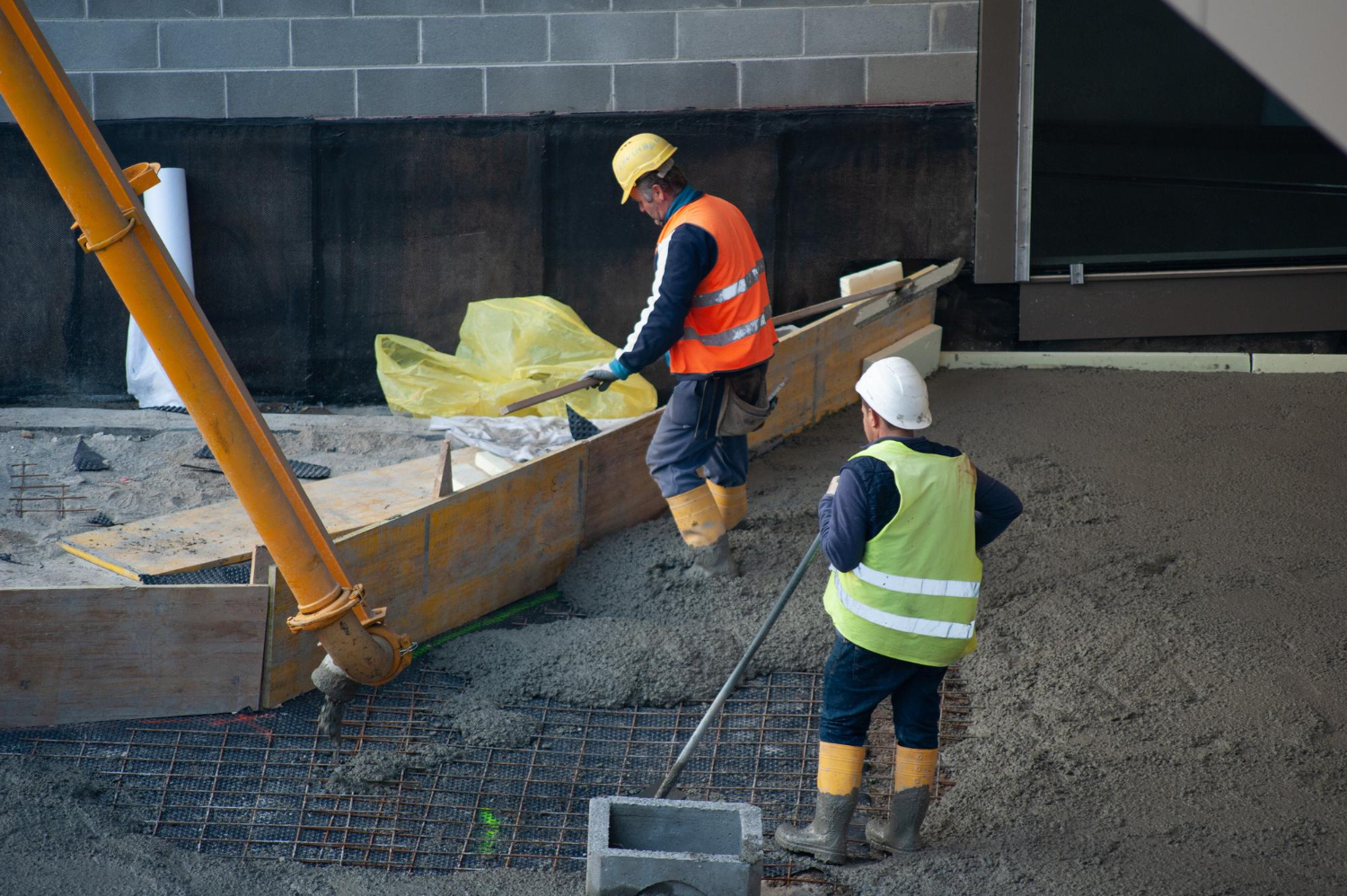
New construction materials often exceed the quality of original components. Steel beams replace wooden supports in some cases to add strength. Concrete work includes pouring new foundations, repairing slabs, or replacing damaged sections.
Repair Type
Common Tasks
Foundation
Crack sealing, underpinning, waterproofing
Framing
Stud replacement, beam installation, truss repair
Roofing
Deck replacement, membrane installation, flashing
Concrete
Slab repair, structural reinforcement
Load-bearing walls receive special attention to ensure they can support the building properly. Engineers may need to approve major structural changes before work proceeds.
Interior and exterior restoration
Interior work restores your business spaces to functional condition. New drywall goes up, electrical wiring gets installed, and plumbing lines are run to serve all areas. HVAC systems are repaired or replaced to provide proper climate control throughout the building.
Flooring installation comes after all overhead work finishes. Options include tile, carpet, vinyl, or hardwood depending on your business needs. Painters apply primer and finish coats to walls and ceilings.
The exterior receives new siding, brick repair, or stucco application as needed. Windows and doors are installed with proper sealing to prevent air and water infiltration. Parking lots and walkways get repaved or resurfaced.
Office restoration services include installing dropped ceilings, built-in cabinets, and specialized equipment mounts. Lighting fixtures, outlets, and data ports are positioned for optimal workflow. The team matches finishes to your specifications or improves upon the original design.
Final inspection and project completion
Building inspectors verify that all work meets local codes and safety standards. They check electrical systems, plumbing connections, structural repairs, and fire safety equipment. Any deficiencies must be corrected before you receive occupancy approval.
Your reconstruction team performs a walkthrough with you to address any concerns. They test all systems including lights, HVAC, plumbing fixtures, and security equipment. Touch-up work fixes minor cosmetic issues identified during the inspection.
You receive warranties for labor and materials, plus maintenance documentation for new equipment. Final payment occurs after you approve all completed work. Most projects include a follow-up visit 30 to 90 days later to ensure everything functions properly.
Benefits of hiring Michaelis Corp for commercial reconstruction
Michaelis Corp brings over three decades of specialized experience in commercial reconstruction, backed by professional licensing and 24/7 emergency services. The company handles everything from initial damage assessment through final restoration while helping businesses navigate insurance requirements and maintain operations.
Licensed, certified, and experienced reconstruction experts
Michaelis Corp operates as a licensed, bonded, and insured full-service general contractor. The company has served Indiana properties since 1986, building expertise across multiple reconstruction disciplines.
Your commercial property receives attention from professionals trained in fire restoration, water damage repair, storm recovery, and structural rebuilding. This experience matters when complex projects require precise execution to meet safety codes and compliance standards.
The family-owned company specializes in insurance restoration work, which means their team understands the technical requirements that insurance companies and building inspectors expect. You get reconstruction work that passes inspections the first time, avoiding delays and additional costs.
24/7 emergency response for urgent situations
Commercial disasters don't follow business hours. Michaelis Corp provides round-the-clock emergency services for multi-family, commercial, and residential properties.
When fire, water, or storm damage strikes your business, immediate response prevents secondary damage that increases repair costs. The emergency team can secure your property, assess initial damage, and begin mitigation work within hours of your call.
This quick response protects your assets and starts the recovery process faster. Early intervention often means the difference between minor repairs and major reconstruction projects.
End-to-end restoration solutions for businesses
Michaelis Corp handles your entire reconstruction project from start to finish. The company manages damage assessment, emergency mitigation, structural repairs, and final restoration under one contract.
You work with a single point of contact instead of coordinating multiple contractors for different phases. This approach eliminates gaps in communication and responsibility that often delay commercial reconstruction projects.
Their services include:
- Emergency mitigation - Water extraction, board-up, and temporary protection
- Structural reconstruction - Foundation work, framing, and building repairs
- Fire and smoke restoration - Cleaning, odor removal, and rebuilding
- Water damage restoration - Drying, repairs, and mold prevention
- Storm damage repair - Roof replacement, exterior restoration, and weatherproofing
Assistance with insurance documentation and claims
Working with insurance companies requires detailed documentation and specific procedures. Michaelis Corp's experience with insurance restoration means they know what documentation your insurer needs.
The team photographs damage, creates detailed estimates, and provides the technical information required for your claim. This documentation helps prevent disputes and speeds up the approval process.
You receive estimates that match insurance industry standards, reducing back-and-forth negotiations. The company works directly with adjusters when needed, translating technical construction details into terms that support your claim.
Focus on minimizing operational disruption and maximizing efficiency
Commercial reconstruction threatens your ability to serve customers and generate revenue. Michaelis Corp plans projects to reduce downtime and maintain partial operations when possible.
The team creates phased reconstruction schedules that allow you to keep critical areas operational. They coordinate deliveries, work crews, and noisy activities during off-hours when appropriate for your business type.
Their project management approach prioritizes getting you back to full operations quickly. You receive realistic timelines based on actual construction requirements, not optimistic guesses that lead to disappointment.
The company's general contracting license allows them to pull necessary permits and schedule inspections efficiently. This eliminates delays caused by permit issues or failed inspections that extend your closure period.
Preparing your business for future emergencies
Taking action before disaster strikes reduces damage, speeds up recovery, and protects your bottom line. A solid preparation strategy includes planning, maintenance, insurance, staff training, and asset documentation.
Develop a comprehensive disaster recovery plan
Your disaster recovery plan needs specific steps for different types of emergencies. Include procedures for fires, floods, storms, and structural damage. List the contact information for emergency services, restoration companies, and key vendors.
Create a chain of command that shows who makes decisions during an emergency. Assign backup decision-makers in case primary contacts are unavailable. Your plan should outline how to secure the building, protect equipment, and evacuate staff safely.
Set up alternative work locations where employees can continue operations if your main facility becomes unusable. Identify which business functions are most critical and need to restart first. Update your plan every six months and after any major changes to your business or building.
Maintain regular property inspections and maintenance
Schedule quarterly inspections of your roof, plumbing, electrical systems, and HVAC equipment. Small problems like minor leaks or worn wiring can turn into major disasters during storms or extreme weather. Fix issues immediately instead of waiting.
Check your fire suppression systems, smoke detectors, and emergency exits monthly. Test backup generators and sump pumps to confirm they work when needed. Keep gutters and drainage systems clear to prevent water damage.
Document all maintenance activities with dates, photos, and receipts. This record helps with insurance claims and shows you took proper care of your property.
Ensure adequate insurance coverage
Review your commercial property insurance policy annually with your agent. Standard policies may not cover floods, earthquakes, or business interruption losses. Add specific riders or separate policies to fill coverage gaps.
Calculate the actual replacement cost of your building and equipment. Property values change over time, and being underinsured means you pay more out of pocket after a disaster. Business interruption insurance covers lost income and ongoing expenses while your property is being repaired.
Keep copies of your insurance policies in a secure off-site location or cloud storage. Take photos and videos of your property, inventory, and equipment. These records speed up the claims process after damage occurs.
Train staff on emergency protocols
Hold emergency drills at least twice per year for different scenarios. Practice evacuation routes, designated meeting points, and communication procedures. Make sure new employees receive emergency training during their first week.
Assign specific roles to staff members during emergencies. Some employees should handle equipment shutdown, others should assist with evacuation, and designated people should communicate with emergency responders. Post emergency contact numbers and procedures in multiple locations throughout your facility.
Create a notification system to reach all employees quickly during off-hours. Test this system regularly to confirm contact information stays current.
Document critical assets and recovery priorities
Create a detailed inventory of all equipment, machinery, computers, and furniture with serial numbers and purchase dates. Store this information digitally in multiple locations including cloud storage. Take photos of each item and your facility's layout.
Rank your business operations by importance. Identify which equipment, data, and workspace areas you need to restore first to resume basic operations. List the lead time required to replace specialized equipment or order custom parts.
Back up digital files daily to off-site servers or cloud storage. Keep paper copies of essential documents like licenses, permits, contracts, and vendor agreements in a fireproof safe or off-site location. This documentation helps reconstruction teams understand your priorities and speeds up insurance claims processing.
Conclusion
Commercial reconstruction services provide critical support when your business faces serious property damage. These services help you rebuild and restore your building to safe, functional condition after disasters, fires, or other major incidents.
You need a reliable partner who can handle everything from initial damage assessment to final rebuilding. The right reconstruction team brings together multiple skills including structural engineering, project management, and modern restoration methods.
Time matters when your commercial property needs reconstruction. Every day your building remains damaged means lost revenue and potential safety risks. Professional reconstruction services work quickly while maintaining high standards for quality and safety.
Your choice of reconstruction provider affects your business recovery timeline and costs. Look for companies with proven experience in commercial projects, proper licensing, and comprehensive service offerings. They should handle mitigation, remediation, and full rebuilding as needed.
Getting your commercial property back to pre-loss condition requires expertise and resources that specialized reconstruction services provide. These professionals guide you through complex repairs and ensure your building meets all safety requirements. Your business depends on a solid foundation and properly restored facilities to operate successfully.
Request a commercial property repair evaluation with Michaelis Corp to document scope for insurance, stabilize the structure, and launch post-disaster reconstruction work that restores safe occupancy and operational space as quickly as possible.



.avif)