

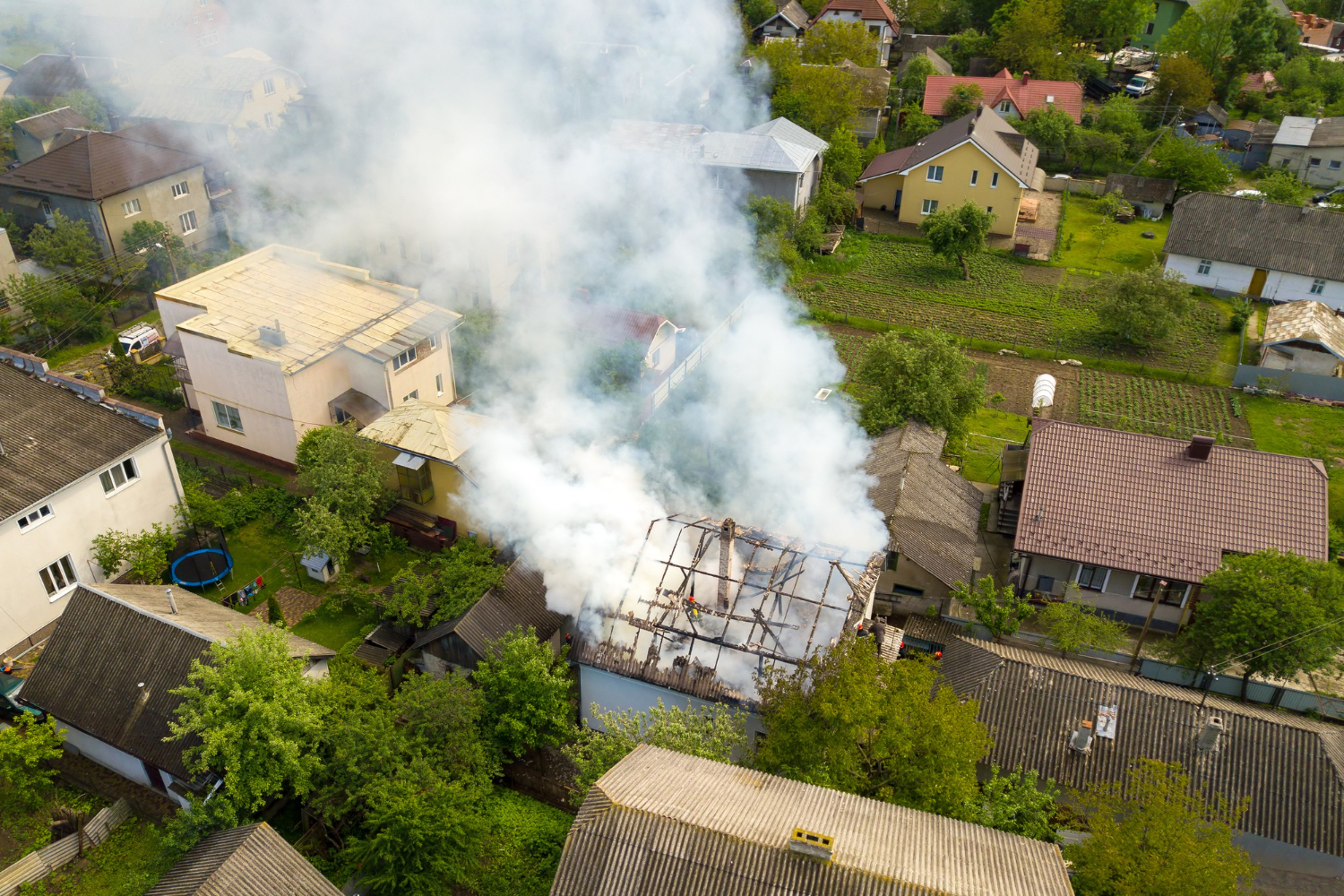
Professional smoke odor removal services use special equipment and methods to eliminate smoke smells at their source, not just cover them up. Simple air fresheners or sprays only mask the problem for a short time. Without proper treatment, smoke particles keep releasing bad smells into your space for weeks or months.
Smoke odors can stick around long after a fire, cooking accident, or cigarette use. These smells don't just sit on surfaces. They sink deep into carpets, walls, furniture, and even air ducts, making them hard to remove with regular cleaning products.
This guide will help you understand what causes smoke odors to linger, when you need expert help, and how professionals remove these stubborn smells for good.
Here's what you need to know:
- Understanding smoke odor in homes and businesses
- Signs you need professional smoke odor removal
- Professional smoke odor removal techniques
- Choosing the right smoke odor removal service
- Preventing future smoke odors
Keep reading! You'll also learn how to pick the right service and stop smoke odors from coming back.
Understanding smoke odor in homes and businesses
Smoke particles are microscopic and travel deep into building materials, making them difficult to remove without professional help. These particles carry harmful chemicals that affect both property value and health.
How smoke penetrates walls, furniture, and HVAC systems
Smoke particles measure less than one micron in diameter. This tiny size allows them to seep into porous materials like drywall, wood, fabric, and insulation. When smoke enters your building, it doesn't just float on surfaces.
The particles travel through microscopic cracks and openings. They settle deep inside walls, under paint, and within carpet fibers. Your HVAC system spreads smoke throughout your entire property by pulling contaminated air through ductwork, filters, and vents.
Common materials that trap smoke:
- Drywall and plaster
- Ceiling tiles and insulation
- Upholstered furniture and curtains
- Carpets and padding
- Wood surfaces and cabinets
Your heating and cooling system becomes a storage area for smoke residue. The particles stick to duct walls and get pushed back into rooms each time the system runs. This creates a cycle where the odor never fully goes away.
Common sources of smoke odors
Cigarette and tobacco use creates one of the most persistent smoke problems. The tar and nicotine in tobacco smoke create yellow stains and strong odors that bond to surfaces. Kitchen fires and cooking accidents release grease-based smoke that penetrates nearby rooms.
House fires leave behind the most severe smoke damage. Even small fires create soot and odor that spreads far beyond the burned area. Fireplace use can cause smoke problems when chimneys don't draft properly or when doors are opened too soon.
Wildfires send smoke into buildings through small gaps around windows and doors. Neighbors who smoke nearby can affect your indoor air quality through shared walls or ventilation systems.
Health risks associated with lingering smoke
Smoke residue contains over 7,000 chemicals. At least 70 of these chemicals are known to cause cancer. You breathe in these toxic particles every day when smoke odor remains in your building.
According to the CDC, cigarette smoke contains more than 7,000 chemicals and at least 69 of them can cause cancer, which is why lingering smoke contamination should be treated as more than a nuisance odor and addressed with true smoke remediation techniques
Health problems linked to smoke exposure:
- Respiratory issues and asthma attacks
- Eye, nose, and throat irritation
- Headaches and dizziness
- Increased risk of heart disease
- Cancer risk from long-term exposure
Children and elderly people face higher risks from smoke contamination. Their bodies are more sensitive to chemical exposure. Employees working in smoke-damaged buildings may experience reduced productivity and increased sick days. The chemicals in smoke residue remain active for months or years without proper removal.
Signs you need professional smoke odor removal
Smoke damage goes beyond what you can see on surfaces. Professional help becomes necessary when odors won't go away with basic cleaning, when visible residue covers your walls and furniture, or when the air quality causes physical discomfort.
Persistent odors after a fire or cooking incident
Smoke smell that stays in your home after you've cleaned and aired out the space indicates deep penetration into porous materials. The odor embeds itself in carpets, upholstery, drywall, and even inside your HVAC system. You might notice the smell gets stronger when you turn on the heat or air conditioning.
Standard cleaning products and air fresheners only mask the problem temporarily. The smoke particles bond with surfaces at a molecular level, which means surface-level cleaning won't eliminate them. You'll find the smell returns within hours or days after your cleaning attempts.
Common signs the odor is too deep for DIY methods:
- Smell intensifies in humid conditions
- Different rooms have varying levels of odor
- Fabrics and furniture retain the smell after washing
- The odor has lasted more than two weeks despite cleaning efforts
Discoloration or soot buildup
Yellow or brown stains on your walls and ceilings signal smoke residue has settled into the paint and building materials. Soot leaves a greasy, black film on surfaces that smears when you try to wipe it away. These stains contain harmful chemicals and particles that continue releasing odors over time.
Cigarette smoke creates a sticky tar residue that turns white walls yellow and leaves a film on windows and mirrors. Fire smoke produces different types of residue depending on what burned. You might see heavy black soot in some areas and lighter discoloration in others.
Attempting to paint over smoke damage without proper treatment will fail. The stains and odors bleed through new paint within weeks. Professional removal involves specialized cleaning agents that break down the residue before any restoration work begins.
Irritation to eyes, nose, or throat
Physical symptoms from smoke exposure mean harmful particles remain in your indoor air. Your eyes might water or feel scratchy when you're inside. Your throat could feel dry or irritated, and you might cough more than usual. These reactions happen because smoke particles and chemicals irritate your respiratory system and mucous membranes.
People with asthma, allergies, or other respiratory conditions often experience worse symptoms. Children and elderly family members are more vulnerable to smoke-related air quality problems. The irritation can persist for months if the source isn't properly removed.
Air purifiers and open windows provide temporary relief but don't eliminate the problem. The particles remain embedded in your home's materials and continue affecting your health. Professional removal targets the source of contamination rather than just filtering the air.
Professional smoke odor removal techniques
Professionals use advanced equipment and methods to eliminate smoke odors at their source rather than just covering them up. These techniques target smoke particles that settle deep into surfaces, fabrics, and air systems throughout your property.
Ozone and thermal fogging treatments
Ozone generators work by producing ozone molecules that attach to smoke particles and neutralize odors at a molecular level. This treatment penetrates areas that basic cleaning cannot reach, including wall cavities and ductwork. Your restoration team will seal off the treated area and run the ozone generator for several hours while the space remains unoccupied.
Per the U.S. EPA, ozone generated by some air-cleaning devices is a lung irritant, and there is greater concern when ozone is intentionally introduced into indoor air, so ozone-based smoke smell elimination must be handled by trained professionals with proper safety controls and re-occupancy procedures.
Thermal fogging involves heating a deodorizing solution until it becomes a fine mist that spreads throughout your property. The heated particles follow the same path as smoke did during the fire, reaching into cracks, crevices, and porous materials. This method pairs the deodorizer with smoke particles to neutralize them effectively.
Both treatments require professional handling because the equipment must be calibrated correctly. Your technicians will determine treatment duration based on the severity of smoke damage and the size of affected areas.
Deep cleaning of surfaces and fabrics
Smoke damage cleaning requires removing residue from every surface in your home or business. Professionals use specialized cleaning agents designed to break down tar and soot without damaging materials. Walls, ceilings, and hard surfaces get wiped down with these solutions to remove visible staining and embedded particles.
Your furniture, curtains, and carpets absorb smoke particles deep into their fibers. Restoration teams use hot water extraction and steam cleaning to pull these particles out. Some items may need off-site cleaning in specialized facilities if the damage is severe.
Air scrubbers with HEPA filters run continuously during the cleaning process to capture airborne particles. This prevents smoke particles from resettling on freshly cleaned surfaces.
According to the U.S. EPA, a HEPA filter can theoretically remove at least 99.97% of airborne particles sized 0.3 microns, which supports the use of HEPA air scrubbers during professional smoke odor removal to reduce airborne particulate while deep cleaning removes residue from surfaces.
HVAC system cleaning to remove trapped smoke particles
Your heating and cooling system circulates smoke particles throughout your property if left uncleaned. Smoke remediation techniques include thoroughly cleaning all ductwork, vents, and HVAC components. Technicians remove and clean or replace air filters that have trapped smoke particles.
The blower motor, evaporator coils, and other internal components get detailed cleaning to eliminate residue. Your ductwork receives specialized attention because smoke particles coat the interior surfaces and continue releasing odors when air flows through the system.
Professional teams may use duct-mounted air purification systems as an additional measure. These devices help capture any remaining particles and improve your indoor air quality after the main smoke smell elimination work is complete.
Choosing the right smoke odor removal service
Professional smoke odor removal requires specific skills and equipment that not all restoration companies possess. The right service provider will have proper certifications, use proven methods, and help you work through insurance claims efficiently.
Qualifications and experience to look for
IICRC certification is the industry standard for fire restoration services. This certification means technicians have received training in proper smoke damage restoration techniques. You should verify that any company you consider holds current IICRC credentials.
Experience with your specific type of smoke damage matters. Cigarette smoke requires different treatment than fire damage. Ask how long the company has been in business and how many similar projects they have completed.
Licensed and insured companies protect you from liability. Request proof of both general liability insurance and workers compensation coverage. A legitimate professional smoke odor removal company will provide this documentation without hesitation.
Check for specialized equipment and methods. Effective companies use ozone treatments, thermal fogging, and air scrubbers. They should explain which techniques they will use for your situation and why those methods work best.
Questions to ask your restoration company
Request a detailed written estimate before work begins. The estimate should list all services, equipment, and expected timeline. Ask about additional costs that might come up during the project.
Find out what their process includes. A complete smoke odor removal plan addresses walls, ceilings, flooring, HVAC systems, and contents. The company should test air quality before and after treatment to confirm odor elimination.
Ask about their availability and response time. Smoke damage worsens over time as particles settle deeper into materials. Companies that offer 24/7 service can start work faster and prevent further damage.
Request references from recent projects similar to yours. Speaking with past clients gives you insight into their work quality and customer service.
Working with insurance for fire or smoke damage
Most fire restoration services work directly with insurance companies. Ask if the company has experience filing claims with your specific insurer. This experience speeds up approval and payment processes.
Document everything before restoration begins. Take photos and videos of all damaged areas. Keep receipts for temporary housing, meals, and other expenses related to the smoke damage.
Your restoration company should provide detailed invoices and reports for your insurance claim. These documents must clearly show what work was performed and why it was necessary. Request copies of all paperwork for your records.
Contact your insurance adjuster as soon as possible after discovering smoke damage. Many policies have strict reporting deadlines. Your restoration company can coordinate directly with the adjuster to assess damage and approve work.
Preventing future smoke odors
Taking steps to prevent smoke odors before they start saves time and money on professional removal services. Regular upkeep of home systems and quick response to smoke events keeps your space fresh.
Regular maintenance and smoke detectors
Smoke detectors do more than alert you to fires. They help you catch smoke problems early before odors set into walls, furniture, and fabrics.
Replace smoke detector batteries twice a year. Test each detector monthly by pressing the test button. If a detector is more than 10 years old, replace the entire unit.
Check your fireplace and chimney annually. Built-up creosote creates smoke that spreads odors through your home. A professional chimney sweep removes this buildup and checks for damage that could let smoke escape into living areas.
Clean your dryer vent every six months. Lint buildup can cause fires that produce heavy smoke. Inspect the vent hose for cracks or disconnections that might release smoke into your home during normal dryer use.
Proper ventilation and air purification
Good airflow stops smoke particles from settling on surfaces. Opening windows during cooking or candle use pushes smoke outside instead of letting it absorb into your belongings.
Install exhaust fans in your kitchen and bathrooms. Turn on the kitchen fan before you start cooking, especially when frying or grilling indoors. Let it run for 10 minutes after you finish cooking.
Use HEPA air purifiers in rooms where smoke might occur. These filters trap tiny smoke particles before they spread. Place one near your kitchen and another in any room where people smoke or burn candles.
Change HVAC filters every 1-3 months. Dirty filters cannot trap smoke particles effectively. Use filters rated MERV 11 or higher to catch more smoke and prevent it from circulating through your home.
Quick cleanup after minor smoke incidents
Fast action after small smoke events prevents lasting odors. Most smoke smells become permanent when you wait more than 24 hours to clean.
Wipe down hard surfaces immediately with a mixture of white vinegar and water. This includes countertops, walls, appliances, and cabinets near the smoke source. Open all windows and doors to create cross-ventilation.
Wash fabric items within 24 hours. This includes curtains, throw pillows, blankets, and clothing exposed to smoke. Add a cup of white vinegar to the wash cycle to help break down smoke particles.
Vacuum upholstered furniture and carpets with a HEPA vacuum. Sprinkle baking soda on these surfaces first, let it sit for 15 minutes, then vacuum thoroughly.
Conclusion
Smoke odors are stubborn and can affect your comfort and air quality. They don't go away with simple air fresheners or open windows.
Professional smoke odor removal services use specialized equipment and techniques to eliminate the smell at its source. These experts understand how smoke particles embed themselves in walls, carpets, and furniture. They can remove odors that you can't tackle with regular cleaning products.
You need the right approach to deal with smoke odors permanently. Professional services combine deep cleaning, odor-neutralizing technology, and proper air filtration. This comprehensive method addresses the problem from multiple angles.
The investment in professional removal pays off through lasting results. Your space becomes fresh and comfortable again. The air quality improves, making your environment healthier for everyone.
When you're ready to eliminate smoke odors from your property, professional services offer the most effective solution. They have the expertise and tools needed to restore your space completely.
Schedule an on-site assessment with Michaelis Corp for smoke damage cleaning and professional smoke odor removal so technicians can deodorize porous materials and HVAC components and confirm the odor is eliminated, not masked.



.avif)