

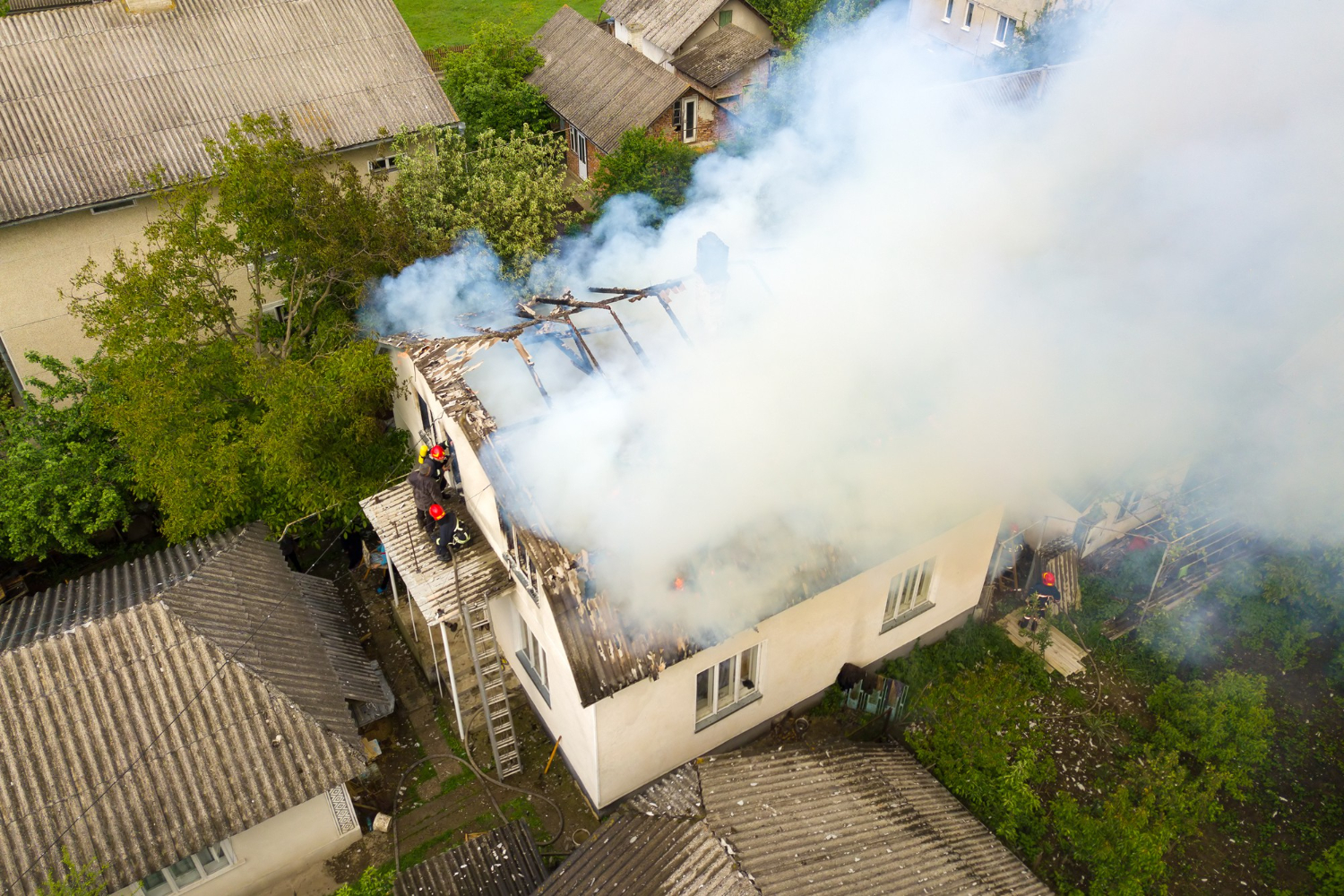
Fire damage cleanup is a detailed process that removes soot, eliminates smoke odors, repairs water damage, and restores your property to a safe, livable condition.
A fire in your home or business leaves behind more than just flames and ashes. Smoke, soot, and water from firefighting efforts create layers of damage that affect walls, furniture, and even the air you breathe. Acting quickly and correctly after a fire can mean the difference between saving your property and losing it to further damage.
Smoke and firefighting water can damage items that never burned; according to the U.S. Fire Administration (USFA), after a fire you may find belongings “not damaged by the fire” are still ruined by smoke and may be soaked by water used to extinguish the fire, and firefighters may also break windows or cut openings to fully extinguish hidden fire.
You might feel tempted to start cleaning right away, but fire damage requires specific knowledge and tools to handle safely. Some materials need special treatments, while others may be too damaged to save.
This guide walks you through the entire process, from what happens in the hours after a fire to why professional help often makes the biggest difference in getting your space back to normal.
Through the topics below, you’ll learn what to do immediately after a fire and how professional restoration supports a complete recovery:
- Fire damage cleanup to restore your property safely and efficiently
- What fire damage cleanup involves
- Common types of fire damage
- The professional fire damage cleanup process
- Why professional fire damage cleanup matters
- Fire damage cleanup vs DIY attempts
- What to do immediately after a fire
- Why choose Michaelis Corporation for fire damage cleanup
Keep reading! Understanding what fire damage cleanup involves helps you make smart choices about your property's recovery.
Fire damage cleanup to restore your property safely and efficiently
Fire damage cleanup requires immediate action to prevent further harm to your property. The faster you begin the restoration process, the better your chances of saving items and reducing costs.
Safety comes first in every cleanup situation. You should never enter a fire-damaged property until authorities confirm it's structurally safe. Wear protective gear like gloves, masks, and boots when you start working.
The cleanup process includes several important steps:
- Assessment and documentation - Identify all damaged areas and take photos for insurance claims
- Water removal - Extract water left behind from firefighting efforts
- Soot and smoke removal - Clean all surfaces affected by smoke residue
- Odor elimination - Remove lingering smoke smells from materials and air
- Structural repairs - Fix or replace damaged walls, floors, and ceilings
You need to act quickly because soot and smoke can cause permanent damage within hours. These substances are acidic and continue eating away at surfaces even after the fire stops.
Professional restoration teams have specialized equipment to handle each cleanup stage. They use industrial fans for drying, HEPA vacuums for soot removal, and thermal foggers for odor treatment.
Your insurance company should be contacted right away. Keep all receipts and document every step of the cleanup process. This information supports your claim and helps you get proper compensation.
Some items can be saved through professional cleaning, while others may need replacement. Porous materials like carpets and upholstery often absorb too much smoke to be salvaged.
What fire damage cleanup involves
Fire damage cleanup addresses the destruction left by flames, heat, smoke, and the water used to extinguish the fire. The process requires immediate action to prevent further harm and involves specialized steps that go beyond basic cleaning.
Post-fire debris cleanup can re-suspend fine ash/soot indoors unless it’s handled carefully; according to the U.S. EPA, after smoke clears you may need to clean up ash and should take steps that reduce tracking ash indoors and limit ash becoming airborne in indoor air while cleaning.
Fire, smoke, and soot damage explained
Fire creates three distinct types of damage that require different cleanup methods. Direct flame damage burns and destroys materials like wood, drywall, and personal belongings. Heat damage warps and melts items even when flames never touch them, affecting plastics, metals, and structural components.
Smoke damage penetrates deep into porous surfaces. It stains walls, ceilings, and fabrics while leaving behind strong odors. Smoke travels through your entire home, damaging rooms far from the fire's origin.
Soot is a black or brown residue that coats surfaces after a fire. It contains acids that corrode materials and create health risks when inhaled. Different fires produce different types of soot. Protein fires leave a nearly invisible film, while synthetic materials create thick, greasy soot that smears when wiped.
Water and chemical damage from firefighting efforts adds another layer of problems. This moisture seeps into floors, walls, and furniture, leading to mold growth within 24 to 48 hours if not addressed.
Why immediate cleanup is critical
Time works against you after a fire. Soot acids begin corroding metal surfaces, tarnishing fixtures, and permanently staining materials within hours. The longer soot sits on surfaces, the harder it becomes to remove.
Smoke odors set into porous materials quickly. Fabrics, carpets, and drywall absorb these smells, making them nearly impossible to eliminate without professional treatment after just a few days.
Water damage from firefighting escalates rapidly. Wet materials start warping and swelling immediately. Mold spores begin colonizing damp areas within one to two days, creating health hazards and structural issues.
Your property remains vulnerable to additional damage after a fire. Broken windows and damaged roofs expose your home to weather, animals, and potential intruders. Securing the property protects what remains and prevents insurance complications.
Fire damage cleanup vs full restoration
Fire damage cleanup focuses on making your property safe and removing immediate hazards. This includes boarding up openings, extracting water, removing debris, and cleaning soot from surfaces. Cleanup addresses the urgent threats to your health and property.
Full restoration rebuilds your home to its pre-fire condition. This involves repairing structural damage, replacing destroyed materials, and reconstructing rooms. Restoration includes installing new drywall, flooring, cabinets, and fixtures.
Key differences:
- Cleanup removes damage and prevents further harm
- Restoration repairs and rebuilds what was lost
- Cleanup happens first and takes days to weeks
- Restoration follows cleanup and can take months
Most fire-damaged homes need both services. You cannot begin restoration until cleanup removes all soot, smoke residue, and moisture. Some properties with minor damage may only require cleanup, while severe fires demand complete restoration.
Common types of fire damage
Fire damage affects your property in multiple ways beyond the flames themselves. The damage can show up as structural problems, persistent odors, corrosive residue, and water-related issues from putting out the fire.
Structural fire damage
Flames and extreme heat can weaken the core components of your home. Wood beams may char and lose their ability to support weight. Steel supports can bend or warp when exposed to high temperatures. Concrete can crack and crumble from thermal stress.
Your walls, floors, and ceilings might look stable but could have hidden damage. The heat penetrates deep into materials, creating weak spots that aren't visible on the surface. Load-bearing walls and support columns need careful inspection because they hold up your entire structure.
Foundation damage occurs when extreme heat causes the materials to expand and contract rapidly. This movement creates cracks and shifts in your home's base. Your roof structure can suffer severe damage too, with rafters and trusses losing their strength.
Professional assessment is necessary to identify all structural damage. Some problems won't show up for weeks or months after the fire.
Smoke and odor damage
Smoke travels throughout your entire property, even reaching rooms far from the fire. It seeps into walls, furniture, carpets, and clothing. The smell can last for months without proper treatment.
Different materials produce different types of smoke. Burning plastic creates a strong chemical odor that clings to surfaces. Wood smoke has a different composition and requires specific cleaning methods. Synthetic materials release toxic particles that penetrate porous surfaces.
Your HVAC system spreads smoke and odors through air ducts. The particles settle in vents and filters, continuously releasing the smell when you run your heating or cooling. Smoke residue also affects your insulation and can make air quality unsafe.
The acidic nature of smoke causes additional damage over time. It continues to corrode and stain materials long after the fire ends.
Soot residue and corrosion
Soot is a black, powdery substance that covers surfaces after a fire. It contains acids and chemicals that eat away at materials. Metal objects develop rust and corrosion within hours of exposure. Electronics stop working because soot damages their internal components.
Different types of fires create different soot:
- Dry smoke soot - Forms from fast-burning fires with high heat
- Wet smoke soot - Results from slow, low-heat fires with thick residue
- Protein residue - Nearly invisible but creates strong odors
- Fuel/oil residue - Leaves sticky, difficult-to-remove stains
Soot residue spreads easily when touched or disturbed. It smears into surfaces instead of wiping away, making DIY cleaning risky. The particles are very small and can penetrate tiny cracks and gaps.
Professional soot removal services use specialized equipment and cleaning agents. They know which methods work for each type of residue without causing more damage.
Water damage from firefighting efforts
Firefighters use large amounts of water to extinguish flames. This water soaks into your floors, walls, and belongings. Your home can suffer severe water damage even if the fire was small.
Water sits in hidden spaces like wall cavities and under flooring. It creates perfect conditions for mold growth, which can start within 24-48 hours. Mold spreads quickly and creates health problems for your family.
Your drywall absorbs water and loses its structural integrity. Wood floors can warp, buckle, and rot. Electrical systems become dangerous when exposed to water. Your insulation becomes heavy and compressed, losing its ability to regulate temperature.
The water used in firefighting often mixes with soot, ash, and chemicals. This combination creates a contaminated mess that requires professional extraction and drying equipment.
The professional fire damage cleanup process
Professional fire damage cleanup follows a systematic approach that addresses visible destruction, hidden damage, and health hazards. The process includes immediate emergency response, property securing, comprehensive cleaning, and specialized treatments to restore your home to pre-fire condition.
Emergency response and site assessment
Fire damage professionals arrive within hours of your call to begin the restoration process. They conduct a thorough inspection of your property to identify all affected areas, including hidden damage behind walls and in ventilation systems. The assessment team documents the extent of structural damage, water damage from firefighting efforts, and smoke penetration throughout your home.
During this phase, restoration experts create a detailed action plan based on the damage categories they find. They test surfaces and materials to determine which items can be salvaged and which require replacement. The team also identifies safety hazards like compromised structural elements, exposed electrical systems, and contaminated materials that need immediate attention.
Securing the property and safety measures
Board-up services protect your property from weather, theft, and further damage. Crews install temporary fencing, board windows and doors, and place tarps over damaged roofing to prevent rain infiltration. These protective measures keep your home secure while restoration work proceeds.
Safety protocols begin with shutting off utilities like gas, electricity, and water if they pose risks. The team sets up proper ventilation systems to remove harmful fumes and airborne particles. They establish containment barriers to prevent soot and smoke particles from spreading to undamaged areas during cleanup.
Personal protective equipment becomes mandatory for anyone entering the property. Professionals wear respirators, protective suits, and gloves to guard against toxic residues and contaminated surfaces.
Smoke and soot removal techniques
Smoke damage cleanup requires specialized equipment and cleaning agents designed for different surface types. Professionals use dry cleaning sponges to remove loose soot from walls and ceilings without smearing it deeper into porous materials. HEPA vacuums capture fine particles that regular vacuums would recirculate into the air.
Different cleaning methods address specific materials:
- Dry cleaning: Used for delicate surfaces and light residue
- Wet cleaning: Applied to washable surfaces with moderate damage
- Abrasive cleaning: Reserved for heavy soot buildup on durable materials
- Immersion cleaning: For smaller items that can be submerged in cleaning solutions
Restoration technicians pay special attention to HVAC systems, which can harbor soot and smoke particles. They clean or replace air filters, duct work, and vents to prevent recirculation of contaminants. Hard surfaces receive chemical treatments that break down acidic soot residues that cause ongoing corrosion.
Odor neutralization and air purification
Smoke odor removal goes beyond masking smells with air fresheners. Professional teams use thermal fogging, which releases deodorizing particles that penetrate the same areas smoke reached. Ozone generators break down odor molecules at a chemical level, though you must vacate the property during treatment.
Hydroxyl generators offer a safer alternative that works while you remain in your home. These machines produce hydroxyl radicals that neutralize odor-causing compounds without creating harmful byproducts. Air scrubbers with activated carbon filters continuously clean the air by trapping microscopic particles and odor molecules.
Surface treatments include sealing primers that lock in residual odors on walls, ceilings, and subflooring. Some materials like insulation or carpeting may require removal and replacement if odors have penetrated too deeply.
Cleaning salvageable contents
Content restoration specialists sort your belongings into categories based on damage severity and restoration potential. They pack and transport salvageable items to specialized cleaning facilities equipped with ultrasonic cleaners, ozone chambers, and controlled drying systems.
Electronics receive careful cleaning with compressed air and specialized solutions to remove conductive soot residues. Documents undergo freeze-drying or air-drying techniques based on their condition and importance. Textiles go through industrial washing with specialized detergents that break down smoke particles and neutralize odors.
Furniture requires different approaches depending on materials. Wood pieces get cleaned and refinished, while upholstered items may need deep cleaning or reupholstering. Metal objects receive rust treatment and polishing to restore their original condition.
Why professional fire damage cleanup matters
Professional fire damage restoration protects your health, prevents further property damage, and ensures proper documentation for insurance claims. Trained specialists have the equipment and knowledge to handle toxic residue, structural issues, and hidden problems that DIY cleanup cannot address safely.
Protecting health and indoor air quality
Fire damage creates serious health risks that remain long after flames are out. Soot and smoke particles settle deep into walls, carpets, and air ducts where they continue releasing harmful chemicals.
These particles cause breathing problems, eye irritation, and skin reactions when you're exposed to them. Chemical reactions during combustion release hazardous substances that stick to surfaces throughout your home.
Professional cleanup teams wear protective gear and follow safety protocols to remove these dangers. They use specialized equipment to filter air and remove contaminated materials properly. Attempting cleanup yourself without proper protection puts your family at risk of inhaling toxic substances.
Water from firefighting efforts adds another layer of health concerns. This moisture creates conditions for mold growth within 24 to 48 hours, which triggers allergies and respiratory issues.
Preventing secondary damage and corrosion
Delaying fire damage cleanup leads to more expensive repairs and longer recovery times. Smoke residue is acidic and continues eating away at metal fixtures, appliances, and electronics after the fire ends.
This corrosion spreads quickly and can destroy items that initially survived the fire. Soot also causes permanent staining on walls, ceilings, and fabrics when left untreated for even a few days.
Moisture from firefighting creates secondary damage through mold growth and structural deterioration. Professional restoration teams act fast to extract water, dry affected areas, and prevent these problems from developing. They have industrial dehumidifiers and moisture meters to detect hidden water that you might miss.
Ensuring structural safety
Fire weakens structural elements in ways that aren't always visible from the surface. Wooden beams, support columns, and load-bearing walls can be compromised even when they look intact.
Professional restoration experts assess structural integrity using specialized tools and training. They identify which materials need replacement and which can be safely restored. This evaluation protects you from potential collapse or failure of weakened structures.
Electrical and plumbing systems also require expert inspection after fire damage. Melted wiring and damaged pipes create safety hazards that need immediate attention from qualified professionals.
Insurance coordination and documentation
Professional fire damage restoration companies document every step of the cleanup process for your insurance claim. They take detailed photos, create itemized lists of damaged property, and provide written reports that insurance companies require.
This documentation helps you receive fair compensation for your losses. Restoration experts understand what insurers need and communicate directly with adjusters to speed up the claims process.
They also provide accurate estimates for repairs and replacement costs. Their experience with fire damage claims means they know how to present information that meets insurance requirements and protects your interests.
Fire damage cleanup vs DIY attempts
Cleaning up after a fire involves more than wiping down walls and removing debris. Soot particles can bond to surfaces and release harmful chemicals, while smoke penetrates deep into materials where standard cleaning methods can't reach.
Risks of improper soot removal
Soot isn't just black dust you can wipe away with a cloth. It contains acidic chemicals and toxic particles that can cause permanent damage to your home's surfaces if handled incorrectly.
When you use the wrong cleaning products or techniques, you can actually push soot deeper into porous materials like drywall, wood, and fabric. Regular household cleaners often spread soot around instead of removing it, creating smears that are harder to clean later. The acidic nature of soot means it continues to corrode and stain surfaces even after a fire is out.
Your health is also at risk during improper soot removal. Without proper protective equipment, you can breathe in toxic particles that irritate your lungs and skin. Soot contains carbon monoxide, sulfur dioxide, and other dangerous chemicals that require specific handling procedures.
Professional cleaners use specialized HEPA vacuums, chemical sponges, and pH-neutral cleaning agents designed specifically for soot removal. They work from top to bottom in a systematic way that prevents cross-contamination between clean and dirty areas.
Hidden smoke and odor issues
Smoke doesn't just leave a smell—it embeds itself into every porous surface in your home. The odor you notice is actually tiny smoke particles that have penetrated your walls, insulation, air ducts, and even inside cabinets.
Standard air fresheners and household deodorizers only mask smoke odors temporarily. Within hours or days, the smell returns because the source particles remain trapped in your home's materials. Smoke can travel through your HVAC system and deposit particles in rooms that weren't even near the fire.
Your furniture, carpets, and clothing absorb smoke in ways that regular washing can't fix. These items need specialized ozone treatment or thermal fogging to neutralize odor molecules at their source.
Professional restoration teams use thermal imaging to locate hidden smoke damage behind walls and in ceiling cavities. They also have industrial ozone generators and hydroxyl generators that break down odor molecules instead of covering them up.
When professional cleanup is required
You need professional help for any fire that required firefighter response or produced significant smoke. Structure fires create hazards that go beyond visible damage.
Water from firefighting efforts can soak into walls and floors, creating mold growth within 24 to 48 hours. Professionals have moisture meters and industrial dehumidifiers to prevent this secondary damage. They also document everything for your insurance claim with photos and detailed reports.
Call professionals immediately if you notice:
- Structural damage to walls, floors, or ceilings
- Water pooling or wet materials throughout your home
- Strong smoke odors that don't fade after ventilation
- Soot covering large areas or multiple rooms
- Damage to electrical systems or HVAC equipment
Small fires contained to one item, like a stovetop pan, might be safe for DIY cleanup if there's minimal smoke and no structural impact. Anything beyond that requires trained technicians with proper equipment and safety certifications.
What to do immediately after a fire
The first hours after a fire require quick thinking to protect yourself and your property. Your actions during this time can prevent additional harm and set the stage for a smoother recovery.
Ensuring personal safety
Your first priority is to stay safe and keep others out of harm's way. Do not enter your home until the fire department confirms it is structurally sound and free from hazards like gas leaks or electrical issues.
Once you receive clearance to enter, wear protective gear. You need sturdy boots, gloves, and an N95 mask at minimum. Burned materials release toxic particles that can damage your lungs and skin.
Smoke exposure is also an indoor-air hazard during cleanup, so respiratory protection needs to be appropriate; per the U.S. EPA, wildfire smoke contains particle pollution (soot/smoke) that can affect health, and EPA provides guidance on selecting and wearing the correct respirator mask when smoke impacts indoor air.
Check for hidden dangers before moving through your home. Look for weakened floors, damaged walls, and sagging ceilings. Avoid touching electrical outlets or appliances until a professional inspects your electrical system.
Stay away from standing water, which may be contaminated with chemicals, sewage, or electrical current. If you smell gas or notice sparking, leave immediately and call your utility company.
Contacting emergency cleanup professionals
Call a fire restoration company within 24 hours of the incident. Quick action stops soot and smoke from causing permanent damage to your walls, floors, and belongings.
These professionals have specialized equipment to remove smoke odor, clean soot, and dry out water damage from firefighting efforts. They can also secure your property with board-up services to prevent theft or weather damage.
Contact your insurance company before starting any cleanup work. Take photos and videos of all damage for your claim. Most insurance policies require you to document everything and get approval before making repairs.
Request a fire report from the fire department. Your insurance company will need this official document to process your claim and verify the cause of the fire.
Avoiding actions that worsen damage
Do not attempt to clean soot or smoke damage yourself without proper training. Using the wrong cleaning products can set stains permanently into surfaces and spread residue to unaffected areas.
Actions to avoid:
- Washing walls or ceilings without professional-grade cleaners
- Using your HVAC system, which spreads smoke particles throughout your home
- Eating any food exposed to heat, smoke, or firefighting chemicals
- Attempting to remove water damage without proper drying equipment
Leave your utilities off until professionals inspect them. Turning on electricity, gas, or water before a safety check can cause fires, explosions, or electrocution.
Do not throw away damaged items before documenting them for insurance purposes. Keep all receipts related to temporary housing, emergency supplies, and cleanup costs.
Why choose Michaelis Corporation for fire damage cleanup
Michaelis Corporation stands out as a licensed, bonded, and insured fire restoration company with a proven track record in Indianapolis and the surrounding metro area. Their family-owned business combines certified expertise with comprehensive services that address every aspect of fire recovery.
Certified fire restoration specialists
Michaelis Corporation employs trained professionals who hold certifications in fire and smoke damage restoration. These specialists understand the science behind fire damage and how different materials react to heat, flames, and smoke residue.
Your property receives attention from technicians who know how to assess structural integrity after a fire. They identify hidden damage that might not be obvious to the untrained eye. This expertise helps prevent future problems that could arise from incomplete restoration work.
The team follows industry standards and protocols for safe fire damage cleanup. They know which materials can be salvaged and which need replacement. Their knowledge extends to handling hazardous materials that fires often leave behind, including melted plastics and chemical residues.
Advanced smoke and odor removal equipment
Smoke and odor penetrate deep into walls, carpets, and furniture. Michaelis Corporation uses professional-grade equipment designed specifically for smoke odor removal. These tools include thermal foggers, ozone generators, and hydroxyl generators that neutralize odor molecules at their source.
The company's equipment reaches into porous materials where smoke particles settle. Standard cleaning methods cannot eliminate these embedded odors, but specialized restoration tools can. Your home or business won't smell like smoke after their treatment.
Air scrubbers and industrial ventilation systems help remove airborne particles during the cleanup process. This equipment protects your health and prevents smoke residue from spreading to unaffected areas.
Integrated cleanup and reconstruction services
You work with one company from start to finish. Michaelis Corporation handles both the cleanup and the rebuilding phases of fire damage restoration. This eliminates the need to coordinate between multiple contractors.
Their services include:
- Fire and smoke damage restoration
- Water damage restoration (from firefighting efforts)
- Structural repairs and reconstruction
- Contents cleaning and restoration
- Complete rebuilding when necessary
The company serves as a full-service general contractor for reconstruction work. They repair foundations, replace framing, and restore your property to its pre-fire condition. This integrated approach saves you time and reduces the stress of managing separate contractors.
Proven experience with residential and commercial fires
Michaelis Corporation has served the Indianapolis metro area for decades, handling fires of all sizes. They respond to both residential and commercial properties with the same level of professionalism.
The company has experience with complete loss situations where only the framing and foundation remain intact. They also handle smaller fires limited to single rooms or specific areas. Their team knows how to secure your property immediately after a fire with board-up services for broken windows and damaged doors.
They work directly with insurance companies to streamline your claims process. This experience helps you navigate the paperwork and documentation required for fire damage claims. You benefit from their established relationships with adjusters and their understanding of what insurance companies require for approval.
Conclusion
Fire damage cleanup requires careful planning and the right approach. You need to address soot, smoke odor, water damage, and structural issues to restore your home safely. Each step in the process matters for your property's recovery.
Your safety comes first during the cleanup process. Professionals have the training and equipment to handle hazardous materials like asbestos, lead, and toxic residue. They can also identify hidden damage that you might miss.
The restoration process takes time. You'll need to be patient as experts work through assessment, cleaning, repairs, and final inspection. Working with your insurance company and restoration professionals makes the process smoother.
Your home can return to its pre-fire condition with proper cleanup and restoration. The process may feel overwhelming, but taking the right steps helps you move forward. Trust qualified professionals to guide you through recovery and get your life back to normal.
Schedule emergency fire damage cleanup with Michaelis Corporation to secure the property, remove soot and smoke residues safely, control odors, and begin coordinated drying and restoration to reduce secondary damage.



.avif)