

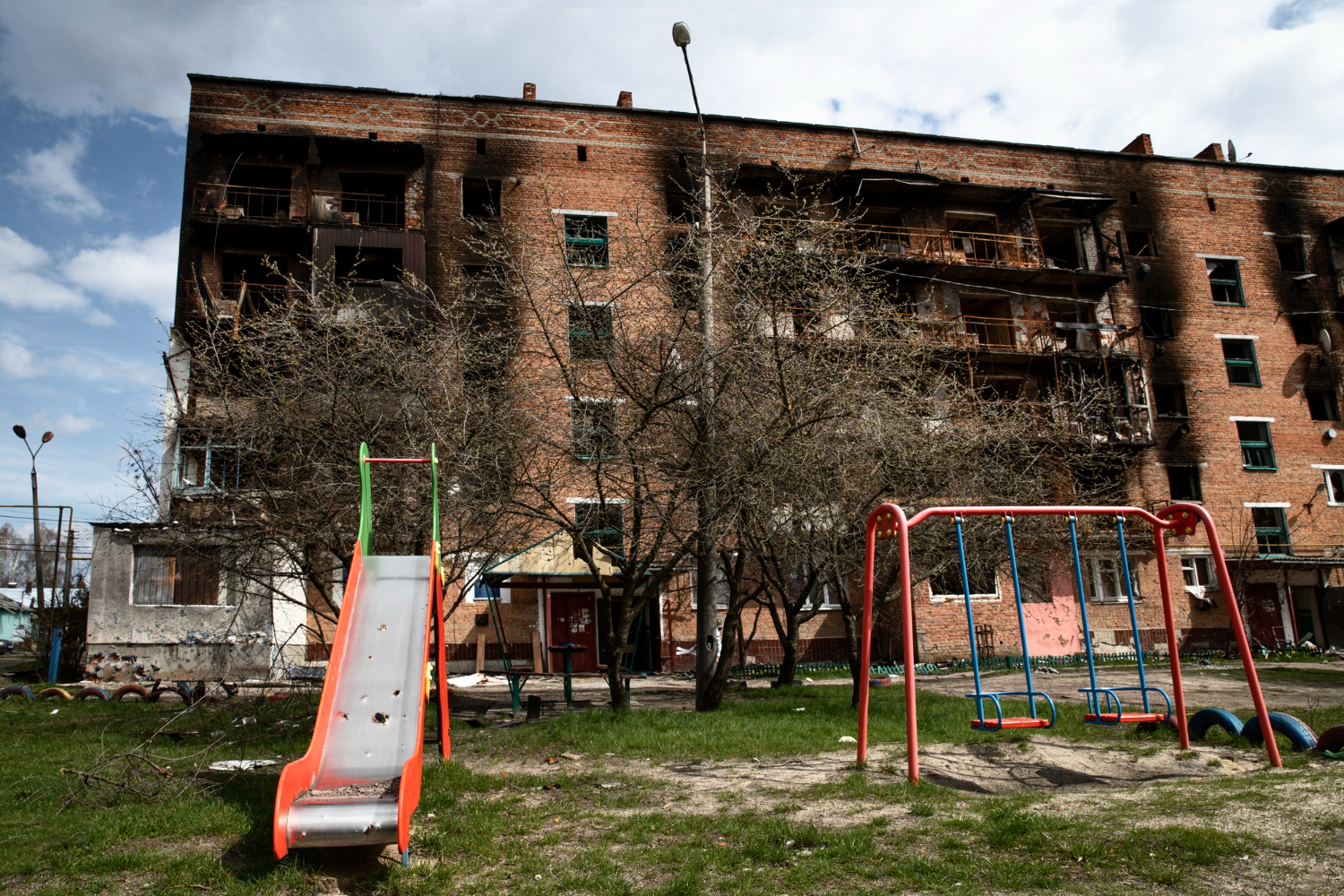
When a business faces unexpected damage from water, fire, storms, or mold, getting back to normal operations quickly becomes the top priority. Commercial restoration services help businesses recover from disasters by repairing damage, preventing further issues, and restoring properties so companies can resume their work with minimal downtime. These professional teams work around the clock to handle everything from initial assessment to final repairs.
The cost of closing your doors even for a few days can be significant. Lost revenue, frustrated customers, and disrupted operations all add up fast. That's why understanding how commercial restoration works and what to expect from these services matters for any business owner or property manager.
Whether you're dealing with an active emergency or want to prepare your business for potential disasters, knowing your restoration options helps you make smart decisions.
In this article, you’ll learn what a commercial restoration service covers, how commercial property restoration works after water, fire, or storm loss, and when business disaster recovery support is critical to reducing downtime.
Here’s what you’ll find below:
- What is a commercial restoration service?
- Common reasons businesses need commercial restoration
- Why professional commercial restoration is essential
- The commercial restoration process
- Benefits of hiring Michaelis Corp for commercial restoration
- Tips for businesses to prepare for emergencies
Keep reading! The right restoration partner can mean the difference between a quick recovery and weeks of lost business.
What is a commercial restoration service?
A commercial restoration service repairs and restores business properties after disasters like fires, floods, storms, and mold outbreaks. These professionals work to return damaged buildings to their original condition while minimizing business downtime and financial losses.
Comprehensive restoration for commercial properties
Commercial property restoration covers the complete process of repairing your business facility after unexpected damage. These services handle everything from initial damage assessment to final repairs and rebuilding.
Restoration companies evaluate the extent of damage to your property's structure, systems, and contents. They create detailed plans that outline necessary repairs, timelines, and costs. Your restoration team coordinates with insurance companies to document damage and support your claims process.
The scope of work includes repairing structural elements like walls, floors, and roofs. Teams also restore electrical systems, plumbing, HVAC units, and other critical building infrastructure. They handle cleanup, debris removal, and disposal of damaged materials according to safety regulations.
Fire, smoke, and water damage repair
Fire and smoke damage restoration addresses the immediate and hidden effects of fire incidents on your commercial building. Professionals remove soot, smoke residue, and odors from all affected surfaces and materials.
Your restoration team uses specialized equipment to clean walls, ceilings, and structural components. They treat smoke damage that penetrates deep into building materials and ventilation systems. Thermal fogging and ozone treatments eliminate persistent smoke odors.
Water damage repair tackles issues from burst pipes, flooding, roof leaks, and firefighting efforts. Technicians extract standing water using industrial pumps and vacuums. They use dehumidifiers and air movers to dry out walls, floors, and other structural elements completely.
Quick water extraction prevents secondary damage like warped floors, swollen drywall, and structural weakening. Your team monitors moisture levels throughout the drying process to ensure thorough results.
Storm and structural damage restoration
Storm damage restoration repairs your property after hurricanes, tornadoes, severe winds, and heavy precipitation. These events can compromise your building's structural integrity and create safety hazards.
Restoration professionals secure your property with emergency board-up services and temporary roof tarping. They repair or replace damaged roofs, windows, doors, and exterior walls. Your team addresses water intrusion from storm damage and prevents further deterioration.
Structural damage restoration reinforces or rebuilds compromised support beams, load-bearing walls, and foundation elements. Engineers may assess serious structural issues to determine safe repair methods. Teams ensure all repairs meet local building codes and safety standards before reopening your facility.
Mold and contamination remediation
Mold remediation removes dangerous mold growth that develops after water damage or in areas with persistent moisture problems. Restoration specialists contain affected areas to prevent mold spores from spreading throughout your building.
Your remediation team identifies the moisture source causing mold growth and fixes the underlying problem. They remove contaminated materials that cannot be salvaged, like severely damaged drywall or insulation. Professionals clean and treat affected surfaces with antimicrobial solutions.
Contamination remediation handles sewage backups, chemical spills, and other hazardous materials in your commercial property. Technicians wear protective equipment and follow strict safety protocols during cleanup. They properly dispose of contaminated materials according to environmental regulations and restore affected areas to safe, usable conditions.
Emergency mitigation and temporary repairs
Emergency mitigation services respond immediately after damage occurs to prevent further destruction to your property. Restoration companies offer 24/7 availability to address urgent situations at any time.
Your emergency team arrives quickly to assess damage and implement protective measures. They extract water, secure openings, and stabilize dangerous structural elements. These rapid actions reduce the total extent of damage and lower overall restoration costs.
Temporary repairs keep your business operational during the restoration process when possible. Teams install temporary power, water systems, or climate control to maintain essential functions. They create safe work zones that allow employees to continue critical operations while restoration work proceeds in other areas.
Common reasons businesses need commercial restoration
Businesses face various threats that can damage their property and disrupt operations. Water incidents, fire damage, severe weather, mold problems, and hazardous spills are the main situations that require professional restoration services.
Fire or smoke incidents
Fire damage goes beyond what flames destroy. Smoke particles penetrate walls, ceilings, and ventilation systems, creating lasting odors and potential health hazards throughout your building.
Your business needs specialized equipment to remove soot and smoke residue from surfaces that regular cleaning can't handle. The acidic nature of smoke damage continues to corrode materials even after the fire is out, making quick action necessary.
Water damage from firefighting efforts often causes additional problems. Sprinkler systems and fire hoses can flood your property, requiring both fire and commercial water damage repair services simultaneously.
Professional restoration teams assess structural integrity after fire incidents. They identify compromised support beams, weakened floors, and damaged electrical systems that could put your employees and customers at risk.
Flooding from broken pipes or storms
Broken pipes and leas can release hundreds of gallons of water per hour into your building. This rapid flooding damages floors, walls, inventory, and equipment within minutes.
Storm-related flooding brings additional challenges because the water often contains contaminants from outside sources. You face risks from bacteria, sewage, and debris that regular water damage doesn't include.
According to the U.S. Centers for Disease Control and Prevention (CDC), floodwaters can contain human and animal waste and other contaminants, so any water intrusion event should be treated as potentially unsanitary until proper cleanup and disinfection are completed
Your building materials absorb water quickly, leading to:
- Warped flooring and baseboards
- Damaged drywall and insulation
- Ruined electrical systems
- Destroyed inventory and documents
Commercial water damage repair requires industrial-grade extraction equipment and dehumidifiers. Standard wet vacuums can't remove enough moisture to prevent secondary damage like mold growth and structural weakening.
Time matters significantly with water damage. Every hour of delay increases restoration costs and the likelihood of permanent damage to your property.
Storm, wind, or hail damage
High winds tear off roofing materials, break windows, and damage exterior walls. Your building envelope loses its protective barrier, exposing the interior to water infiltration and further weather damage.
Hail creates punctures in roofing systems that may not leak immediately but compromise your roof's integrity. These small breaches allow water to seep into insulation and ceiling spaces over time.
Storm damage assessment requires professionals who can identify:
- Structural compromises that aren't visible from ground level
- Hidden water infiltration behind walls and under roofing
- HVAC system damage from debris or electrical issues
- Safety hazards from loose materials or unstable structures
Wind-driven rain pushes water into areas that normal precipitation doesn't reach. This includes gaps around windows, door frames, and ventilation openings.
Your insurance documentation needs proper assessment and photographic evidence of all damage before repairs begin.
Mold growth after water exposure
Mold spores start growing within 24 to 48 hours after water exposure. Your building provides ideal conditions when moisture combines with organic materials like drywall, wood, and ceiling tiles.
Per the U.S. Centers for Disease Control and Prevention (CDC), after water damage you should dry the building and affected materials as quickly as possible—ideally within 24–48 hours to reduce the likelihood of mold growth and related IAQ issues.
Visible mold represents only part of the problem. Colonies grow behind walls, under flooring, and inside HVAC systems where you can't see them. These hidden areas spread spores throughout your building via air circulation.
Health risks from mold exposure include respiratory problems, allergic reactions, and aggravated asthma symptoms. Your employees may experience reduced productivity and increased sick days when working in mold-affected environments.
Professional mold remediation involves containment procedures that prevent spores from spreading during removal. Restoration teams use specialized air filtration and antimicrobial treatments that standard cleaning methods can't provide.
Accidental chemical spills or hazardous material incidents
Chemical spills require immediate containment and specialized cleanup procedures. Different substances need specific neutralization methods and disposal protocols that comply with environmental regulations.
Your business faces legal liability if hazardous materials aren't handled properly. Improper cleanup can result in fines, lawsuits, and long-term environmental damage to your property.
Common commercial chemical incidents include:
- Industrial cleaning agents mixing accidentally
- HVAC refrigerant leaks
- Manufacturing process spills
- Fuel or oil releases in parking areas
Restoration professionals carry certifications for handling hazardous materials safely. They understand which chemicals require specific personal protective equipment and disposal methods.
The affected area often needs decontamination beyond the visible spill zone. Vapors and residues can spread through ventilation systems or absorb into porous materials, creating ongoing exposure risks for your staff and customers.
Why professional commercial restoration is essential
Professional commercial restoration protects your business from extended closures and costly damage after disasters strike. Quick action from trained experts helps you recover faster while meeting legal requirements and keeping everyone safe.
Minimizes business downtime and revenue loss
Every hour your business stays closed after a disaster means lost revenue and frustrated customers. Professional restoration teams respond quickly to assess damage and start repairs immediately. They work around the clock to get your operations back up and running.
These experts have the staff and equipment to handle multiple tasks at once. While one team removes water, another can begin drying and a third can start planning repairs. This coordinated approach cuts recovery time significantly compared to handling everything yourself.
Your restoration partner also helps you set up temporary workspaces when needed. They understand that your business can't afford to wait weeks for repairs. Fast restoration means you keep serving customers, paying employees, and maintaining your market position.
Ensures compliance with safety and insurance regulations
Commercial properties must meet strict building codes and safety standards. Professional restorers know these requirements and make sure all repairs comply with local, state, and federal regulations. They handle permits and inspections so you don't have to navigate complex bureaucratic processes.
Your insurance company requires proper documentation of all damage and repairs. Restoration professionals create detailed reports with photos, measurements, and itemized costs. This documentation supports your claim and helps you get the maximum payout you deserve.
Licensed restoration companies also carry their own insurance and bonding. This protects you from liability if workers get injured on your property during restoration work.
Prevents further property damage and liability
Water damage spreads quickly through walls, floors, and ceilings if not addressed immediately. What starts as a small leak can lead to structural problems and mold growth within 24 to 48 hours. Professional teams stop this progression by extracting water and drying affected areas fast.
Fire damage creates hidden problems beyond visible burn marks. Smoke and soot penetrate deep into building materials and ventilation systems. Restoration experts use specialized equipment to detect and clean these hidden issues before they cause long-term harm.
Unaddressed damage creates safety hazards for everyone who enters your property. Weakened structures, electrical problems, and contaminated air put you at risk for lawsuits and citations from safety inspectors. Professional restoration eliminates these dangers.
Protects employees, clients, and visitors
Your first responsibility after any disaster is keeping people safe. Professional restoration companies identify immediate hazards like structural instability, electrical issues, and air quality problems. They secure dangerous areas and begin remediation right away.
Mold and bacteria grow rapidly in wet environments and pose serious health risks. Restoration teams test for these contaminants and use proper containment methods during cleanup. They also verify that air quality meets safety standards before anyone returns to the building.
Your employees need to feel confident about returning to work after a disaster. Professional restoration shows you take their safety seriously and gives them peace of mind. Clients and visitors also notice when your property is properly maintained and restored.
Restores property efficiently and professionally
Professional restoration goes beyond basic cleanup to return your property to pre-damage condition. Teams use advanced equipment like industrial dehumidifiers, air scrubbers, and thermal imaging cameras that most businesses don't own. This technology finds hidden damage and speeds up drying and repairs.
Restoration companies maintain relationships with contractors, suppliers, and specialty vendors. They coordinate all aspects of your recovery including structural repairs, electrical work, plumbing, and finishing touches. You get one point of contact instead of managing multiple contractors yourself.
The final result meets professional standards that preserve your property value. Proper restoration maintains the integrity of your building systems and prevents future problems. Your property looks and functions as well as it did before the disaster struck.
The commercial restoration process
Commercial restoration follows a structured approach that moves from immediate damage control to complete property recovery. Each phase requires specialized expertise and equipment to return your business to full operation.
Initial assessment and damage evaluation
A professional restoration team arrives on-site to inspect the full extent of damage to your property. They document everything with photos, measurements, and detailed notes about affected areas.
The assessment covers structural elements, building systems, and inventory damage. Teams check for hidden problems like water in walls or compromised electrical systems that aren't immediately visible.
You receive a comprehensive report that outlines the scope of work needed. This documentation helps your insurance company process claims faster and establishes clear expectations for the restoration timeline.
The evaluation determines which restoration methods will work best for your specific situation. Different types of damage to office buildings or retail spaces require different approaches.
Emergency mitigation and cleanup
Restoration crews begin immediate work to prevent additional damage from spreading. They extract standing water, board up broken windows, and secure your property from weather or unauthorized access.
Teams remove damaged materials that can't be saved and sort items that can be restored. Quick action during this phase reduces total repair costs and shortens business downtime.
Common mitigation steps include:
- Water extraction and dehumidification
- Debris removal and disposal
- Temporary power and climate control setup
- Content pack-out and storage
The cleanup process removes soot, contaminated materials, and damaged building components. Crews use industrial equipment to dry out affected areas and prevent secondary damage like mold growth.
Structural stabilization and repairs
Engineers assess load-bearing walls, floors, and roof systems to identify structural concerns. Any compromised elements receive immediate reinforcement to make the building safe for workers and future occupants.
Contractors repair or replace damaged framing, foundation elements, and support systems. This phase ensures your building meets all safety codes before other restoration work continues.
Office building restoration often requires coordination with local building departments for permits and inspections. Your restoration company handles these requirements as part of the stabilization process.
Major repairs might include concrete work, steel reinforcement, or complete reconstruction of damaged sections. The goal is returning structural integrity to pre-damage levels or better.
Per OSHA, employers must control exposure to respirable crystalline silica and ensure workers are not exposed above the permissible exposure limit (PEL) of 50 μg/m³ as an 8-hour time-weighted average, which is especially relevant during demolition, concrete cutting, and reconstruction activities.
Mold remediation and sanitization
Restoration teams test for mold growth that often develops after water damage or in areas with high humidity. They identify the type and extent of contamination before starting removal work.
Remediation involves:
- Containment barriers to prevent spore spread
- HEPA filtration and negative air pressure
- Removal of contaminated materials
- Antimicrobial treatment of affected surfaces
Technicians clean and disinfect all surfaces to eliminate bacteria, viruses, and other contaminants. This step is critical for maintaining a healthy environment for employees and customers.
The team verifies successful remediation through post-treatment testing. You receive documentation showing your property meets safety standards before restoration continues.
Complete restoration to pre-damage condition
Final restoration work rebuilds your property to match or exceed its condition before the damage occurred. This includes installing new drywall, flooring, ceiling systems, and fixtures.
Contractors handle painting, trim work, and finishing touches that make spaces look new again. They coordinate with electricians, plumbers, and HVAC technicians to restore all building systems.
Your restoration company can work with your existing vendors or provide full turnkey service. They ensure all work meets building codes and matches your property's original specifications.
The final walkthrough confirms all repairs meet quality standards and your approval. You receive warranty information and documentation for insurance purposes before your business reopens.
Benefits of hiring Michaelis Corp for commercial restoration
Michaelis Corp brings 30 years of experience serving Indiana businesses with licensed, bonded, and insured restoration services. Their team combines rapid emergency response with comprehensive restoration expertise to get your business back to normal operations quickly.
Licensed and certified restoration experts
Michaelis Corp operates as a fully licensed, bonded, and insured general contractor. This means you work with professionals who meet industry standards and legal requirements for commercial restoration work.
Their team specializes in multiple restoration services including fire damage, water damage, storm restoration, waterproofing, and mold remediation. Each service requires specific knowledge and training that their certified experts provide.
The company's decades of experience in commercial property restoration gives them deep understanding of building codes, safety regulations, and proper restoration techniques. You don't need to worry about substandard work or compliance issues when you hire qualified professionals.
24/7 emergency response
Your business can't wait for normal business hours when disaster strikes. Michaelis Corp provides round-the-clock emergency response services every day of the year.
Their rapid response team arrives within hours of your initial contact. This quick action helps prevent further damage to your property and reduces total restoration costs.
The 24/7 availability means you can reach their team immediately when you discover water damage at midnight or fire damage on a holiday. Fast response times directly impact how quickly your business can resume normal operations.
Comprehensive, end-to-end restoration solutions
Michaelis Corp handles every phase of commercial restoration as a full-service general contractor. You work with one company from initial damage assessment through final repairs.
Their services cover:
- Fire damage restoration - smoke removal, structural repairs, odor elimination
- Water damage restoration - extraction, drying, repairs
- Storm damage repairs - roof repairs, structural restoration
- Mold remediation - testing, removal, prevention
- Waterproofing - protection against future damage
This comprehensive approach eliminates the hassle of coordinating multiple contractors. You get consistent quality and communication throughout the restoration process.
Assistance with insurance claims
Dealing with insurance claims adds stress during property damage emergencies. Michaelis Corp works directly with your insurance company to streamline the claims process.
Their team documents damage thoroughly and provides detailed assessments that insurance adjusters need. This documentation helps support your claim and reduces back-and-forth communication.
You benefit from their experience working with various insurance providers. They understand what information insurers require and how to present restoration plans that meet policy requirements.
Focus on minimizing operational downtime and protecting assets
Michaelis Corp understands that every day your business stays closed costs you money. Their restoration approach prioritizes getting your operations running again as quickly as possible.
The team develops restoration plans that allow partial business operations when feasible. They can isolate damaged areas so undamaged sections remain accessible for your work.
Their efficient restoration process uses advanced equipment and proven techniques to complete work faster without sacrificing quality. You get your property restored properly while reducing the financial impact of extended closures.
The company also takes steps to protect your remaining assets during restoration work. They secure your property, salvage undamaged items, and prevent additional damage during repairs.
Tips for businesses to prepare for emergencies
Business preparedness requires concrete planning across multiple areas including continuity strategies, regular property checks, adequate insurance, staff training, and asset documentation. These steps help reduce damage and speed up recovery when disasters strike.
Develop a business continuity plan
A business continuity plan outlines how your company will operate during and after an emergency. Start by identifying your most important business functions and the resources needed to keep them running. Document alternative ways to deliver your services if your primary location becomes unavailable.
Include contact information for employees, vendors, suppliers, and customers in your plan. List backup locations where operations can continue if your main facility is damaged. Set clear recovery time objectives that specify how quickly each business function needs to resume.
Update your plan at least once per year or whenever major changes occur in your business. Assign specific roles to team members so everyone knows their responsibilities during an emergency. Store copies of your plan both digitally and physically in multiple secure locations that remain accessible during disasters.
Maintain regular property inspections
Schedule inspections of your building's roof, plumbing, electrical systems, and HVAC equipment every six months. These checks help you catch small problems before they become major issues that require extensive restoration work. Look for signs of water damage, structural weaknesses, or equipment that needs repair.
Check your fire suppression systems, smoke detectors, and emergency lighting monthly. Test backup generators and sump pumps to confirm they work properly. Inspect doors, windows, and weather stripping for gaps that could allow water or wind damage during storms.
Document your findings with photos and written notes after each inspection. Address any problems immediately rather than delaying repairs. Keep detailed maintenance records that show when work was completed and by whom.
Ensure proper insurance coverage
Review your commercial property insurance policy annually to verify coverage limits match your current property values and business assets. Standard policies may not cover floods, earthquakes, or other specific disasters common to your area. Purchase additional coverage for these risks if needed.
Key insurance considerations:
- Business interruption insurance - Covers lost income during closures
- Equipment breakdown coverage - Protects against mechanical failures
- Flood insurance - Requires separate policy from standard coverage
- Contents coverage - Protects inventory and business property
Document all your business property with photos, videos, and detailed lists. Keep these records in a safe location outside your building. Update your documentation whenever you acquire new equipment or make significant changes to your property.
Train employees on emergency procedures
Conduct emergency drills at least twice per year so employees practice evacuation routes and safety procedures. Train staff on how to shut off utilities, use fire extinguishers, and respond to specific threats your business might face. Make sure new hires receive emergency training during their first week.
Create an employee communication system that works without relying on your building's infrastructure. Collect multiple contact numbers for each employee and establish a chain of communication. Designate meeting points outside the building where staff should gather after evacuation.
Post evacuation maps and emergency contact numbers in visible locations throughout your facility. Assign specific employees to assist customers or visitors during emergencies. Review and practice your procedures regularly so they become automatic when real disasters occur.
Identify and document critical assets for restoration
Create a detailed inventory of all equipment, machinery, and assets essential to your business operations. Photograph each item and record serial numbers, purchase dates, and replacement costs. Prioritize these assets based on which ones you need first to resume business activities.
Store important documents like contracts, financial records, and legal papers in waterproof and fireproof containers. Keep digital backups in cloud storage or at an off-site location. Label all assets clearly so restoration teams can quickly identify and prioritize them.
Develop a restoration priority list that ranks assets from most to least critical. Share this information with your insurance provider and keep copies accessible to key personnel. Include vendor contact information for specialized equipment that may need expert restoration or replacement.
Conclusion
Commercial restoration services protect your business when disaster strikes. These professionals handle water damage, fire damage, mold, and other property issues that threaten your operations. You get trained experts who know how to respond quickly and fix problems the right way.
Your business benefits from fast response times and specialized equipment. Restoration companies use advanced tools to assess damage and start repairs right away. This means less downtime for your business and fewer lost sales.
When you work with professional restoration services, you protect your investment. Early intervention stops small problems from becoming expensive repairs. Your property stays in good condition, which helps attract customers and maintain property value.
Restoration professionals also handle insurance claims and documentation. This saves you time and reduces stress during an already difficult situation. You can focus on running your business while experts manage the restoration process.
Choosing the right restoration provider matters for your business recovery. Look for companies with proven experience, proper certifications, and 24/7 availability. The right partner helps your business recover faster and return to normal operations with minimal disruption.
Request a rapid on-site assessment from Michaelis Corp so your commercial restoration service can start mitigation immediately, document losses for insurance, and complete commercial water damage repair or fire and smoke damage restoration with the least operational downtime possible.



.avif)