


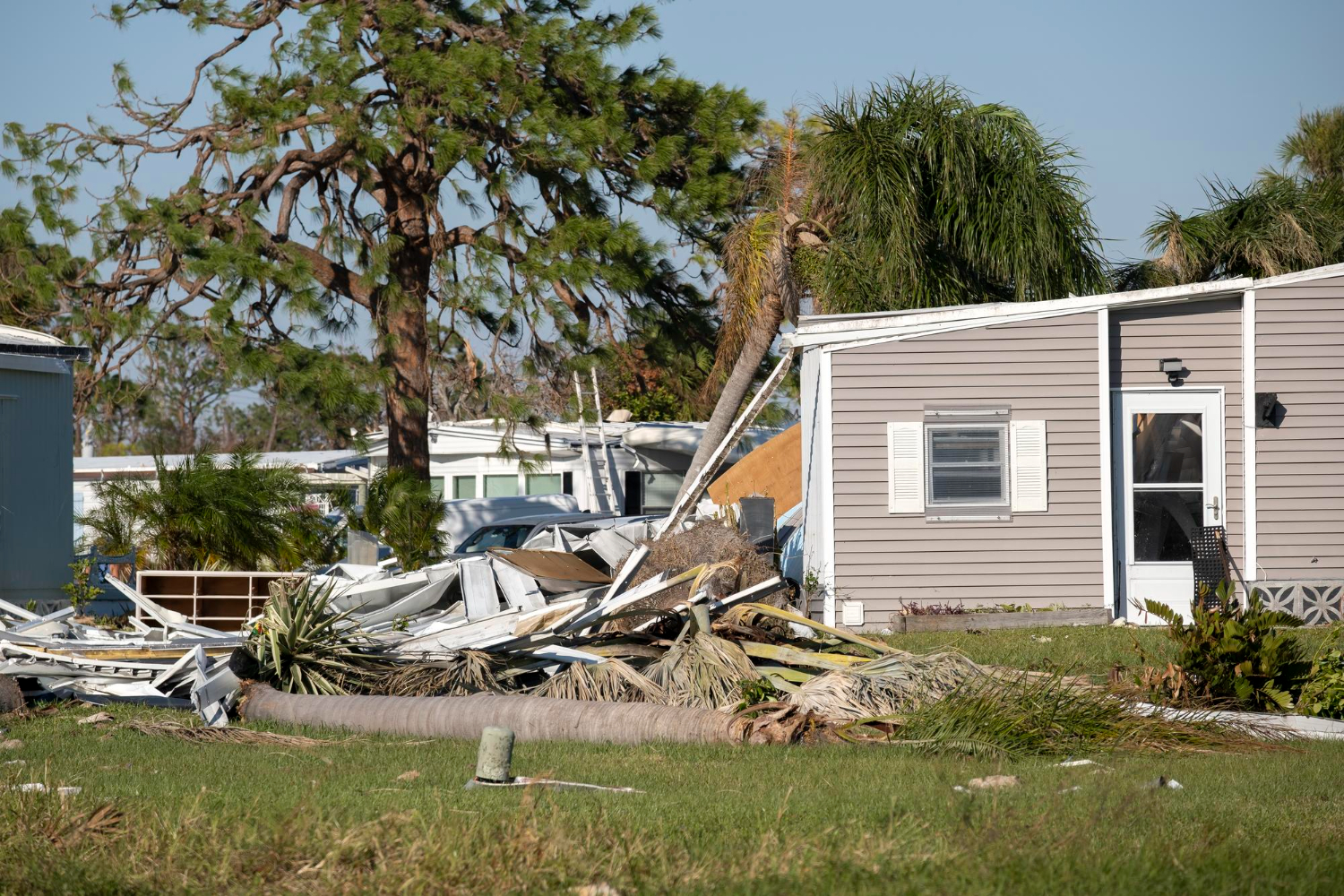
Storms can cause serious damage to homes in a matter of minutes. Strong winds, heavy rain, hail, and flying debris can harm roofs, siding, windows, and other parts of a house. Acting quickly to residential storm damage repair can prevent bigger problems like water leaks, mold growth, and structural issues that cost more to fix later.
Understanding what storm damage looks like and knowing how to handle repairs helps homeowners protect their biggest investment. Some damage is easy to spot, like missing shingles or broken windows. Other problems hide inside walls or under roofing materials where water slowly causes harm.
This guide explains everything homeowners need to know about fixing storm damage to their homes. It covers how to spot damage, what causes it, how repairs work, and when to call a professional. Learning these basics helps homeowners make smart choices after severe weather hits.
Here’s what you need to know:
- Residential storm damage repair: Protect and restore your home
- What is residential storm damage repair?
- Common signs of storm damage on your home
- Causes of residential storm damage
- How residential storm damage repair is performed
- Benefits of timely storm damage repair
- Diy vs professional storm damage repair
- How to prevent future storm damage
- Why choose Michaelis Corp for residential storm damage repair
Keep reading to learn how to handle residential storm damage repair efficiently so you can restore and protect your home after severe weather.
Residential storm damage repair: Protect and restore your home
Storm damage can affect any part of a home, from the roof to the foundation. Heavy winds, hail, and flooding create problems that need quick attention. Property owners must act fast to prevent further damage and protect their families.
Professional restoration companies offer services that address multiple types of storm damage. These teams handle water extraction, structural repairs, and mold prevention. They work directly with insurance companies to simplify the claims process.
Common types of residential storm damage include:
- Roof leaks and missing shingles
- Broken windows and damaged siding
- Water intrusion and flooding
- Structural damage to walls and foundations
- Fallen trees and debris
Most restoration services operate 24/7 for emergency situations. Certified technicians assess the damage and create a detailed repair plan. They document everything with photos and reports for insurance purposes.
Homeowners should contact restoration professionals immediately after a storm. Quick action prevents secondary damage like mold growth and structural deterioration. Waiting too long can lead to more expensive repairs and health risks.
The restoration process typically starts with temporary protection measures. Teams install tarps, board up windows, and extract standing water. They then move to permanent repairs that restore the home to its original condition.
Professional storm damage repair protects property values and keeps families safe. Experienced contractors match existing materials and maintain the home's appearance. Their work ensures long-lasting results that stand up to future weather events.
What is residential storm damage repair?
Residential storm damage repair restores homes to their original condition after severe weather causes structural or cosmetic harm. This process addresses everything from roof damage and broken windows to water intrusion and compromised foundations.
Types of storm damage affecting homes
Wind damage ranks among the most common issues homeowners face after storms. Strong winds can tear off shingles, damage siding, and send debris through windows. Trees and branches often fall on roofs, creating holes that expose the interior to water.
Water damage occurs when rain enters through compromised areas or when flooding overwhelms drainage systems. This moisture can soak insulation, warp floors, and create conditions for mold growth within 24-48 hours.
According to the U.S. Environmental Protection Agency (EPA), if wet or damp building materials are thoroughly dried within 24–48 hours after a leak or flooding event, mold will usually not have a chance to grow.
Hail causes distinct types of destruction depending on its size. It dents metal surfaces, cracks vinyl siding, and creates divots in asphalt shingles. Larger hailstones can break skylights and damage outdoor equipment.
Common storm damage types:
- Roof leaks and missing shingles
- Broken or cracked windows
- Damaged gutters and downspouts
- Dented siding and trim
- Structural issues from fallen trees
- Flooded basements and crawl spaces
Role of professional repair services
Professional repair services begin with a thorough damage assessment to identify both visible and hidden problems. Trained technicians inspect roofs, attics, walls, and foundations to document the full extent of storm damage.
These experts handle emergency protection measures to prevent additional harm. They install temporary tarps, board up broken windows, and extract standing water before it causes more destruction.
Professional teams coordinate with insurance companies to document damage and provide accurate repair estimates. They understand what insurers require and can help homeowners navigate the claims process.
Contractors complete structural repairs using proper materials and techniques that meet building codes. They replace damaged roofing, repair siding, fix windows, and restore electrical and plumbing systems affected by the storm.
Importance of timely repair to prevent further damage
Delays in addressing storm damage allow small problems to grow into major issues. A minor roof leak can spread to affect insulation, drywall, and wooden structural components within days.
Water that sits in homes creates ideal conditions for mold and mildew. These fungi can develop in just 24-48 hours and spread throughout walls and ventilation systems. Mold remediation costs significantly more than prompt water removal.
Exposed areas provide entry points for pests and animals seeking shelter. Squirrels, raccoons, and insects can cause additional damage once they establish themselves inside damaged structures.
Insurance companies often set strict deadlines for reporting damage and completing repairs. Homeowners who wait too long may find their claims denied or their coverage reduced. Quick action protects both the property and the financial investment.
Common signs of storm damage on your home
Storms can leave behind visible and hidden damage that requires immediate attention. Missing shingles, broken windows, cracked siding, and structural issues from fallen debris are the most common problems homeowners face after severe weather.
Roof damage, missing shingles, or leaks
The roof takes the hardest hit during storms with high winds and hail. Homeowners should inspect their roofs carefully after any severe weather event.
Visible signs include:
- Missing or torn shingles
- Dented or cracked roofing materials
- Granules from asphalt shingles in gutters
- Exposed underlayment or decking
Water stains on ceilings or walls inside the home indicate active leaks. These spots often appear as brown or yellow discoloration and may feel damp to the touch.
Hail creates circular dents or cracks in shingles that compromise their protective function. Wind damage typically shows up as lifted, curled, or completely missing shingles. Both types of damage allow water to penetrate the roof structure.
A professional roof inspection helps identify damage that isn't visible from the ground. Small leaks can quickly turn into major problems if water seeps into the attic or walls.
Broken or damaged windows
Storm winds and flying debris can crack, chip, or completely shatter windows. Even small cracks need immediate attention to prevent further damage.
Broken glass poses safety risks and leaves the home exposed to weather and intruders. Homeowners should check all windows, including those in hard-to-see areas like upper floors or the back of the house.
Signs of window damage:
- Visible cracks or chips in glass
- Broken or separated window frames
- Damaged or missing window screens
- Difficulty opening or closing windows
Hail often leaves small divots or chips in glass that may not be immediately obvious. These weak points can expand over time and eventually cause the entire pane to fail.
Water intrusion around window frames indicates damaged seals or caulking. This can lead to wood rot, mold growth, and energy loss.
Exterior wall or siding cracks
Siding protects the home's structure from moisture and weather damage. Storm damage to exterior walls can compromise this protection.
Vinyl siding may show cracks, holes, or sections that have been torn away completely. Wood siding can split, chip, or develop water damage. Brick and stucco walls might develop cracks or show signs of impact damage.
Hail creates dents in vinyl or aluminum siding that may not seem serious but can trap moisture. Wind can rip siding panels loose or tear them off entirely, leaving the underlying structure exposed.
Inspection points:
- Check all exterior walls for cracks or holes
- Look for loose or missing siding panels
- Examine corners and edges where damage often starts
- Feel for soft spots that indicate water damage
Damaged siding allows water to reach the home's framing and insulation. This can lead to rot, mold, and structural problems that are expensive to repair.
Fallen trees, debris, or structural damage
Large branches, trees, or storm debris can cause serious structural damage to homes. The weight of a fallen tree can damage roofs, walls, and foundations.
Heavy impacts may crack foundation walls or shift the home's structure. Even branches that seem minor can puncture roofs or damage gutters and downspouts.
Homeowners should look for sagging roof lines or walls that indicate structural stress. Doors and windows that suddenly stick or won't close properly often signal that the home's frame has shifted.
Debris in gutters and downspouts prevents proper drainage and can cause water damage. Standing water near the foundation creates risks for basement flooding and foundation problems.
Safety considerations:
- Don't approach downed power lines near debris
- Avoid walking under damaged roof areas
- Document all damage with photos before cleanup
- Contact professionals for large tree removal
Structural damage requires immediate professional assessment. Problems that seem minor on the surface may indicate serious issues with the home's stability or safety.
Causes of residential storm damage
Storms damage homes through several distinct mechanisms, each creating unique repair challenges. Wind and hail tear through roofing materials, while heavy rainfall leads to flooding and water intrusion that compromises structural integrity.
Wind and hail damage
Wind creates damage by lifting shingles, tearing off siding, and pushing debris into homes. When wind speeds exceed 50 mph, roofing materials begin to fail. Shingles lift at the edges, allowing water to seep underneath and damage the roof deck.
According to the National Oceanic and Atmospheric Administration (NOAA), a storm is considered “severe” when it produces wind gusts of at least 58 mph and/or hail one inch in diameter or larger, conditions that are strong enough to damage roofs, siding, trees, and other property.
Hail impacts surfaces with significant force, creating dents, cracks, and holes. The size of hailstones determines the severity of damage. Stones larger than one inch typically crack asphalt shingles and dent metal roofing, gutters, and vents.
Common wind damage includes:
- Missing or lifted shingles
- Damaged fascia and soffit
- Broken windows
- Displaced siding panels
Hail damage repair often requires complete roof replacement when impacts compromise the protective granule layer on shingles. Wind damage repair focuses on securing loose materials and replacing sections that have torn away completely.
Heavy rain and flooding
Water damage from storms creates the most expensive and complex repair situations. Heavy rainfall overwhelms drainage systems, causing water to pool around foundations and seep into basements. A single inch of water inside a home can cost thousands of dollars to remediate.
According to the Federal Emergency Management Agency (FEMA), just one inch of floodwater in a home can cause about $25,000 in damage, showing how even minor interior flooding can lead to major repair costs.
Saturated ground conditions allow water to penetrate through foundation cracks and basement walls. This moisture creates ideal conditions for mold growth within 24 to 48 hours. Flooded areas damage flooring, drywall, insulation, and electrical systems.
Roof leaks from damaged shingles allow water to enter attic spaces. This water travels down through ceilings and walls, damaging insulation and creating stains on interior surfaces.
Lightning strikes and fire risk
Lightning strikes deliver massive electrical surges that travel through a home's wiring, plumbing, and metal components. A single strike carries up to one billion volts of electricity. This surge damages or destroys electronics, appliances, and electrical panels.
Direct strikes can ignite fires in attics, walls, and roofing materials. The extreme heat from lightning vaporizes moisture in wood and other materials, creating steam that explodes outward. Homeowners should have electricians inspect all wiring and outlets after nearby strikes.
Power surges from lightning also damage HVAC systems, water heaters, and any device plugged into outlets during the storm.
Fallen trees or debris impact
Trees and large branches falling on structures create immediate and severe damage. The weight of a mature tree can collapse roofs, puncture walls, and destroy vehicles. Wind speeds above 40 mph can topple trees with shallow root systems or existing decay.
Fallen limbs damage gutters, chimneys, and skylights even when they don't penetrate the roof surface. The impact compresses and cracks roofing materials, creating entry points for water. Dead or diseased trees pose the highest risk during storms.
Airborne debris acts as projectiles during high winds. Loose patio furniture, trash cans, and construction materials break windows and dent siding. This debris also clogs gutters and damages HVAC units positioned outside homes.
How residential storm damage repair is performed
Professional storm damage restoration follows a structured approach that addresses both visible and hidden damage. The process involves detailed property inspections, repairs to critical exterior components, structural work, and assistance with insurance documentation.
Comprehensive inspection and assessment
The repair process begins when a certified storm damage restoration team examines the entire property. Professionals check the roof, siding, windows, gutters, and foundation for both obvious and concealed damage. They look for missing shingles, cracked siding, broken glass, water intrusion points, and structural weaknesses.
During the assessment, technicians document all findings with photographs and detailed notes. This documentation serves two purposes: it creates a repair roadmap and provides evidence for insurance claims. The inspection team also identifies safety hazards that need immediate attention.
A written estimate follows the inspection. This estimate breaks down repair costs by category and lists all necessary materials and labor. Property owners receive a clear timeline for completing each phase of work.
Roof, siding, and window repair or replacement
Roof storm repair addresses damaged or missing shingles, compromised flashing, and weakened decking. Minor damage often requires spot repairs where technicians replace individual shingles and seal vulnerable areas. Extensive damage may necessitate partial or complete roof replacement.
Home exterior repair includes fixing or replacing damaged siding materials. Crews remove broken panels, install new materials that match existing finishes, and seal all seams properly. They pay special attention to areas where water penetration occurred.
Window repairs range from simple glass replacement to full unit installation. Technicians secure broken panes, repair frames, and ensure proper sealing to prevent future leaks. Storm-damaged doors also receive attention during this phase.
Structural reinforcement and cleanup
Structural work addresses damage to support beams, wall framing, and foundation elements. Engineers assess load-bearing components and determine necessary reinforcements. Repair teams replace weakened studs, shore up sagging areas, and strengthen compromised structural elements.
Water damage remediation happens simultaneously with structural repairs. Crews extract standing water, dry affected areas with industrial equipment, and treat surfaces to prevent mold growth. They remove damaged insulation, drywall, and flooring materials.
The cleanup phase removes all debris from the property. Teams haul away damaged materials, fallen branches, and construction waste. They protect undamaged areas throughout the repair process using tarps and barriers.
Insurance coordination and claim assistance
Storm damage restoration companies typically work directly with insurance carriers. They submit documentation from the initial assessment, including photos, repair estimates, and damage inventories. This coordination streamlines the claims process for property owners.
Representatives communicate with insurance adjusters to explain repair needs and justify costs. They attend on-site meetings with adjusters and provide additional information as requested. Many companies handle claim paperwork on behalf of homeowners.
The restoration team tracks approved repairs and ensures work aligns with insurance coverage. They provide updated invoices and completion certificates required by insurance policies. This assistance helps homeowners maximize their claim benefits while avoiding out-of-pocket expenses.
Benefits of timely storm damage repair
Acting fast after a storm helps homeowners avoid serious problems and extra costs. Quick repairs stop minor damage from becoming major issues that threaten both the structure and the people living inside.
Prevents further structural damage
Storm damage gets worse when left unfixed. A small crack in the roof allows water to seep into walls and ceilings. That water weakens the wood framing and insulation over time.
Wind damage to siding creates openings for moisture to enter the home's exterior walls. This moisture causes wood rot and weakens the structural integrity of the building. What starts as a minor repair can turn into a full wall replacement if ignored for weeks or months.
Broken windows and damaged gutters also contribute to structural problems. Windows that don't seal properly let water damage the interior walls and floors. Gutters that can't drain properly cause water to pool around the foundation, leading to cracks and settling issues.
Fast action protects the bones of the house. Covering damaged areas with tarps or temporary patches stops ongoing water intrusion until permanent repairs can be completed.
Protects property value and appearance
Visible storm damage lowers home value immediately. Potential buyers see missing shingles, damaged siding, or broken windows as red flags. These issues suggest poor maintenance and hidden problems.
Unrepaired damage continues to worsen the home's appearance over time. Stains from water leaks spread across ceilings and walls. Damaged roofing materials fall off, making the problem more obvious to neighbors and passersby.
Quick repairs maintain curb appeal and market value. A home that looks well-maintained attracts better offers and sells faster than one with visible damage. Insurance companies also require homeowners to prevent further damage after a storm. Failing to make timely repairs can reduce or eliminate coverage for additional damage that occurs.
Real estate appraisers note storm damage in their reports. Even repaired damage gets documented, but active damage problems significantly decrease appraised values.
Reduces risk of mold and water damage
Water intrusion from storm damage creates mold growth within 24 to 48 hours. Mold spreads quickly through wet materials like drywall, insulation, and carpet. Once established, mold becomes expensive to remove and harmful to health.
Water damage extends beyond the initial leak point. It travels through walls, along electrical wiring, and into areas homeowners can't see. This hidden moisture causes ongoing problems that worsen daily.
Common areas affected by delayed repairs:
- Attic insulation and decking
- Wall cavities and framing
- Ceiling materials and light fixtures
- Flooring and subflooring
- HVAC ductwork and systems
Quick repairs stop moisture before it spreads. Fixing roof leaks, sealing windows, and removing standing water prevents mold spores from taking hold. Dry conditions stop mold growth and protect indoor air quality.
Ensures home safety for your family
Storm damage creates immediate safety hazards. Loose roofing materials can fall and injure people below. Damaged electrical systems increase fire and electrocution risks when exposed to water.
Weakened structures become dangerous during normal use. A compromised roof deck might collapse under someone's weight during an inspection. Damaged stairs or railings can give way without warning.
Water damage also affects air quality. Mold releases spores that cause respiratory problems, allergic reactions, and other health issues. Children and people with existing health conditions face higher risks from mold exposure.
Fast repairs eliminate these dangers quickly. Professional contractors identify and fix safety hazards first, then address cosmetic issues. This approach protects families while restoring the home to its pre-storm condition.
Diy vs professional storm damage repair
Attempting storm repairs without proper training often leads to missed structural issues and safety hazards, while professionals bring specialized tools and expertise that ensure compliance with building codes and insurance standards.
Risks of improper repair or overlooked damage
DIY storm damage repairs often miss hidden problems that trained professionals can spot. Water damage behind walls, weakened roof structures, and compromised foundations require specific knowledge to identify. Homeowners without construction experience may patch visible damage while leaving serious issues undetected.
Improper repairs create safety hazards for residents. A poorly fixed roof can collapse under future storms or regular weather conditions. Electrical systems damaged by water need expert assessment to prevent fire risks. Structural repairs done incorrectly may fail when the home faces its next weather event.
Common mistakes in DIY storm repairs include:
- Using wrong materials for roofing or siding replacement
- Failing to address moisture trapped in walls
- Missing code requirements for structural work
- Installing temporary fixes that become permanent problems
These errors often cost more to correct than hiring professionals initially. Insurance companies may deny future claims if they discover improper repairs. The homeowner becomes liable for any injuries or additional damage resulting from faulty DIY work.
Importance of specialized equipment and knowledge
Professional storm damage contractors use equipment most homeowners don't own. Moisture meters detect water in walls and ceilings that looks dry on the surface. Thermal imaging cameras reveal insulation damage and air leaks. Industrial dehumidifiers and air movers prevent mold growth after water intrusion.
Professionals understand how different building materials react to storm damage. They know which roof shingles match existing systems and meet local wind ratings. Their training covers proper flashing installation, ventilation requirements, and load-bearing calculations for structural repairs.
Storm restoration companies complete similar repairs regularly. This experience helps them work faster and avoid common pitfalls. They recognize warning signs of extensive damage that requires immediate attention versus cosmetic issues that can wait.
Compliance with building codes and insurance requirements
Storm damage repairs must meet local building codes. Professionals stay current with these regulations and obtain required permits. Code violations from DIY work can prevent home sales and void insurance coverage. Municipalities may require homeowners to tear out and redo unpermitted work.
Insurance companies often require professional documentation for claims. Contractors provide detailed estimates, photo evidence, and repair records that support reimbursement requests. They communicate directly with adjusters to explain necessary repairs and challenge low settlement offers.
Many insurance policies reduce or deny coverage for damages worsened by improper repairs. Professional contractors carry liability insurance and warranties that protect homeowners. Their work includes proper documentation that proves repairs met industry standards if future disputes arise.
How to prevent future storm damage
Taking steps now can protect a home from the next severe weather event. The right upgrades and maintenance practices reduce repair costs and keep families safer when storms strike.
Regular roof and exterior inspections
Homeowners should inspect their roofs at least twice a year, ideally in spring and fall. These inspections help catch small problems before they turn into major damage during storms.
Look for missing or damaged shingles, cracks in flashing, and signs of wear around chimneys and vents. Check gutters for proper drainage and remove any debris that could cause water backup. Sagging areas or soft spots often indicate underlying structural issues that need immediate attention.
Key inspection areas:
- Shingles and roofing materials
- Flashing around chimneys and vents
- Gutters and downspouts
- Siding and exterior walls
- Foundation cracks
Water stains on exterior walls signal potential leaks that need fixing right away. A professional roofer can spot problems that aren't visible from the ground. Early detection prevents minor issues from becoming expensive repairs after the next storm.
Strengthening windows, doors, and siding
Impact-resistant materials provide better protection against flying debris and high winds. Upgrading to storm-rated windows and doors can prevent water intrusion and structural damage.
Install storm shutters or impact-resistant window film on vulnerable windows. These additions protect glass from breaking during severe weather. Reinforce garage doors with bracing kits, as they're often the weakest point in a home's exterior.
Consider upgrading to impact-resistant siding that can withstand hail and wind-driven debris. Check all door frames and weather stripping for gaps that could let water inside. Replace worn seals around windows and doors before storm season begins.
Adding deadbolts and reinforced strike plates keeps exterior doors secure during high winds. These upgrades also improve home security year-round.
Tree maintenance and yard management
Trees within falling distance of a home pose serious risks during storms. Dead or diseased trees should be removed before severe weather arrives.
Trim branches that hang over the roof or touch the house. These branches can scrape siding, damage shingles, or break windows during high winds. Maintain at least 10 feet of clearance between tree limbs and structures.
Remove dead branches throughout the tree canopy, not just near the house. Proper pruning improves tree health and reduces the chance of limbs breaking in storms. Secure or store outdoor furniture, grills, and trash cans that could become projectiles.
Clear gutters and drainage systems of leaves and debris. Poor drainage causes water to pool near foundations, leading to flooding and structural damage.
Storm preparedness and emergency planning
Knowing what to do before, during, and after a storm minimizes damage and speeds up recovery. Keep emergency supplies stocked and accessible throughout storm season.
Create a list of important phone numbers including insurance agents, emergency services, and repair contractors. Document the home's current condition with photos and videos for insurance purposes. Store these records in a waterproof container or cloud storage.
Essential storm supplies:
- Flashlights and batteries
- First aid kit
- Battery-powered radio
- Non-perishable food and water
- Tarps and plastic sheeting
- Basic tools
Review insurance coverage annually to verify it provides adequate protection. Understand what types of damage the policy covers and the deductible amounts. Keep copies of important documents in a safe location away from the home.
Make temporary repairs immediately after storm damage occurs to prevent additional problems. Cover broken windows with plywood or tarps. Remove standing water quickly to avoid mold growth.
Why choose Michaelis Corp for residential storm damage repair
Michaelis Corp brings nearly 40 years of experience to storm damage restoration with a family-owned approach that prioritizes quick response times and complete property recovery. The company handles everything from initial damage assessment through final reconstruction while helping homeowners navigate insurance claims.
Experienced home repair and restoration specialists
Michaelis Corp has operated as a family-owned business since 1986, building expertise across multiple types of storm damage restoration. The company serves residential properties throughout the Indianapolis metro area with trained teams who understand how different weather events affect homes.
Their specialists handle damage from hail, wind, tornadoes, and tree impacts. This includes repairs to roofing, siding, windows, and structural components that storms commonly damage.
The company's experience extends beyond basic repairs. They assess the full extent of storm damage, identify hidden issues that might cause problems later, and develop complete restoration plans. This approach helps homeowners avoid incomplete repairs that lead to future expenses.
Advanced tools and professional techniques
The restoration process requires specialized equipment and methods to properly repair storm damage. Michaelis Corp uses professional-grade tools designed for accurate damage assessment and efficient repairs.
Their teams follow industry standards for restoration work. This includes proper techniques for water extraction after storm flooding, structural repairs that meet building codes, and quality materials that restore homes to their original condition.
The company handles both the visible damage homeowners can see and underlying issues that require technical expertise to detect. Their systematic approach ensures repairs address all storm-related problems.
Fast, reliable service for emergencies
Storm damage often requires immediate attention to prevent further harm to a property. Michaelis Corp provides rapid response services when storms hit the Indianapolis area.
Quick action matters after severe weather. Water intrusion can lead to mold growth within 24-48 hours. Damaged roofs expose homes to additional weather. Structural issues can worsen without prompt repairs.
The company coordinates all aspects of the restoration process to minimize disruption. They handle damage assessment, emergency repairs, insurance documentation, and complete restoration work. This integrated approach speeds up recovery and reduces the stress homeowners face after storm damage.
Local expertise and proven customer satisfaction
As an Indianapolis-based company, Michaelis Corp understands the specific weather challenges that affect homes in the region. They know local building requirements and work with area insurance providers regularly.
Customer reviews indicate positive experiences with the company's services. The business maintains a strong reputation in the community it serves.
Their local presence means faster response times and familiarity with regional storm patterns. The company serves both residential and commercial customers throughout the metro area, giving them extensive knowledge of how different properties respond to storm damage and what restoration approaches work best.
Conclusion
Storm damage to a roof requires fast action to prevent bigger problems. Homeowners should inspect their roofs right after a storm and document any damage with photos. This helps with insurance claims and shows contractors what needs fixing.
Quick action saves money. Small problems like missing shingles or minor leaks can turn into major issues if left alone. Water can get into the home and cause mold, wood rot, and damage to ceilings and walls.
Working with licensed professionals makes the repair process easier. They know how to handle insurance paperwork and can spot hidden damage that homeowners might miss. Regular roof inspections help catch small issues before they become expensive repairs.
Homeowners who act fast, document damage well, and hire trusted contractors get their roofs fixed faster. These steps protect the home from more damage and give peace of mind during stressful times.
Keeping up with routine maintenance between storms helps roofs last longer and stand up better to bad weather.
Schedule a professional residential storm damage inspection and repair with Michaelis Corp today to prevent further structural issues and protect your home.



.avif)