

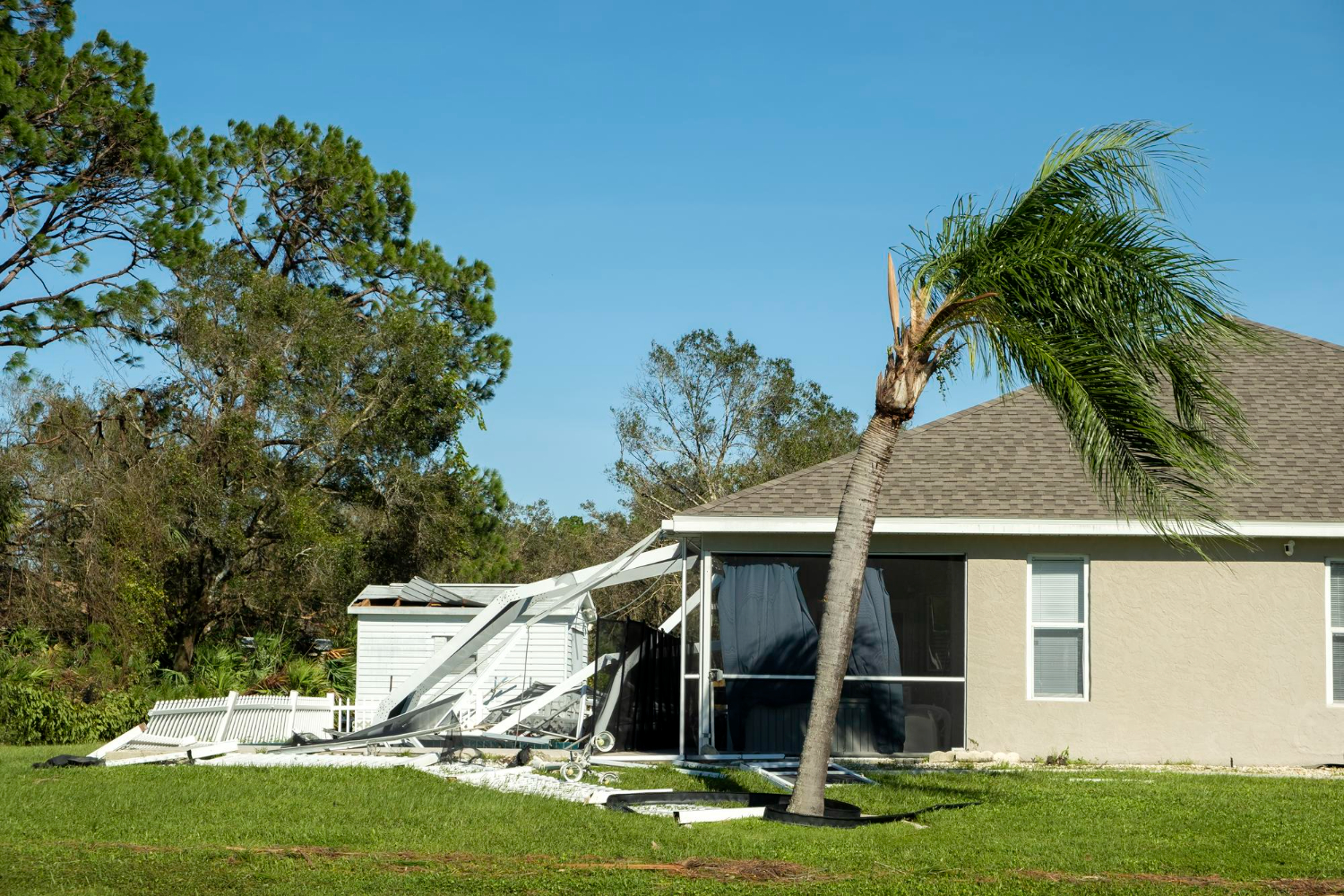
Storms can cause serious damage to homes and businesses, leaving property owners facing expensive repairs. Many people worry about the cost of fixing storm damage and wonder if they can find quality services that fit their budget. Affordable storm damage repair services help homeowners get professional repairs at reasonable prices, protecting their property without breaking the bank.
According to NOAA’s Office for Coastal Management, the U.S. has experienced 403 separate billion-dollar weather and climate disasters since 1980; tropical cyclones alone account for more than $1.5 trillion in damages.
Understanding what storm damage looks like and catching problems early can save thousands of dollars in future repairs. From roof damage and broken windows to siding issues and water intrusion, storms affect different parts of a property in different ways. Acting quickly after a storm helps prevent small problems from turning into major repairs.
Finding the right balance between cost and quality matters when choosing storm repair services. This guide explains how to identify storm damage, what affordable repair services include, and how to protect your home from future storms.
Here's what you need to know:
- Affordable storm damage repair services: Quality solutions within your budget
- Signs your home needs storm damage repair
- Common causes of storm damage
- How affordable storm damage repair services are performed
- Benefits of choosing affordable storm damage repair
- DIY vs professional affordable storm repair and why expertise still matters
- How to prevent future storm damage
- Why choose Michaelis Corp for affordable storm damage repair services
Keep reading! Knowing your options helps you make smart decisions about repairing storm damage while staying within your budget.
Affordable storm damage repair services: Quality solutions within your budget
Storm damage repair services exist at various price points, and finding affordable options doesn't mean sacrificing quality work. Professional companies offer budget-friendly solutions through DIY guidance, competitive pricing, and flexible payment plans that address damage promptly while protecting homeowners from excessive costs.
What are affordable storm damage repair services?
Affordable storm damage repair services provide professional restoration work at reasonable prices through several cost-saving approaches. These services handle water damage, structural repairs, and emergency cleanup without requiring homeowners to deplete their savings.
Many companies offer free inspections and estimates to help property owners understand repair costs upfront. This transparency allows homeowners to compare multiple quotes and select contractors who provide the best value for their specific damage.
Budget storm restoration includes options like minor DIY repairs for simple tasks alongside professional help for complex issues. Some contractors provide materials at wholesale prices or suggest cost-effective alternatives to expensive repairs.
Payment flexibility is common, with services offering insurance claim assistance, financing options, or phased repair schedules. These approaches make necessary repairs accessible even when immediate funds are limited.
How professional services balance cost and quality
Licensed contractors maintain quality standards while keeping costs manageable through efficient work practices and established supplier relationships. They purchase materials in bulk at discounted rates and pass these savings to customers.
Professional teams complete repairs faster than DIY attempts, reducing labor costs and preventing additional damage from extended exposure. Their expertise means they identify the most critical repairs first, helping homeowners prioritize spending effectively.
Many affordable services use experienced technicians who work efficiently without cutting corners on safety or durability. They follow industry standards and building codes while finding ways to reduce unnecessary expenses.
Reputable companies offer warranties on their work, protecting homeowners from future repair costs if issues arise. This guarantee provides value that DIY repairs cannot match.
Types of storm damage covered
Water damage includes flooding, roof leaks, and moisture intrusion that requires extraction, drying, and mold prevention. Professional services use specialized equipment to remove water quickly and thoroughly.
Wind damage affects roofs, siding, windows, and outdoor structures that need repair or replacement. Contractors secure loose materials and replace damaged components to prevent further deterioration.
Structural damage involves compromised foundations, walls, or support beams that threaten building integrity. These repairs require professional assessment and certified repairs to ensure safety.
Debris removal clears fallen trees, branches, and damaged materials from properties. This service prepares sites for actual repairs and prevents hazards.
Damage Type
Common Issues
Typical Services
Water
Flooding, leaks
Extraction, drying, restoration
Wind
Roof, siding damage
Repairs, replacements, securing
Structural
Foundation, walls
Assessment, reinforcement
Debris
Trees, materials
Removal, disposal, cleanup
Importance of timely repair to prevent more expensive damage
Delayed storm damage repairs lead to exponentially higher costs as problems worsen over time. Small roof leaks become major water damage issues requiring extensive reconstruction if left unaddressed.
Water intrusion causes mold growth within 24 to 48 hours, creating health hazards and expensive remediation needs. Prompt professional intervention stops moisture spread and prevents contamination.
Structural weaknesses deteriorate further with each weather event, potentially making homes unsafe. What starts as minor damage can compromise entire building systems when ignored.
Insurance coverage often requires timely reporting and repair initiation. Delays may result in claim denials or reduced payouts, leaving homeowners responsible for full costs.
Quick repairs also prevent secondary damage to belongings, electrical systems, and HVAC equipment. Protecting these elements saves thousands in replacement costs beyond the original storm damage.
Signs your home needs storm damage repair
Storm damage often starts small but grows into expensive problems if left unchecked. Missing shingles can lead to water damage inside walls, while small cracks in windows can compromise a home's structural integrity over time.
Roof leaks, missing shingles, or hail damage
Water stains on ceilings or walls indicate roof leaks that need immediate attention. These stains often appear as brown or yellow discoloration and can spread quickly if the source isn't repaired.
Missing or damaged shingles create entry points for water and pests. Homeowners should look for shingles in their yard after storms or check for bare spots on the roof from ground level.
Hail damage appears as dents or bruises on shingles. These dents may look like dark spots or areas where the granules have been knocked off. The damage weakens the shingles and shortens their lifespan significantly.
Gutters filled with shingle granules signal roof deterioration. When granules wash away, shingles lose their protective coating and become vulnerable to further damage.
Broken or cracked windows
Cracks in window glass allow water to seep into walls and frames. Even hairline cracks can expand from temperature changes and lead to complete window failure.
Broken window seals cause condensation between panes. This moisture creates a foggy appearance and reduces the window's insulation value.
Damaged window frames show signs of warping, splitting, or water damage. Wood frames may rot while vinyl frames can crack or pull away from the house. Both conditions require repair to prevent air leaks and water intrusion.
Drafts around windows indicate seal failure or frame damage. Higher energy bills often follow as heating and cooling systems work harder to maintain indoor temperatures.
Siding or exterior wall damage
Dented or cracked siding leaves the home's structure exposed to moisture. Vinyl siding cracks easily from hail impact, while aluminum siding shows visible dents that collect water.
Loose or missing siding panels create gaps where water and pests can enter. Wind often catches these loose sections and causes additional damage to surrounding areas.
Holes or punctures from flying debris need immediate patching. Even small holes allow water to reach the insulation and framing behind the siding.
Peeling paint or stains on exterior walls indicate water penetration. These signs often appear after siding damage allows moisture to reach the underlying materials.
Fallen trees, debris, or minor structural issues
Trees or large branches on the roof can puncture shingles and damage the deck underneath. The weight alone can stress roof framing and cause sagging.
Debris in gutters and downspouts blocks water flow. This backup causes water to overflow and damage fascia boards, soffits, and foundation areas.
Cracks in the foundation or exterior walls suggest structural stress. These cracks may appear near windows, doors, or corners where impact forces concentrate.
Sagging roof lines or uneven walls point to framing damage. A home's structure may shift slightly during severe storms, creating visible changes in how walls and rooflines align.
Common causes of storm damage
Storms can damage homes in several ways, and knowing the main threats helps property owners spot problems early. Wind, hail, rain, fallen debris, and lightning each create specific types of damage that require different repair approaches.
High winds and hail
Strong winds tear shingles off roofs and can rip entire sections of siding away from homes. They break windows, damage gutters, and bend or destroy porch railings and fences. Winds above 50 mph often cause the most visible damage to exterior surfaces.
Hail creates a different pattern of destruction. It dents metal roofs, air conditioning units, and vehicles. On asphalt shingle roofs, hail creates bruises that may not leak immediately but shorten the roof's lifespan by years.
Common wind and hail damage includes:
- Missing or lifted shingles
- Cracked or broken siding
- Dented gutters and downspouts
- Broken window glass
- Damaged outdoor structures like sheds or decks
Property owners should check all exterior surfaces after severe weather. Small dents and cracks often lead to bigger problems if left unaddressed.
Heavy rain and flooding
Water finds every weak point in a home's exterior. It seeps through damaged roofs, pools around foundations, and enters through basement windows or doors. According to the Federal Emergency Management Agency’s National Flood Insurance Program, just one inch of water inside a home can cause roughly $25,000 in property damage.
Flooding damages flooring, drywall, insulation, and electrical systems. It also creates conditions for mold growth within 24 to 48 hours. Even moderate rain can overwhelm gutters and create water damage if drainage systems aren't working properly.
Homeowners should inspect attics, basements, and crawl spaces for water stains or dampness after storms. Water damage spreads quickly and becomes more expensive to fix over time.
Fallen trees or branches
Trees and large branches cause immediate and severe damage when they fall on structures. They can punch holes through roofs, crush vehicles, and damage power lines. Dead or diseased trees pose the highest risk during storms.
Even smaller branches can break roof tiles, tear gutters loose, or damage window screens. Overhanging limbs scrape against siding during high winds, wearing away protective coatings and paint.
Regular tree trimming reduces this risk significantly. Property owners should remove dead branches and consider cutting back trees that hang over structures by more than a few feet.
Lightning strikes or other natural hazards
Lightning causes fires, power surges, and structural damage when it hits homes directly. It can explode brick chimneys, split wooden posts, and fry electrical systems throughout a house. Surge damage often affects appliances, computers, and HVAC systems even without a direct strike.
Tornadoes and severe thunderstorms bring multiple hazards at once. They combine high winds, hail, rain, and flying debris into a single destructive event. Some storms also produce ice or heavy snow loads that stress roofs beyond their design limits.
Homeowners should install surge protectors and ensure proper grounding of electrical systems. These steps reduce damage from electrical events during storms.
How affordable storm damage repair services are performed
Professional storm repair companies use structured methods to keep costs down while delivering quality results. They assess damage carefully, focus on urgent repairs first, and work with insurance providers to reduce out-of-pocket expenses.
Inspection and damage assessment
The repair process starts with a detailed inspection of the property. Trained technicians examine the roof, siding, windows, gutters, and foundation to identify all storm damage. They document everything with photos and written reports.
This assessment separates minor cosmetic damage from serious structural problems. Professionals check for water intrusion, compromised building materials, and safety hazards that need immediate attention. A thorough inspection prevents missed damage that could cause bigger problems later.
The documentation created during this phase serves two purposes. It provides a clear repair plan and supports insurance claims. Many affordable storm damage repair services offer free inspections to homeowners, which eliminates upfront assessment costs.
Prioritizing repairs based on severity
Cost-effective storm repair requires fixing the most critical damage first. Professionals categorize repairs into emergency, necessary, and cosmetic work. Emergency repairs include roof leaks, broken windows, and structural damage that threatens safety or allows water entry.
Necessary repairs address damage that will worsen without prompt attention. This includes damaged flashing, loose siding, and compromised gutters. Cosmetic repairs like paint touch-ups and minor dents can wait until essential work is complete.
This priority system keeps residential storm damage repair affordable. Homeowners can spread costs over time by addressing urgent issues first. It also prevents small problems from becoming expensive repairs due to weather exposure or water damage.
Roof, siding, and window repair or replacement
Roofing repairs typically involve replacing damaged shingles, fixing flashing, and sealing leaks. Professionals can often repair sections rather than replacing entire roofs, which saves thousands of dollars. The average cost for roof shingle repair and minor work runs around $5,200.
Siding repairs focus on replacing broken panels and securing loose sections. Contractors match existing materials when possible to avoid full replacement costs. They seal gaps to prevent water infiltration and insect entry.
Window repairs range from replacing broken glass to fixing frames and seals. Simple glass replacement costs less than full window installation. Professionals assess whether repair or replacement makes more financial sense based on the extent of damage and window age.
Coordination with insurance and cost-saving strategies
Professional storm repair services help homeowners navigate insurance claims. They provide detailed documentation that insurers require and communicate directly with adjusters. This support increases the chances of claim approval and adequate coverage.
Many companies offer payment plans or financing options for costs not covered by insurance. They also identify materials that balance quality and affordability. Contractors with established supplier relationships often secure better prices on materials.
Some services work directly with insurance payments, so homeowners only pay their deductible upfront. They also help identify potential rebates or assistance programs for storm damage repair. This comprehensive approach makes residential storm damage repair accessible to more property owners.
Benefits of choosing affordable storm damage repair
Affordable storm damage repair delivers real financial relief while keeping a home safe and structurally sound. Property owners can address critical damage without draining their savings by selecting cost-effective solutions that prioritize both quality and budget.
Prevents further costly structural damage
Quick action on storm damage stops small problems from becoming major expenses. A minor roof leak can spread water into walls and ceilings, leading to rotted wood, weakened support beams, and mold growth. These issues multiply repair costs rapidly.
Affordable repair services identify and fix damage before it spreads. Trained professionals spot hidden problems that untrained eyes miss. They repair compromised areas properly the first time, which prevents recurring issues.
Waiting to fix storm damage allows weather elements to penetrate deeper into a home's structure. Rain enters through damaged shingles and soaks insulation. Wind widens cracks in siding. Each day without repair increases the total damage.
Budget-friendly repairs use quality materials and proven techniques without unnecessary markups. The work meets safety standards while keeping costs reasonable. This approach protects structural integrity without forcing homeowners to overspend.
Ensures safety for your family
Storm damage creates immediate safety hazards inside and outside a home. Loose roofing materials can fall and injure people below. Damaged electrical systems pose fire and electrocution risks. Weakened structures might collapse unexpectedly.
Affordable repair services address these dangers quickly. They secure loose materials, repair electrical damage, and stabilize compromised structures. This work makes a home safe for daily living again.
Water intrusion from storm damage promotes mold and mildew growth. These organisms cause respiratory problems, allergies, and other health issues. Professional repairs stop water entry and remove existing moisture problems.
Broken windows and damaged doors leave homes vulnerable to break-ins. They also fail to protect against weather. Prompt repair restores security and weather protection without requiring premium-priced services.
Maintains property value
Unrepaired storm damage reduces a home's market value significantly. Buyers notice visible damage and worry about hidden problems. They either avoid damaged properties or demand steep price reductions.
Affordable repairs restore a home's appearance and function. They fix visible issues and address underlying problems that affect value. The property maintains its worth in the local market.
Insurance companies and real estate appraisers document storm damage in their records. These records follow a property and affect future transactions. Proper repairs clear these issues from official documentation.
Well-maintained homes appreciate over time. Storm-damaged homes deteriorate instead. Investing in affordable repairs protects the equity homeowners have built. The cost of repairs stays far below the value they preserve.
Minimizes out-of-pocket expenses with smart solutions
Affordable storm damage repair services work within insurance coverage limits. They document damage thoroughly for insurance claims. This documentation helps homeowners receive fair compensation from their insurance companies.
Many repair companies offer payment plans or financing options. These arrangements spread costs over manageable monthly payments. Homeowners can complete necessary repairs without depleting emergency savings.
Strategic repair approaches prioritize urgent damage first. Critical repairs like roof leaks and structural issues get immediate attention. Less urgent cosmetic work can wait for better budget timing. This phased approach manages cash flow effectively.
Contractors who specialize in affordable services source materials at competitive prices. They maintain relationships with suppliers and pass savings to customers. Their experience helps them work efficiently, which reduces labor costs while maintaining quality standards.
DIY vs professional affordable storm repair and why expertise still matters
Saving money matters when storm damage strikes, but cutting corners on repairs can lead to bigger expenses down the road. Professional contractors bring specific skills and knowledge that protect both the home and the homeowner's wallet over time.
Risks of improper repairs
DIY storm repairs often seem like a smart way to save money. However, mistakes during repairs can create serious problems that cost much more to fix later.
Missing hidden damage is a common issue with DIY repairs. Storm damage often extends beyond what's visible on the surface. Water can seep into walls, attics, or foundations without obvious signs. A homeowner might patch a roof leak without realizing water has already damaged the structure underneath.
Improper repairs can also void insurance coverage. Many insurance policies require professional documentation and repairs to maintain coverage. If a DIY repair fails and causes additional damage, the insurance company may refuse to pay for the new problems.
Building code violations create another major risk. Storm repairs must meet local building codes and safety standards. Inspectors can require homeowners to tear out and redo work that doesn't meet requirements. This doubles the cost and delays getting back to normal life.
Ensuring safety and long-lasting results
Professional contractors know how to work safely in damaged structures. They identify structural hazards like weakened roofs, damaged electrical systems, or unstable walls before starting repairs.
Storm damage repair often involves working at dangerous heights or with heavy materials. Professionals have the right safety equipment and training to prevent accidents. They also carry liability insurance that protects homeowners if someone gets hurt during repairs.
Professional repairs last longer because contractors understand what caused the damage. They fix the root problem instead of just covering up symptoms. A professional roofer doesn't just replace missing shingles. They check the underlying deck, flashing, and ventilation to prevent future leaks.
Experienced contractors also work faster than DIY repairs. What might take a homeowner several weekends to complete, a professional team can finish in days. This speed matters because temporary damage can get worse while waiting for repairs.
Proper materials, techniques, and warranty compliance
Professional contractors use commercial-grade materials that aren't always available to homeowners. These materials often perform better and last longer than retail options. They also know which products work best for specific types of damage and local weather conditions.
Manufacturer warranties require professional installation for many roofing and siding products. A DIY installation voids these warranties, leaving the homeowner without protection if materials fail. Professional contractors maintain manufacturer certifications that keep warranties valid.
Insurance companies also work more smoothly with professional contractors. Professionals document damage thoroughly and provide detailed estimates that match insurance requirements. They understand how to file claims and can help homeowners get fair settlements. Some contractors even handle direct communication with insurance adjusters, reducing stress for homeowners during an already difficult time.
How to prevent future storm damage
Taking steps now to protect your home can save thousands in future repair costs. Simple maintenance tasks and smart upgrades help homes withstand severe weather better and reduce the need for emergency storm repair.
Per the U.S. Federal Emergency Management Agency summarizing research from the National Institute of Building Sciences, every $1 invested in natural hazard mitigation measures saves about $6 in future disaster recovery costs on average.
Regular inspections and maintenance
Homeowners should inspect their property at least twice per year, ideally in spring and fall. These checks help find small problems before they turn into major damage during storms.
Key areas to inspect:
- Roof shingles for cracks, missing pieces, or curling edges
- Gutters and downspouts for clogs and proper drainage
- Foundation and basement walls for cracks or water stains
- Siding for loose panels or gaps
- Caulking around windows and doors
Regular gutter cleaning prevents water backup that can damage roofs and foundations. When gutters overflow, water seeps into places it shouldn't go. Clearing debris every few months keeps water flowing away from the house.
Small repairs cost much less than fixing extensive storm damage. A missing shingle might cost $20 to replace now, but it could lead to $2,000 in water damage during the next heavy rain. Professional inspections every three to five years catch issues that homeowners might miss.
Strengthening roof, windows, and siding
The roof, windows, and siding form the first line of defense against storms. Upgrading these elements helps homes resist high winds and heavy rain.
Storm shutters or impact-resistant windows protect against flying debris during severe weather. Hurricane straps or clips connect the roof to the walls and can prevent the entire roof from lifting off in strong winds. These metal connectors cost between $10 and $30 per piece to install.
Effective upgrades include:
- Impact-resistant shingles rated for high winds
- Reinforced garage doors that resist wind pressure
- Sealed siding with proper flashing
- Storm-resistant window film or shutters
Older roofs need attention first since they're most vulnerable. Roofs older than 15 years should be evaluated by a professional. Adding extra roof support in the attic helps distribute wind loads better across the structure.
Tree and yard management
Trees near the house pose serious risks during storms. Dead branches become dangerous projectiles in high winds. Regular trimming keeps trees healthy and reduces the chance of limbs breaking off.
Trees should be trimmed so branches stay at least 10 feet away from the roof and power lines. Any tree taller than the house should be inspected by an arborist every two to three years. Dead or dying trees need to be removed before storm season.
Outdoor items also need attention. Loose patio furniture, grills, and decorations can become missiles during severe weather. Homeowners should secure or store these items when storms approach. Creating a storage plan ahead of time makes it easier to act quickly when weather warnings occur.
Good drainage in the yard prevents flooding around the foundation. Soil should slope away from the house, and low spots where water collects should be filled in.
Emergency planning for storms
Having a plan reduces panic and helps families act quickly when storms threaten. This preparation makes emergency storm repair needs less likely.
Create a contact list that includes insurance agents, contractors, and utility companies. Keep important documents like insurance policies and photos of the home in a waterproof container or digital storage. These records speed up claims if damage does occur.
Essential emergency supplies:
- Flashlights and batteries
- First aid kit
- Battery-powered radio
- Three days of water and food
- Tools for basic repairs like tarps and plywood
Families should know where to shelter during different types of storms. Basements work well for tornadoes, while upper floors are better during floods. Practice the plan with everyone in the household so they know what to do.
Review insurance coverage annually to confirm it covers wind, hail, and flood damage. Many standard policies don't include flood coverage, which requires a separate policy. Understanding what's covered prevents surprises after storm damage occurs.
Why choose Michaelis Corp for affordable storm damage repair services
Michaelis Corp combines experienced technicians with advanced equipment to deliver cost-effective storm damage repairs. The company serves Indianapolis and surrounding areas with fast response times and proven restoration methods.
Experienced technicians balancing quality and cost
Michaelis Corp employs trained professionals who assess storm damage accurately and develop repair plans that address necessary fixes without unnecessary expenses. The team has worked on storm restoration projects since 1986, giving them decades of experience in identifying the most efficient repair solutions.
These technicians understand which repairs require immediate attention and which can be addressed later. This knowledge helps property owners prioritize spending and avoid overpaying for work that isn't urgent.
The company's staff handles both residential and commercial properties throughout the Indianapolis metro area. They work with insurance companies to help customers navigate claims, which can reduce out-of-pocket costs for storm damage repairs.
Fast, reliable service for residential properties
Storm damage requires quick action to prevent additional problems like water intrusion or structural deterioration. Michaelis Corp responds promptly to service calls and begins the assessment process without delay.
The company handles the entire restoration process from initial damage evaluation through final reconstruction. This approach eliminates the need to hire multiple storm damage repair contractors, which saves both time and coordination costs.
Faster repairs mean less time dealing with tarps, temporary fixes, and disrupted living spaces. The team works efficiently to restore homes to their original condition, completing projects on schedule while maintaining quality standards.
Advanced tools and professional techniques
Michaelis Corp uses specialized equipment for storm damage assessment and repair work. Modern tools allow technicians to detect hidden damage that might cause problems later if left unaddressed.
Key equipment and capabilities:
- Moisture detection systems for identifying water damage
- Structural assessment tools for foundation and frame evaluation
- Professional-grade materials for roofing and siding repairs
- Drying equipment to prevent mold growth after water exposure
Professional techniques reduce the likelihood of callbacks and additional repairs. The company's methods focus on addressing root causes rather than just visible damage, which provides better long-term value.
Local expertise and customer satisfaction
As a family-owned Indianapolis business, Michaelis Corp understands local weather patterns and common storm damage issues in the region. This regional knowledge helps technicians anticipate problems specific to Indiana properties.
The company maintains relationships with local suppliers and insurance providers. These connections can lead to better material pricing and smoother claim processing for customers.
Michaelis Corp has built its reputation on completing projects correctly and standing behind its work. The company provides warranty coverage based on the specific services performed, giving property owners confidence in their investment.
Conclusion
Storm damage repair doesn't have to drain a homeowner's savings. Smart planning and research can lead to affordable solutions that restore safety and function.
Getting multiple contractor quotes helps homeowners find competitive pricing. Many professionals offer free estimates and flexible payment options. This makes it easier to compare services and stay within budget.
The national average for storm damage recovery falls between $3,000 and $7,000. However, costs vary based on damage severity and repair scope. Some homeowners spend less through careful planning and prioritization.
Professional services offer benefits beyond basic repairs. Experienced contractors identify hidden damage that untrained eyes miss. They also provide guidance on making homes more resilient against future storms.
Budget-friendly materials and local assistance programs can reduce overall expenses. Community resources sometimes offer support to homeowners recovering from severe weather events.
Taking action quickly prevents minor damage from becoming major problems. Early intervention saves money in the long run. Homeowners who address storm damage promptly protect their investment and maintain their property's value.
Finding affordable repair services requires research and patience. The right contractor balances quality work with reasonable pricing while helping homeowners navigate the restoration process efficiently.
Request a free, no-obligation storm damage inspection and repair estimate from Michaelis Corp today to restore your home quickly while keeping costs under control.



.avif)